15 results found
Quick Verdict Instagram's internally explored 'read-only mode' for potential 'Plus subscribers' is a deeply problematic concept. While it promises a passive browsing experience free from the pressure of engagement, its

Meta's Instagram platform is under fire as Albanian anti-government protesters face mass account suspensions due to what appears to be a coordinated campaign of false copyright complaints. European lawmakers are calling for an investigation, with evidence suggesting individuals were paid to file the reports. The European Commission is already scrutinizing Meta's content moderation practices under the Digital Services Act.

Meta, the parent company of Facebook and Instagram, is currently facing what legal experts are calling its "Big Tobacco" moment. A series of lawsuits, culminating in a significant federal trial co-led by California's
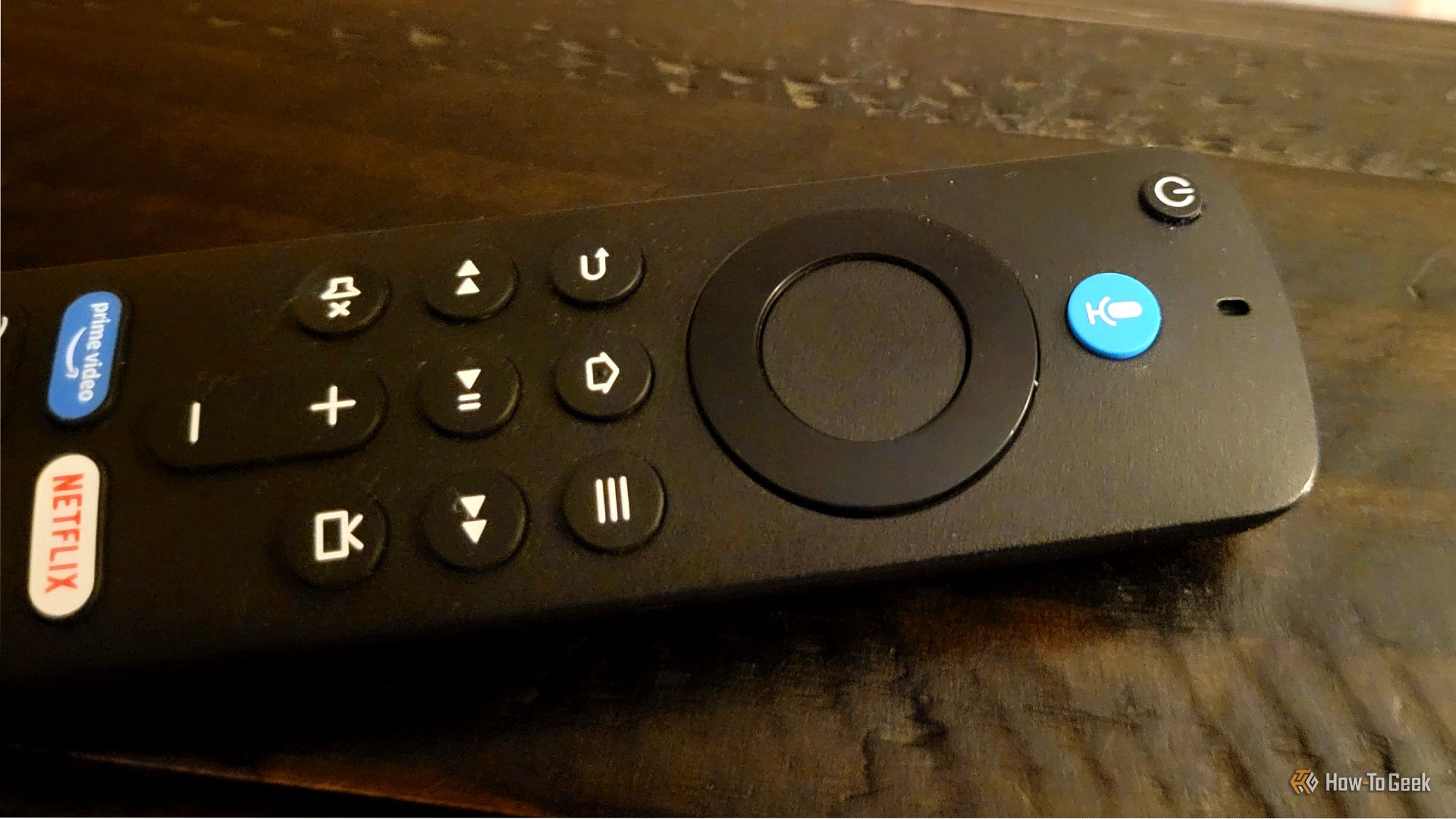
Learn to utilize 4 major, free Fire TV upgrades, including smart home control, enhanced navigation, expanded app pinning, and a new Instagram app, to streamline your streaming experience.

Lightspeed Venture Partners has fully embraced a creator-led venture capital model, hiring seed investor Claire Zau, popular on Instagram and TikTok, to source deals and co-host their new show, Lightwork. This strategic move aligns with a broader industry trend seeing firms like a16z and OpenAI integrating creators to build trust and connect with the next generation of founders.

Meta is leveraging AI, especially large language models (LLMs), to rapidly develop and launch new consumer applications, marking a strategic pivot. CEO Mark Zuckerberg announced more apps are coming soon, following recent launches for Facebook Groups, Marketplace, and Instagram. This AI-driven acceleration helps Meta test ideas faster and has significantly boosted apps like Threads.

Instagram's AI Feed: More Engaging, Harder to Quit Verdict: Meta's latest AI-powered recommendation systems have made the Instagram feed significantly more personalized and engaging, leading to double-digit increases in

Smart glasses offer convenience, but their ability to record discreetly has raised significant privacy concerns. In response to a rise in "creepy" videos depicting harassment, Instagram is taking action. This guide will
Meta has launched Muse Image, its inaugural AI image generation model from Alexandr Wang's Superintelligence Labs. Integrated across Meta AI, Instagram, and WhatsApp, the tool allows users to create images from text, modify existing photos, and even generate content featuring friends from public Instagram posts, while offering an opt-out for privacy. This marks a significant step in Meta's aggressive push into the AI domain.
India's IT ministry has ordered Meta to immediately remove Instagram ads promoting child sexual exploitation and abuse material (CSEAM) and explain how they passed review within seven days. This action follows a BBC investigation that revealed paid ads redirecting users to illegal content, placing Meta's critical 'safe harbour' protection at risk in its largest user market.

Social media platforms like Threads, Instagram, and TikTok are launching AI tools for users to control feed algorithms. This shift enables personalized content, boosting engagement through tailored experiences.

The digital world paused on a recent Friday morning as Meta's core platforms – Facebook, Instagram, Messenger, and WhatsApp – experienced a significant, widespread outage. As an experienced tech reviewer, this wasn't a

Instagram is alerting users targeted by hackers who exploited Meta's AI support chatbot to take over accounts. The simple attack, involving asking the bot to link accounts to hacker-controlled emails, continued even after Meta claimed a fix. The incident highlights critical security flaws in AI-driven support systems.
A network of hundreds of AI-generated pro-Trump influencer accounts has surged across TikTok, Instagram, Facebook, and YouTube ahead of midterm elections. These fake personas rapidly post political content, seemingly aiming to sway conservative voters. President Trump has even reposted content from one such artificial account.

Meta is rolling back end-to-end encryption for Instagram DMs by May 8, citing low user adoption of the opt-in feature. This decision has sparked criticism from privacy experts who view it as a cynical move that undermines years of public commitment to privacy and could set a dangerous precedent for the future of E2EE across big tech. The company's justification is being questioned given its previous efforts to implement default encryption.
