
Meta Unveils Muse Image, First AI Model From Wang's Superintelligence
Meta has launched Muse Image, its inaugural AI image generation model from Alexandr Wang's Superintelligence Labs. Integrated across Meta AI, Instagram, and WhatsApp, the tool allows users to create images from text, modify existing photos, and even generate content featuring friends from public Instagram posts, while offering an opt-out for privacy. This marks a significant step in Meta's aggressive push into the AI domain.
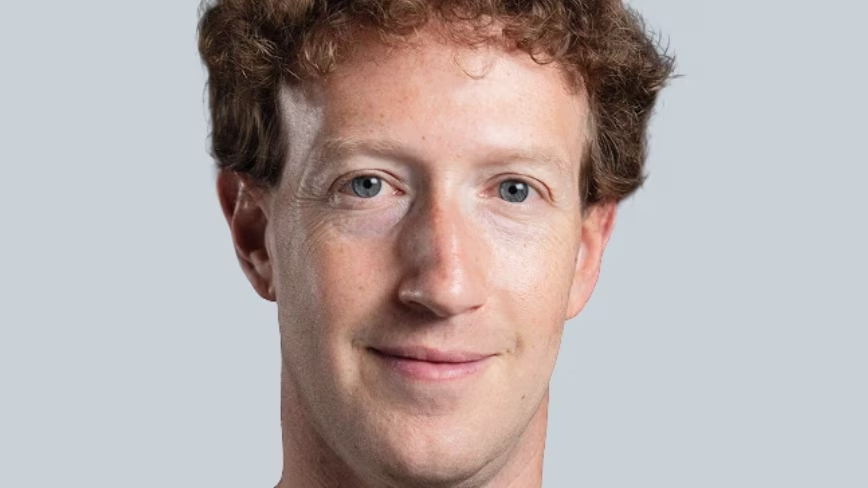
Meta has officially launched Muse Image, its sophisticated new artificial intelligence model engineered for advanced image generation. Debuting on Tuesday, July 7, 2026, Muse Image represents the first image-generation AI developed entirely under the leadership of Chief AI Officer Alexandr Wang’s Superintelligence Labs division. The model is being rolled out within the Meta AI chatbot and will be seamlessly integrated across the company's immensely popular platforms, Instagram and WhatsApp. This launch marks a significant strategic move, empowering millions of users to create and manipulate visual content directly within their favorite apps, and highlighting Meta's intensified focus on becoming a leader in the competitive AI landscape.
Muse Image offers a comprehensive suite of creative tools designed for a wide range of users. Individuals can now generate entirely new images simply by inputting text prompts, transforming imaginative descriptions into high-quality visual realities. Beyond pure creation, the model also provides robust functionalities for altering existing pictures, enabling users to modify and enhance their personal photos with ease. A particularly innovative feature allows users to generate images featuring friends or public figures, leveraging content from their publicly available Instagram posts. This personalization opens new avenues for creative expression and social interaction within Meta's ecosystem.
Recognizing the importance of user control and privacy, Meta has diligently integrated safeguards. A clear opt-out mechanism is available in settings, enabling users to prevent their public content from being reused or remixed by the AI for image generation. Furthermore, every image produced with Muse Image will feature an invisible watermark, ensuring transparency and traceability of AI-generated content. Meta has also implemented stringent safety precautions to proactively detect and prevent any output that violates its terms of service, including sensitive content like CSAM, underscoring a commitment to responsible AI deployment. Looking ahead, Meta plans to extend access to Muse Image to advertisers, allowing them to harness the AI model for crafting engaging and dynamic marketing materials.
The introduction of Muse Image is a pivotal development, representing the second major product to emerge from Alexandr Wang's Superintelligence Labs. This dedicated division previously launched its first large language model, Muse Spark, in April and is concurrently developing a video generation model anticipated in the coming months. Wang was recruited a year ago to spearhead these efforts, a clear signal of Meta's long-term commitment, backed by billions in investment and substantial compensation packages for top researchers, some reportedly exceeding $200 million. These strategic investments underscore Meta's fierce determination to compete with established AI pioneers like OpenAI and Anthropic across all artificial intelligence modalities.
Meta's ambitious AI strategy extends beyond enhancing its consumer products; it also encompasses new monetization avenues. The company intends to sell access to its advanced AI models to external developers through a new cloud offering. This initiative aims to leverage and monetize Meta’s vast data center infrastructure and significant investments in high-performance AI chips. Reports from Bloomberg suggest this broader effort could even involve selling raw computing power. Despite these future revenue streams, Meta's demand for computational resources remains high, evidenced by recent deals signed with leading infrastructure providers such as CoreWeave, Google, and Oracle.
This aggressive pivot towards AI has necessitated substantial internal realignment. In May, Meta undertook significant layoffs, impacting approximately 8,000 jobs, while simultaneously redirecting billions of dollars towards bolstering its AI infrastructure and research capabilities. This strategic restructuring demonstrates Meta’s commitment to re-engineer its core business model around artificial intelligence, positioning it as the fundamental driving force for future innovation and sustained competitiveness in the rapidly evolving technology landscape.
FAQ
Q: What are the main functionalities of Meta's Muse Image?
A: Muse Image allows users to generate new images from text prompts, alter existing pictures, and create images featuring friends or public figures by drawing from their publicly available Instagram posts.
Q: How does Meta address privacy concerns with Muse Image?
A: Meta provides an opt-out option for users who do not wish for their public content to be reused or remixed by the AI. Additionally, all generated images include an invisible watermark, and safety measures are in place to prevent violations of Meta’s terms of service.
Q: What is the broader significance of Muse Image's launch for Meta?
A: Muse Image is a key step in Meta's aggressive push into artificial intelligence, demonstrating progress from Alexandr Wang's Superintelligence Labs. It signals Meta's intent to compete vigorously in the AI space, diversify its monetization strategies through cloud offerings for AI models, and integrate advanced AI capabilities across its primary platforms.
Related articles

Apple Unveils iPhone Duo: Pricey Foldable Sees Soaring Demand
Apple has officially entered the foldable smartphone arena with the long-anticipated launch of the iPhone Duo. Priced starting at a hefty $1,999, the device features a 5.4-inch outer display and a larger 7.6-inch inner

in-depth: Chicago-Area Cops Helped HSI Spy on Minnesota Anti-ICE
Chicago-area law enforcement, including local police and HSI agents, conducted undercover surveillance on Minnesota anti-ICE activists at an April 2, 2022, talk in Chicago. This operation was part of a federal conspiracy probe into 15 Minnesota activists facing felony charges related to immigration enforcement resistance. Civil liberties advocates have condemned the surveillance as a troubling intrusion into protected political activity.

Mark Wahlberg on using AI in film ‘the right way’ and being open to
Actor Mark Wahlberg believes AI has a place in filmmaking if used responsibly for enhancement, not script generation or actor replacement. At TechCrunch Disrupt, he expressed openness to an AI likeness carrying on his legacy, managed by his family, and emphasized storytelling.

Tesla Unveils Thruster-Equipped Roadster, 2028 Production Targeted
Tesla has unveiled its second-generation Roadster, featuring cold-gas thrusters co-developed with SpaceX, enabling it to jump and flip. The electric sports car demonstrated 0-60mph in an astonishing 0.81 seconds, with production targeted for 2028. This highly anticipated reveal also serves as a key recruitment tool for Tesla's ambitious AI and robotics initiatives.

AI's Confidence vs. Formal Methods' Rigor: Design Flaws & Verification
While AI accelerates code generation, formal methods remain critical for ensuring system correctness. Languages like TLA+ and tools like Quint enable developers to model and verify system designs before coding, catching subtle flaws. Quint makes formal methods more accessible with developer-friendly syntax and executability. This approach is vital for verifying AI-generated code through trace validation and model-based testing, ensuring reliability against real-world data.
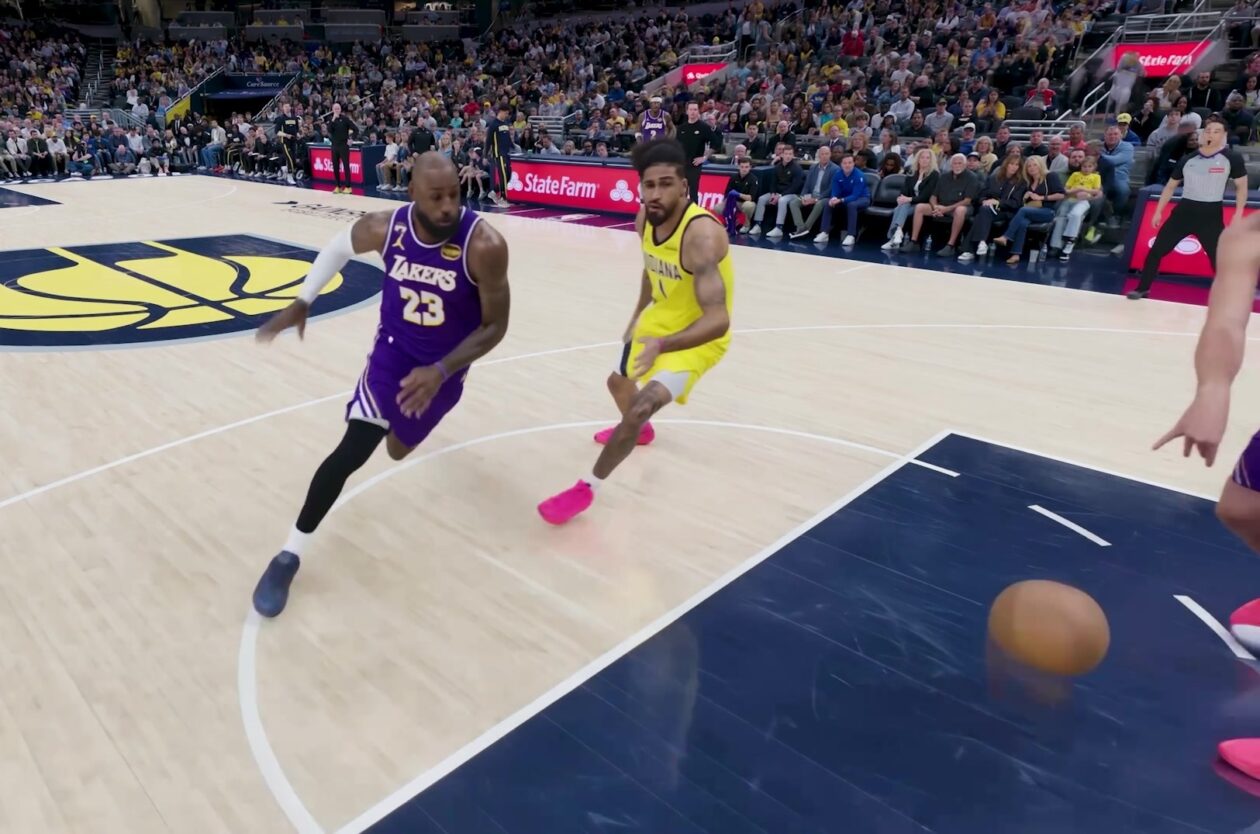
Amazon Prime Video Launches AI-Powered Prime 360 for NBA Coverage
Amazon Prime Video is elevating its NBA coverage with the introduction of Prime 360, an AI-powered replay system offering immersive, 'fly through' views of the action. Kicking off its second season, Prime Video also adds Yahoo fantasy integration and gains exclusive Eastern Conference Finals rights, expanding its tech-driven sports broadcast. The new features aim to deliver a unique and interactive viewing experience for basketball fans.