14 results found

The Fall 2026 video game release slate is incredibly stacked with highly anticipated titles, from Switch 2 exclusives to a new Wolverine game and the monumental Grand Theft Auto 6. However, this glut of releases, coupled with a challenging economic climate and fierce competition, poses a significant threat to many developers, potentially leading to a 'bloodbath' for smaller studios and a more fractured industry.

Following its Gamescom debut, the *Humankind 2* announcement trailer faced widespread accusations of being AI-generated. Developer Amplitude Studios quickly responded, releasing a behind-the-scenes video showcasing the extensive human effort, practical sets, and real actors involved in its creation, highlighting the current climate of AI suspicion in gaming.

Climate change is intensifying the challenges of parenting, with a new study revealing that 560 million children under the age of ten globally now face at least one additional month of moderate heat stress each year.

Verdict Ars Technica's "Volcanoes That Made History" delivers a compelling and insightful exploration into how colossal volcanic eruptions have profoundly shaped Earth's climate and human societies throughout history.

The world faces a potentially unprecedented El Niño, projected to be the strongest on record with global implications for weather, water, and the economy. Already rapidly strengthening, it threatens diverse regions with extreme weather, from increased rainfall in some areas to severe droughts in others. Experts are on high alert for widespread impacts.

Amazon's new West Texas data center is set to be powered by the GW Ranch, a natural gas plant permitted to emit up to 33 million tons of CO2 annually. This could make it the country's worst polluting power plant, directly challenging Amazon's climate pledges amidst the skyrocketing energy demands of AI data centers.

Ferrari's much-debated first electric vehicle, the Luce, has silenced its critics by hitting its entire annual sales target in just two months. Unveiled to a storm of negative online reactions and a dip in stock price,

OpenAI has dramatically increased its projected infrastructure spending, announcing a monumental $750 billion investment through 2030. This figure represents a 25% jump from earlier estimates this year, signaling an
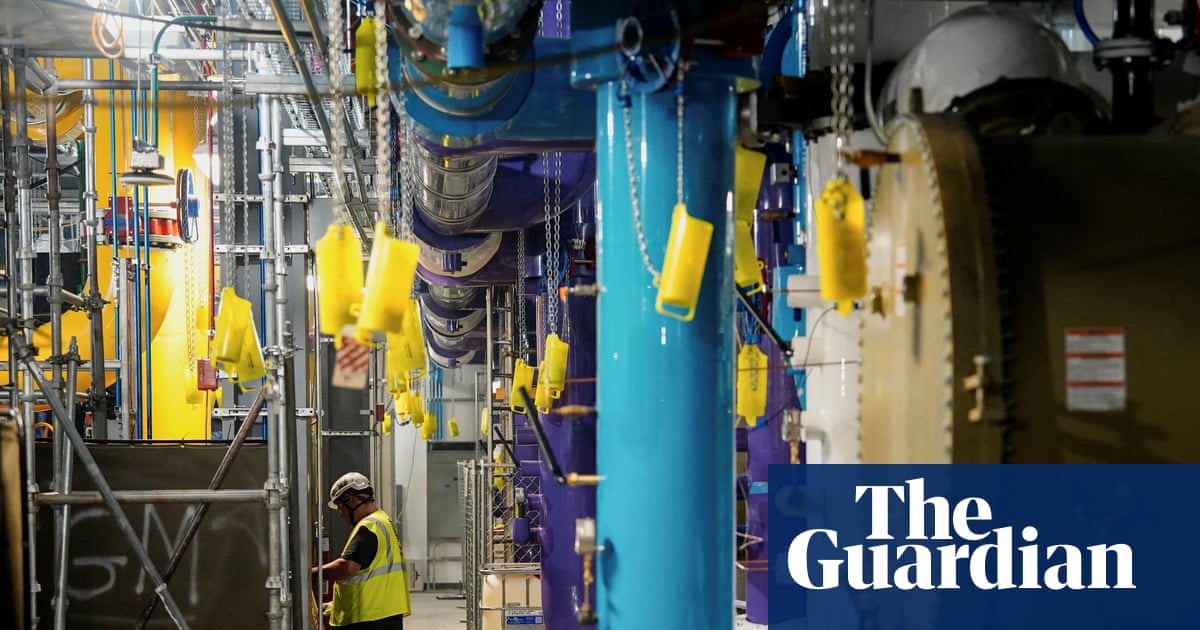
The rapid expansion of cloud services and AI, driven by companies like Microsoft, Amazon, and Google, is causing a significant surge in their carbon emissions. This article explores the scale of this environmental impact, detailing the recent increases and the challenges it poses to their sustainability goals. We examine why this boom is affecting climate ambitions and what developers should consider for a more sustainable future.

Seattle angel investor Charles Fitzgerald criticizes Washington Gov. Bob Ferguson's new Economic Development Council as backward-looking, lacking startup and VC representation, and ignoring AI. He argues the council's composition and focus overlook critical drivers of future economic growth and fail to address the state's deteriorating business climate.

Seattle has plummeted 11 spots to 13th in a new Financial Times-Nikkei ranking of U.S. cities for foreign investment, sparking renewed debate over the city's business climate. The significant drop from last year's second-place position has fueled concerns among tech leaders and business professionals, many of whom attribute the decline to what they perceive as anti-business policies and an escalating cost of living.

Quick Verdict This report, "China’s shark finning could lead to US seafood sanctions," published by Ars Technica and sourced from Inside Climate News, delivers a critically important and unflinching look at a

Seattle-area startup Homeostasis is converting captured industrial CO2 emissions into high-performance graphite for batteries. This innovative process addresses both climate concerns and the critical global demand for battery materials, particularly amid geopolitical shifts affecting supply chains. The company recently secured funding and a strategic partnership with Saudi Aramco's LAB7 to scale operations.

The Nordic region is experiencing an unprecedented boom in data center construction, driven by the insatiable energy demands of artificial intelligence. Tech giants and specialized 'neocloud' providers are flocking to countries like Norway, Sweden, and Finland, drawn by abundant, cheap, and renewable energy, naturally cool climates, and available land. This shift marks a strategic move away from traditional European tech hubs, positioning the Arctic edge as a vital new frontier for AI infrastructure.
