20 results found
Explore how to build and train a 25-million parameter LLM directly on your CPU, stripping away the need for expensive GPU clusters. This hands-on approach reveals core LLM architecture, pre-training with cross-entropy loss, and post-training with Reinforcement Learning, allowing rapid iteration and direct observation of model behavior changes.
Verdict: An Essential, User-Friendly Guide for PC Health Engadget's guide, "How to check the temperature of your PC's CPU," is an excellent resource for anyone looking to understand and maintain the health of their

The Gigabyte AORUS Prime 5 Gaming PC with an RTX 5070 Ti, 32GB RAM, and 2TB SSD is back at Walmart for $1,999 after a $300 discount. This powerful rig, featuring a Ryzen 7 9700X CPU and a 360mm liquid cooler, offers excellent 4K gaming performance comparable to an RTX 4080 Super. It's an exceptional value, especially given rising RAM prices and the RTX 5070 Ti's scarcity as a standalone card.
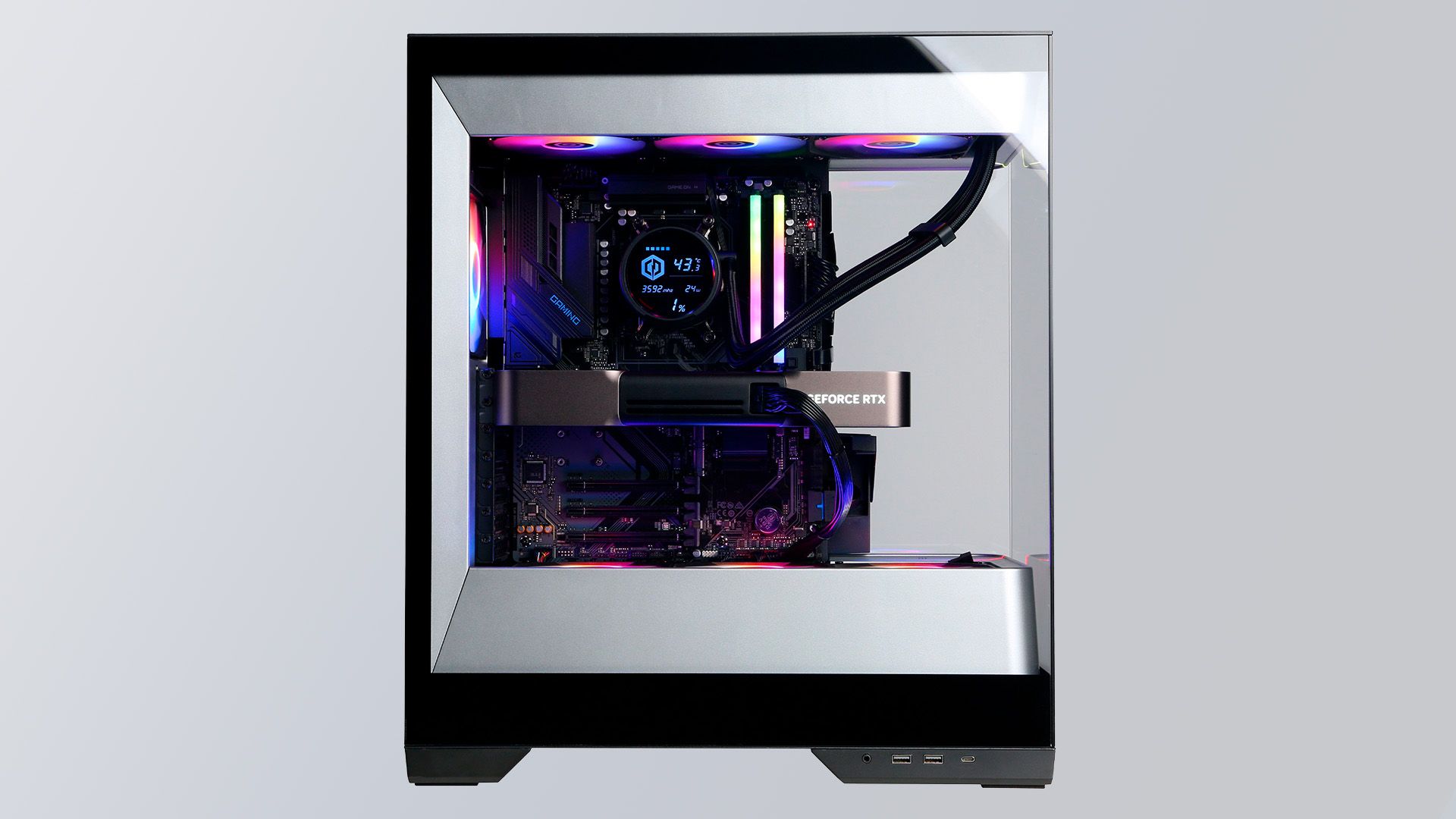
Quick Verdict The CyberPowerPC SLC8500WST, priced at an attractive $2,299, presents an exceptional value proposition for serious gamers. Combining the Ryzen 7 9800X3D, heralded as the world’s fastest gaming CPU, with a

Nvidia is extending its AI dominance beyond GPUs, focusing on system-level data orchestration within massive data centers. Post-earnings, the company's Vera Rubin architecture, including the Vera CPU, is proving crucial for efficient data management, optimizing performance and energy use. This shift towards smarter data traffic control marks a new competitive front in AI infrastructure, where Nvidia currently holds a commanding lead.

Dive into low-level graphics with C by building a software renderer from scratch, moving beyond terminal applications to gain a deep understanding of CPU architecture, memory management, and game engine foundations. This hands-on approach, utilizing the cross-platform SDL3 library, teaches direct pixel manipulation, custom frame buffer management, event handling, and frame rate control. The course culminates in rendering effects like the iconic Doom fire using only CPU instructions, offering invaluable practical experience for any developer.

Marvel Tōkon's PC launch has been plagued with performance issues, leading players to a bizarre, unconfirmed workaround: opening the Epic Games Store before launch. While some report minor FPS and CPU improvements, the community is divided on its effectiveness, with many seeing no difference. This situation highlights the ongoing frustrations with the game's unoptimized PC port and the desperate measures players are taking.
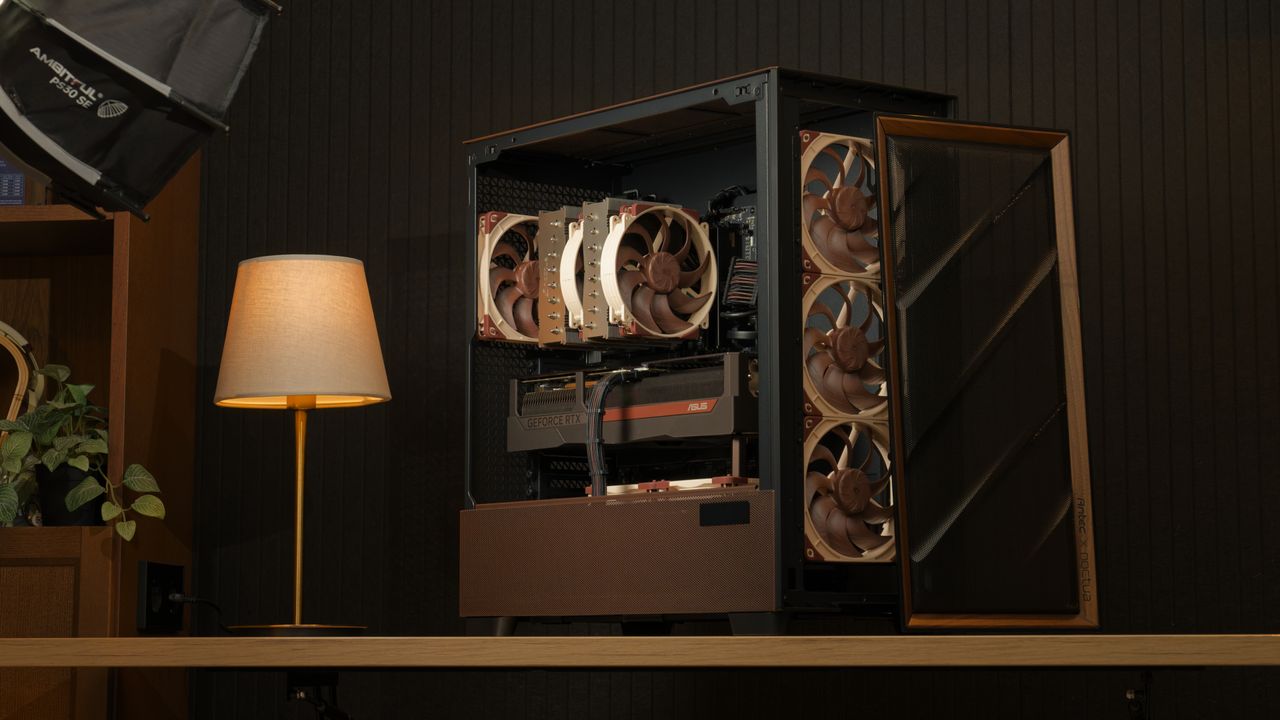
Noctua's detailed analysis reveals over 50% of PC cases misstate CPU cooler clearances, with errors ranging from -3.5mm to +10mm, causing potential fitment issues or missed upgrade opportunities for PC builders.
Quick Verdict Nvidia's potential $250 billion financing for OpenAI's massive 10-gigawatt Ohio data center is a monumental move, signaling a profound shift in AI infrastructure. While promising OpenAI greater autonomy

Pixel Watch 5 review: Leaked specs suggest minimal upgrades, primarily increased RAM, while reusing older CPU/GPU hardware. This raises concerns about performance, especially for future AI features, and its competitiveness against rivals like the Galaxy Watch 9.
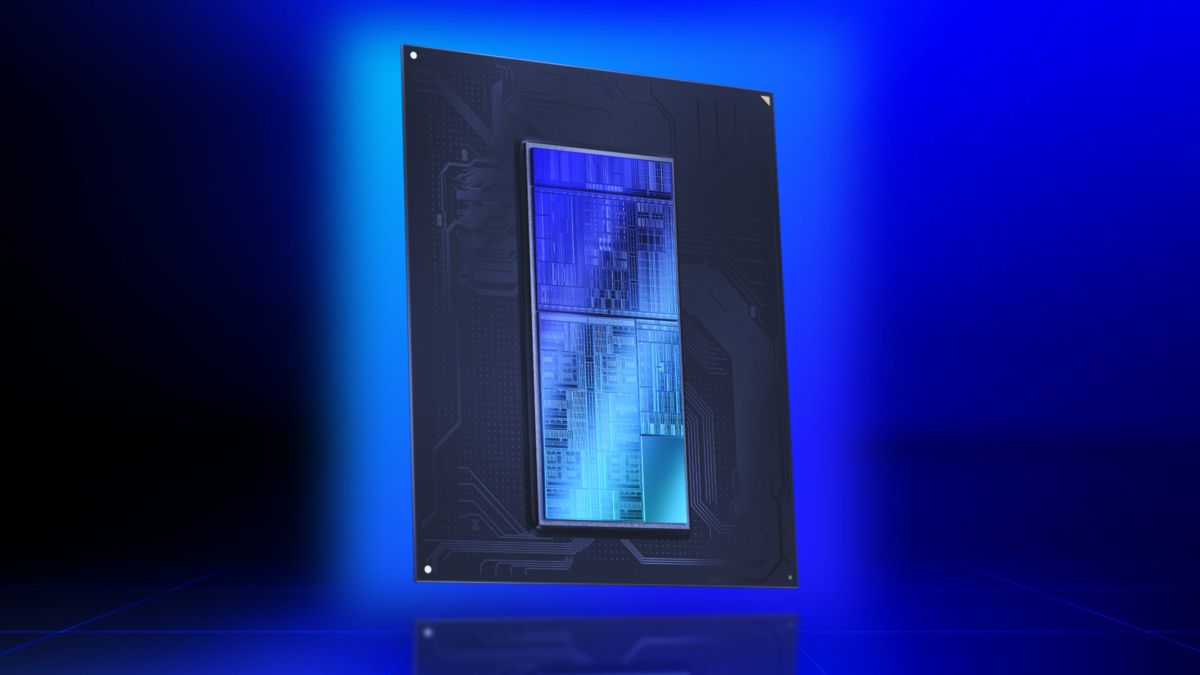
Quick Verdict Intel's upcoming Nova Lake-S CPUs for the Dunlow workstation platform appear to be a strategic move to address the entry-level server and workstation market. Featuring up to 28 cores and a new LGA1954
Intel, Foxconn, and SambaNova Systems have partnered to build rackscale AI infrastructure, unveiled at Computex 2026. This collaboration targets the shift from AI training to inference, aiming to re-establish Intel Xeon CPUs at the core of data centers by pairing them with SambaNova's SN-50 RDUs for efficient, cost-effective performance. Foxconn will handle system integration and develop CPU-dense variants.
This article explores how a 10-year-old Intel Xeon E5-2620 v4 server with 128 GB DDR3 RAM and no GPU can run a modern LLM like Gemma 4 26B-A4B at reading speed. It highlights that LLM inference is often memory-bound and showcases deep optimization techniques using `ik_llama.cpp`, including speculative decoding, CPU-aware MoE routing, advanced memory management, and specialized attention kernels. The success demonstrates that granular software control can unlock significant performance on older, abundant-RAM hardware.

The world of artificial intelligence is experiencing unprecedented growth, profoundly impacting how we approach software development and, crucially, how we design the underlying hardware. At the heart of this evolution
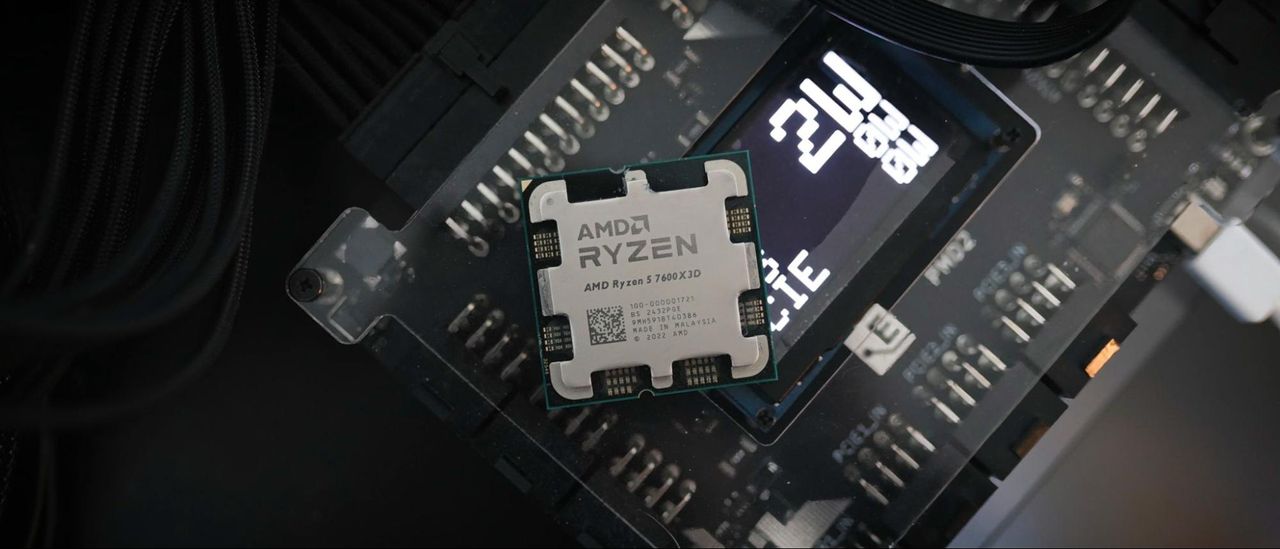
The AMD Ryzen 5 7600X3D remains an outstanding gaming CPU, offering near-flagship performance at a fraction of the cost, even 18 months post-launch. While it struggles in multi-threaded productivity tasks against Intel's latest, its efficiency and price point make it an unbeatable choice for dedicated gamers.
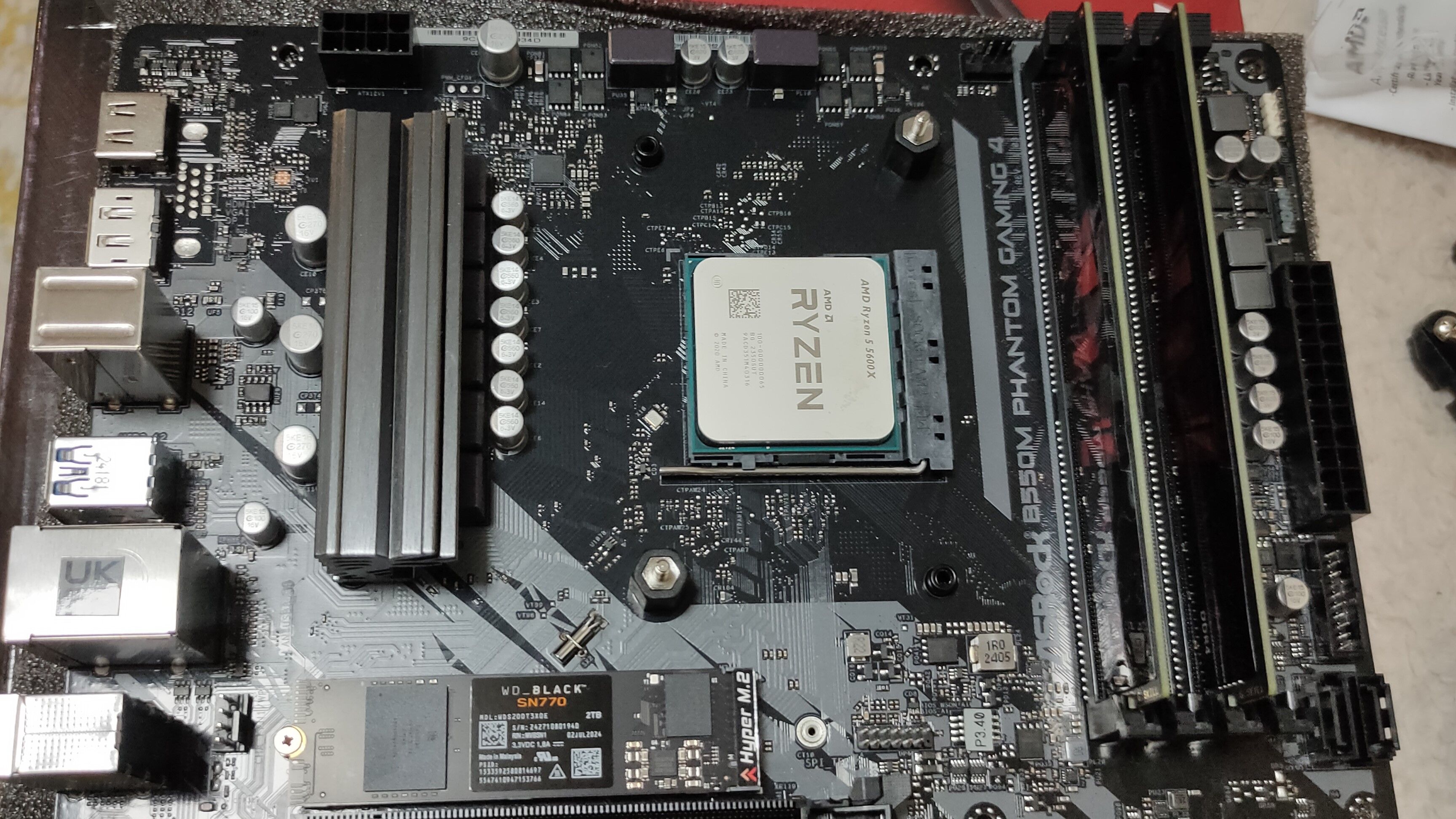
Understand BIOS/UEFI, its critical role in PC stability and compatibility, and why updates are essential for unlocking full CPU performance and faster boot times.
Intel's Binary Optimization Tool (BOT) significantly boosts Geekbench 6.3 scores by up to 30%, primarily through aggressive instruction vectorization. However, BOT is opaque, supports only a handful of applications, and introduces a startup delay. This leads to concerns about fair benchmarking, as it measures peak rather than typical performance, creating an unrealistic advantage for Intel CPUs against competitors.

Apple's new M5 MacBook Pro delivers immense speed, significantly outperforming the M1 generation with up to 161% faster multi-threaded CPU and double the GPU performance. While offering a powerful upgrade for top-tier users, many M1 owners may not need to upgrade, as their current machines still perform capably for most professional tasks. New models also feature Wi-Fi 7 and Thunderbolt 5, with prices starting at $2,699 for the M5 Pro and $3,899 for the M5 Max.
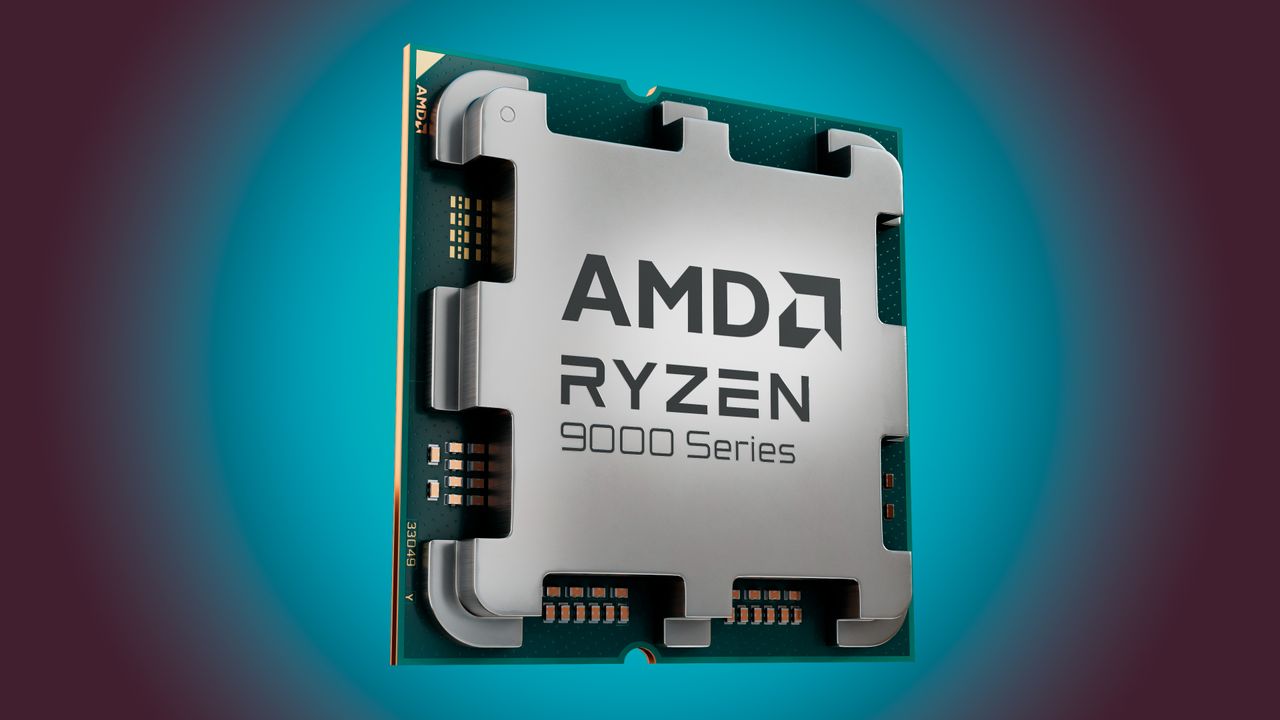
AMD, perpetually vying with Intel for CPU supremacy, appears poised to unveil a strategic counter-move with a rumored refresh of its Zen 5 processors. Leaked information suggests the chipmaker is preparing the Ryzen 7

This article details the journey of debugging mysterious system freezes caused by eBPF programs in the Linux kernel. We uncovered an issue where an NMI-driven eBPF sampling program would self-deadlock by attempting to acquire a spinlock already held by another eBPF program on the same CPU, leading to 250ms kernel timeouts. The analysis highlights the complexities of spinlocks, NMIs, and cache coherence in kernel development.
