40 results found

Sam Altman, OpenAI CEO, faced intense questioning about his honesty in a federal trial initiated by Elon Musk. This testimony, combined with statements from former colleagues, has reignited persistent concerns about his trustworthiness, impacting perceptions of a key figure in the AI boom.

Trusti, founded by Stanley Fulton, is launching a new platform focused on human-centered recommendations to combat the impersonal nature of current online reviews. It leverages micro-communities, a coin-based reward system, and professional insights to foster trusted, relevant advice. The platform also aims to empower small businesses by amplifying their community connections online.

This article details how to build a secure AI-powered pull request reviewer using JavaScript, Claude, and GitHub Actions. It focuses on critical security aspects like sanitizing untrusted diff input, validating probabilistic LLM output with Zod, and employing fail-closed mechanisms to ensure robustness and prevent vulnerabilities.

Compliance startup Delve has been removed from Y Combinator's portfolio amidst accusations of fake compliance, misleading clients, and data issues. This follows Insight Partners' earlier distancing. Delve's leadership attributes the claims to a malicious attack and has apologized, outlining steps to restore customer trust.

As software developers, we're at the forefront of technological shifts, and few have been as impactful or as perplexing as the rise of AI coding tools. Our own Stack Overflow 2025 survey revealed a fascinating paradox:

Even as more Americans integrate artificial intelligence into their daily lives for tasks like research, writing, and data analysis, their skepticism toward the technology continues to deepen. A new Quinnipiac

Microsoft is reducing Copilot AI integrations in Windows 11 apps like Photos and Notepad, aiming for more meaningful AI experiences. This move responds to user feedback and rising concerns about "AI bloat" and trust, reflecting a broader shift towards a "less-is-more" strategy in AI deployment.

World ID's Agent Kit offers a novel "proof of human" solution for AI agents to prevent Sybil attacks and ensure human direction. Leveraging iris-scanned World ID, it aims to bring trust and accountability to automated online interactions.
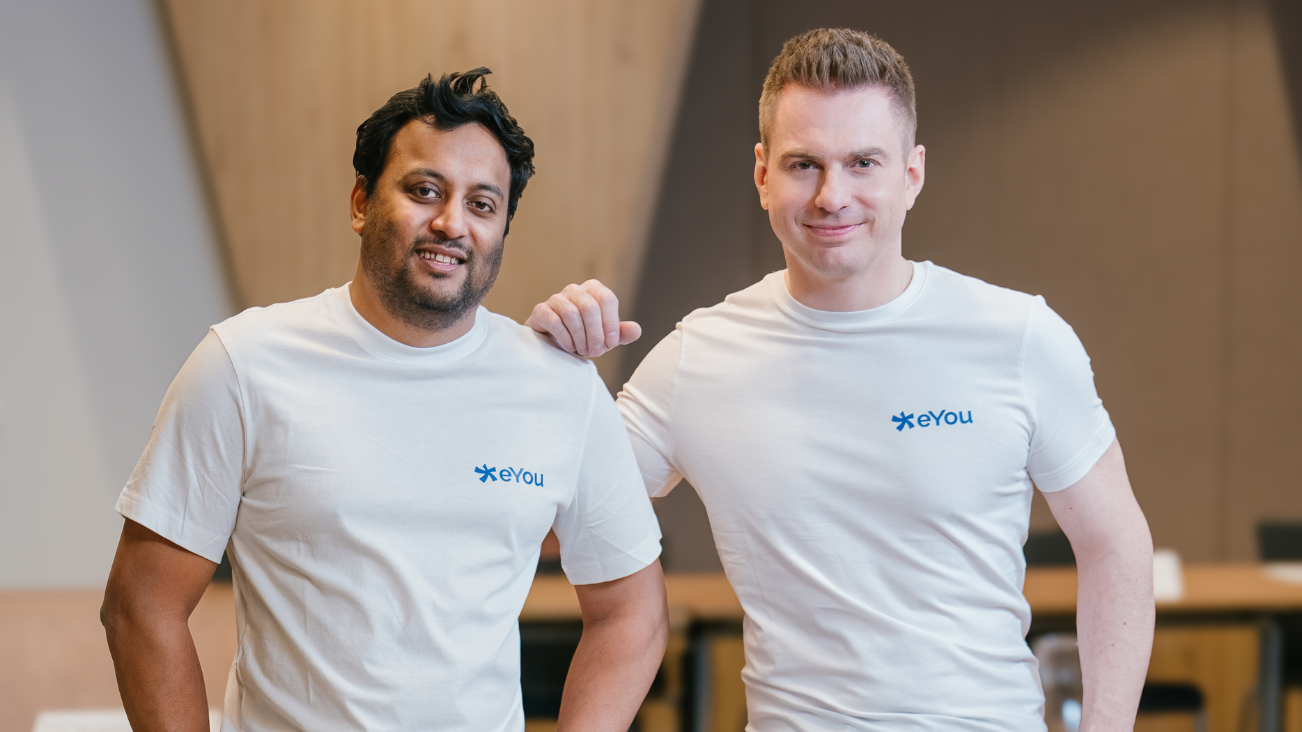
Bucharest-based eYou has secured €300,000 in pre-seed funding from Fil Rouge Capital to develop a new European social media platform. Set for a May 2026 launch, eYou aims to combat misinformation and echo chambers with real-time AI fact-checking and transparent, user-editable algorithms. This platform emphasizes European data protection standards and trust-by-design principles.

The dream of autonomous robots seamlessly integrating into our lives has long been a staple of science fiction. Today, with the rapid advancements in large language models (LLMs) and robotics, this future is closer than

This review analyzes the urgent warning from Brown University's Pandemic Center: the measles resurgence signals systemic public health vulnerabilities, high economic costs, and eroding public trust, prefiguring future disease threats.

WhatsApp has capitulated to regulatory demands in Brazil, agreeing to allow rival AI chatbots on its platform, following a similar decision in Europe. Brazil's antitrust regulator, CADE, rejected Meta's appeal to block the policy, citing competitive harm. Developers express concern over Meta's new per-message pricing, despite the regulatory victory for market competition.
AI-assisted coding is advancing beyond simple suggestions to complex agentic systems. To manage inherent risks, robust security and isolation are crucial. Hardened containers, which are minimal and secure, coupled with agent sandboxes, provide the necessary environment for AI agents. This approach treats AI agents with the same rigor as microservices, ensuring predictability and trust in AI-driven workflows.

Maxfree Rechargeable Batteries promise to save time and money, but our review reveals a complete lack of product specifics. While the concept is appealing, buying them requires trusting the claim without any verifiable data.

A court has made a critical decision to personally search devices seized from a Washington Post reporter, explicitly denying the Department of Justice (DOJ) full access. This move underscores judicial oversight in sensitive cases, particularly those involving journalists' materials, emphasizing the court's role in protecting privacy and press freedom against potential government overreach.
