
As more Americans adopt AI tools, fewer say they can trust the
Even as more Americans integrate artificial intelligence into their daily lives for tasks like research, writing, and data analysis, their skepticism toward the technology continues to deepen. A new Quinnipiac

Even as more Americans integrate artificial intelligence into their daily lives for tasks like research, writing, and data analysis, their skepticism toward the technology continues to deepen. A new Quinnipiac University poll, published Monday, reveals a striking paradox: AI adoption is on the rise, yet public trust in its outputs is alarmingly low.
The survey of nearly 1,400 Americans found that a significant majority—76%—trust AI results only rarely or sometimes. This contrasts sharply with just 21% who trust it most or almost all of the time. This lack of confidence persists despite a notable increase in usage, with only 27% of respondents saying they have never used AI tools, down from 33% in April 2025.
“The contradiction between use and trust of AI is striking,” noted Chetan Jaiswal, a computer science professor at Quinnipiac. He highlighted that over half of respondents (51%) use AI for research, alongside widespread use for writing, work, and data analysis. However, the disconnect between this active engagement and the low trust levels suggests that Americans are adopting AI with considerable hesitation, rather than genuine confidence.
Deep-Seated Concerns About AI's Future
Part of this widespread distrust stems from a general apprehension about AI's societal impact. The poll indicated that only a mere 6% of Americans are “very excited” about AI's future, while 62% expressed minimal or no excitement. This sentiment is mirrored in concern levels, with 80% of respondents feeling either very or somewhat worried about AI, a sentiment particularly strong among millennials and baby boomers, with Gen Z not far behind.
A solid 55% of Americans believe AI will ultimately do more harm than good in their daily lives, overshadowing the one-third who foresee more benefits. Researchers noted that negative views about AI have increased since last year, potentially influenced by recent events such as significant tech layoffs, reported cases of AI-related psychosis, and the growing strain on energy grids from data centers.
Community opposition to AI infrastructure also remains high. A majority (65%) of Americans would not want an AI data center built in their community, primarily citing concerns over high electricity costs and substantial water usage.
Labor Market Anxiety Escalates
One of the most profound anxieties revolves around AI's effect on job opportunities. A substantial 70% of respondents believe AI advancements will reduce the number of jobs, a significant increase from 56% last year. Conversely, only 7% anticipate an increase in job opportunities, down from 13% previously. This pessimism is particularly pronounced among Gen Z, with 81% foreseeing a decrease in available positions.
These concerns are not entirely unfounded. Entry-level job postings in the U.S. have declined by 35% since 2023, and prominent AI leaders, such as Anthropic CEO Dario Amodei, have publicly warned about the technology's potential to displace jobs.
Tamilla Triantoro, a professor of business analytics and information systems at Quinnipiac, observed that younger Americans, despite having the highest familiarity with AI tools, are also the least optimistic about the labor market. “AI fluency and optimism here are moving in opposite directions,” she stated.
Interestingly, while broad concerns about the labor market prevail, individual job security appears less threatened in the public's perception. Among employed Americans, 30% are concerned AI will make their specific jobs obsolete, an increase from 21% last year. However, this still means the majority do not foresee AI impacting their roles directly.
Triantoro elaborated on this pattern: “Americans are more worried about what AI may do to the labor market than about what it may do to their own jobs. People seem more willing to predict a tougher market than to picture themselves on the losing end of that disruption—a pattern worth watching as the technology moves deeper into the workplace.”
Calls for Greater Transparency and Regulation
A significant factor contributing to the public's trust issues with AI appears to be a perceived lack of transparency from the companies developing the technology. Two-thirds of respondents indicated that businesses are not doing enough to be open about their AI use. The same percentage also feels that the government is falling short in regulating AI.
This sentiment arrives as states increasingly push to maintain their authority over AI rules, even as federal officials, including those under recent, lighter-touch AI frameworks, and industry leaders advocate for limiting state-level regulation.
“Americans are not rejecting AI outright, but they are sending a warning,” Triantoro concluded. “Too much uncertainty, too little trust, too little regulation, and too much fear about jobs.” The findings paint a picture of a populace cautiously engaging with a transformative technology, albeit with significant anxieties and a clear demand for more oversight and honesty.
FAQ
Q: What is the main contradiction found in the Quinnipiac University poll regarding AI?
A: The poll found a striking contradiction between increasing AI adoption and a persistent lack of trust. While more Americans are using AI tools, a significant majority (76%) only trust the results rarely or sometimes.
Q: What are Americans' primary concerns about AI's impact?
A: Americans are highly concerned about AI's potential to cut job opportunities (70% believe it will), its overall societal impact (55% believe it will do more harm than good), and the lack of transparency from companies and regulation from the government.
Q: How do public views on AI regulation compare between businesses and government?
A: Two-thirds of Americans believe businesses are not transparent enough about their AI use, and the same percentage feels the government is not doing enough to regulate AI, indicating a dual demand for greater oversight from both sectors.
Related articles

Apple Unveils iPhone Duo: Pricey Foldable Sees Soaring Demand
Apple has officially entered the foldable smartphone arena with the long-anticipated launch of the iPhone Duo. Priced starting at a hefty $1,999, the device features a 5.4-inch outer display and a larger 7.6-inch inner
Android 17 QPR2 Beta 7.1: The Performance Relief You've Been Waiting
Android 17 QPR2 Beta 7.1: Finally Fixing the QPR1 Performance Woes Verdict: Android 17 QPR2 Beta 7.1 is a crucial and highly anticipated software update for Google Pixel users, specifically targeting and resolving the

in-depth: Chicago-Area Cops Helped HSI Spy on Minnesota Anti-ICE
Chicago-area law enforcement, including local police and HSI agents, conducted undercover surveillance on Minnesota anti-ICE activists at an April 2, 2022, talk in Chicago. This operation was part of a federal conspiracy probe into 15 Minnesota activists facing felony charges related to immigration enforcement resistance. Civil liberties advocates have condemned the surveillance as a troubling intrusion into protected political activity.

TCG Pocket Responds: A Much-Needed Pace Shift for Pokémon Fans
Pokémon TCG Pocket is rolling out a major update for its second anniversary, primarily addressing player concerns about overwhelming content releases by shifting to a six-week set schedule. This aims to curb player decline and improve overall engagement by giving trainers more time to collect and strategize. The update also adds new collection methods, improved deck-building features, and enhanced trading functionality.

Mark Wahlberg on using AI in film ‘the right way’ and being open to
Actor Mark Wahlberg believes AI has a place in filmmaking if used responsibly for enhancement, not script generation or actor replacement. At TechCrunch Disrupt, he expressed openness to an AI likeness carrying on his legacy, managed by his family, and emphasized storytelling.
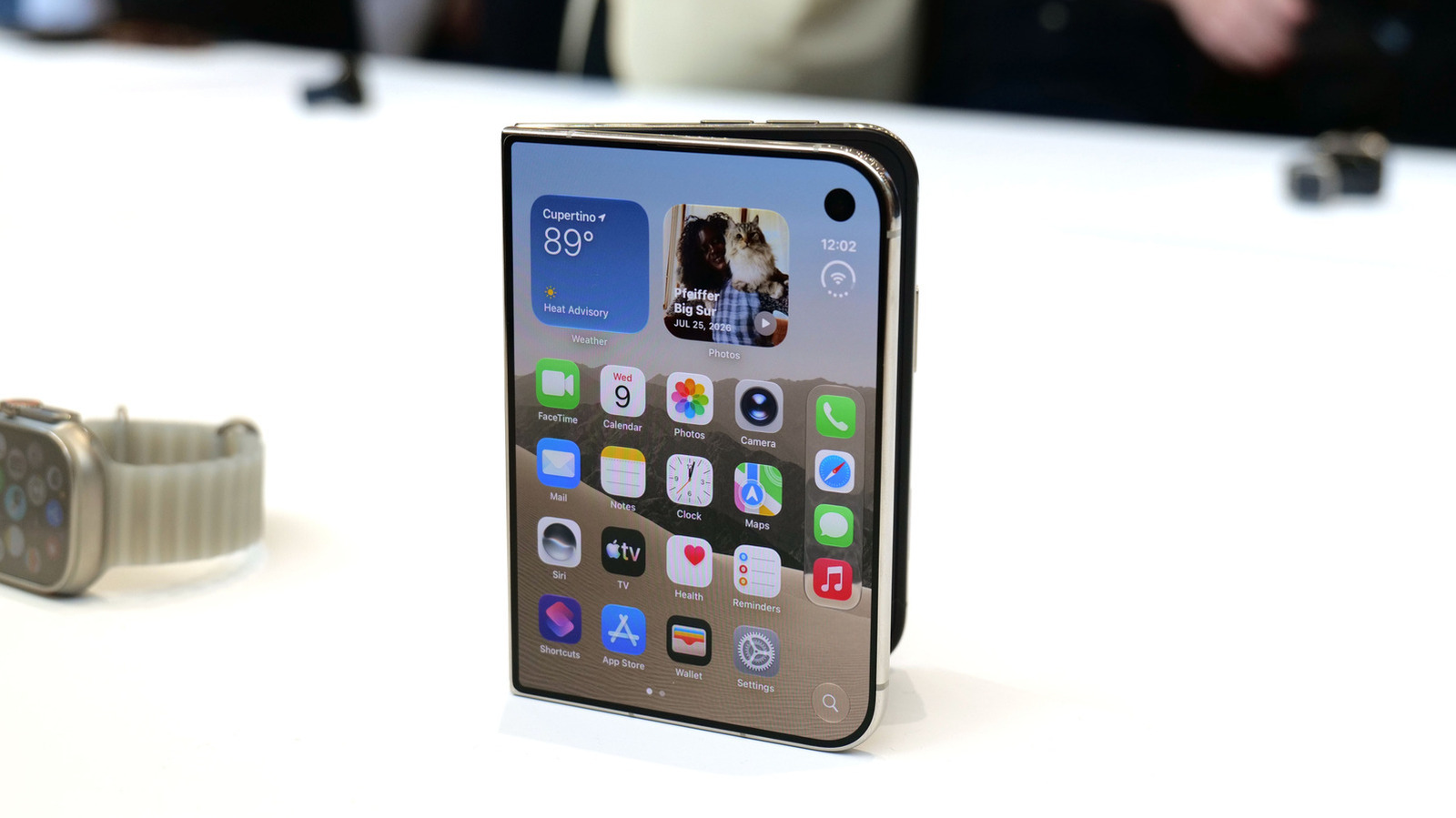
Apple iPhone Duo: A Daring Debut with Notable Compromises
Apple's highly anticipated iPhone Duo, priced at $2,000, has gone on pre-order. While hailed as "Apple's most exciting device in a decade" for its innovative foldable design and immersive display, it comes with significant drawbacks like the absence of FaceID and a premium camera.