84 results found

Uber and Waymo are locked in a contentious battle over proposed robotaxi regulations in Washington D.C., with Uber pushing a "hybrid" model to protect human drivers and Waymo poised to gain a market advantage under the current bill. This regulatory clash highlights broader industry debates over autonomous vehicle deployment and market control. Simultaneously, Uber is expanding its global delivery presence with a $14.8 billion acquisition of Delivery Hero, while other mobility startups secure significant funding.
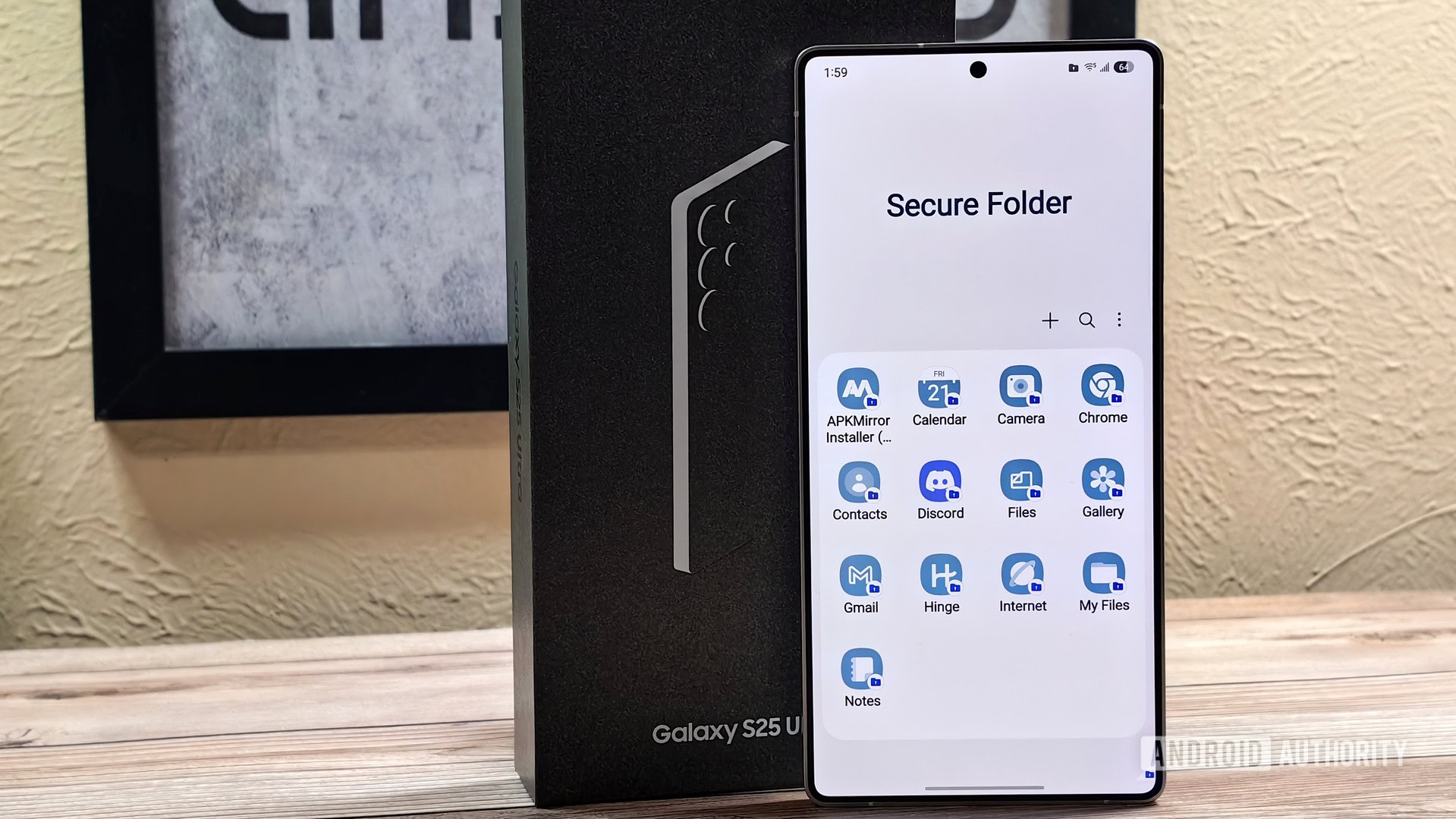
Samsung's Secure Folder is a highly underrated Galaxy feature that goes far beyond a photo vault, offering advanced security, productivity, app cloning, and work-life balance benefits. It's a must-use for Galaxy owners.

Meta has secured a patent for an AI system capable of continuously recording user voice, transcribing it, and analyzing it for emotional states. This technology, designed for "continuous emotional monitoring," integrates audio data with contextual factors like location and medication timing, raising significant privacy concerns. Amazon previously abandoned a similar product due to public backlash.

Applied Computing, a London-based startup, has secured $20 million in Series A funding to advance its foundation AI model, Orbital, for the oil, gas, and petrochemical industry. Orbital aims to integrate disparate data sources—sensor readings, engineering data, and physics models—to provide real-time operational insights, drastically reducing investigation times and enhancing efficiency. The company plans to use the capital for international expansion, hiring, and new client deployments, building on its rapid growth and strategic partnerships with industry giants like KBR.

Former Apple FaceID and Vision Pro co-inventor Gidi Littwin is making waves in the artificial intelligence sector with his startup, Hemispheric. The company has secured $52 million in funding to advance its frontier AI
OpenClaw Machines offers an open-source, self-hosted platform for running AI agents with enterprise-grade security and cost efficiency. It utilizes Firecracker microVMs for hardware isolation on your own Linux servers, providing full data sovereignty and predictable costs, especially at scale. The platform includes a control plane for orchestration, a Cloudflare data plane for secure access, and integrated LLM proxying.

Seattle-based startup Augmodo has successfully closed a $21 million funding round, boosting its valuation to $350 million. This significant investment is set to accelerate the company’s expansion of its spatial AI

Quick Verdict Reflect Orbital's Eärendil-1, an ambitious orbital space mirror project, has secured FCC approval for its initial test launches this year. The vision of extending daylight for critical operations like
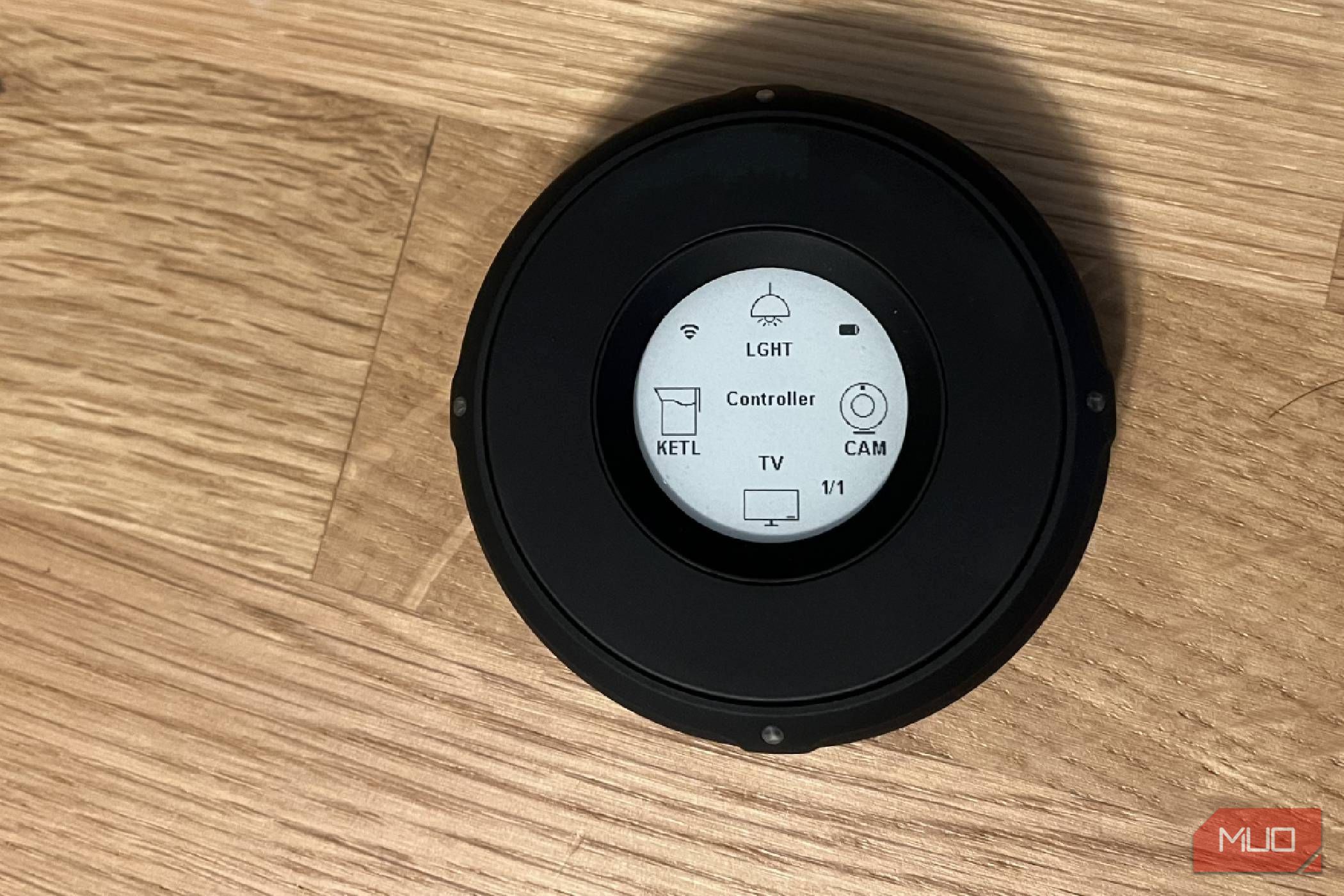
Bringing new smart devices into your home is exciting! From automating your lights to monitoring your energy use, smart home tech offers incredible convenience. However, a little preparation goes a long way in ensuring

Learn to set up a Virtual Local Area Network (VLAN) for your smart home to enhance security by isolating vulnerable IoT devices from your main network in a few structured steps.

AI law startup Norm announced Tuesday it has successfully closed a $120 million Series C funding round, propelling the nearly three-year-old company to a $1.2 billion valuation and officially granting it unicorn status.
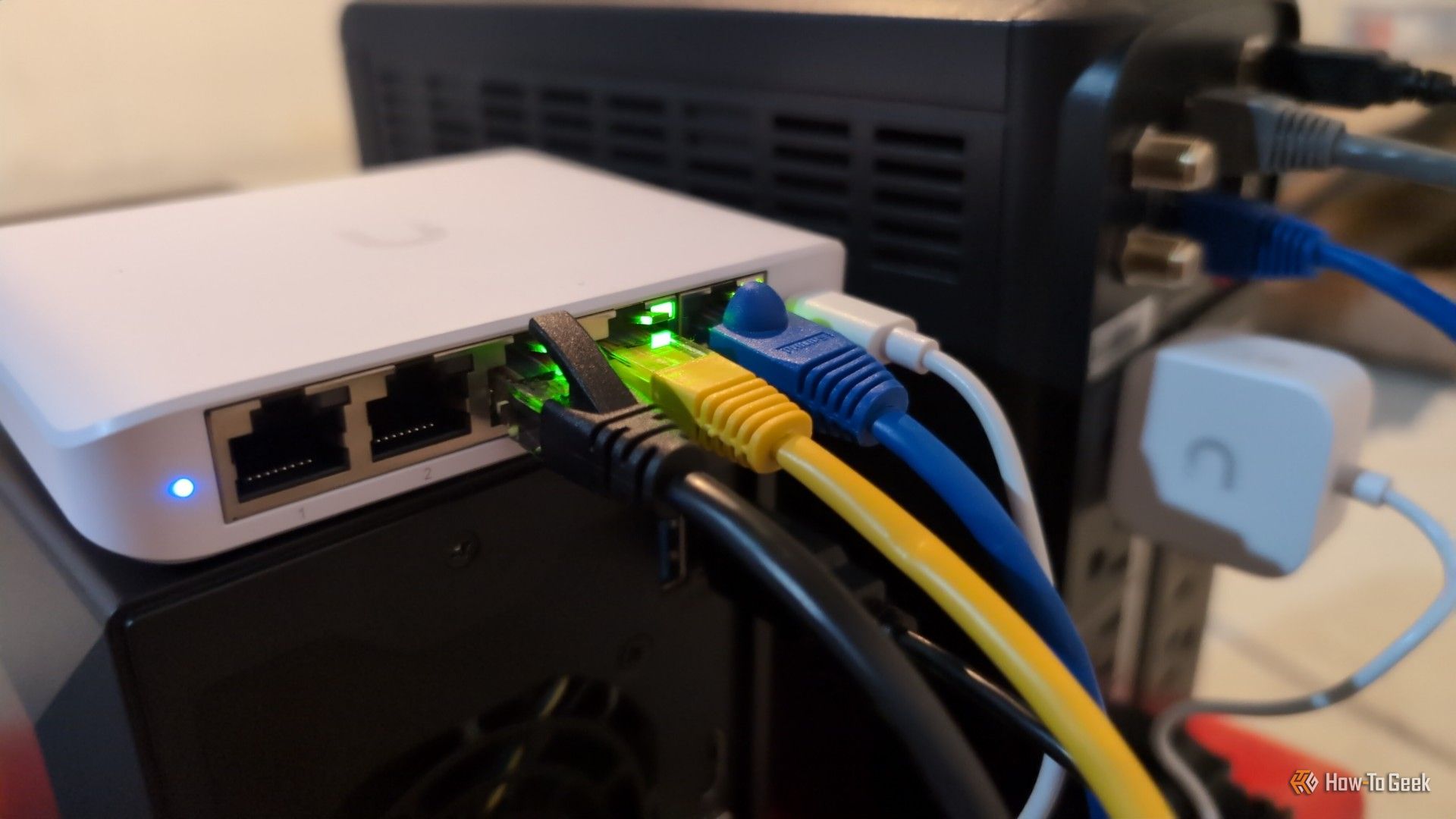
Learn how to securely access your home server and other devices remotely without using dangerous port forwarding. This guide explains the risks of open ports and provides step-by-step instructions on utilizing safer VPNs and overlay networks like Tailscale for robust home network security.

Apple products are known for their premium prices, and unfortunately, many popular devices just became even more expensive. On June 25, 2026, Apple officially increased prices on a range of its Macs, MacBooks, iPads,

Signal President Meredith Whittaker warns that AI chatbots "are not your friends," lacking consciousness or sentience, and pose significant privacy risks. She critiques the vision of deeply integrated AI assistants, arguing their need for pervasive personal data access constitutes a "backdoor" for secure platforms like Signal.

Pool, a new AI-powered iOS app, transforms cluttered camera rolls into organized, actionable archives by categorizing screenshots and linking them to original sources. Developed by Maxime Junique and Piet Terheyden, the app uses advanced AI to help users rediscover forgotten information, from recipes to product recommendations. Having secured over $2 million in pre-seed funding, Pool is also planning a future agentic AI personal assistant app.

President Trump has signed an executive order creating a voluntary framework for AI companies to share advanced models with the federal government before release. This initiative aims to bolster secure innovation and protect critical infrastructure, reflecting a shift from the administration's previous hands-off approach to AI safety. Companies opting for pre-release review may receive confidentiality protections.

ZeroDrift, an AI compliance startup, has secured $10 million in seed funding from investors like a16z Speedrun. The company's service acts as a crucial intermediary, detecting compliance violations in AI-generated messages and rewriting them to meet regulatory standards like SOC 2 and GDPR. This rapid, oversubscribed funding round highlights the urgent demand for robust AI governance solutions as businesses scale AI adoption.

This guide demonstrates how to self-host an S3-compatible object store using MinIO on your staging server. By leveraging Docker Compose and Traefik for HTTPS, you can significantly reduce cloud storage costs while maintaining a production-like environment for development and testing. It covers setup, application configuration, and secure file interactions.

Cognition, the AI coding agent startup behind Devin, secured $1 billion at a $26 billion valuation this week. Despite this, CEO Scott Wu insists AI agents shouldn't replace humans, aiming for augmentation to free programmers from tedious tasks. Wu envisions Devin as a "buddy" that enhances creativity, even as it handles 89% of Cognition's internal code.

Discovering an incredible deal on a premium fitness device can elevate your training and outdoor adventures. Right now, the highly acclaimed Garmin Epix Pro (Gen 2) smartwatch is available at a record-low price, making

The United States government's substantial $2 billion investment in quantum computing, highlighted by the creation of the Anderon quantum foundry, represents a bold move to secure a leading position in this

Don't waste time on problematic Linux distributions. This guide outlines 6 critical red flags to identify before installation, helping you choose a stable, secure, and well-maintained system from the start.

Learn how to evaluate if the nearly half-off Google Pixel 9 deal is right for you, understand its key features, and what to consider before purchasing this unlocked device with long-term support.
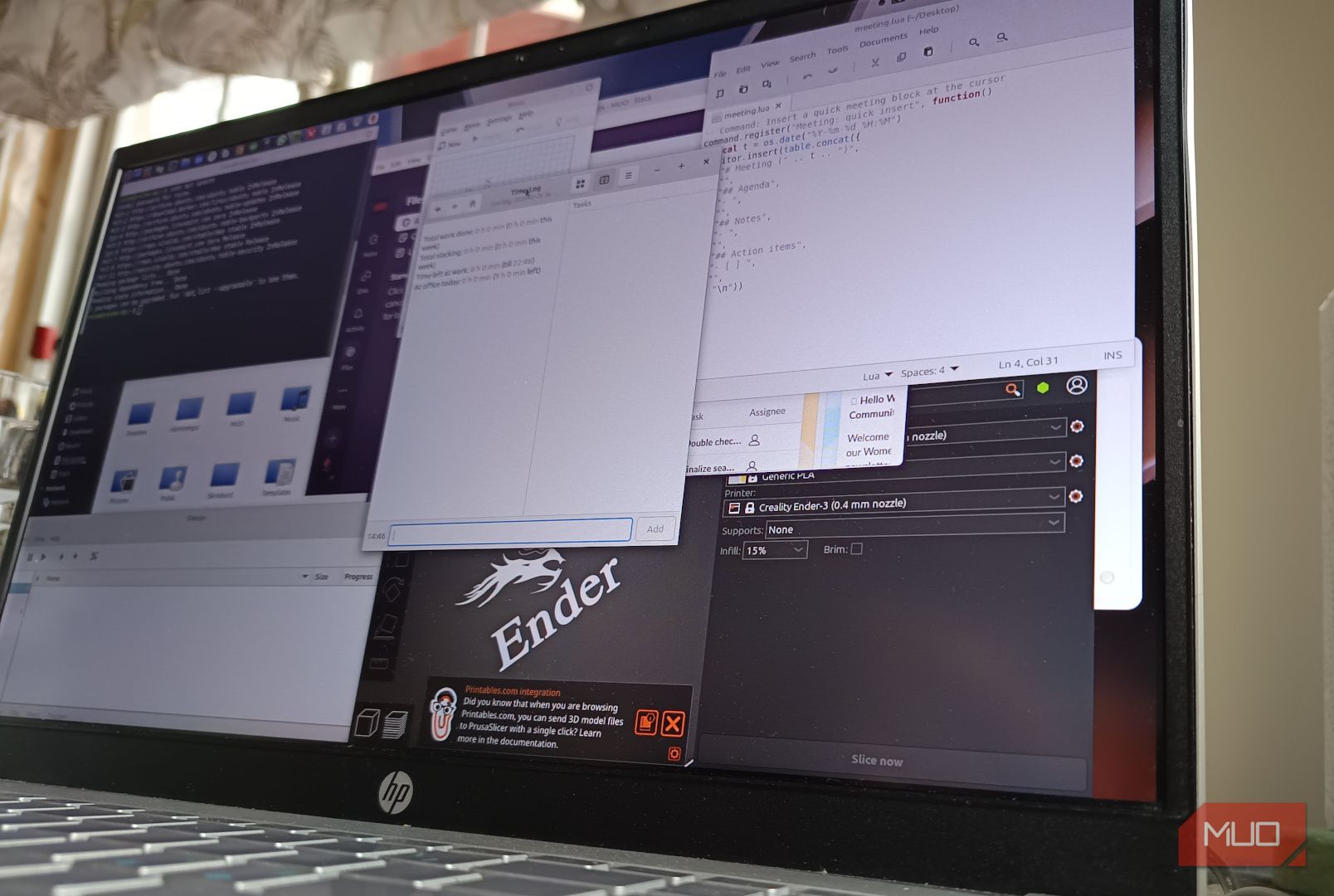
Learn to build your own private cloud workspace with KASM Workspaces in a few easy steps, leveraging Ubuntu Server, a custom domain, and Let's Encrypt for a secure, browser-based remote access solution.

Learn to establish robust AI agent governance in six stages, from discovery to compliance, protecting your organization before agents reshape your security policies.
