
TP-Link Roam 7 review: Secure Wi-Fi 7 on the go
TP-Link Roam 7 review: This travel router securely transforms public Wi-Fi into a private network with fast dual-band Wi-Fi 7, versatile modes, and VPN support. Great value for secure, multi-device connectivity on the go.
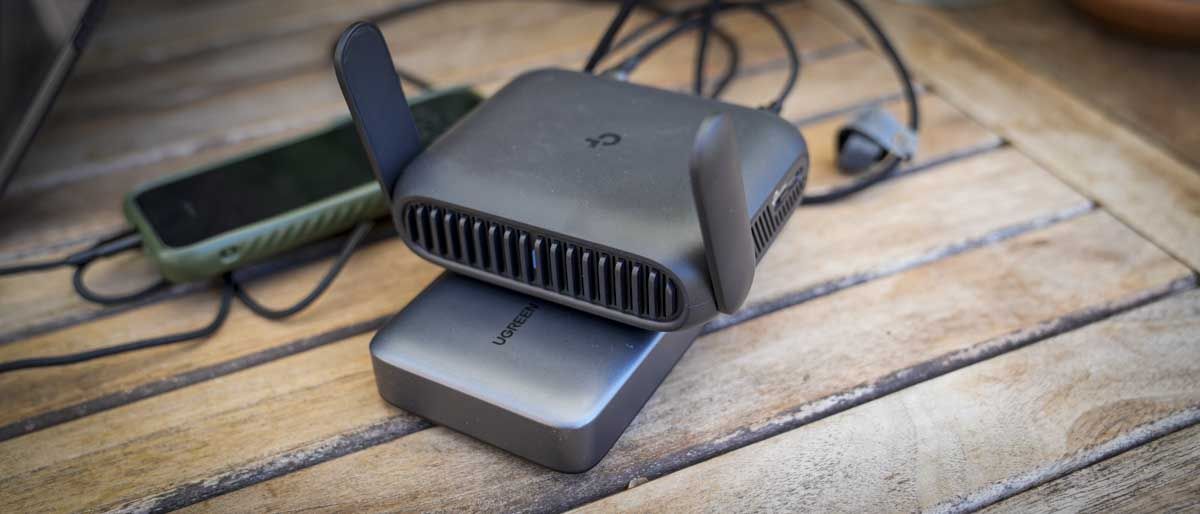
For anyone constantly on the move, a reliable and secure internet connection isn't just a luxury, it's a necessity. Public Wi-Fi, while convenient, often comes with inherent security risks. The TP-Link Roam 7 travel router aims to solve this dilemma, transforming potentially vulnerable public networks into your own secure, private hotspot. I put this compact device to the test at a bustling local café, observing its capacity to deliver on its promises.
TechRadar Verdict
The TP-Link Roam 7 is a standout travel router. It adeptly converts various internet sources – public Wi-Fi, hotel Ethernet, or even your phone's cellular connection – into a private, secure network. This means you can keep all your devices logged into one consistent network while traveling, eliminating the hassle of reconnecting repeatedly. Despite its lack of an internal SIM or battery (which keeps its price down compared to mobile routers), it offers an impressive array of features, including fast dual-band Wi-Fi 7 and robust VPN protection, all at a competitive price. While it demands external power and an internet source, its advanced networking capabilities and security features make it an excellent solution for business users and privacy-conscious travelers alike.
Price and Availability
The TP-Link Roam 7 is available for around $139 / £99 directly from TP-Link and major online retailers. At the time of this review, it was spotted at even lower prices, making its Wi-Fi 7 and extensive feature set an exceptional value proposition.
Design and User Experience
The Roam 7 boasts a practical and portable design. Measuring 126 x 93.5 x 36mm and weighing approximately 250g, this compact black box slips easily into any travel bag. It features a large vented front for heat dissipation and two aerials that fold flat against the sides during transport, enhancing its travel-friendliness.
A crucial aspect of its design is its reliance on external power. Unlike mobile routers with built-in batteries, the Roam 7 powers via USB-C (a 5V/3A AC adapter is included), offering flexibility to use it with wall outlets or portable power banks. For internet connectivity, it’s equally versatile. The rear panel houses a 2.5Gbps WAN port, a 1Gbps LAN port, and a USB-A 3.0 port for phone tethering or connecting a USB modem. This means it can draw internet from wired connections, public Wi-Fi networks (acting as a pass-through), or even your smartphone’s cellular data.
Operation is straightforward. A simple status LED on the front indicates activity. A customizable button on the side can be configured to control power, the LED, or toggle the VPN connection, a thoughtful touch for quick access to security. While a carry case would have been a nice addition, the included essential cables ensure you’re ready to connect right out of the box. Its build feels solid, capable of withstanding the rigors of travel.
Features and Functionality
The Roam 7 distinguishes itself with a robust feature set. It supports dual-band Wi-Fi 7 (BE3600), incorporating Multi-Link Operation (MLO) and 4K-QAM for optimized performance across its four wireless streams. It’s rated for 2,882 Mbps on 5GHz and 688 Mbps on 2.4GHz. It’s important to note that this is a dual-band Wi-Fi 7 implementation, meaning it does not include the 6GHz band.
This router offers seven versatile operating modes: a standard router, hotspot (WISP), USB tethering (for phones or modems), access point, range extender, and client. Switching between these modes via the web interface typically takes 45-50 seconds, though USB tethering to an iPhone could occasionally extend this to a minute, while Android devices connected faster.
A standout feature is Failover, which allows the Roam 7 to connect to multiple internet sources simultaneously (e.g., a mobile router and a tethered phone). If one connection degrades, the router automatically switches to the stronger one, ensuring uninterrupted connectivity – a game-changer for unreliable public networks.
Security is paramount, with built-in VPN support for major protocols like OpenVPN, WireGuard, PPTP, and L2TP, functioning as both client and server. The ability to use the side button for quick VPN activation is a practical benefit for securing sensitive online activities.
Management is flexible, catering to different user preferences. The Tether mobile app offers easy setup via a QR code and access to common settings. For advanced users, the Web Admin interface (192.168.0.1) provides comprehensive control, including primary and guest network management, client assignment to specific bands, MLO configuration, and live monitoring of CPU and memory load. This dual approach ensures both casual and power users can manage their network effectively.
Despite its capabilities, the Roam 7 is power-efficient, drawing less than 4W. TP-Link offers three power modes (Boost, Balance, Eco) to manage performance, heat, and power draw, useful when operating on a power bank. Additionally, HomeShield provides network scanning, parental controls, and QoS features. While basic HomeShield functions are free, more advanced options require a paid subscription.
Performance
My practical testing at a busy café revealed the Roam 7's real-world efficacy. Initial setup was quick, completing in 2-3 minutes from unboxing to online with a MacBook Air M3, including connecting to the café’s Wi-Fi and enabling the VPN.
Key benchmarks:
- Boot time: 1 minute 52 seconds (plus ~1 min to connect client).
- Mode switching time: 45 seconds (up to 1 minute for iPhone USB tethering).
- Power consumption (3 clients): 3.8W.
- Router load (3 devices): CPU 40-60%, memory ~50% (stable even with more devices).
Throughput tests, measured through the router on the café’s public Wi-Fi, demonstrated its capacity to create a stable private network. While a single device saw 87.3Mbps down / 98.5Mbps up, the combined download speed for three devices eventually surpassed this at 103.9 Mbps down as the café filled up and public network conditions fluctuated. This highlights the Roam 7's intelligent management and the benefit of its Failover feature, maintaining a consistent experience even when the underlying public internet becomes less reliable. Despite its mid-range internal hardware, it effectively handled multiple connections and VPN usage, proving capable for typical travel demands.
Final Verdict
Overall, the TP-Link Roam 7 is an exceptional travel router offering significant value. Its ability to create a secure, private Wi-Fi 7 network from almost any available internet source is highly beneficial for travelers juggling multiple devices. The convenience of connecting once to the Roam 7 and having all your gadgets seamlessly online, coupled with robust VPN protection, makes it a compelling choice for security-conscious individuals and business professionals.
While it does require external power and an internet connection (distinguishing it from more expensive, battery-equipped mobile routers), this design choice contributes to its attractive price point. The blend of advanced features like Failover, versatile operating modes, and intuitive dual management interfaces outweighs minor considerations like the lack of a 6GHz band or premium accessories. For those seeking a reliable, secure, and feature-rich travel networking solution without breaking the bank, the Roam 7 comes highly recommended.
FAQ
Q: Does the TP-Link Roam 7 include a built-in battery or SIM card slot?
A: No, the TP-Link Roam 7 does not have an internal battery or a SIM card slot. It requires external power via USB-C and relies on external internet sources like public Wi-Fi, Ethernet, or USB tethering from a phone/modem.
Q: Can I use the TP-Link Roam 7 to improve security on public Wi-Fi networks?
A: Absolutely. One of the Roam 7's primary functions is to create a secure, private Wi-Fi network from a public connection. It includes built-in VPN support (client and server for various protocols) and basic HomeShield security features, helping protect your devices while using unsecured public Wi-Fi.
Q: Is the setup process for the Roam 7 complicated?
A: The initial setup is quite straightforward. You can use the TP-Link Tether mobile app, which allows for quick setup via a QR code. For more advanced configurations and detailed control, a comprehensive web administration interface is also available.
Related articles
Android 17 QPR2 Beta 7.1: The Performance Relief You've Been Waiting
Android 17 QPR2 Beta 7.1: Finally Fixing the QPR1 Performance Woes Verdict: Android 17 QPR2 Beta 7.1 is a crucial and highly anticipated software update for Google Pixel users, specifically targeting and resolving the

DJI Solo Video Setups: Smart Choices for Lone Creators
This review delves into DJI's recommended solo video setups, highlighting the Osmo Pocket 3 Creator Combo as a top pick for its integrated camera, gimbal, and mic. It also covers stabilizers like the Osmo Mobile 8 and RS 4, and the DJI Mic Mini series for enhanced audio, providing honest pros, cons, and clear buying advice.

Ars Technica's Rocket Report: Your Essential Space Industry Briefing
Quick Verdict Ars Technica's Rocket Report, presented by veteran space reporter Stephen Clark, offers an invaluable and meticulously organized weekly (or similar frequency, implied by "Edition 9.15") digest of the most

Apple iPhone Duo: A Daring Debut with Notable Compromises
Apple's highly anticipated iPhone Duo, priced at $2,000, has gone on pre-order. While hailed as "Apple's most exciting device in a decade" for its innovative foldable design and immersive display, it comes with significant drawbacks like the absence of FaceID and a premium camera.
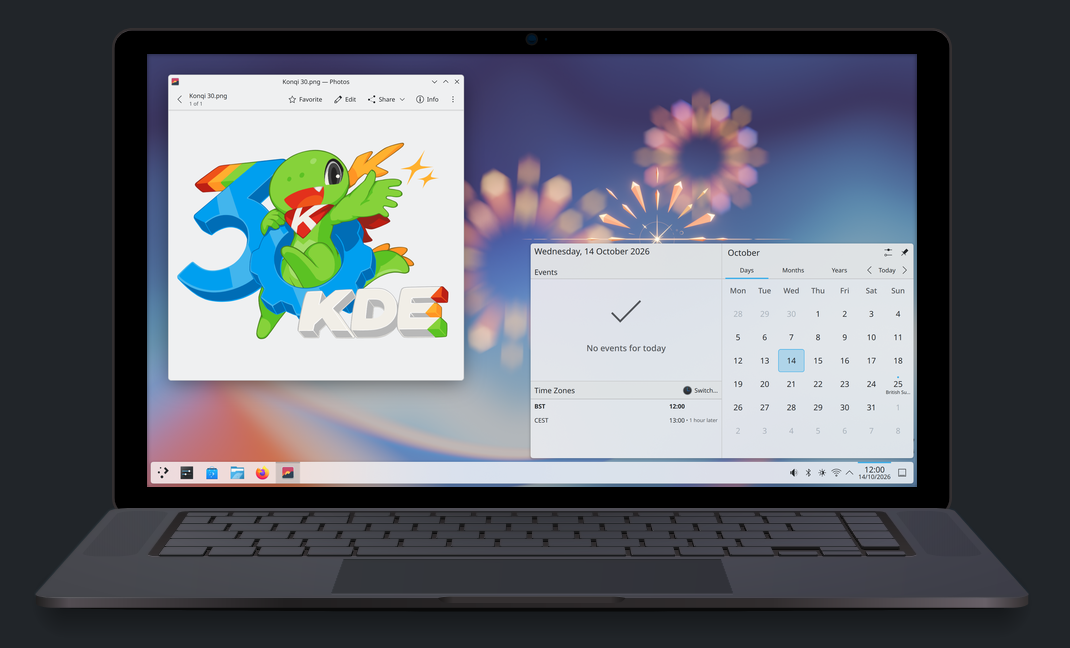
KDE Plasma 6.8: A Future-Focused 30th Anniversary Update
Quick Verdict KDE Plasma 6.8, arriving as the "30th Anniversary Edition," is a pivotal release that decisively pushes the desktop environment into the future. With a definitive farewell to native X11 sessions and a

regional: A two-person Seattle startup lands $1M to reinvent
Seattle startup TriMagnetix has secured $1 million to develop semiconductor chips that consume 800 times less energy and are radiation-resistant. The two-person company, leveraging nanomagnetic technology, is targeting space applications and data centers. With new funding and key partnerships, TriMagnetix aims for commercial sales within a year.