54 results found

Seattle startup TriMagnetix has secured $1 million to develop semiconductor chips that consume 800 times less energy and are radiation-resistant. The two-person company, leveraging nanomagnetic technology, is targeting space applications and data centers. With new funding and key partnerships, TriMagnetix aims for commercial sales within a year.

Nvidia has reportedly halted production of the GeForce RTX 5090, with leaked factory notices suggesting its core chip will be repurposed for AI and data center cards. This move positions the RTX 5080 24GB as the new flagship gaming GPU in the 50-series. The decision is linked to an industry-wide memory shortage, heavily influenced by surging AI demand, impacting consumer tech across the board.
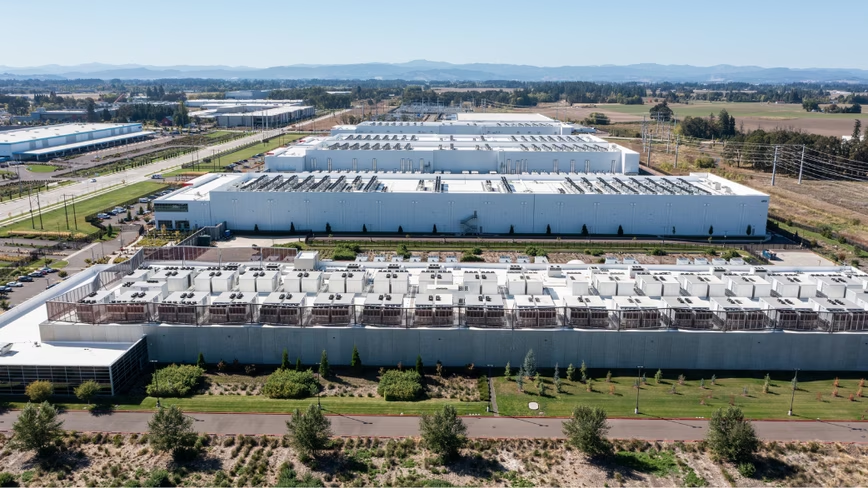
Litigation firm Quinn Emanuel warns of potential lawsuits stemming from the AI data center debt boom, citing rapid AI chip depreciation and interconnected financing risks. A client alert names Google, Meta, CoreWeave, and Oracle deals as flashpoints, highlighting concerns over off-balance-sheet debt.

Data center projects established in rural areas across the United States are set to receive significant federal tax benefits starting next year, under the provisions of the newly enacted One Big Beautiful Bill Act. This

Amazon has announced it will no longer use nondisclosure agreements (NDAs) with county officials for its data center projects. This policy reversal, revealed by CEO Matt Garman, addresses widespread community backlash and a surge in legislative efforts targeting the secrecy of data center developments. The company also pledged a $1 billion investment in data center communities over five years, focusing on education, workforce training, and energy efficiency.
Microsoft's "Good Neighbor" Promise: Under Scrutiny in Data Center Debate Verdict: Microsoft's ambitious claims of being a "good neighbor" in communities hosting its data centers are facing significant challenges, with
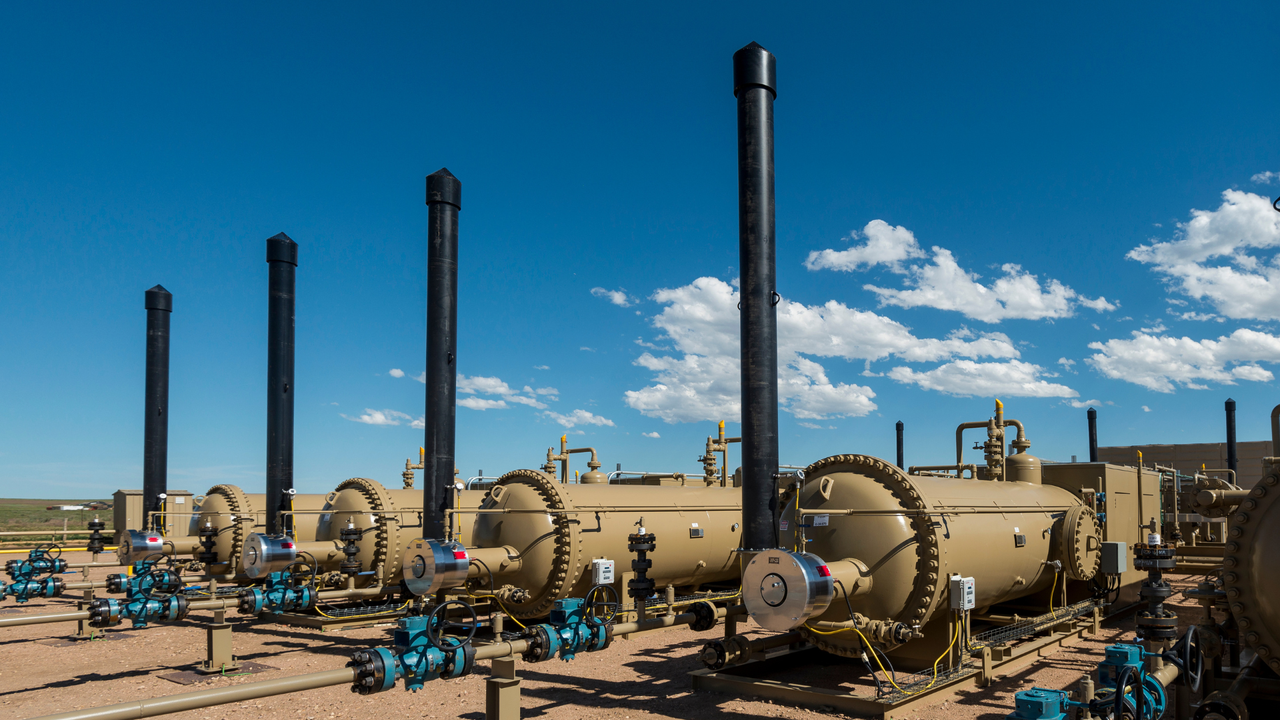
An in-depth analysis of US AI data centers' projected natural gas consumption, set to become the world's fifth-largest by 2035, highlighting environmental, economic, and infrastructure challenges.

Nscale, the U.K.-based AI data center startup, has appointed former OpenAI, Meta, and Instacart executive Fidji Simo to its board of directors. This high-profile addition comes as Nscale prepares for a potential IPO this fall, leveraging Simo's extensive experience in scaling major tech platforms and guiding a company through a successful public offering.
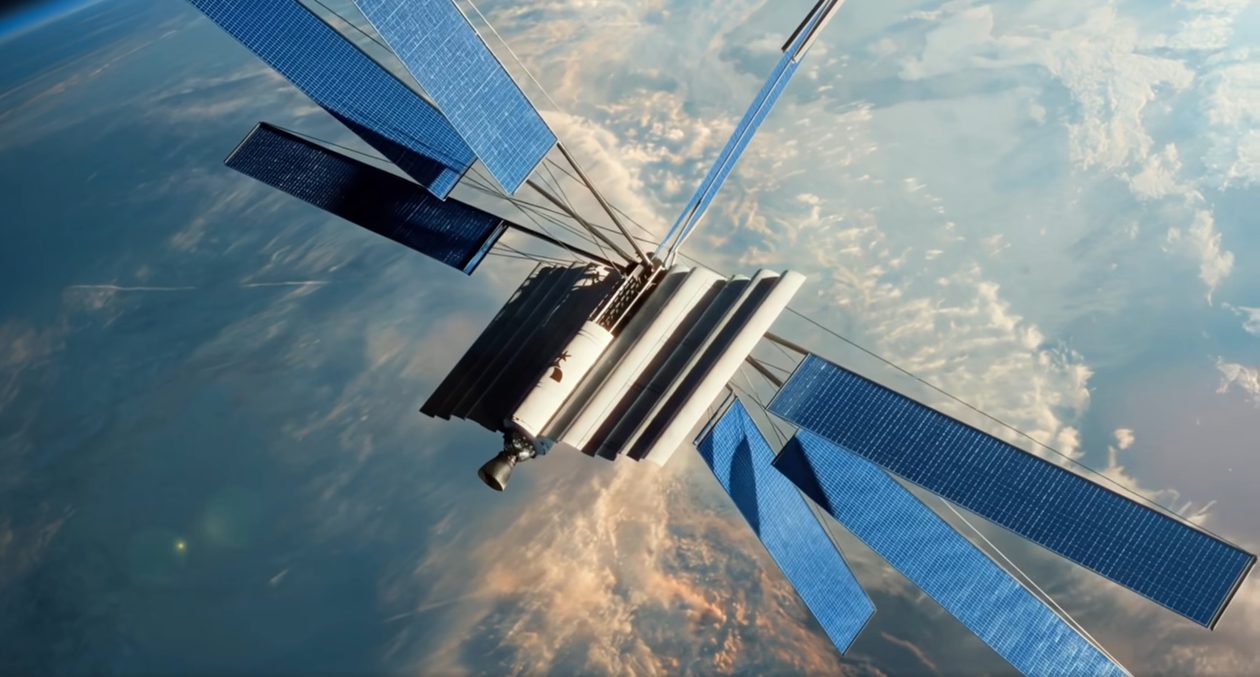
California-based Cowboy Space has leased a massive 291,035-square-foot facility in Kent, Washington, to produce hardware for its planned orbital AI data centers. This is the largest industrial lease in the Puget Sound region this year and is expected to create 300 jobs, advancing the company's goal of launching its Stampede constellation by 2028.

Elon Musk's SpaceX is building a secret Texas foundry to produce gas turbine blades, aiming to accelerate AI data center power by 18 months. This addresses a critical energy bottleneck, but faces environmental backlash over pollution and health risks from gas turbines.
Verdict: A Transformative, Yet Troubling, Push Meta's ambitious move to integrate robots into its data centers marks a significant step towards automating the backbone of the digital world. While promising efficiencies,
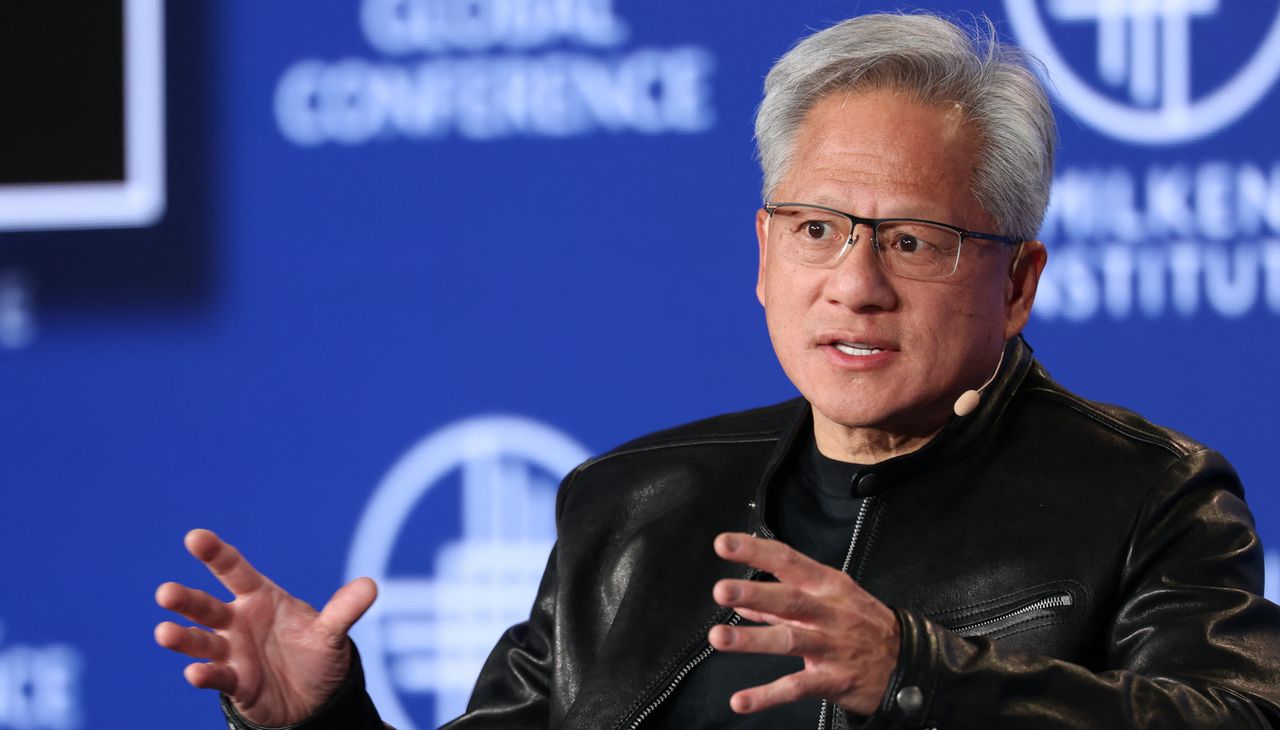
Nvidia's plan to establish an employee-funded Political Action Committee (NVPAC) signals a deepening involvement of tech companies in US policy, aiming to influence legislation particularly concerning the future of AI and data center development amidst public opposition.

Nvidia is extending its AI dominance beyond GPUs, focusing on system-level data orchestration within massive data centers. Post-earnings, the company's Vera Rubin architecture, including the Vera CPU, is proving crucial for efficient data management, optimizing performance and energy use. This shift towards smarter data traffic control marks a new competitive front in AI infrastructure, where Nvidia currently holds a commanding lead.

A Washington Post analysis reveals a dramatic shift as Republican politicians turned sharply negative on data centers in the past six months, moving from advocates to critics. This change aligns with growing public concerns over environmental impact, job creation, and political motivations, potentially reshaping the future of tech infrastructure development.
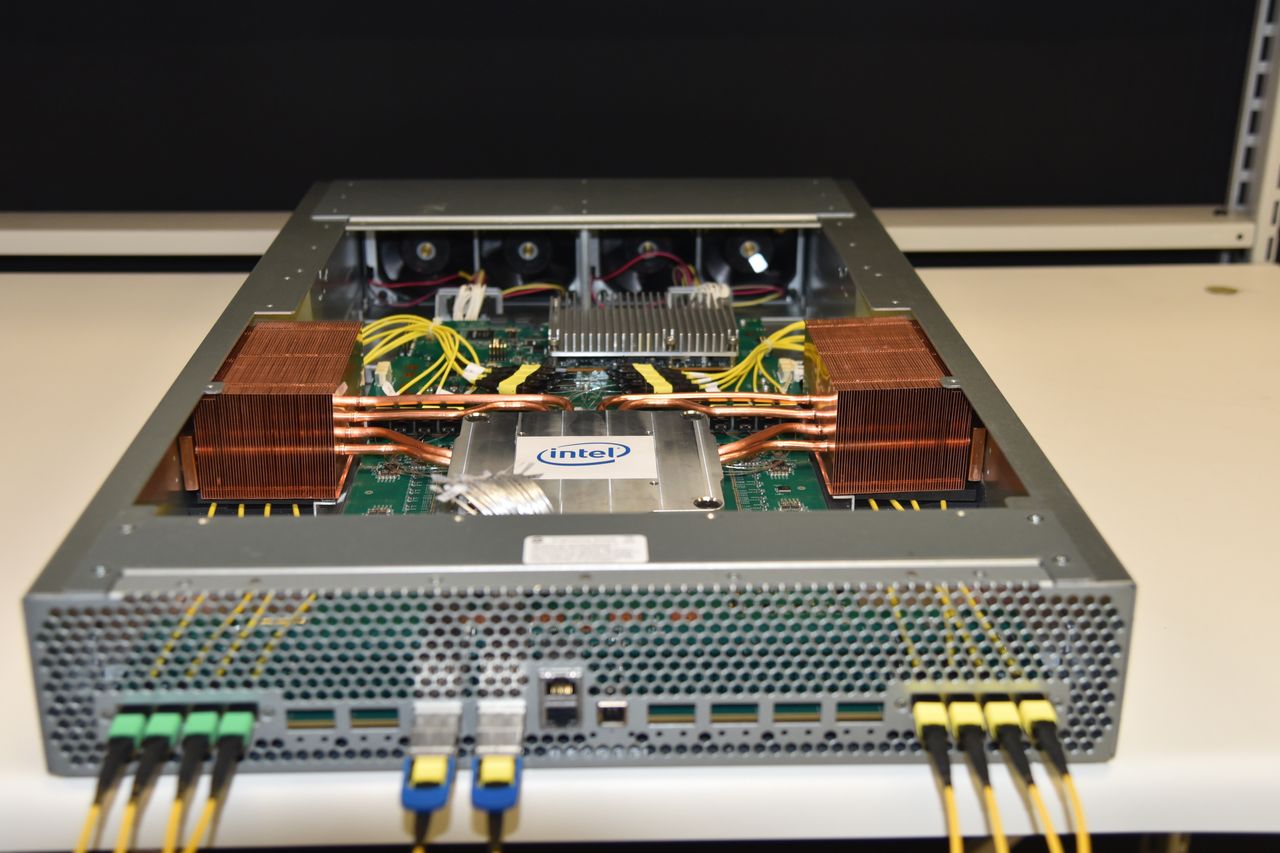
New projections reveal the AI data center optical interconnect market is set for explosive growth, soaring to $144 billion by 2030. Silicon photonics and co-packaged optics are poised to dominate this critical shift, replacing copper for next-gen AI workloads.

Amazon's new West Texas data center is set to be powered by the GW Ranch, a natural gas plant permitted to emit up to 33 million tons of CO2 annually. This could make it the country's worst polluting power plant, directly challenging Amazon's climate pledges amidst the skyrocketing energy demands of AI data centers.

Quick Verdict Texas consumers are facing a stark reality: while electricity and water bills currently sit below the national average, they are escalating at an alarming rate, significantly outpacing inflation.

AMD's Q2 2026 earnings reveal a booming data center business, with revenue soaring to $6.7 billion, more than doubling year-over-year due to intense AI demand. While overall company revenue hit a record $11.5 billion, the gaming segment faced a 31 percent decline, impacted by increased component costs and higher graphics card prices.
Quick Verdict Nvidia's potential $250 billion financing for OpenAI's massive 10-gigawatt Ohio data center is a monumental move, signaling a profound shift in AI infrastructure. While promising OpenAI greater autonomy

Google's VP of Devices and Services, Shakil Barkat, all but confirmed an upcoming price increase for the Pixel 11, citing the global RAM shortage exacerbated by AI data center demand. The move follows similar price hikes from other tech giants. The Pixel 11 is rumored to cost $899 for the base model with 256GB storage, with an official announcement set for August 12th.

A fallen power line in Northern Virginia exposed a critical flaw in the interaction between AI data centers and the electrical grid. Over 3 gigawatts of data center load disconnected simultaneously, causing a widespread voltage spike. Experts warn this is a growing problem that demands urgent solutions like intelligent power management and regulatory mandates to prevent future, more severe grid disruptions.

Data centers are sparking widespread, bipartisan anger across the US as communities unite against their expansion. Residents, like Kyle Schmidt in Oklahoma, cite a lack of transparency, environmental concerns, and fears over water supply and utility costs as key grievances. This "shared hatred" reflects a feeling of being ignored by powerful tech companies and political entities.
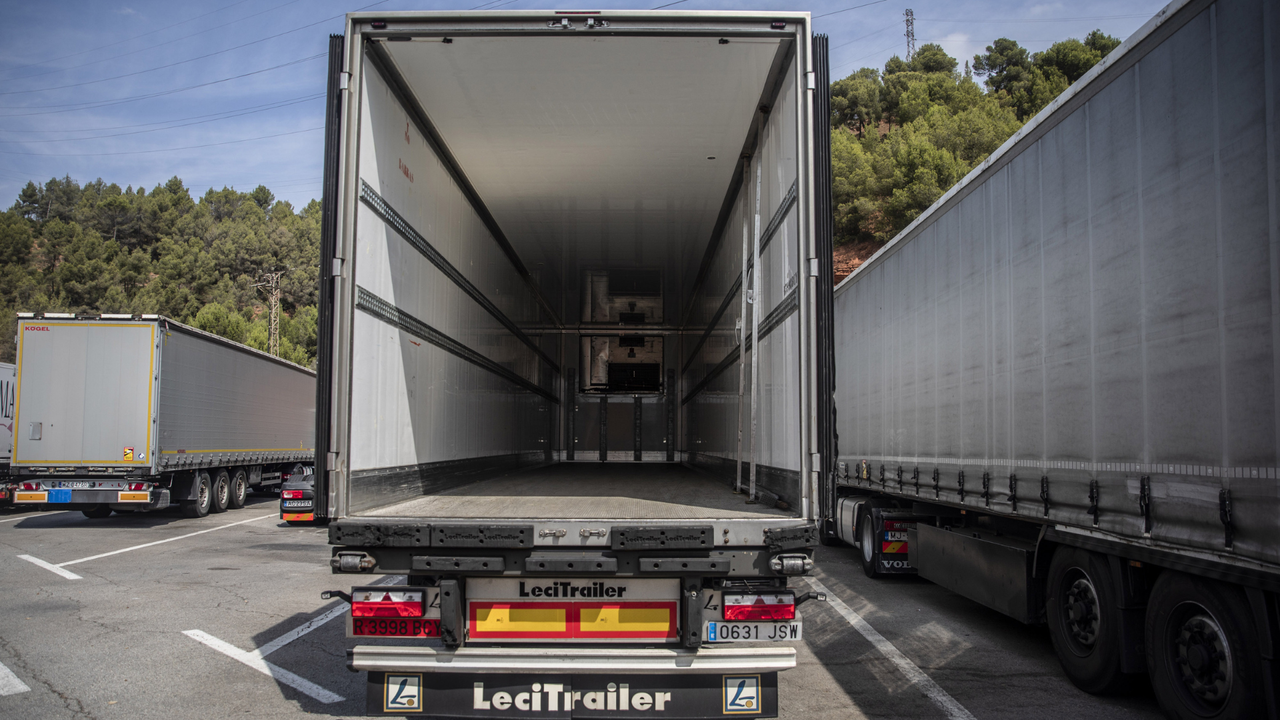
Cargo thefts targeting AI data center components, including copper wire and specialized equipment, highlight escalating supply chain risks. While $1.3 million was recovered near Chicago, these incidents underscore the lucrative, yet challenging, market for stolen high-tech gear.

Microsoft has dramatically cut water consumption in its data centers by 90% since its earliest facilities, achieving a 0.27 liters per kilowatt-hour rate last year. The company also announced it is globally water positive for the first time, replenishing more water than it withdraws. These efforts come as public concern grows over data center environmental impacts, leading to similar initiatives from Amazon and Google.
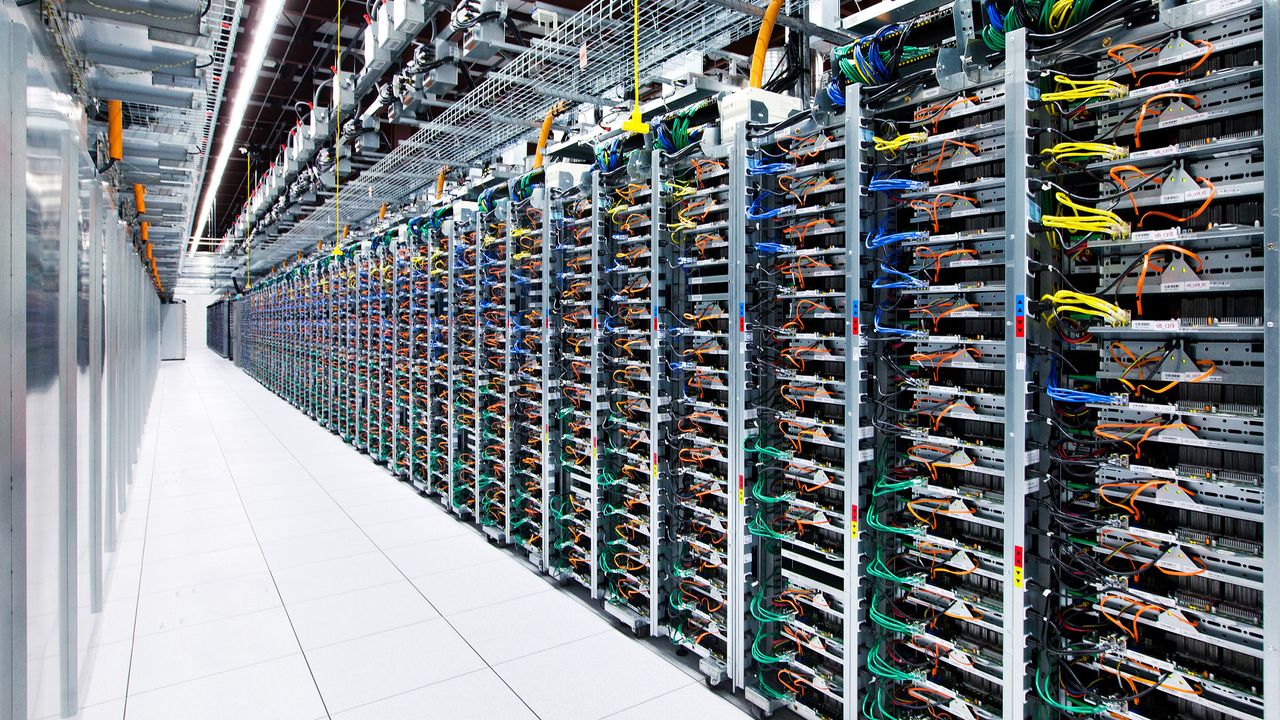
Quick Verdict: The Data Center's New Powerhouses The server market is undergoing a seismic transformation, with Arm-based processors and GPU-accelerated systems rapidly rewriting the rules. Our latest analysis from
