12 results found

Uber has significantly deepened its investment in India’s burgeoning ride-hailing ecosystem, announcing a $10 million Series B funding round into Carrum Mobility, an Indian fleet management startup. The move, disclosed

Electric Air Taxis review: An honest look at eVTOLs, their promising future for urban air mobility, and the regulatory, infrastructural, and technological hurdles before widespread adoption.

Ukraine's MUL.E electric motorcycle redefines frontline mobility and support. Cleared for service, it offers stealthy transport, minefield navigation, and acts as a mobile power station for critical equipment like drones. Our review dives into its innovative design and strategic advantages.

Veo has launched accessibility-focused electric tricycles in Denver, with plans for nationwide expansion. This move aims to diversify shared micromobility options beyond traditional bikes and scooters, offering a more stable alternative for urban transportation. The introduction of e-trikes could significantly impact how cities approach last-mile solutions.

Uber and Waymo are locked in a contentious battle over proposed robotaxi regulations in Washington D.C., with Uber pushing a "hybrid" model to protect human drivers and Waymo poised to gain a market advantage under the current bill. This regulatory clash highlights broader industry debates over autonomous vehicle deployment and market control. Simultaneously, Uber is expanding its global delivery presence with a $14.8 billion acquisition of Delivery Hero, while other mobility startups secure significant funding.
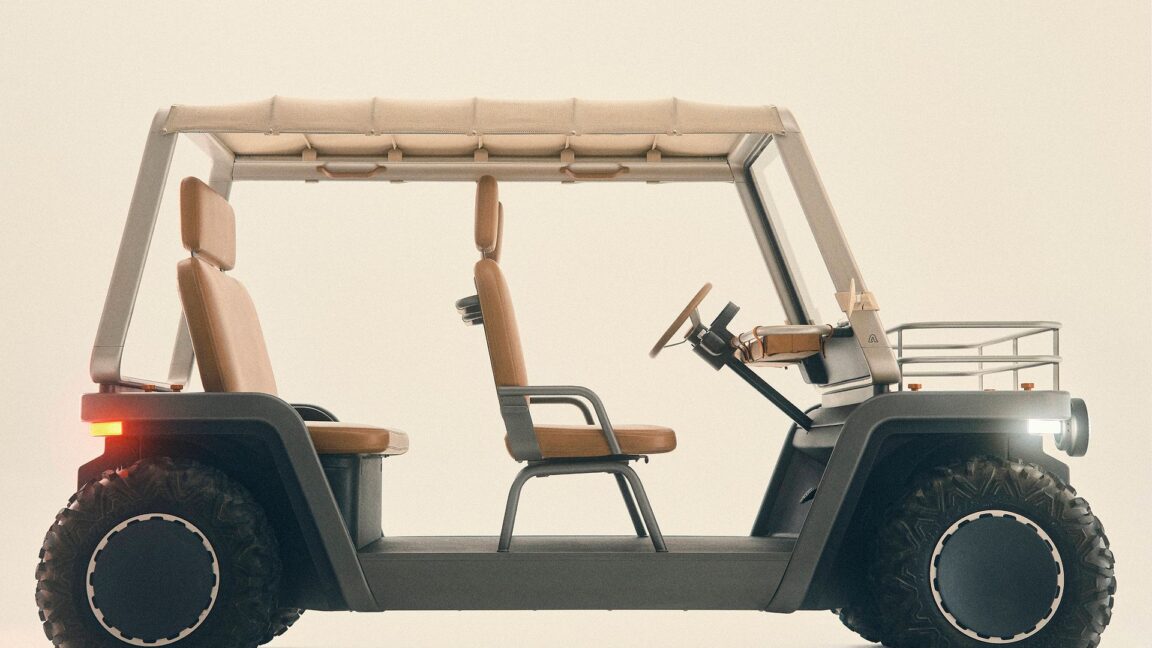
Quick Verdict The Amble One emerges as a refreshing take on lightweight electric mobility, blending design pedigree from Apple and Audi with the utilitarian charm of a moon buggy. Priced at an accessible $25,000, this

Chinese company Yueban has unveiled Xiaoban, an autonomous, self-driving toilet designed to enhance accessibility for individuals with mobility issues. Featuring lidar navigation, a built-in bidet, self-cleaning, and automated waste disposal, it seeks to bring personal hygiene solutions directly to the user.
Joby Aviation recently demonstrated its electric air taxi with a pilot-only flight from JFK to Manhattan, showcasing a potential 10-minute commute. Part of a federal initiative, this event highlights the future of urban air mobility. However, routine passenger flights are years away, pending arduous federal approvals and overcoming skepticism about cost and widespread utility.

Toyota's Woven City: A $10 Billion Utopia or Privacy Paradox? Verdict: Toyota's Woven City is an ambitious, multi-billion-dollar experiment positioning the automotive giant as a leader in future mobility and smart urban

Uber is significantly boosting its autonomous vehicle strategy with a $300 million investment in Rivian, securing 10,000 R2 robotaxis for a 2028 rollout in San Francisco and Miami. This unique partnership places development risks on Rivian as it builds both the vehicle and the self-driving system. The move reflects Uber's broader shift to a global, partner-centric approach to AVs after divesting its in-house unit.

Uber founder Travis Kalanick has officially launched Atoms, a robotics company that operated in stealth for eight years. Atoms, formerly City Storage Systems and known for CloudKitchens, focuses on "gainfully employed robots"—specialized, wheeled industrial machines for sectors like food service and mining, built on a standardized mobility platform. Kalanick aims to digitize the physical world at an industrial scale.

Redmond, Wash. has launched RedLink, a free, on-demand, all-electric shuttle service designed to connect residents and visitors to the light rail. Operated via the Circuit app, the pilot program aims to improve local mobility and offer sustainable transportation within specific Redmond neighborhoods, particularly important as the light rail expands to Seattle. This initiative seeks to reduce personal vehicle usage for transit access.
