
Microsoft Unveils ASSERT, Simplifying AI Behavior Testing with Text
Microsoft has launched ASSERT, an open-source framework designed to simplify AI behavior testing. It enables developers to create comprehensive, application-specific evaluations using natural language descriptions, ensuring AI systems act as intended for particular products and services. The tool translates high-level goals into structured tests, generates scenarios, scores results, and logs execution paths.

On June 2, 2026, Microsoft unveiled a new open-source framework called ASSERT, an acronym for Adaptive Spec-driven Scoring for Evaluation and Regression Testing. This innovative tool aims to streamline how developers validate the intended behavior of their AI systems, allowing them to create comprehensive tests using simple, natural language descriptions. ASSERT addresses a growing need in the AI industry to move beyond general evaluations and ensure AI models perform reliably and ethically within the specific context of an application or service.
Bridging the Gap in AI Evaluation
The core of ASSERT's capability lies in its ability to translate human-readable goals and policies into actionable, scored tests. Developers can articulate high-level descriptions of desired AI behavior, such as specific ethical guidelines or functional requirements, and the framework automatically converts these into a structured format for evaluation. This process involves generating diverse problem scenarios and test cases, running them against the target AI system, and then assigning scores based on adherence to the defined rules.
A critical feature is ASSERT's capacity to record the AI system's execution path, including intermediate actions and any tool calls it makes. This detailed logging is invaluable for developers, providing clear insights into exactly where and why a system might deviate from its intended behavior. Furthermore, developers can enrich these evaluations by providing additional context, specifying available tools, or imposing constraints, tailoring the testing environment to their unique application needs.
Application-Specific Trustworthiness
Microsoft highlights that ASSERT fills a crucial void in current AI evaluation methodologies. While broader benchmarks often focus on general safety and compliance, they frequently fall short in assessing how an AI model behaves when integrated into a specific product with unique policies and tools. Sarah Bird, Chief Product Officer of Responsible AI at Microsoft, emphasized this point, stating, "evaluations are absolutely critical to making good decisions," and that "if you really want to have a trustworthy system, you should evaluate many more dimensions that are application-specific."
Consider a practical scenario: a developer building an AI agent for document research within an enterprise. With ASSERT, they could easily define rules like "the AI should not send emails outside the company" or "confidential information must only be shared with C-level executives." The framework would then proactively generate test cases to continuously verify the system's adherence to these precise, application-specific guidelines, ensuring secure and compliant operation.
Continuous Evaluation for Evolving AI Systems
ASSERT is designed for versatility across the entire AI lifecycle. Bird noted that the framework can be deployed during the initial development phase, post-deployment for ongoing validation, and even for continuous monitoring of live AI systems. This continuous evaluation capability is vital as AI models evolve and interact with dynamic real-world environments, helping prevent regressions and maintain performance standards.
The introduction of ASSERT aligns with a broader industry trend toward more robust and repeatable AI testing. Leading organizations and research groups, including Stanford's HELM, MLCommons’ AILuminate, and evaluation initiatives like METR, are increasingly focusing on developing sophisticated benchmarks and methodologies to measure diverse AI behaviors. Microsoft's open-source contribution with ASSERT provides a powerful, accessible tool for developers to contribute to this collective effort, fostering greater reliability and trust in AI applications.
FAQ
Q: What is Microsoft ASSERT?
A: Microsoft ASSERT (Adaptive Spec-driven Scoring for Evaluation and Regression Testing) is an open-source framework that helps developers test the specific behaviors of AI models using natural language descriptions of goals and policies.
Q: How does ASSERT help developers?
A: It simplifies application-specific AI testing by converting plain language into structured tests, generating scenarios, scoring results, and providing detailed logs to pinpoint where failures occur, ensuring AI systems behave as intended for their unique products.
Q: Why is application-specific AI testing important?
A: While general AI evaluations exist, application-specific testing is crucial because it ensures an AI system adheres to the precise context, policies, and tools of a particular product or service, leading to more trustworthy and reliable AI deployments.
Related articles

Tesla Unveils Thruster-Equipped Roadster, 2028 Production Targeted
Tesla has unveiled its second-generation Roadster, featuring cold-gas thrusters co-developed with SpaceX, enabling it to jump and flip. The electric sports car demonstrated 0-60mph in an astonishing 0.81 seconds, with production targeted for 2028. This highly anticipated reveal also serves as a key recruitment tool for Tesla's ambitious AI and robotics initiatives.

AI's Confidence vs. Formal Methods' Rigor: Design Flaws & Verification
While AI accelerates code generation, formal methods remain critical for ensuring system correctness. Languages like TLA+ and tools like Quint enable developers to model and verify system designs before coding, catching subtle flaws. Quint makes formal methods more accessible with developer-friendly syntax and executability. This approach is vital for verifying AI-generated code through trace validation and model-based testing, ensuring reliability against real-world data.

Amazon Prime Video Launches AI-Powered Prime 360 for NBA Coverage
Amazon Prime Video is elevating its NBA coverage with the introduction of Prime 360, an AI-powered replay system offering immersive, 'fly through' views of the action. Kicking off its second season, Prime Video also adds Yahoo fantasy integration and gains exclusive Eastern Conference Finals rights, expanding its tech-driven sports broadcast. The new features aim to deliver a unique and interactive viewing experience for basketball fans.
regional: A two-person Seattle startup lands $1M to reinvent
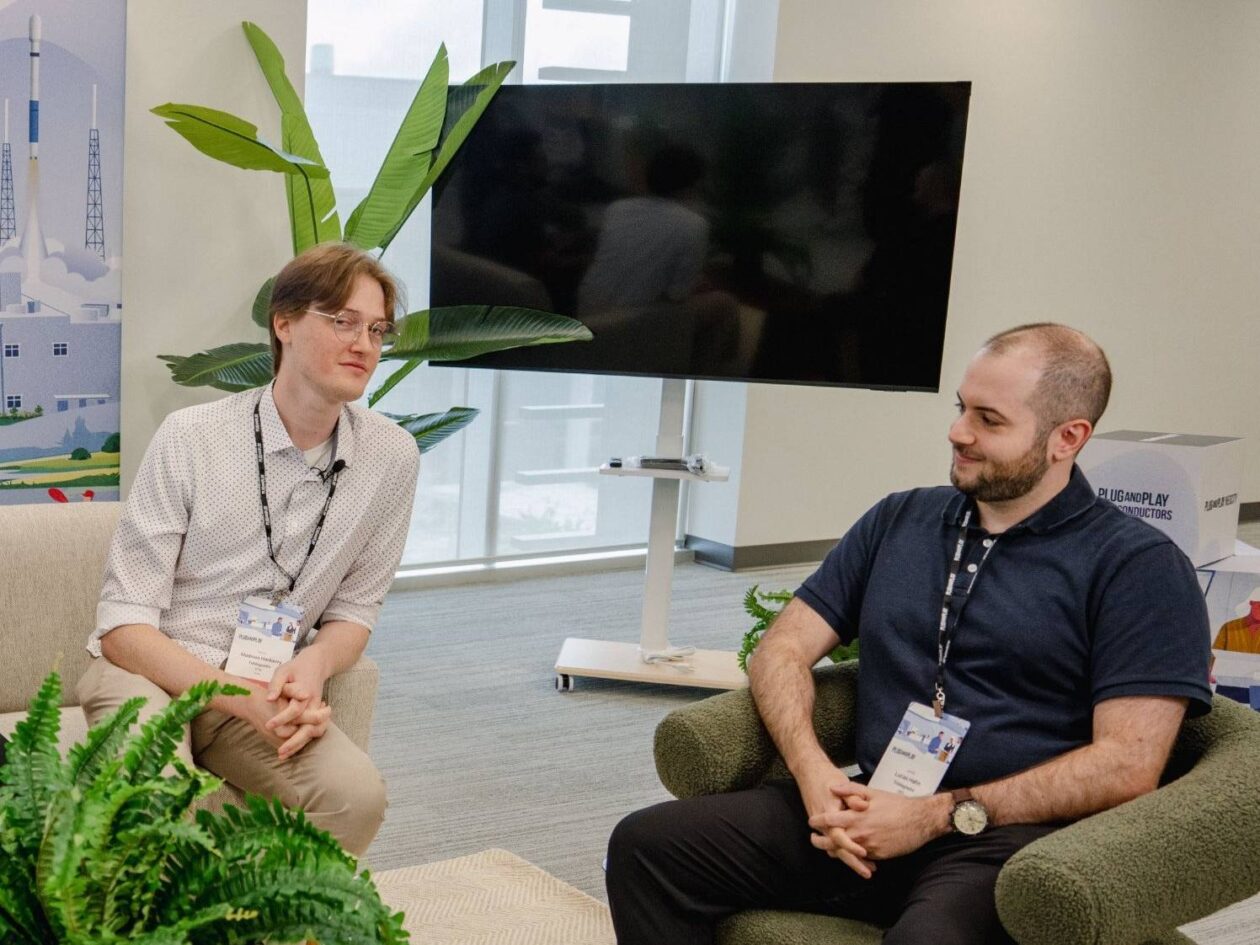
Seattle startup TriMagnetix has secured $1 million to develop semiconductor chips that consume 800 times less energy and are radiation-resistant. The two-person company, leveraging nanomagnetic technology, is targeting space applications and data centers. With new funding and key partnerships, TriMagnetix aims for commercial sales within a year.
%20102026%20top%20art%20SOURCE%20Govee.jpg)
in-depth: The Best Permanent Outdoor Lights (2026): Govee, Eufy
WIRED, a leading voice in technology journalism, has just released its updated guide for 2026 on the best permanent outdoor lights, spotlighting top contenders Govee, Eufy, and Cync. These innovative eave lights are
regional: ‘What is fusion?’ Helion Energy harnesses the power of
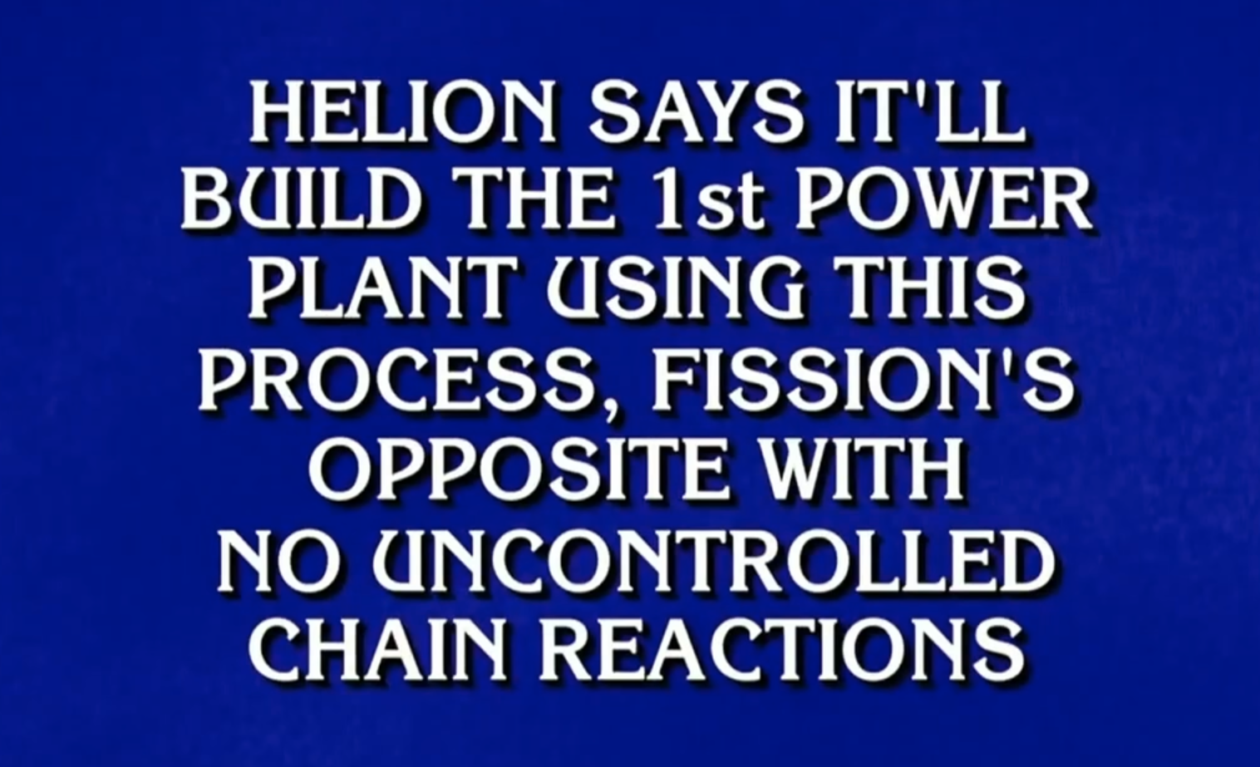
Helion Energy, the Everett-based fusion startup, gained mainstream attention this week after being featured as a clue on the popular game show "Jeopardy!". The $800 clue, part of a "Y Combinator" category, highlighted Helion's mission to build the first fusion power plant, bringing the concept of clean energy to a wider audience. CEO David Kirtley celebrated the "surreal" moment as a sign that reliable clean power is becoming more accessible.