
Blue Origin's New Glenn Explosion: Key Components Survive, 2026
Blue Origin announced that critical fuel tanks and key launch pad components survived last week's New Glenn rocket explosion, paving a faster path back to flight. CEO Dave Limp pledges a return to orbital missions before year-end, which is crucial for NASA's Artemis lunar program to maintain its tight schedule for crewed landings.
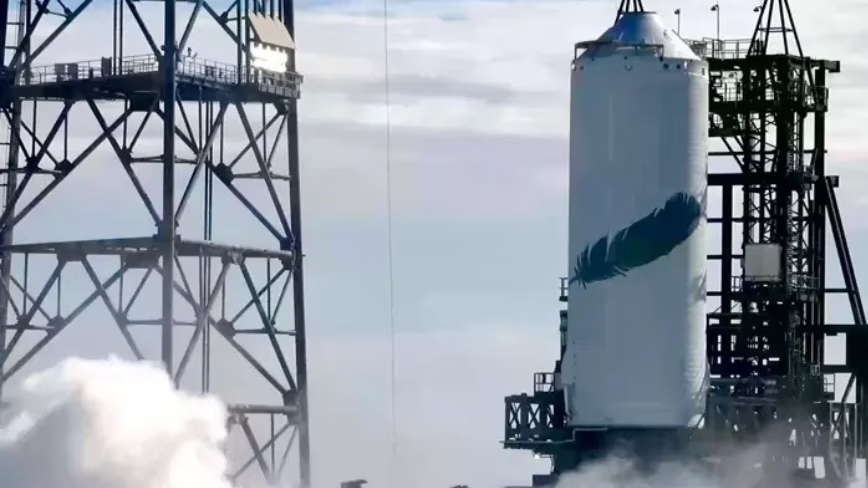
Blue Origin announced today that critical fuel infrastructure at its Cape Canaveral launch site miraculously survived last week’s New Glenn rocket explosion, significantly shortening the projected recovery timeline. CEO Dave Limp affirmed the company's commitment to returning the heavy-lift rocket to flight before the end of this year, a more optimistic outlook than initial damage assessments suggested after the fiery incident on June 2, 2026.
Launch Pad Fortitude
The explosion, which occurred during a crucial engine-firing test of New Glenn's seven BE-4 first-stage engines, caused substantial damage. While the launch pad’s lightning tower and the transporter-erector — a massive structure used to move and hoist the rocket — were destroyed, post-blast evaluations brought surprising relief. The pad's methane, hydrogen, and oxygen tanks, along with the water tank, were found to be intact. Additionally, the towering support structure remains repairable in place, and other rocket hardware stored nearby was spared, according to Limp's statement on X, which he characterized as “a bit of good news” amidst the setback. The exact cause of the incident remains under investigation.
Critical for NASA's Lunar Ambitions
This accelerated recovery path is paramount for NASA, which heavily relies on New Glenn for its ambitious Artemis moon program. Just two days before the accident, Blue Origin secured a significant contract worth hundreds of millions of dollars to use New Glenn rockets to launch a pair of lunar rovers. Furthermore, New Glenn is slated to transport Blue Origin's Blue Moon lander, an essential vehicle for delivering astronauts to the lunar surface in 2028 — marking the first crewed moon landing since Apollo 17 in 1972.
Maintaining the Artemis Schedule
While NASA has diversified its lunar transport strategy by also contracting SpaceX Starships for Artemis missions, the prompt resumption of New Glenn flights is crucial. Losing one of these commercial pathways to a prolonged launch pad reconstruction would compress an already tight schedule, increasing pressure on the space agency and its partners. NASA Administrator Jared Isaacman has indicated the agency's full support to expedite the pad's repair while maintaining focus on the lander's progression.
The Technical Advantage of Intact Tanks
The survival of the complex fuel infrastructure represents the most significant operational reprieve. Rebuilding cryogenic fuel tanks and their intricate plumbing from the ground up would have introduced months, or even years, of delays and immense engineering challenges. By contrast, the destroyed transporter-erector and lightning tower, though substantial, are replaceable structures that do not pose the same specialized cryogenic engineering hurdles, allowing reconstruction efforts to proceed more efficiently.
Blue Origin's Competitive Landscape
For Blue Origin, a company founded by Jeff Bezos who has invested over $10 billion of his personal fortune, New Glenn is pivotal to its strategy of transitioning from suborbital tourism to a major player in orbital launch, government contracts, and deep-space exploration. While New Glenn has flown only three times, placing it among the least-flown orbital-class rockets, rivals like SpaceX's larger Starship are advancing with more frequent test flights and a rapidly evolving flight heritage. SpaceX, building its reputation on rapid iteration, is reportedly targeting an IPO valuation of $1.8 trillion, a figure that underscores the high stakes and competitive pressures within the commercial space sector.
Bezos' Vision and the Road Ahead
The incident and its aftermath will test Bezos' sustained commitment to Blue Origin, a privately held entity dependent on his capital. However, the damage assessment's positive findings suggest a manageable rebuild. The overarching question for the remainder of the year is whether Blue Origin can complete repairs swiftly enough to honor its NASA obligations, bolster customer confidence, and accelerate its development pace to credibly compete with industry leaders.
FAQ
Q: What key components of the New Glenn launch pad survived the explosion?
A: The launch pad's methane, hydrogen, and oxygen fuel tanks, the water tank, and the primary support tower were found to be intact. Additionally, a booster and other rocket hardware stored nearby also survived the blast.
Q: Why is Blue Origin's quick return to flight important for NASA?
A: NASA relies on New Glenn for key missions in its Artemis moon program, including launching lunar rovers and the Blue Moon lander, which is intended to carry astronauts to the lunar surface. A timely return ensures the program can maintain its ambitious schedule, particularly for the targeted 2028 crewed landing.
Q: What was destroyed in the New Glenn explosion?
A: The explosion during the engine-firing test destroyed the launch pad's lightning tower and the transporter-erector, a large structure used to move and hoist the New Glenn rocket. The cause of the explosion is still under investigation.
Related articles

Apple Unveils iPhone Duo: Pricey Foldable Sees Soaring Demand
Apple has officially entered the foldable smartphone arena with the long-anticipated launch of the iPhone Duo. Priced starting at a hefty $1,999, the device features a 5.4-inch outer display and a larger 7.6-inch inner

in-depth: Chicago-Area Cops Helped HSI Spy on Minnesota Anti-ICE
Chicago-area law enforcement, including local police and HSI agents, conducted undercover surveillance on Minnesota anti-ICE activists at an April 2, 2022, talk in Chicago. This operation was part of a federal conspiracy probe into 15 Minnesota activists facing felony charges related to immigration enforcement resistance. Civil liberties advocates have condemned the surveillance as a troubling intrusion into protected political activity.

Mark Wahlberg on using AI in film ‘the right way’ and being open to
Actor Mark Wahlberg believes AI has a place in filmmaking if used responsibly for enhancement, not script generation or actor replacement. At TechCrunch Disrupt, he expressed openness to an AI likeness carrying on his legacy, managed by his family, and emphasized storytelling.
Tesla Unveils Thruster-Equipped Roadster, 2028 Production Targeted
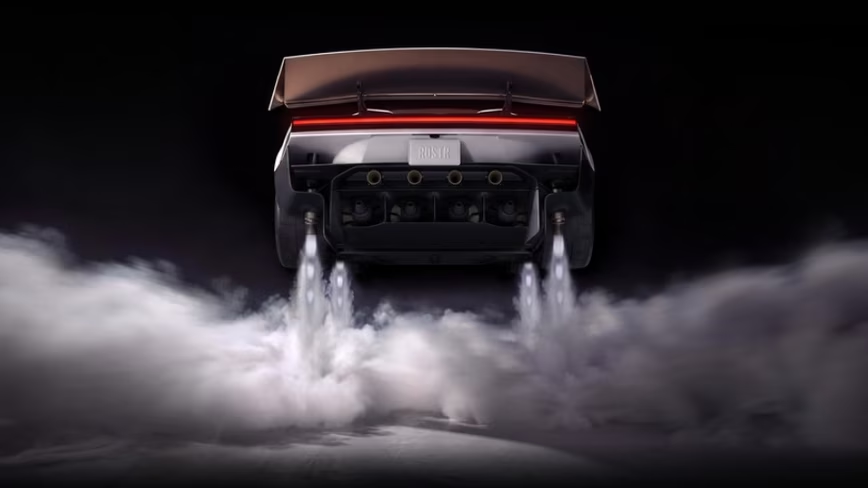
Tesla has unveiled its second-generation Roadster, featuring cold-gas thrusters co-developed with SpaceX, enabling it to jump and flip. The electric sports car demonstrated 0-60mph in an astonishing 0.81 seconds, with production targeted for 2028. This highly anticipated reveal also serves as a key recruitment tool for Tesla's ambitious AI and robotics initiatives.

Amazon Prime Video Launches AI-Powered Prime 360 for NBA Coverage
Amazon Prime Video is elevating its NBA coverage with the introduction of Prime 360, an AI-powered replay system offering immersive, 'fly through' views of the action. Kicking off its second season, Prime Video also adds Yahoo fantasy integration and gains exclusive Eastern Conference Finals rights, expanding its tech-driven sports broadcast. The new features aim to deliver a unique and interactive viewing experience for basketball fans.
regional: A two-person Seattle startup lands $1M to reinvent
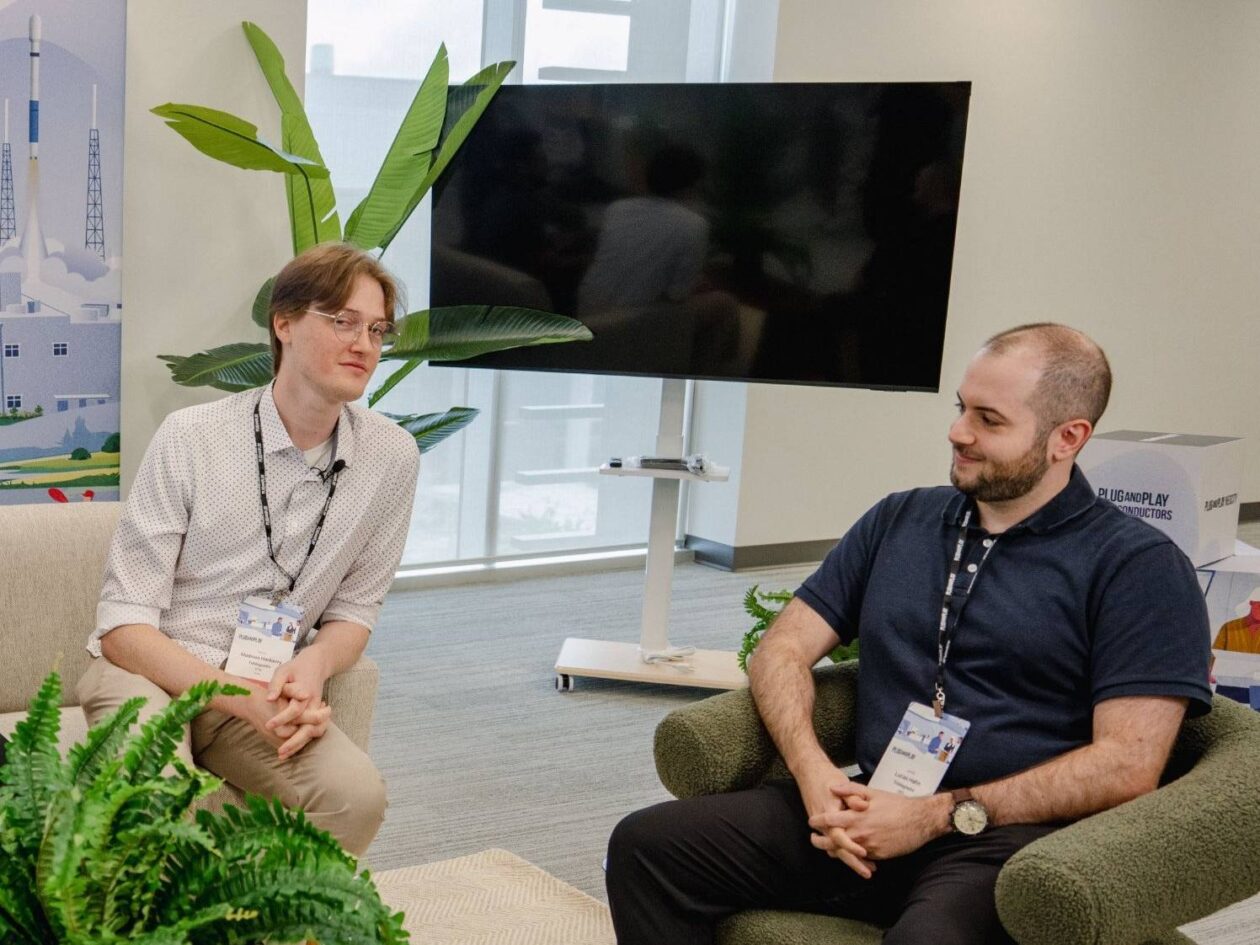
Seattle startup TriMagnetix has secured $1 million to develop semiconductor chips that consume 800 times less energy and are radiation-resistant. The two-person company, leveraging nanomagnetic technology, is targeting space applications and data centers. With new funding and key partnerships, TriMagnetix aims for commercial sales within a year.