
Samsung Vibe Coding: A Glimpse into the Future
Samsung's head of mobile experience has confirmed the company is exploring "vibe coding" for future Galaxy phones. This potential feature promises unprecedented user customization, allowing novices to build apps and tailor their user experience with AI assistance. While exciting, it remains an uncommitted concept, leaving many questions about its implementation and timeline.
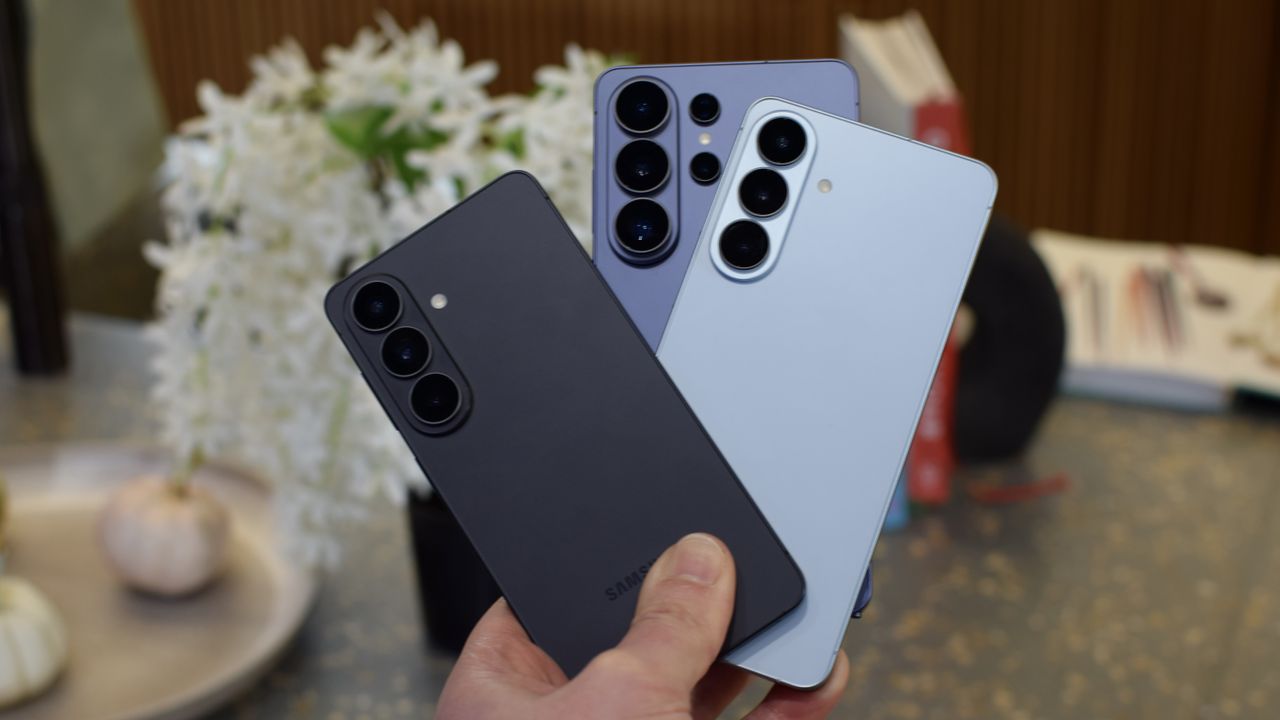
Samsung recently unveiled its Galaxy S26 series, deliberately shifting the narrative from "smartphones" to "AI phones." This repositioning was underpinned by a suite of AI-centric software enhancements, including tools like Now Nudge and an improved Audio Eraser, complemented by hardware upgrades such as a 39% more powerful Neural Processing Unit (NPU) in the base models, crucial for on-device AI tasks. The company also confirmed the integration of Perplexity as an alternative to its existing Gemini assistant and hinted at future expansions with other AI models.
However, amidst these advancements, a particularly intriguing AI concept – "vibe coding" – remained unmentioned at the Unpacked event. When pressed on the matter, Won-Joon Choi, Samsung’s head of mobile experience, confirmed it’s "something we’re looking into." This brief statement opens a fascinating discussion about the potential future of user customization and interaction with Galaxy devices.
What Exactly is Vibe Coding?
To fully appreciate the significance of Samsung's interest, it's important to understand what vibe coding entails. Essentially, vibe coding is the application of artificial intelligence to assist in the creation of software. Imagine wanting a specific function for your phone – for example, an app that lets you watch regular YouTube videos but automatically blocks out Shorts. With vibe coding, you would articulate this desire to an AI, and the AI would then generate the necessary code to build that functionality for you.
While AI assistance in coding isn't a brand-new concept, the latest generation of dedicated vibe coding models represents a substantial leap forward. Much like the rapid advancements seen in AI image and video generation tools, these coding tools have evolved to the point where they can help "near total novices" construct functional applications. This goes beyond merely providing coding snippets; it aims to empower users with minimal technical expertise to become creators.
The Promise: Unprecedented Customization and UX Control
Won-Joon Choi himself articulated the compelling vision for vibe coding on smartphones. He noted its potential to unlock "the possibility of customising your smartphone experience in new ways, not just your apps but your UX." This implies a future where users are no longer confined to the predefined functionalities and interfaces offered by manufacturers or app developers. He emphasized that currently, users are "limited to premade tools," but with vibe coding, they could "adjust their favorite apps or make something customized to their needs."
This is a truly transformative prospect. Envision a scenario where you could subtly tweak an app's layout, add a missing feature to your favorite social media platform, or even design bespoke widgets that perfectly integrate with your daily workflow. It promises a level of personal tailoring that moves beyond superficial theming or simple settings adjustments, allowing for a deeply personalized digital ecosystem.
Samsung's Strategic Gaze and Android's Openness
Samsung's interest in vibe coding isn't just about innovation; it aligns strategically with the open nature of the Android ecosystem. Both Won-Joon Choi and Samsung’s chief marketing officer Benjamin Braun have frequently highlighted Android's flexibility, which makes it considerably easier for users to install custom-built applications on their devices compared to more tightly controlled platforms like Apple's iOS. This inherent openness positions an integrated vibe coding tool as a logical and powerful extension for Samsung's "AI phone" strategy.
While the company has not made any firm commitments regarding if or when such a feature might be directly integrated into its devices, the clear interest from its head of mobile experience suggests a strong alignment with the prevailing excitement around advanced AI coding tools. This indicates that Samsung recognizes the potential for vibe coding to be a significant differentiator in the evolving mobile landscape.
Pros: Empowering Users and Expanding Horizons
- Deep Customization: Vibe coding offers a pathway to personalize not just app settings, but core functionalities and even the user interface itself, moving beyond superficial changes.
- Democratized Development: It empowers individuals with little to no coding background to become creators, fostering innovation from the user base.
- Tailored Solutions: Users can address specific pain points or unique needs by crafting bespoke features or micro-applications that aren't available commercially.
- Strategic AI Alignment: The implementation of vibe coding would firmly cement Samsung's "AI phone" identity, showcasing practical and highly interactive AI capabilities.
- Leveraging Android's Strengths: Android's open architecture provides a natural and accommodating environment for integrating user-generated code and applications, making the feature more viable.
Cons: The Uncommitted Future and Practical Challenges
- Uncertainty and Timeline: The biggest drawback is that vibe coding on Samsung phones is currently just an idea "being looked into." There's no concrete commitment, release date, or even a guarantee of its eventual implementation. This makes it a speculative feature for prospective buyers.
- Technological Maturity and Robustness: While vibe coding models are advancing, their ability to consistently generate secure, stable, and bug-free applications for a diverse general user base on mobile devices remains to be thoroughly proven. Mobile operating systems are complex environments.
- Resource Demands: Generating and running AI-assisted custom code could place significant demands on a phone's processing power, battery life, and storage, potentially impacting overall device performance.
- Security and Stability Concerns: User-generated code, even if AI-assisted, could inadvertently introduce security vulnerabilities or system instability if not rigorously vetted and properly sandboxed by Samsung's software. Ensuring user safety and device integrity would be paramount.
- Usability and Learning Curve: While aiming for novices, the actual user experience of prompting the AI, refining code, and managing custom apps would need to be exceptionally intuitive to achieve broad adoption. There might still be an unspoken learning curve.
Comparison to Alternatives
The source content mentions other AI features on Samsung phones, such as Perplexity and Gemini, which function as AI assistants for information retrieval and task completion. However, these services serve a fundamentally different purpose than vibe coding, which is focused on empowering users to generate their own applications and deeply modify their user experience. Currently, there are no mainstream mobile devices that offer a comparable, integrated "vibe coding" capability for general consumers. Therefore, a direct comparison table with alternative products for this specific, nascent feature is not applicable, as Samsung appears to be exploring a relatively new frontier for consumer-grade mobile technology.
Buying Recommendation
Given that "vibe coding" is still in the early exploratory stages at Samsung, with no firm commitment or projected release date, it is not a feature that should influence any current purchasing decisions for Galaxy phones. Those intrigued by the concept should view it as an exciting, but distant, potential vision for the platform's future, rather than an imminent functionality. If this capability does eventually materialize, it would undoubtedly be a significant differentiator in the mobile market. For now, it's advisable to evaluate Samsung's current "AI phones" based on their existing and confirmed feature sets. Keep a close watch on future Samsung announcements for any concrete developments regarding this ambitious, yet unconfirmed, potential feature.
FAQ
Q: What is "vibe coding" on a phone?
A: Vibe coding is a concept where artificial intelligence assists users in writing code to build or customize apps and user experiences directly on their smartphone. You describe what you want to achieve, and the AI generates the necessary code for it, aiming to empower users with little to no prior coding experience.
Q: Is "vibe coding" currently available on Samsung Galaxy phones?
A: No, "vibe coding" is not presently available on Samsung Galaxy phones. Samsung's head of mobile experience has indicated that the company is "looking into" the possibility, but there are no definitive plans, timelines, or commitments for its integration into future devices.
Q: How could "vibe coding" potentially change my smartphone experience?
A: If implemented, vibe coding could allow for unprecedented personalization, enabling you to go beyond standard settings. You might be able to create custom app functionalities, modify specific elements of the user interface, or even develop small, tailored applications designed precisely for your unique needs or preferences, offering a new level of control over your digital environment.
Related articles

The Party's Back! Tales from '85 Unleashes Season 2 on Netflix
Stranger Things: Tales from '85, the animated spin-off, returns to Netflix on September 17th with 10 new episodes. Set between seasons 2 and 3 of the original live-action series, Season 2 sees The Party facing ghostly apparitions and strange creatures around Valentine's Day. While it received mixed reactions initially, it retains the 80s vibe and core characters.
Google's AI Branding Fix: A Clearer Vision for Gemini
This article critiques Google's fragmented AI branding, proposing a unified 'Gemini Intelligence' system to simplify user experience and strengthen Gemini's identity.

Chuwi UniBox AI495 Pro Review: A Mini AI Powerhouse
Chuwi's UniBox AI495 Pro review: A powerful mini workstation with 192GB RAM and an AMD Ryzen AI chip for local LLM processing, packed into a compact, Mac Pro-esque design.
Pixel Connectivity: Battery Drain, Not Data Speed, Is the Real
Google's Pixel series has consistently offered a compelling Android experience, often earning a spot on recommendation lists for its clean software and camera prowess. However, a recurring shadow has loomed over the

CNET's NYT Connections: Sports Edition Hints & Answers - Daily Puzzle
CNET's daily guide for NYT Connections: Sports Edition offers clear, spoiler-protected hints and answers, making it an efficient and reliable resource for sports puzzle enthusiasts.
Unofficial Sony Headphone PC Apps: Ditch Your Phone, Take Control
Tired of Sony's mobile app? These unofficial, open-source PC tools like Sony Device Center and SonyBridge offer desktop control over your Sony headphones' ANC, EQ, and more. A convenient, albeit unofficial, solution for Windows, Linux, and Mac users looking to ditch their phone for audio adjustments.