
Colorado Right-to-Repair Law: A Victory for Consumers
Verdict: A Resounding Win for Consumer Empowerment In a significant turn of events for consumer rights, the attempt to repeal Colorado's landmark right-to-repair law, the Consumer Right to Repair Digital Electronic
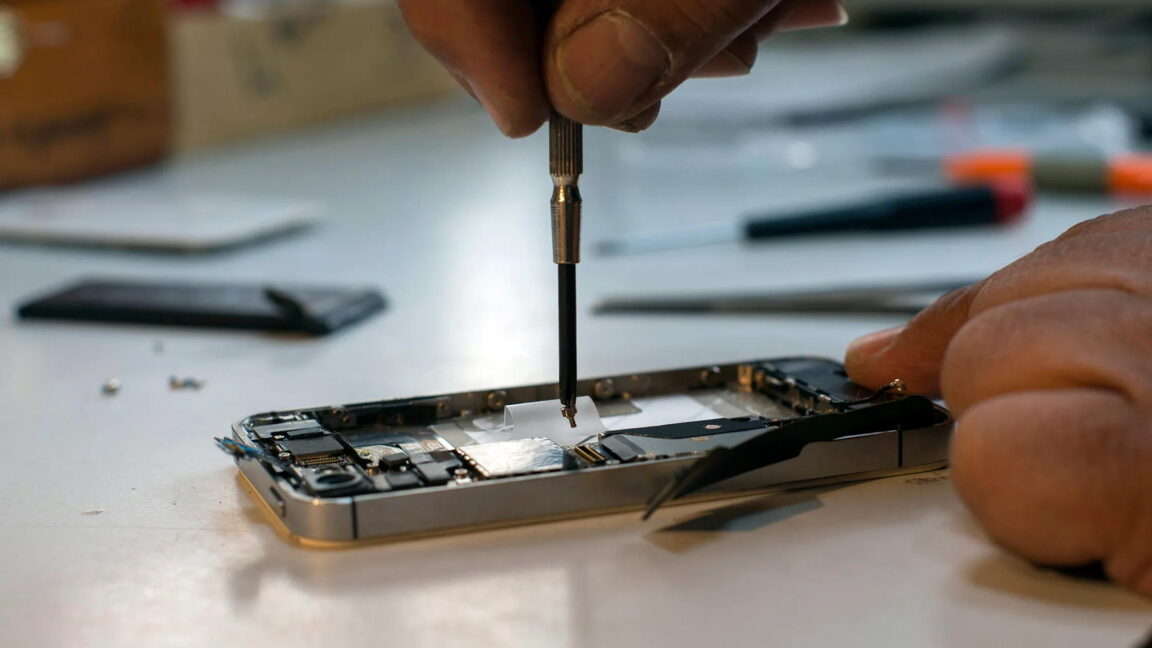
Verdict: A Resounding Win for Consumer Empowerment
In a significant turn of events for consumer rights, the attempt to repeal Colorado's landmark right-to-repair law, the Consumer Right to Repair Digital Electronic Equipment, has decisively failed. This outcome is a clear victory for individuals and independent repair shops, ensuring that the right to fix our own digital electronics remains firmly in place. While manufacturers and their lobbyists mounted a considerable effort, the resilience of consumer advocacy groups and the clarity of the law's benefits ultimately prevailed. This isn't just a win for Colorado; it sets a powerful precedent for other states grappling with similar legislation.
Key Details: The Law That Stood Strong
Colorado's original right-to-repair law, enacted in 2024 and effective since January 2026, is a pioneering piece of legislation. It mandates that manufacturers provide consumers and independent repair technicians with access to the necessary tools, parts, and documentation required to repair digital electronic equipment. This covers a broad range of devices, including essential items like mobile phones, personal computers, and Wi-Fi routers. The intent is clear: to democratize repair and extend the lifespan of our technology.
The recent challenge came in the form of Senate Bill 26-090 (SB26-090). This bill sought to introduce a significant carve-out, exempting "critical infrastructure" from the existing repair protections. The term "critical infrastructure" was vaguely defined, raising fears among repair advocates that it could be broadly applied to nullify much of the original law's intent. The bill garnered support from major tech players like Cisco and IBM, indicating the industry's sustained opposition to widespread repair access.
Despite passing initial Senate hearings unanimously and subsequently the full Colorado Senate, SB26-090 faced its ultimate hurdle in the Colorado House’s State, Civic, Military, and Veterans Affairs Committee. Following extensive public testimony from both supporters and detractors, the bill was defeated in a 7-to-4 vote and postponed indefinitely, marking its definitive failure.
Consumer Impact & Policy Robustness
The survival of Colorado's right-to-repair law has profound implications for the consumer experience. It means continued access to repair manuals, diagnostic tools, and genuine parts directly from manufacturers or authorized distributors. For the average person, this translates into several tangible benefits:
- Extended Device Lifespan: The ability to easily repair devices means less need to replace them prematurely, saving money and reducing electronic waste.
- Reduced Repair Costs: With more competition among repair providers and the option for DIY repairs, consumers can expect more affordable repair services.
- Choice and Flexibility: Consumers are no longer tethered to manufacturer-approved repair channels, which can often be costly or inconvenient. They can choose independent repair shops or attempt repairs themselves.
- Environmental Benefits: Longer-lasting products mean less e-waste polluting landfills, aligning with broader sustainability goals.
The robustness of the original law was truly tested. The arguments put forth by the repeal's proponents primarily centered on cybersecurity risks and economic concerns. They claimed that making repair tools and documentation widely available could expose critical systems to "bad actors" and hackers. Colorado Representative Chad Clifford, a sponsor of the repeal bill, even cited the obscure example of Cloudflare's lava lamps for encryption as a reason for companies to keep their "secrets."
However, cybersecurity experts and white-hat hackers like Billy Rios debunked this argument during the hearing, emphasizing that the vast majority of hacks are remote and real-time, not physical attacks enabled by repair tools. The notion that withholding repair access enhances security was largely dismissed as a red herring. Furthermore, concerns about tech companies withdrawing commerce from Colorado were not deemed weighty enough to overturn the law, as highlighted by Representative Naquetta Ricks's closing remarks questioning the true intent of the repeal.
Pros and Cons
Pros:
- Empowers Consumers: Grants individuals and businesses the right to repair their own digital electronics, fostering self-reliance and cost savings.
- Promotes Sustainability: Encourages longer product lifecycles, reducing electronic waste and environmental impact.
- Supports Local Businesses: Boosts independent repair shops by ensuring access to essential repair resources.
- Increases Competition: Creates a more competitive repair market, potentially leading to lower repair prices and better service.
- Sets a Positive Precedent: The law's successful defense signals strength to other states considering similar right-to-repair legislation.
Cons (Arguments made by repeal supporters):
- Manufacturer Resistance: Major tech companies like Cisco and IBM continue to lobby against these laws, citing concerns.
- Cybersecurity Claims (Disputed): Manufacturers argued that broader repair access could create cybersecurity vulnerabilities, though this was largely refuted by experts.
- Economic Impact Concerns (Disputed): Manufacturers suggested that compliance might lead them to limit commerce in states with such laws, an argument that did not sway the committee.
- Ambiguity of 'Critical Infrastructure': The proposed repeal's vague definition of 'critical infrastructure' could have led to widespread exemptions, undermining the law.
Comparison to Alternatives
The primary alternative to the current situation in Colorado was the successful repeal of the right-to-repair law, or the creation of a significant loophole for "critical infrastructure." Had SB26-090 passed, consumers would have lost the protections they gained, making it more difficult and potentially more expensive to repair a wide array of devices. Manufacturers would have retained their control over repair channels, limiting consumer choice and potentially increasing e-waste.
Compared to other states, Colorado stands out as a strong advocate for comprehensive right-to-repair. While some states, like Iowa, have enacted repair laws, they often focus on specific industries (e.g., agricultural equipment). Colorado's law, covering "digital electronic equipment," is broader in scope and its successful defense against a significant industry-backed challenge makes it a bellwether. The ongoing battles in states like Iowa, as noted by Nathan Proctor of US PIRG, indicate that Colorado's win is a crucial benchmark for the wider movement.
Buying Recommendation
Given the strong consumer protections upheld in Colorado, the recommendation here isn't about buying a product, but about recognizing and utilizing a fundamental right. For residents of Colorado, it means you have the legal backing to seek out independent repairs or undertake DIY fixes without fear of losing warranty rights due to lack of access to parts or manuals. It also means you can demand these resources from manufacturers. This is a "product" (the right to repair) that every tech-savvy individual and environmentally conscious consumer should champion.
For consumers and advocates outside Colorado, this outcome serves as a potent reminder of what is possible when community and expertise unite against powerful lobbying efforts. It should inspire continued advocacy for similar legislation in other regions. Support organizations like PIRG, Repair.org, and iFixit, who tirelessly fight for these rights.
FAQ
Q: What does Colorado's right-to-repair law cover? A: The law covers "digital electronic equipment," which includes a wide range of devices such as phones, computers, and Wi-Fi routers, ensuring access to tools, parts, and documentation for their repair.
Q: Why did some companies try to repeal the law? A: Companies like Cisco and IBM supported the repeal efforts, citing concerns about cybersecurity risks if repair tools were widely available, and potential negative economic impacts if they were forced to comply with the law.
Q: What does the failure to repeal mean for consumers in Colorado? A: It means that the Consumer Right to Repair Digital Electronic Equipment law remains fully intact, guaranteeing consumers and independent repair shops the right to access necessary resources for repairing digital electronics, promoting device longevity, and potentially lowering repair costs.
Related articles

Chuwi UniBox AI495 Pro Review: A Mini AI Powerhouse
Chuwi's UniBox AI495 Pro review: A powerful mini workstation with 192GB RAM and an AMD Ryzen AI chip for local LLM processing, packed into a compact, Mac Pro-esque design.
Pixel Connectivity: Battery Drain, Not Data Speed, Is the Real
Google's Pixel series has consistently offered a compelling Android experience, often earning a spot on recommendation lists for its clean software and camera prowess. However, a recurring shadow has loomed over the

CNET's NYT Connections: Sports Edition Hints & Answers - Daily Puzzle
CNET's daily guide for NYT Connections: Sports Edition offers clear, spoiler-protected hints and answers, making it an efficient and reliable resource for sports puzzle enthusiasts.
Unofficial Sony Headphone PC Apps: Ditch Your Phone, Take Control
Tired of Sony's mobile app? These unofficial, open-source PC tools like Sony Device Center and SonyBridge offer desktop control over your Sony headphones' ANC, EQ, and more. A convenient, albeit unofficial, solution for Windows, Linux, and Mac users looking to ditch their phone for audio adjustments.
Biren AI Accelerators: Explosive Growth in a Restricted Market
Biren Technology shows explosive 2,000% revenue growth in China's AI accelerator market, benefiting from US export controls. Despite impressive gains from a small base, challenges in manufacturing and software remain.

RAM Crisis Deepens: AI Ramps Up, Severe Shortage by 2027
Analyst firm KB Securities warns of a severe RAM crisis by 2027, blaming surging AI demand. With Samsung and SK Hynix inventories critically low, consumers face higher prices and limited availability for computing components.