
Virtual Desktops: A Game-Changer for Digital Organization
Verdict: Unlock Your Digital Potential with Virtual Desktops Virtual Desktops are an often-overlooked yet incredibly powerful feature built into nearly every modern operating system. Far from a mere gimmick, they serve

Verdict: Unlock Your Digital Potential with Virtual Desktops
Virtual Desktops are an often-overlooked yet incredibly powerful feature built into nearly every modern operating system. Far from a mere gimmick, they serve as dedicated, virtualized workspaces that can dramatically boost your efficiency and keep your digital life meticulously organized. If you're struggling with a cluttered screen or contemplating the expense of a multi-monitor setup, mastering virtual desktops is a free, space-saving, and highly effective solution that comes with our strong recommendation.
What Exactly Are Virtual Desktops?
Imagine having multiple computer screens, each dedicated to a different task, but all accessible from your single physical monitor. That's essentially what Virtual Desktops (sometimes called "Workspaces") offer. They function as independent desktop environments, allowing you to group related applications and windows together. For instance, you could have one virtual desktop for work-related productivity apps like your browser, email client, and communication tools, another for creative tasks with a word processor and research browser, and yet another for entertainment or shopping. This organizational approach helps you focus on one task at a time, minimizing distractions and improving workflow.
Interestingly, this highly useful feature has roots in the open-source community, first appearing in Linux in the late 1990s. Recognizing its immense value, other major operating systems like macOS, Windows, and eventually ChromeOS, integrated their own versions, making it a universally available tool for modern computer users.
User Experience: Streamlining Your Workflow
The core benefit of Virtual Desktops lies in their ability to declutter and organize. Instead of having dozens of windows overlapping on a single screen, you can assign them to their logical workspaces. Need to switch from a project brief to a quick online shopping session? A simple command or gesture instantly transports you to your dedicated shopping desktop, complete with its own browser windows. This seamless transition makes managing complex workloads surprisingly simple and keeps your focus sharp.
For those who haven't embraced virtual desktops, the initial hurdle often stems from not knowing how to integrate them effectively. But once adopted, they become an indispensable part of an efficient digital routine. They provide a "multiple monitor feel" without any additional hardware investment or the physical space requirements of extra displays.
Virtual Desktops vs. Multi-Monitor Setups
While multi-monitor setups offer undeniable benefits for certain workflows, Virtual Desktops present a compelling, cost-effective alternative, especially for those with budget or space constraints. Here's a quick comparison:
| Feature | Virtual Desktops | Multi-Monitor Setups |
|---|---|---|
| Cost | Free (built into OS) | Can be significant (hardware purchase) |
| Physical Space | Minimal (uses existing monitor) | Requires additional desk space |
| Portability | Highly portable (available on any device you use) | Limited (tied to physical hardware) |
| Setup Complexity | Software-based, simple to enable | Hardware-based, requires physical installation |
| Resource Usage | Primarily software-driven | Can increase power consumption & desk clutter |
As the table illustrates, Virtual Desktops address common barriers associated with expanding screen real estate, making them an accessible productivity booster for everyone.
Top 4 Tips for Beginners to Master Virtual Desktops
Integrating Virtual Desktops into your daily routine is straightforward, especially with these proven strategies:
-
Create as many as needed: Don't hesitate to set up a specific virtual desktop for every distinct task or category of applications you use. Think about your common activities: "Productivity," "Shopping," "Audio/Visual," "Creativity," "Gaming," or "Writing." By doing this, you'll ensure a dedicated space for everything, minimizing clutter.
-
Name your Virtual Desktops: This seemingly small step makes a huge difference. Instead of remembering that "Desktop 3" is for your project, name it "Project X." This immediate identification vastly improves navigation and prevents confusion. Most operating systems allow you to label your workspaces, making it exponentially easier to know where to go at any given time.
-
Learn your keyboard shortcuts/gestures: Efficiently switching between desktops is key to their utility. Every OS has its own method, whether it's a
Super(Windows key) + Arrow Key combination, a trackpad gesture, or even scroll wheel functionality. Familiarize yourself with these shortcuts. If your OS allows customization, tailor them to be intuitive and easy to remember for your workflow. -
Change your wallpaper for each desktop: This tip is a game-changer if your operating system supports it. Assigning a unique wallpaper to each virtual desktop provides an instant visual cue, letting you immediately identify which workspace you're on. This is particularly helpful if you use the same application, like a web browser, across multiple desktops, as it prevents disorientation and ensures you're always working in the correct context.
Pros and Cons
Pros:
- Enhanced Efficiency and Organization: Keeps related applications grouped, reducing visual clutter and improving focus.
- Cost-Effective: A free feature built into most modern operating systems, eliminating the need for expensive additional monitors.
- Space-Saving: Achieves a multi-monitor feel without consuming extra physical desk space.
- Universal Availability: Supported across Linux, macOS, Windows, and ChromeOS.
- Improves Focus: Dedicating workspaces to specific tasks helps minimize distractions.
- Easy to Get Started: Basic functionality is intuitive, and advanced tips further boost utility.
Cons:
- Requires Habit Formation: Some users might initially forget to utilize them or integrate them into their workflow.
- Potential Learning Curve for Shortcuts: Efficient use often depends on learning specific keyboard or trackpad gestures, which might take a little time to master.
- Not a Direct Multi-Monitor Replacement for All: While excellent, it won't fully replicate the experience of having truly independent physical displays for every user's specific needs.
Recommendation
Virtual Desktops are a must-try for anyone looking to optimize their digital workspace, especially if you: frequently multitask, find your single screen cluttered, want to boost productivity without spending money on hardware, or simply desire better organization. They offer a significant return on a minimal investment of time to learn. By applying the simple tips outlined, you can transform your computing experience, working more efficiently and with greater focus. Don't miss out on this powerful, built-in feature – it's an undeniable asset for modern digital life.
FAQ
Q: Are Virtual Desktops available on all operating systems?
A: Yes, Virtual Desktops (often called Workspaces) are a standard feature now available on Linux, macOS, Windows, and ChromeOS, making them universally accessible.
Q: Do Virtual Desktops replace the need for multiple physical monitors?
A: For many users, Virtual Desktops can effectively mimic the organization and expanded workspace of multiple monitors, especially for those limited by budget or physical space. While they provide a similar organizational benefit, they do so on a single display, which might not be a full replacement for very specific, high-end multi-monitor workflows.
Q: What's the easiest way to start using Virtual Desktops effectively?
A: The easiest way to start is by creating a few dedicated desktops for your most common activities (e.g., "Work," "Personal," "Entertainment"), naming them clearly, and learning the quick keyboard shortcuts or gestures to switch between them. Changing the wallpaper for each desktop can also greatly aid in visual identification.
Related articles

Chuwi UniBox AI495 Pro Review: A Mini AI Powerhouse
Chuwi's UniBox AI495 Pro review: A powerful mini workstation with 192GB RAM and an AMD Ryzen AI chip for local LLM processing, packed into a compact, Mac Pro-esque design.
Pixel Connectivity: Battery Drain, Not Data Speed, Is the Real
Google's Pixel series has consistently offered a compelling Android experience, often earning a spot on recommendation lists for its clean software and camera prowess. However, a recurring shadow has loomed over the

AI Cybersecurity: The Perpetual Cat and Mouse Game
In the rapidly evolving digital landscape, the interplay between artificial intelligence and cybersecurity has created a dynamic, ceaseless challenge—a true cat and mouse game. AI is not merely a tool for defense; it's

CNET's NYT Connections: Sports Edition Hints & Answers - Daily Puzzle
CNET's daily guide for NYT Connections: Sports Edition offers clear, spoiler-protected hints and answers, making it an efficient and reliable resource for sports puzzle enthusiasts.
Unofficial Sony Headphone PC Apps: Ditch Your Phone, Take Control
Tired of Sony's mobile app? These unofficial, open-source PC tools like Sony Device Center and SonyBridge offer desktop control over your Sony headphones' ANC, EQ, and more. A convenient, albeit unofficial, solution for Windows, Linux, and Mac users looking to ditch their phone for audio adjustments.
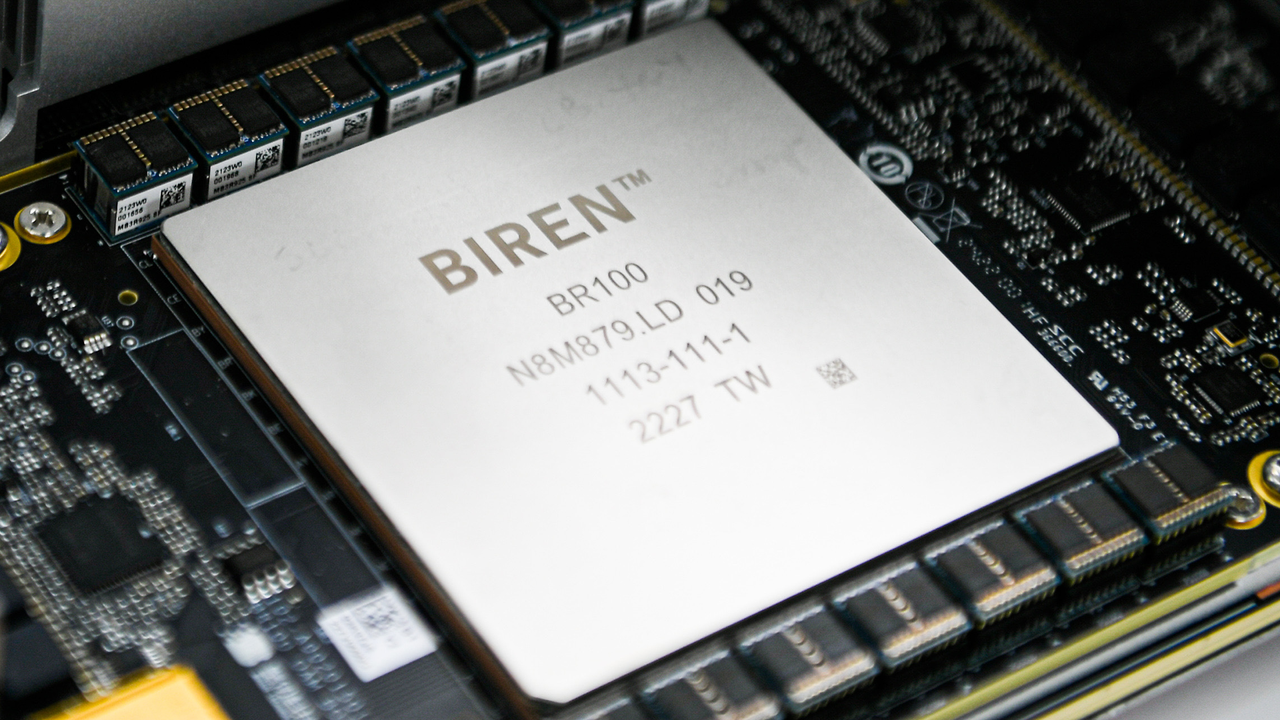
Biren AI Accelerators: Explosive Growth in a Restricted Market
Biren Technology shows explosive 2,000% revenue growth in China's AI accelerator market, benefiting from US export controls. Despite impressive gains from a small base, challenges in manufacturing and software remain.