
Judge Upholds $243M Tesla Payout for Fatal Autopilot Crash
A judge ruled Tesla still has to pay $243 million for a fatal crash involving Autopilot A U.S. judge has reaffirmed a substantial $243 million payment against Tesla following a jury's decision that held the electric
A judge ruled Tesla still has to pay $243 million for a fatal crash involving Autopilot
A U.S. judge has reaffirmed a substantial $243 million payment against Tesla following a jury's decision that held the electric vehicle manufacturer partially responsible for a deadly 2019 crash involving its Autopilot feature. This ruling, delivered by US District Judge Beth Bloom, rejects Tesla's attempt to overturn the earlier verdict, signaling a significant legal challenge for the company as it faces increasing scrutiny over its advanced driver-assistance systems.
Key takeaways
- A US District Judge upheld a jury's verdict, compelling Tesla to pay $243 million for a fatal 2019 crash involving its Autopilot system.
- The original jury decision in August 2025 found Tesla partially responsible for the incident.
- The crash resulted in one fatality and one severe injury when a Model S on Autopilot collided with a parked SUV.
- Tesla is expected to appeal the latest ruling, indicating the case is likely to continue.
- The company is also currently under several investigations by the National Highway Traffic Safety Administration (NHTSA) concerning its Autopilot and Full-Self Driving features.
What happened
The incident central to this case occurred in 2019 when George McGee, the driver of a Tesla Model S, was utilizing the company's Autopilot feature. While Autopilot was engaged, McGee reportedly bent down to retrieve a dropped phone. During this moment, the Model S crashed into an SUV that was parked on a shoulder. Naibel Benavides Leon, who was standing beside the parked vehicle, tragically died in the collision, while Dillon Angulo sustained severe injuries.
In August 2025, a jury delivered a verdict finding Tesla partially responsible for the deadly crash. This decision ordered Tesla to pay millions in both compensatory and punitive damages to the two victims involved. On Friday, February 21, 2026, US District Judge Beth Bloom rejected Tesla's bid to overturn this jury verdict. Judge Bloom stated that there was sufficient evidence to support the jury's original findings and noted that Tesla had not presented any new arguments that would dispute the decision.
Why it matters
This judicial affirmation of the $243 million verdict represents a substantial financial and reputational blow to Tesla. It underscores the potential liabilities faced by manufacturers of advanced driver-assistance systems, particularly as features like Autopilot become more prevalent. The ruling could set a precedent or at least contribute to the growing legal landscape surrounding the responsibility of automakers when their semi-autonomous technologies are implicated in accidents.
For consumers, it highlights ongoing concerns about the safety and operational limitations of
Related articles

Tesla Unveils Thruster-Equipped Roadster, 2028 Production Targeted
Tesla has unveiled its second-generation Roadster, featuring cold-gas thrusters co-developed with SpaceX, enabling it to jump and flip. The electric sports car demonstrated 0-60mph in an astonishing 0.81 seconds, with production targeted for 2028. This highly anticipated reveal also serves as a key recruitment tool for Tesla's ambitious AI and robotics initiatives.

Flox Intelligence Harnesses AI to Safeguard Wildlife and
Flox Intelligence, a KTH spin-off and TechCrunch Disrupt finalist, is deploying AI-powered edge devices to deter wildlife from critical infrastructure like railways and airports. The system identifies animals and uses species-specific sounds, learning and adapting to prevent costly collisions and delays. With 150 devices deployed globally and $5 million raised, Flox aims to scale significantly with a new Series A round.
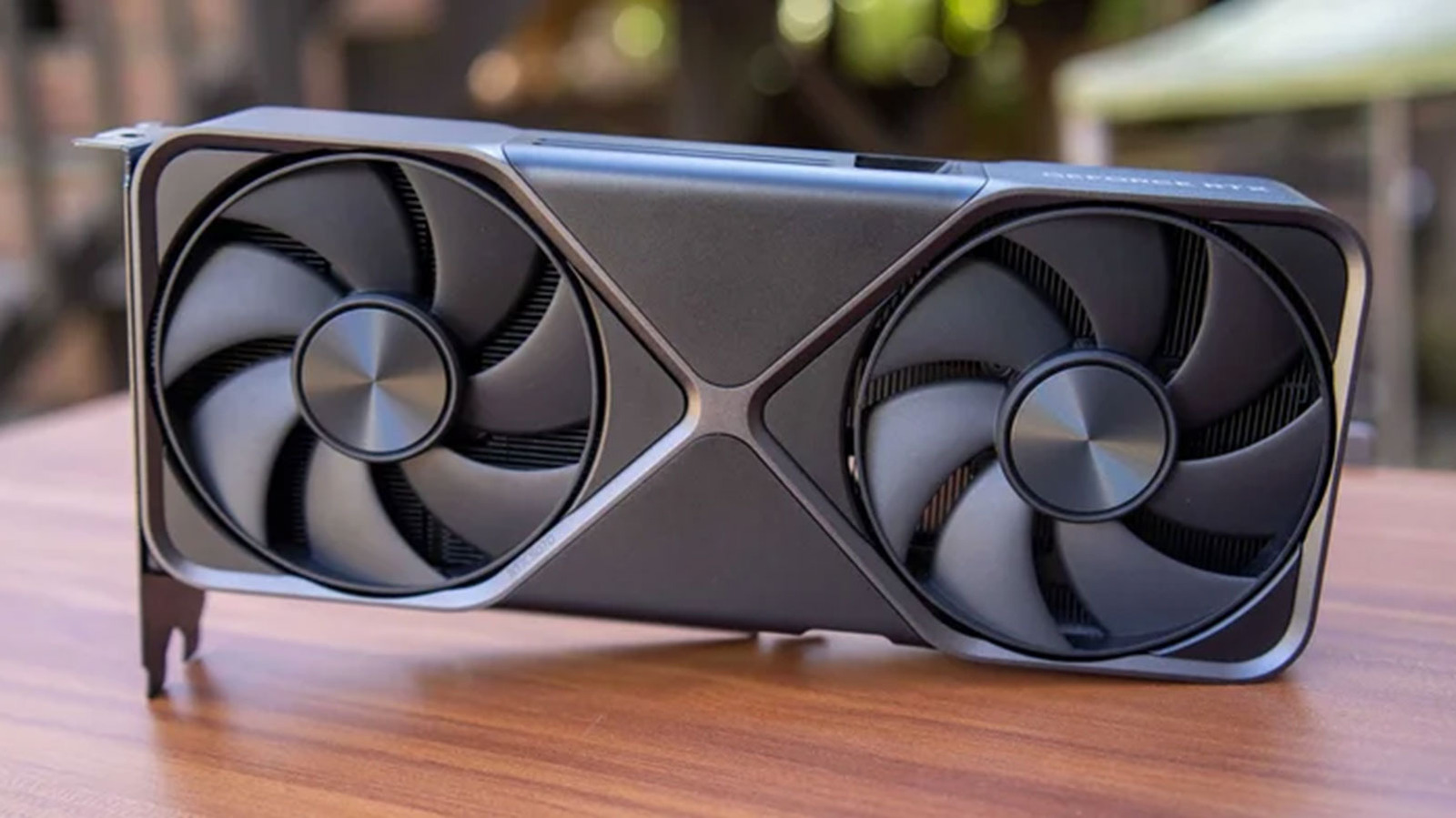
NVIDIA DLSS: A Powerful AI Upscaling Game-Changer
NVIDIA DLSS, or Deep Learning Super Sampling, has become a cornerstone technology for PC gamers with RTX graphics cards. It's a proprietary upscaling solution designed to boost game performance and, in some cases,
EV Battery End-of-Life: A Clear Path Forward
Verdict: Demystifying the EV Battery's Afterlife For anyone pondering the longevity and environmental impact of their electric vehicle, the question of 'what happens to an EV battery after it's removed from your car?'
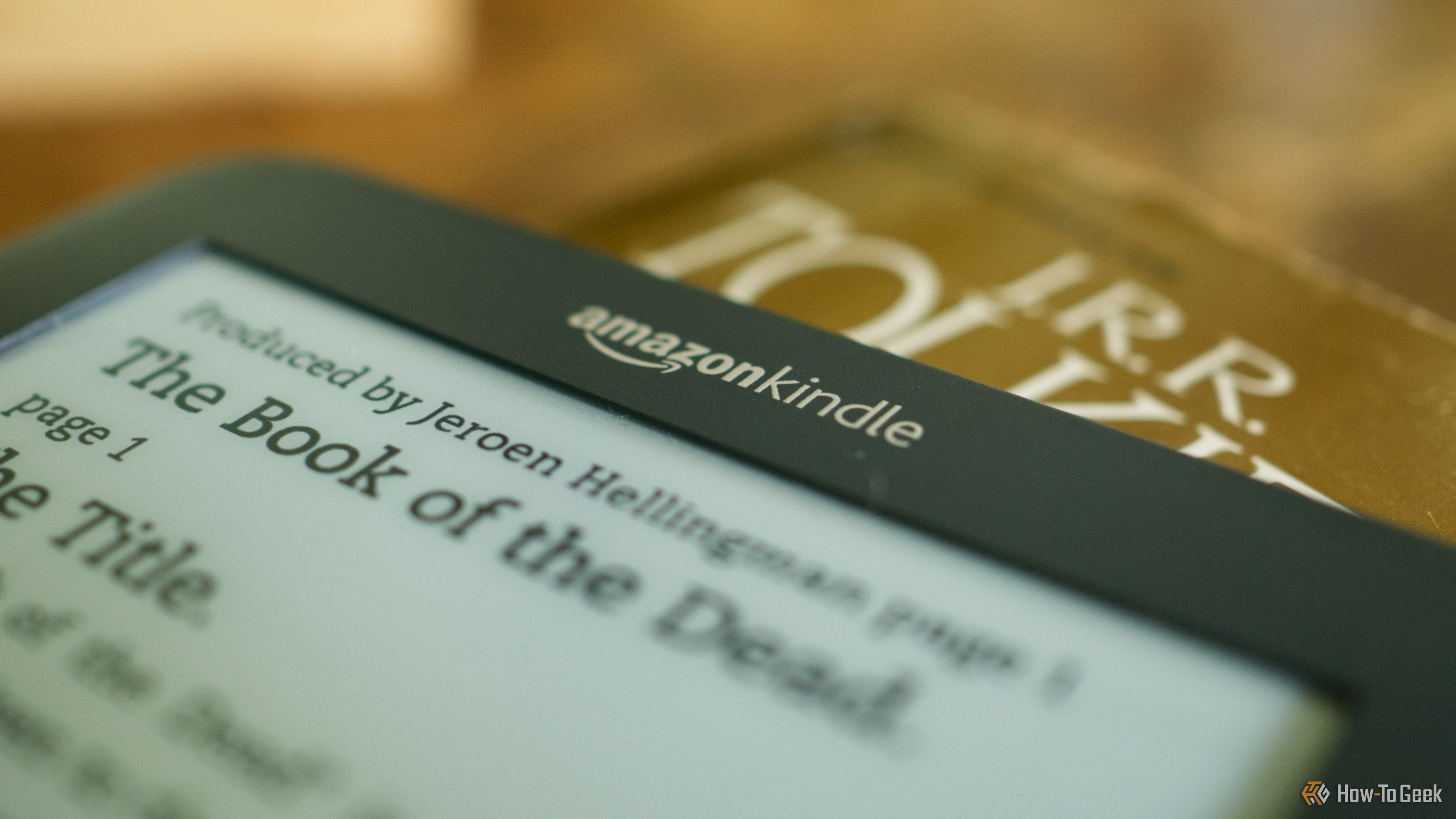
How to Give Abandoned Gadgets a New Life - Unlock Hidden Potential
Discover how enthusiast communities transform unsupported devices like Kindles, iPods, and Wiis, adding new features and functionality far beyond their original design, giving them a second chance at usefulness.
OpenAI Safety Dispute: A Troubling Lack of Transparency
Verdict OpenAI, a frontrunner in artificial intelligence, faces a significant credibility challenge following an open letter from three dismissed safety researchers. This isn't a review of a new gadget, but rather an