
GameCube Games: Pricy Nostalgia or a Smart Investment
For anyone who grew up with Nintendo's purple (or black, or silver) cube, the mention of GameCube games often conjures fond memories of iconic titles. But step into a retro game store today, and you'll likely notice a
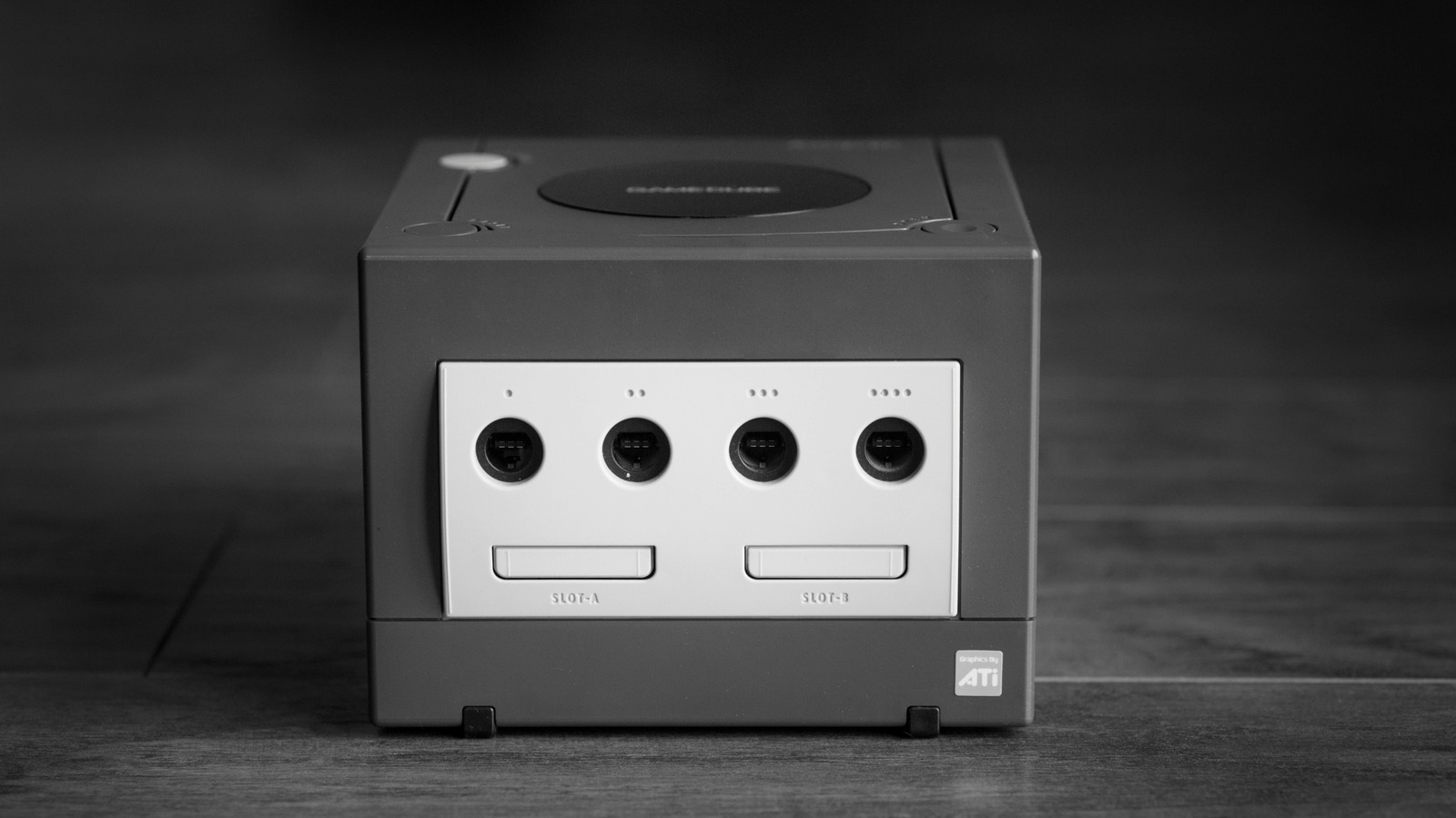
For anyone who grew up with Nintendo's purple (or black, or silver) cube, the mention of GameCube games often conjures fond memories of iconic titles. But step into a retro game store today, and you'll likely notice a striking absence of GameCube gems, or if they are present, their price tags might make your wallet wince. What's behind this phenomenon? It's a classic case of supply and demand, with a dash of Nintendo's unique market dynamics.
The Enduring Allure: Why Demand Remains High
There's no denying the GameCube boasts one of Nintendo's most celebrated first-party game libraries. We're talking about heavy hitters like Metroid Prime, The Legend of Zelda: The Wind Waker, and Super Smash Bros. Melee, titles that are still revered today. Even games like Super Mario Sunshine, often considered a weaker mainline Mario entry, maintains a dedicated following. Beyond these, the console offered unique experiences like Luigi's Mansion, the seminal RPG Paper Mario: The Thousand-Year Door, the innovative Pikmin series, and the psychological horror masterpiece Eternal Darkness: Sanity's Requiem. It also hosted standout cross-platform titles such as Resident Evil 4 and Beyond Good & Evil.
The console was also a bastion for local multiplayer, with games like Super Smash Bros. Melee, Mario Kart: Double Dash!!, and multiple Mario Party installments creating countless hours of shared fun. This rich tapestry of games has cultivated a passionate fanbase. Many of the original GameCube players are now in their mid-20s to early 40s – an age group often characterized by disposable income and a strong sense of nostalgia for their youth. Combine this demographic with the well-known "Nintendo tax" – the tendency for Nintendo's intellectual property to retain its value over time – and you have a robust, sustained demand for GameCube titles.
The Supply Crunch: Unpacking the Scarcity Factor
While demand is certainly a major driver, it's the supply side where the GameCube truly distinguishes itself from other classic Nintendo consoles. Compared to its siblings, the GameCube had a surprisingly low production and sales volume.
The console sold 21.74 million units globally. This might sound substantial, but it represents a significant dip from its predecessor, the Nintendo 64, which moved 32.93 million units. That's a 34 percent decrease, despite the overall home console market actually being approximately 75 percent larger at the GameCube's launch. Furthermore, its successor, the Wii, dwarfed these figures with a staggering 101.63 million units sold – nearly five times the GameCube's lifetime sales.
Several factors contributed to this lower console sales performance:
- No DVD Playback: In an era before widespread streaming, integrated DVD playback was a major selling point for consoles like the PlayStation 2 and Xbox. The GameCube notably lacked this feature, which deterred many potential buyers looking for a multi-functional entertainment device.
- Niche Positioning: While Sony and Microsoft aggressively targeted teens and adults, Nintendo doubled down on its "family-friendly" image. This marketing strategy, while true to Nintendo's brand, arguably pushed it into a smaller market segment and led to weaker third-party support compared to its rivals.
Unsurprisingly, these lower console sales translated into fewer copies of games being sold. Even the GameCube's most popular titles, such as Super Smash Bros. Melee (7.41 million copies), Mario Kart: Double Dash!! (6.88 million), and Super Mario Sunshine (5.91 million), sold considerably less than top-selling N64 games, and they pale in comparison to Wii blockbusters like Wii Sports, which sold nearly 83 million copies.
Adding to the scarcity is the nature of the GameCube's physical media. Unlike the robust cartridges of previous Nintendo consoles, GameCube games came on mini-DVDs, which are generally more susceptible to scratches and damage. This means a higher attrition rate for playable copies over time. Furthermore, while early versions of the Wii offered backward compatibility, allowing GameCube discs to be played, this only extended the lifespan of existing discs in the secondhand market, without introducing any new copies into circulation.
Finally, Nintendo's approach to re-releases has also played a role. For many years, the only legitimate way to experience the GameCube's catalog was through original hardware and discs. While Nintendo did announce in 2025 that some GameCube titles would be added to Switch Online for the upcoming Switch 2, this modern availability has not yet led to a significant decrease in the resale value of the original physical games.
Dissecting the Price Tag: What to Expect
It's important to note that not all GameCube games command exorbitant prices. You can still find some excellent titles without breaking the bank. For example, a used copy of Metroid Prime often goes for under $30. Paper Mario: The Thousand-Year Door, whose price was likely tempered by its recent Switch remake, typically sits between $30 and $50. Super Mario Sunshine generally averages around $40.
However, the prices climb sharply for other flagship games. Expect to pay $50 to $70 for beloved titles like Super Smash Bros. Melee, Luigi's Mansion, and Eternal Darkness. Mario Kart: Double Dash!! usually fetches between $60 and $70. And then there are the true collector's items, often soaring into the three-figure range. Niche RPGs like Pokémon Colosseum or Pokémon XD: Gale of Darkness commonly sell for $150 or more each. The quirky adventure game Chibi-Robo! can easily set you back $160 to $200.
So, when you see those high prices at a retro game store, it's rarely a case of retailers inflating values beyond reason. It's a straightforward reflection of economic principles: high demand from a nostalgic, affluent demographic colliding with a genuinely limited and slowly dwindling supply.
The GameCube Collecting Experience: Pros & Cons
Pros:
- Deep, Beloved Library: The GameCube offers a treasure trove of critically acclaimed and fan-favorite games, many of which remain exclusive to the platform or have only seen limited modern re-releases.
- Nostalgia Factor: For many, collecting GameCube games is a direct link to cherished childhood memories.
- Unique Aesthetic and Controller: The console itself has a distinct design, and its controller is often lauded for its ergonomics, making the original hardware experience quite satisfying.
- Potential Investment (for select titles): While not all games will appreciate significantly, high-demand, low-supply titles may continue to hold or increase in value.
Cons:
- High Barrier to Entry: The substantial cost of many desirable games makes it an expensive hobby to get into today.
- Scarcity: Finding complete-in-box copies, or even just loose discs, can be a challenge at local stores.
- Disc Fragility: The mini-DVD format is prone to scratches, making it difficult to find games in pristine, perfectly functional condition.
- Limited Modern Options: While Switch Online is slowly adding titles, the full catalog isn't available digitally, and original discs are still the primary way to access many games.
Buying Recommendation
For the ardent collector or the player determined to revisit their childhood favorites on original hardware, collecting GameCube games today is a labor of love – and a significant investment. Understand that you're paying a premium for rarity and nostalgia. Do your research on current market prices for specific titles (sites like PriceCharting can be invaluable). Prioritize games you genuinely want to play or collect, rather than just chasing perceived value. If you're simply looking to experience the games, consider modern re-releases on platforms like the Switch, if available, or keep an eye on Nintendo Switch Online for future additions, even if they don't fully replicate the original experience. For those with a tight budget, focus on the more affordable, yet still excellent, titles like Metroid Prime or Paper Mario: The Thousand-Year Door.
FAQ
Q: Are GameCube games really more expensive than other retro games?
A: Yes, on average, many GameCube games tend to be notably more expensive and harder to find than titles for older systems like the NES or N64, or newer systems like the Wii, primarily due to the GameCube's comparatively lower console and software sales, coupled with strong demand from a nostalgic demographic.
Q: Is it better to buy original GameCube discs or wait for digital re-releases?
A: This depends on your priorities. Original discs offer the authentic experience and can be collectible assets, but they are expensive and prone to damage. Digital re-releases (like those coming to Switch Online for the Switch 2) offer convenience and often a lower entry cost, but the selection is limited, and they lack the physical collectible aspect.
Q: Why don't retro stores stock many GameCube games?
A: Retro stores struggle to keep GameCube games in stock because they are hard to acquire in good condition at a price point that allows the store to make a reasonable profit while still offering them at market value. The limited original supply, high demand, and potential for disc damage make them challenging inventory items for retailers.
Related articles

Ars Technica's Rocket Report: Your Essential Space Industry Briefing
Quick Verdict Ars Technica's Rocket Report, presented by veteran space reporter Stephen Clark, offers an invaluable and meticulously organized weekly (or similar frequency, implied by "Edition 9.15") digest of the most

Apple iPhone Duo: A Daring Debut with Notable Compromises
Apple's highly anticipated iPhone Duo, priced at $2,000, has gone on pre-order. While hailed as "Apple's most exciting device in a decade" for its innovative foldable design and immersive display, it comes with significant drawbacks like the absence of FaceID and a premium camera.
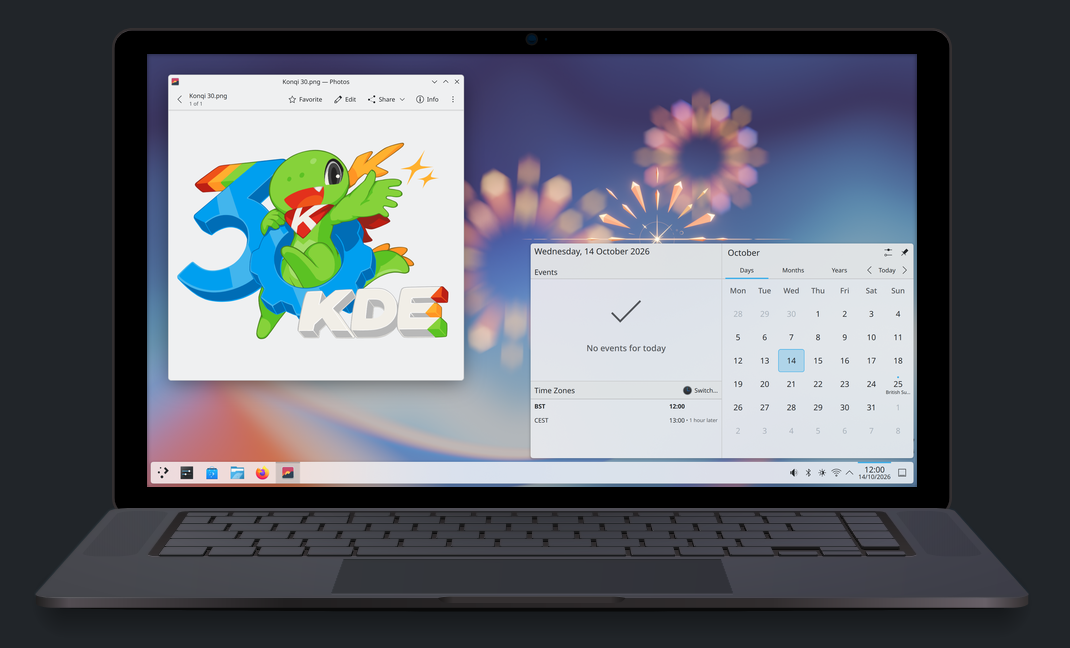
KDE Plasma 6.8: A Future-Focused 30th Anniversary Update
Quick Verdict KDE Plasma 6.8, arriving as the "30th Anniversary Edition," is a pivotal release that decisively pushes the desktop environment into the future. With a definitive farewell to native X11 sessions and a
Galaxy Watch One UI 9 Beta: Promising Progress, But Patience Needed
Galaxy Watch 8, Watch Ultra, and Watch 7 are receiving a new One UI 9 Watch beta build with bug fixes and a security patch. Active development signals progress, but a stable release date remains elusive.

Enterprise AI Beyond Chatbots: A Vision for Actionable Intelligence
Quick Verdict: Redefining Enterprise AI's Potential TechRadar Pro's opinion piece, "What it takes to move enterprise AI beyond the chatbot," delivers a refreshingly honest and vital perspective on the current state and
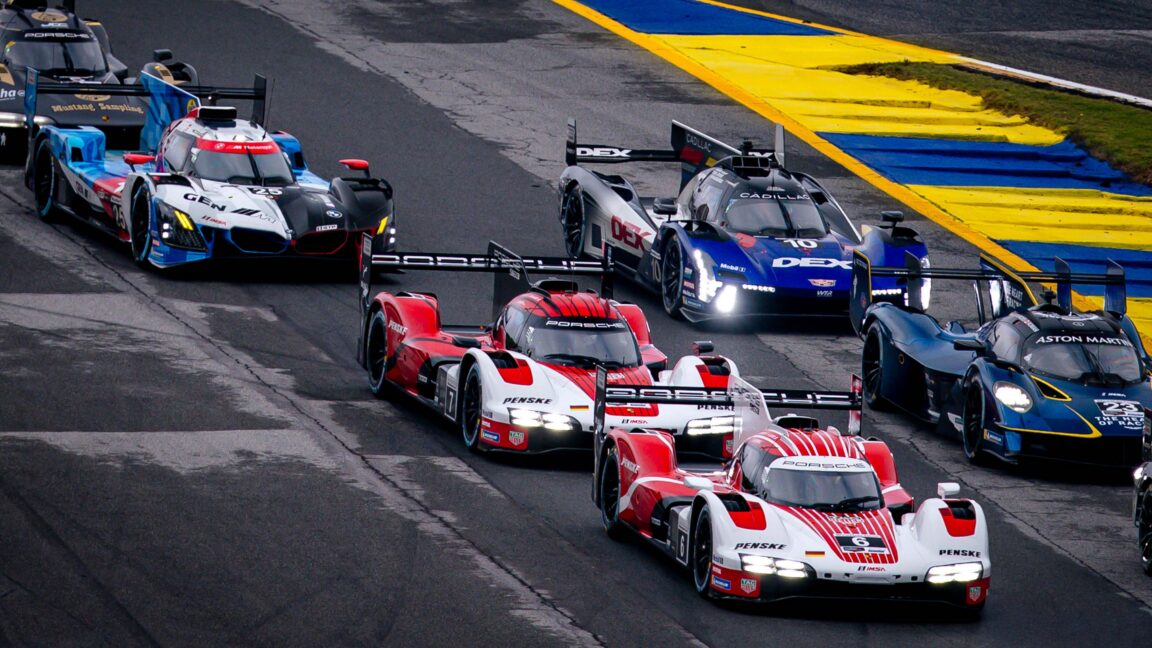
Prototype Racing 2030: A Unified Future Driven by Software
Prototype racing is heading towards a unified, LMDh-based rule set by 2030, promising greater stability, cost-effectiveness, and a focus on software-driven innovation for OEMs, despite current economic challenges.