
Roku Streaming Platform: Popularity Doesn't Equal Perfection
Roku Streaming Platform: Popularity Doesn't Equal Perfection Quick Verdict: Roku dominates the streaming market in terms of user numbers, but don't let its popularity fool you. Recent research suggests it consistently
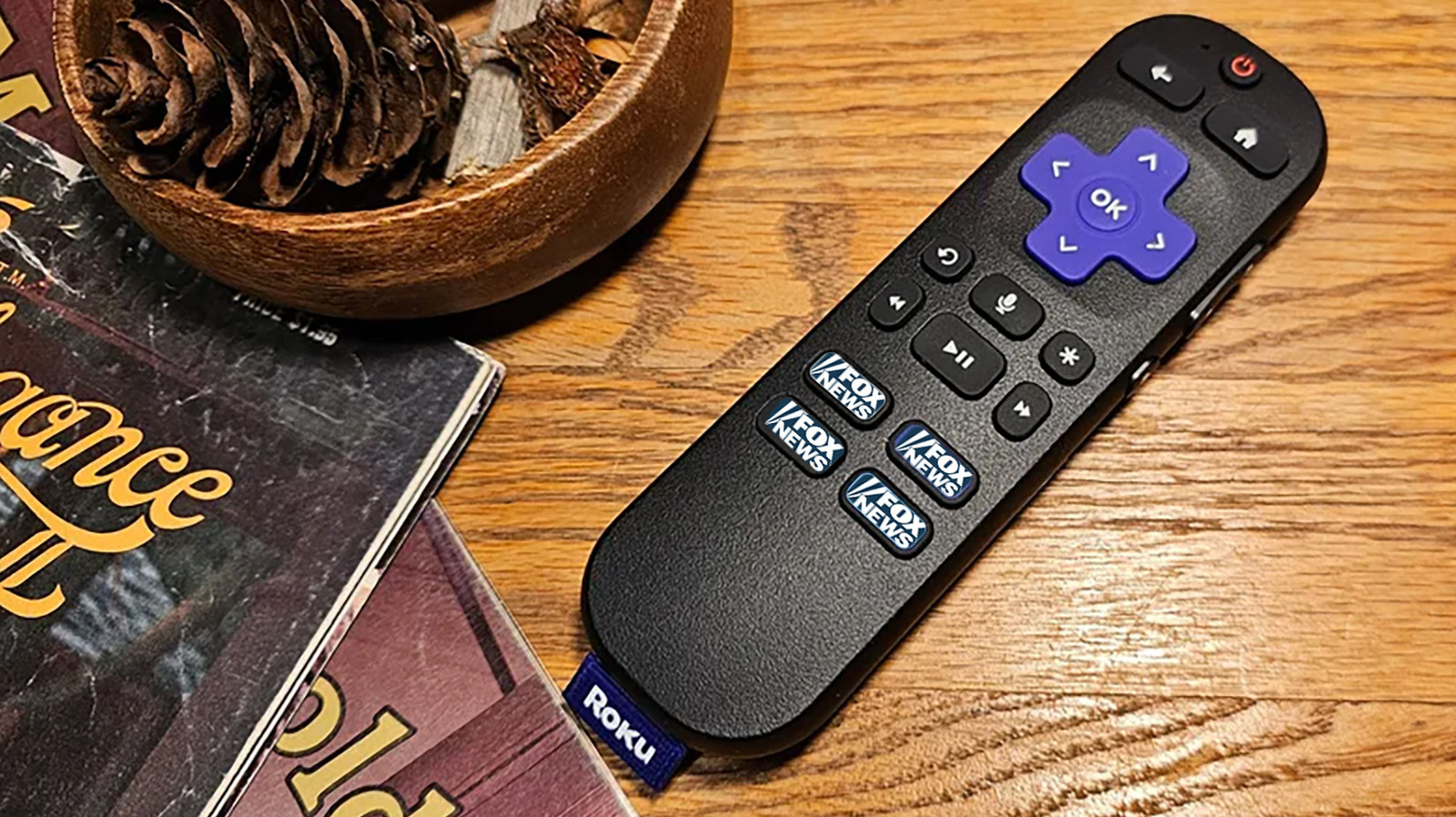
Roku Streaming Platform: Popularity Doesn't Equal Perfection
Quick Verdict: Roku dominates the streaming market in terms of user numbers, but don't let its popularity fool you. Recent research suggests it consistently underperforms its rivals in key areas of user satisfaction, from content discovery and performance to ad experience and smart home integration. While it's accessible and widespread, demanding users – especially younger generations – might find it lacking.
Introduction
Roku has become a household name in the streaming world, boasting the largest user base in the United States. Nearly 40 percent of US streaming platform users opt for Roku, significantly outpacing close competitors like Amazon Fire TV and Samsung Smart Hub, both of which sit below 30 percent. This massive market penetration undoubtedly makes Roku an attractive acquisition target, as evidenced by Fox's recently announced $22 billion bid, aimed at tapping into Roku's broad reach, particularly among younger, streaming-first demographics. However, a deep dive into user satisfaction, as revealed by a Horowitz Research survey, tells a different story: Roku's widespread adoption doesn't translate into a universally loved user experience. In fact, it struggles to stack up against its top rivals across multiple crucial categories.
Market Dominance: Roku's Uncontested Reach
Roku's primary strength lies in its sheer ubiquity. Commanding nearly 40 percent of the US streaming platform market, it's the undisputed leader in terms of active users. This extensive reach is a powerful asset, providing a direct pipeline to a vast audience for content providers and advertisers alike. For companies like Fox, this represents an unparalleled opportunity to broadcast content and serve advertisements to a large, diverse viewership, particularly among the coveted younger demographics who are native to streaming. This market penetration is likely a key driver behind its commercial success and value, enabling it to maintain a strong presence in millions of homes.
User Experience: Where Roku Stumbles
Despite its leading market share, the Horowitz survey paints a clear picture: Roku consistently falls short when it comes to user satisfaction. It didn't manage to lead in any single category surveyed, highlighting significant gaps in its offering compared to competitors. The platform struggles with fundamental aspects that users have come to expect from modern streaming devices.
When pitted against Amazon Fire TV, Roku trails in several critical areas:
- Ease of finding content: Users found it harder to discover desired shows and movies.
- Lag time: The interface and app performance are reportedly less responsive.
- Casting: The experience of casting content from other devices to Roku is less polished.
- Ad experience: Users expressed dissatisfaction with the frequency or quality of advertisements.
Compared to Samsung Smart Hub, Roku also has room for improvement:
- Wi-Fi connectivity: Samsung's platform proved to be more reliable in maintaining a stable connection.
- Reliability: Overall system stability and fewer glitches were reported for Samsung.
Furthermore, both Amazon Fire TV and Samsung Smart Hub surpass Roku in these common areas:
- Start-up speed: Roku devices take longer to boot up.
- Smart home integration: Connecting and controlling smart home devices through Roku is less seamless.
Even premium options like Apple TV and mid-range contenders like Google TV, despite having much lower market shares, also scored higher than Roku in the surveyed areas, indicating a more polished and satisfying user experience across the board.
The Ad Experience Challenge: A Growing Concern
One particular pain point for Roku users, especially the younger, more discerning audience, is the ad experience. Horowitz's Adriana Waterston specifically highlighted the risk posed by Roku's Ads Manager. She warned that it "runs the risk of over-saturating the Roku viewing experience with repetitive, lower quality ads." This aggressive ad strategy could further alienate younger viewers, who are already noted for having a low tolerance for advertising and who "expect a robust, highly personalized and tech-forward user experience." For Gen Z, who prioritize seamless and intuitive interfaces, a cumbersome and ad-heavy experience is a significant deterrent, potentially undermining Roku's efforts to retain this crucial demographic.
Roku's Competitors: A Stronger User Experience?
While Roku boasts market penetration, its rivals consistently outperform it in key user satisfaction metrics. The data from the Horowitz survey clearly indicates that if user experience is a priority, other platforms currently offer a more refined and less frustrating streaming journey.
- Amazon Fire TV: Users reported a superior experience with Fire TV for the ease of discovering content, reduced lag, more reliable casting capabilities, and a generally more tolerable advertising environment. This suggests a smoother day-to-day interaction.
- Samsung Smart Hub: This platform demonstrates stronger foundational performance, outperforming Roku in critical areas like consistent Wi-Fi connectivity and overall system reliability, which are essential for uninterrupted streaming.
- Shared Strengths: Both Amazon Fire TV and Samsung Smart Hub also hold an edge over Roku in fundamental operational aspects such as quicker start-up times and more effective integration with smart home ecosystems, offering a more interconnected and responsive user environment.
- Premium & Mid-Range Alternatives: Even platforms with smaller market shares, such as the premium Apple TV and the value-oriented Google TV, were noted to deliver higher user satisfaction in the areas surveyed. This implies that while they may not reach as many homes, the quality of their user interaction is generally superior to Roku's.
Buying Recommendation
Roku's appeal primarily stems from its accessibility and often lower price point, making it a gateway for many into the world of streaming. If you're someone who prioritizes affordability, a wide array of app availability, and isn't particularly bothered by a less polished interface or frequent advertisements, Roku can still serve its basic purpose. It's a pragmatic choice for those who want to get streaming without much fuss or expense, especially if you're not an active smart home user or demand lightning-fast performance.
However, if your priorities lean towards a premium, responsive, and intuitive user experience with minimal lag, seamless content discovery, robust smart home integration, and a less intrusive ad load, you should seriously consider alternatives. Younger, tech-savvy users who expect a personalized and high-quality digital experience might quickly become frustrated with Roku's shortcomings. For these users, investing in an Amazon Fire TV, Samsung Smart Hub-equipped TV, Apple TV, or Google TV device would likely result in greater satisfaction, even if it means a higher initial outlay or a slightly smaller market share for the platform.
FAQ
Q: Is Roku still a good streaming platform despite these findings?
A: If your primary concerns are affordability and a broad selection of streaming apps, Roku can still be a functional choice. However, if you prioritize a smooth, responsive, ad-light experience with strong smart home integration, the research suggests several competitors offer a more satisfying user experience.
Q: Why is Roku so popular if user satisfaction is lower?
A: Roku's popularity is largely attributed to its widespread market penetration, likely driven by its affordability and ubiquitous availability (both as standalone devices and integrated into smart TVs). Many users might prioritize these factors or simply not be aware of the superior experiences offered by competing platforms.
Q: Should I be concerned about the ad experience on Roku?
A: Yes, you should be aware that the ad experience is a significant area of concern. The research indicates that Roku's Ads Manager might lead to an over-saturation of repetitive, lower-quality ads. If you have a low tolerance for advertising, this could be a major drawback, particularly as younger audiences find this aspect increasingly off-putting.
Related articles

Ars Technica's Rocket Report: Your Essential Space Industry Briefing
Quick Verdict Ars Technica's Rocket Report, presented by veteran space reporter Stephen Clark, offers an invaluable and meticulously organized weekly (or similar frequency, implied by "Edition 9.15") digest of the most

Apple iPhone Duo: A Daring Debut with Notable Compromises
Apple's highly anticipated iPhone Duo, priced at $2,000, has gone on pre-order. While hailed as "Apple's most exciting device in a decade" for its innovative foldable design and immersive display, it comes with significant drawbacks like the absence of FaceID and a premium camera.
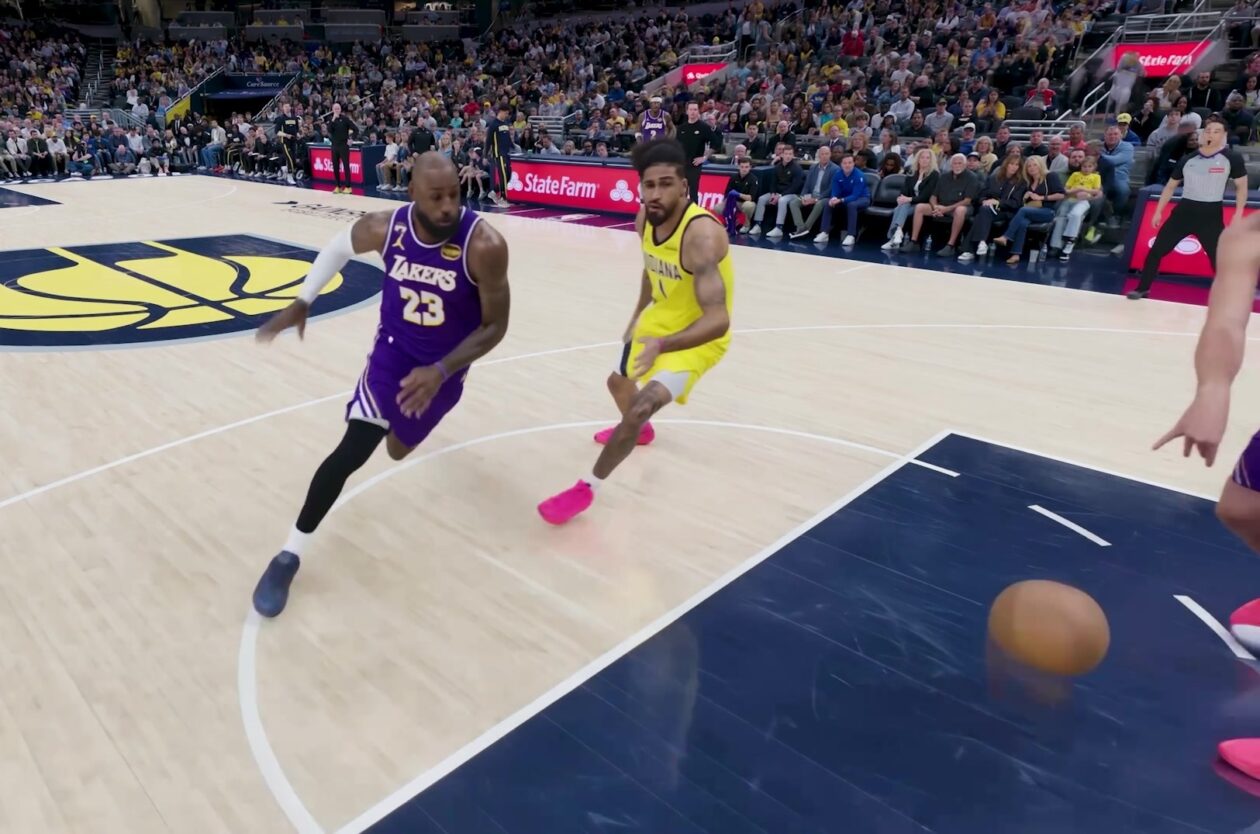
Amazon Prime Video Launches AI-Powered Prime 360 for NBA Coverage
Amazon Prime Video is elevating its NBA coverage with the introduction of Prime 360, an AI-powered replay system offering immersive, 'fly through' views of the action. Kicking off its second season, Prime Video also adds Yahoo fantasy integration and gains exclusive Eastern Conference Finals rights, expanding its tech-driven sports broadcast. The new features aim to deliver a unique and interactive viewing experience for basketball fans.
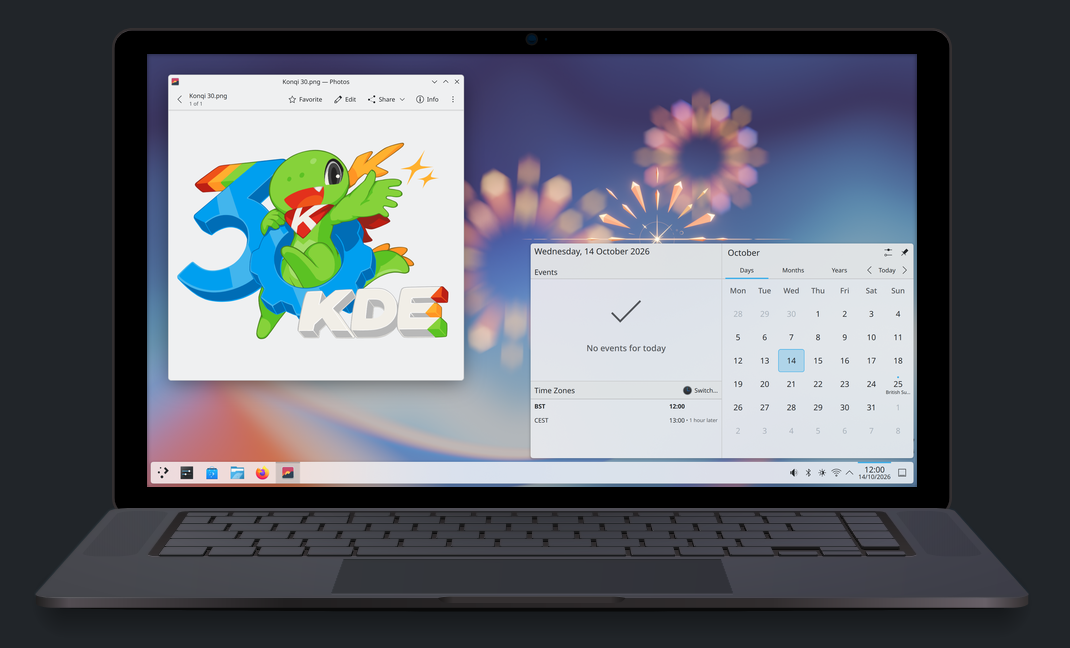
KDE Plasma 6.8: A Future-Focused 30th Anniversary Update
Quick Verdict KDE Plasma 6.8, arriving as the "30th Anniversary Edition," is a pivotal release that decisively pushes the desktop environment into the future. With a definitive farewell to native X11 sessions and a
Galaxy Watch One UI 9 Beta: Promising Progress, But Patience Needed
Galaxy Watch 8, Watch Ultra, and Watch 7 are receiving a new One UI 9 Watch beta build with bug fixes and a security patch. Active development signals progress, but a stable release date remains elusive.

Enterprise AI Beyond Chatbots: A Vision for Actionable Intelligence
Quick Verdict: Redefining Enterprise AI's Potential TechRadar Pro's opinion piece, "What it takes to move enterprise AI beyond the chatbot," delivers a refreshingly honest and vital perspective on the current state and