
Helium Problem Delays NASA's Artemis 2 Moon Mission and Forces Rocket
NASA has delayed the Artemis 2 moon mission from March to April at the earliest due to an interruption in helium flow within the Space Launch System (SLS) rocket. The rocket and its Orion crew capsule must be rolled back to the Vehicle Assembly Building (VAB) for repairs. This crewed lunar flyby is a critical step towards humanity's return to the moon.

Helium problem forces NASA to delay Artemis 2 launch to the moon and roll back the rocket
Key takeaways
- NASA has officially delayed the highly anticipated Artemis 2 moon mission from March to April at the earliest.
- The postponement is due to a technical issue involving an interruption in the flow of helium to the Space Launch System (SLS) rocket's upper stage.
- The towering SLS rocket and its Orion crew capsule must be rolled back from the launch pad to the Vehicle Assembly Building (VAB) for troubleshooting and repairs.
- Artemis 2 is set to be the first crewed mission to travel beyond Earth orbit since 1972, carrying four astronauts on a figure-8 route around the moon.
- This mission is a critical precursor to Artemis 3, which aims to land humans on the lunar surface.
What happened
NASA Administrator Jared Isaacman announced on February 21, 2026, that the Artemis 2 mission, previously targeting a March launch, must now be delayed. The decision stems from a technical issue discovered with the Space Launch System (SLS) rocket. Data indicated an interruption in the flow of helium to the rocket's upper stage.
Isaacman specified that this helium flow problem occurred during a
Related articles
Beyond the Bugs: Conquering Studio Headaches in Indie Dev
This guide, part three in a series on running an indie studio, tackles the crucial but often overlooked aspect of dealing with non-development related issues. It introduces creating a shared 'studio backlog' for collective problems and using the IDS (Identify, Discuss, Solve) framework to address them constructively. The core message is to build powerful habits that keep studios from getting quietly derailed by lingering challenges.

Flox Intelligence Harnesses AI to Safeguard Wildlife and
Flox Intelligence, a KTH spin-off and TechCrunch Disrupt finalist, is deploying AI-powered edge devices to deter wildlife from critical infrastructure like railways and airports. The system identifies animals and uses species-specific sounds, learning and adapting to prevent costly collisions and delays. With 150 devices deployed globally and $5 million raised, Flox aims to scale significantly with a new Series A round.

in-depth: OpenAI Is Pissing Off a Bunch of Mathematicians—Again
OpenAI is poised to release over 100 AI-generated solutions to unsolved math problems on GitHub, sparking renewed outrage from mathematicians. Critics denounce the move as "mobster behavior," intensifying debates over AI's impact on academic integrity and human intellectual contribution, and the future of mathematical discovery.

Instagram Read-Only Mode: A Troubling Premium Concept
Quick Verdict Instagram's internally explored 'read-only mode' for potential 'Plus subscribers' is a deeply problematic concept. While it promises a passive browsing experience free from the pressure of engagement, its

iPhone 18 Pro Max: Major AT&T Cellular Flaw Forces Free Replacements
The iPhone 18 Pro Max on AT&T is suffering from a critical cellular service failure, rendering phones unable to call or text. Apple has released preventive software updates but will replace already affected devices for free, acknowledging a hardware-level problem.
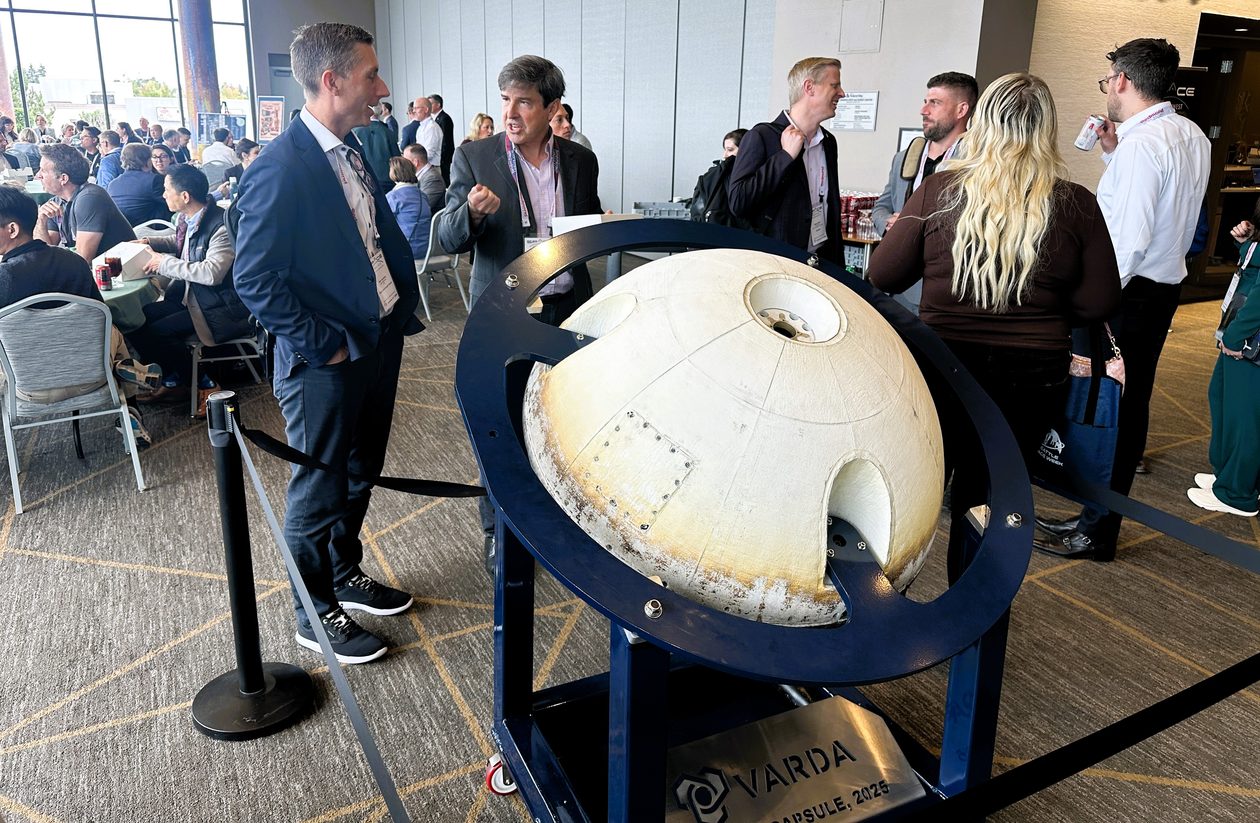
regional: Seattle Space Week shines a light on eight problems and
Seattle Space Week highlighted significant growth in Washington's space industry, alongside critical challenges like a launch crisis and workforce shortages. Leaders discussed four problems and four prospects, including securing local funding, competing with rival states, and the potential for new launchers and even a homegrown launchpad. State initiatives, like Governor Ferguson's Space Council, aim to foster public-private partnerships and retain key businesses.