
Galaxy S26 Ultra Review: High Price, Low Hype
The Galaxy S26 Ultra disappoints, feeling like a modest S23 Ultra-S rather than a true 2026 flagship. Despite a high $1,300 price, it offers limited innovation, questionable build decisions, and lags behind competitors in key areas like charging and camera tech.
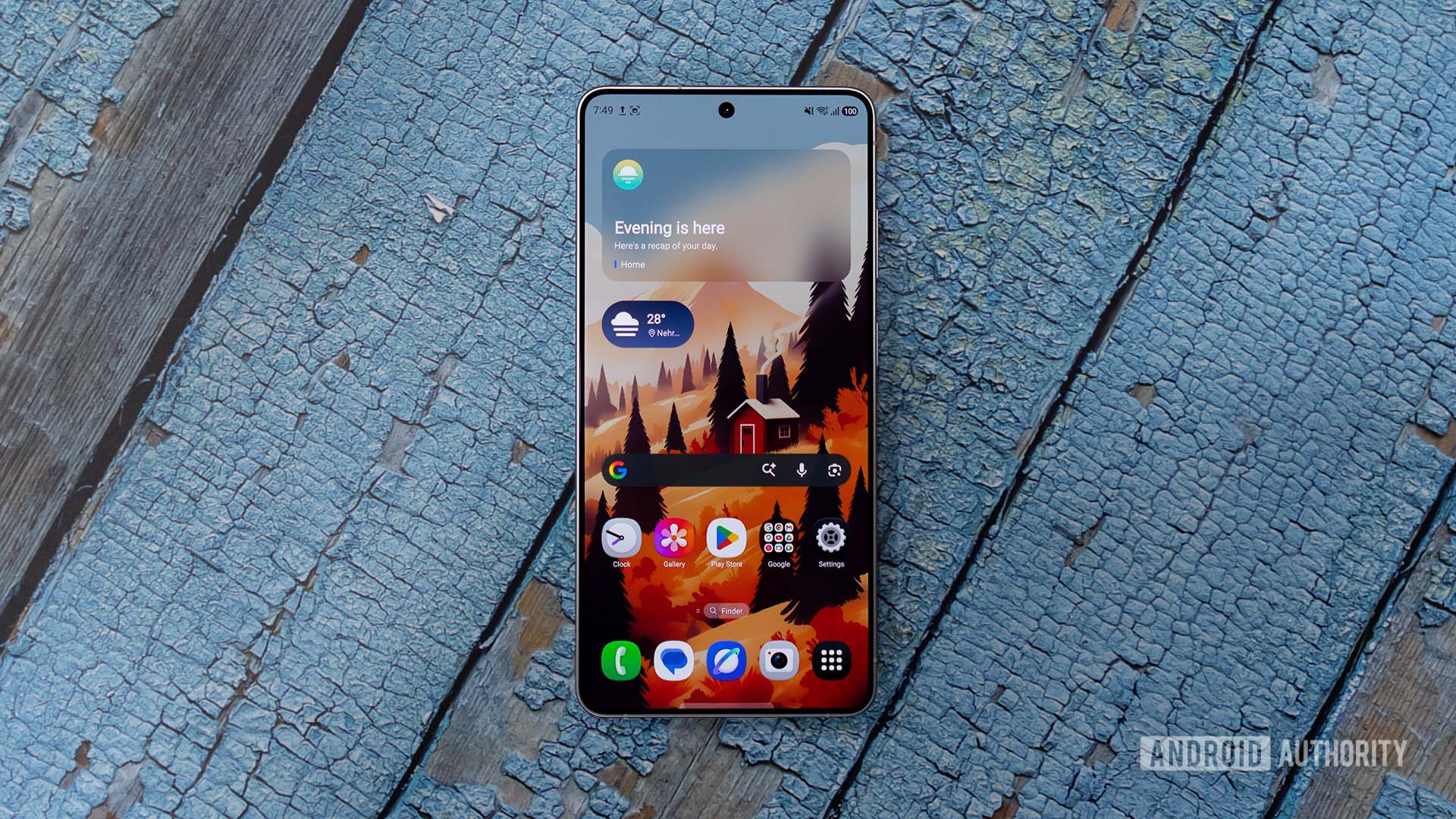
I spent three weeks with the Galaxy S26 Ultra — and I don’t get the hype
Verdict: The Samsung Galaxy S26 Ultra, at its premium $1,300 price point, is a capable smartphone, but it fails to deliver the "extraordinary" experience its "Ultra" branding and cost suggest. Instead, it feels like a modest update to its predecessors, lacking the bold innovation seen in previous generations and offering a decidedly safe, almost stagnant, experience.
Having spent three weeks thoroughly testing the Galaxy S26 Ultra, it's clear this device is good, perhaps even great for someone upgrading from a much older phone. However, for a flagship device commanding such a hefty sum, "good" simply isn't enough. It needed to be extraordinary, a genuine leap forward, but instead, it comes across as a Galaxy S23 Ultra-S – a familiar soul residing in a 2026 body. This review will delve into why this latest offering from Samsung left me underwhelmed, despite its undeniable competence.
Is the "Ultra" branding justified?
Historically, the Galaxy Note, and later the Ultra series, symbolized Samsung's commitment to pushing boundaries and integrating cutting-edge technology. The $1,300 price tag used to reflect substantial R&D investments. Now, it feels more like a premium covering Samsung's extensive marketing and distribution networks, rather than ground-breaking innovation. The S26 Ultra’s claim to the "Ultra" moniker feels more about market positioning than a true reflection of its advanced capabilities.
Display: Innovation with caveats
One area where Samsung does introduce something new is the Privacy Display. This technology allows users to conceal parts or all of their screen content, a potentially useful feature for privacy. However, its implementation has the distinct feel of a "first-generation" product. Critics, including myself and other colleagues, have noted that the S26 Ultra’s panel quality appears to be a step down from the Galaxy S25 Ultra, even when the Privacy Display feature is off. When activated, the screen noticeably washes out, and the anti-glare experience is inferior to last year's model. Essentially, consumers are paying a premium to beta test a feature on a flagship device, a move that harks back to the experimental Note days but feels out of place for a polished Ultra product.
Declining hardware legacy
Samsung's stagnation extends to core hardware components. The iconic S Pen, once a hallmark of productivity and creativity, has been diminished. It's now thinner, features an edged cap, and has been stripped of its useful Bluetooth functionalities, reducing it to a less capable tool than its predecessors.
Furthermore, the device's build materials show a concerning trend. After championing Titanium in recent years, Samsung has reverted to Armor Aluminum. This shift feels like a calculated cost-cutting measure, coincidentally mirroring similar decisions made by Apple. For a phone priced at $1,300, customers expect the absolute best materials available, not a mid-cycle regression.
Core features behind the curve
Even in areas traditionally considered strengths, the S26 Ultra struggles to stand out. Samsung's move to 60W charging, while an improvement, is considerably behind the curve. It's frankly embarrassing for a 2026 flagship to not even match the 65W speeds offered by a OnePlus phone back in 2020. This slow pace of adoption in critical areas like charging is a significant drawback.
The camera system, too, shows a lack of ambition. The S26 Ultra still employs a 1/1.3-inch primary camera sensor, while many of its direct competitors in the "Ultra" space have transitioned to larger 1-inch optics, promising superior light gathering and image quality. This puts Samsung's hardware at a disadvantage, already "coasting on yesterday's laurels."
Samsung's commitment to seven years of software updates, while commendable on paper, feels like a "hollow victory" when the underlying hardware is already lagging. Software patches won't compensate for an undersized camera sensor, slower charging, or less premium materials. Meanwhile, competitors are adopting advanced technologies like silicon-carbon batteries, offering significantly higher energy densities, faster charging, and multi-day battery life – areas where the S26 Ultra shows little innovation.
The shielded US market and overlooked alternatives
The S26 Ultra's perceived success is largely attributed to a lack of true high-end competition in the US market. Brands like Xiaomi, OPPO, vivo, and HUAWEI are producing genuinely innovative "Ultra"-level devices, such as the Xiaomi 17 Ultra, OPPO Find X9 Ultra, and vivo X300 Ultra. However, these devices are largely unavailable to US consumers, creating a protected environment for Samsung.
Samsung leverages its established brand power in key markets like the US, a dominance built on a decade of innovation against former rivals like LG and HTC. This market position allows the company to play it safe, as it doesn't need to innovate aggressively to attract attention; it merely needs to manage its existing lead. Unfortunately, this means US consumers are often unaware of the superior technology available elsewhere, and the S26 Ultra becomes the most "Ultra" phone they can readily access.
However, even within the US, viable and often more compelling alternatives exist. Apple's iPhone 17 Pro Max continues to offer a strong ecosystem, robust app experience, and a surprisingly rapid pace of recent innovations. Google's Pixel 10 Pro XL, while not pretending to be an "Ultra," accepts its flaws for a lower price point, offering excellent build quality and a smooth software experience. Even older hardware like the OnePlus 13 offers a gorgeous design, clever AI features, and flexible cameras at a potentially better value.
Perhaps the strongest argument against the S26 Ultra comes from its own lineage. The Galaxy S25 Ultra, or even the S24 Ultra and S23 Ultra, present a more compelling value proposition, especially at their likely reduced prices in 2026. These older models offered a more consistent display experience without the S26 Ultra’s Privacy Display clarity trade-offs, a more premium-feeling build, and S Pens that felt like genuine productivity tools. The marginal utility offered by the S26 Ultra simply doesn't justify its higher cost compared to these previous generations. Skipping the S26 Ultra means you're not missing out on much, which, for a phone at this price, is a damning indictment.
The Verdict: Marketing over Innovation
Despite my efforts to appreciate it, the Galaxy S26 Ultra comes across as the most uninspired phone of the year. Samsung has delivered what is essentially a Galaxy S23 Ultra-S: a safe, competent, but ultimately average experience marketed as the pinnacle of Android. It's not a bad phone, but it falls short of being an excellent one, which is what an "Ultra" phone at this price point absolutely needs to be.
If Samsung continues to shy away from innovation and risk-taking, the "Ultra" brand risks becoming nothing more than a label for the most expensive device in a carrier store. This trend isn't just a missed opportunity for Samsung; it signifies a worrying stagnation for the entire US mobile market.
FAQ
Q: Is the Galaxy S26 Ultra worth its $1,300 price tag? A: Based on this review, no. While it's a capable device, it lacks the significant innovations and premium execution expected at this price point, especially compared to both international competitors and even older Samsung Ultra models that offer better value.
Q: How does the S26 Ultra compare to previous Galaxy Ultra models like the S23 or S25 Ultra? A: Many aspects of the S26 Ultra, such as the display quality (with Privacy Display issues), S Pen functionality, and build materials (Armor Aluminum vs. Titanium), are seen as regressions or offering minimal improvement over the S23 and S25 Ultra. These older models may offer a more consistent experience and better value at their current prices.
Q: What are the main downsides of the S26 Ultra? A: Key downsides include the first-generation Privacy Display affecting screen quality, a downgraded S Pen, a regression to Armor Aluminum from Titanium, slower charging speeds compared to competitors (even older ones), and a primary camera sensor that lags behind rivals. Its innovation mostly serves to justify the "Ultra" branding rather than redefine the flagship experience.
Related articles

Apple Unveils iPhone Duo: Pricey Foldable Sees Soaring Demand
Apple has officially entered the foldable smartphone arena with the long-anticipated launch of the iPhone Duo. Priced starting at a hefty $1,999, the device features a 5.4-inch outer display and a larger 7.6-inch inner
Android 17 QPR2 Beta 7.1: The Performance Relief You've Been Waiting
Android 17 QPR2 Beta 7.1: Finally Fixing the QPR1 Performance Woes Verdict: Android 17 QPR2 Beta 7.1 is a crucial and highly anticipated software update for Google Pixel users, specifically targeting and resolving the

DJI Solo Video Setups: Smart Choices for Lone Creators
This review delves into DJI's recommended solo video setups, highlighting the Osmo Pocket 3 Creator Combo as a top pick for its integrated camera, gimbal, and mic. It also covers stabilizers like the Osmo Mobile 8 and RS 4, and the DJI Mic Mini series for enhanced audio, providing honest pros, cons, and clear buying advice.
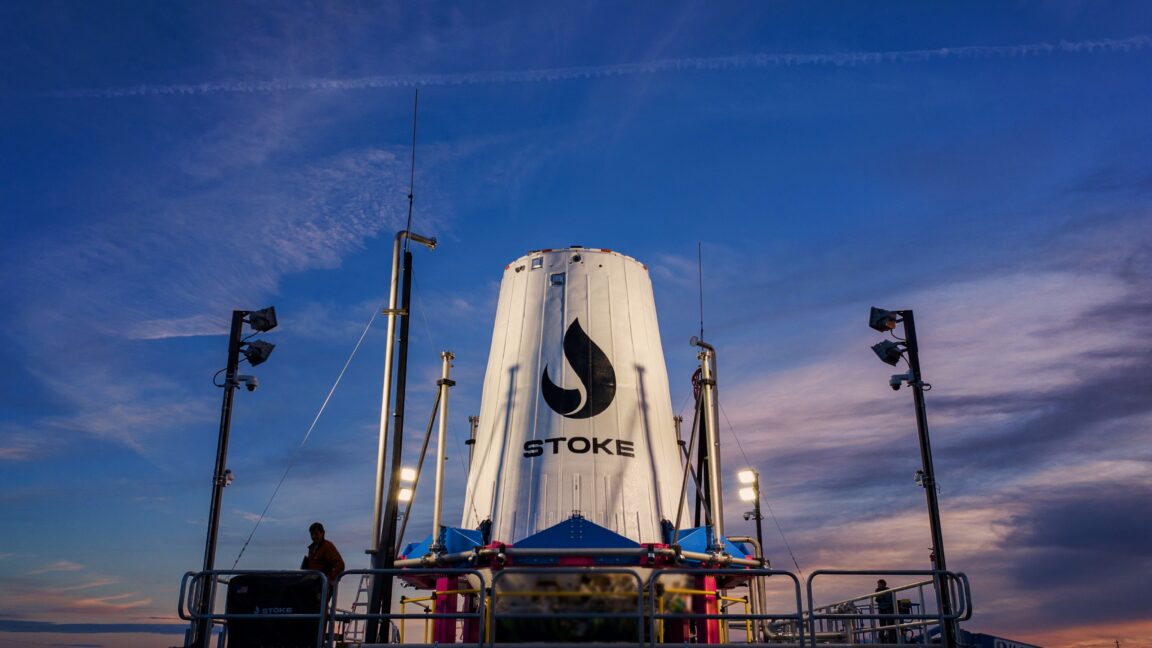
Ars Technica's Rocket Report: Your Essential Space Industry Briefing
Quick Verdict Ars Technica's Rocket Report, presented by veteran space reporter Stephen Clark, offers an invaluable and meticulously organized weekly (or similar frequency, implied by "Edition 9.15") digest of the most
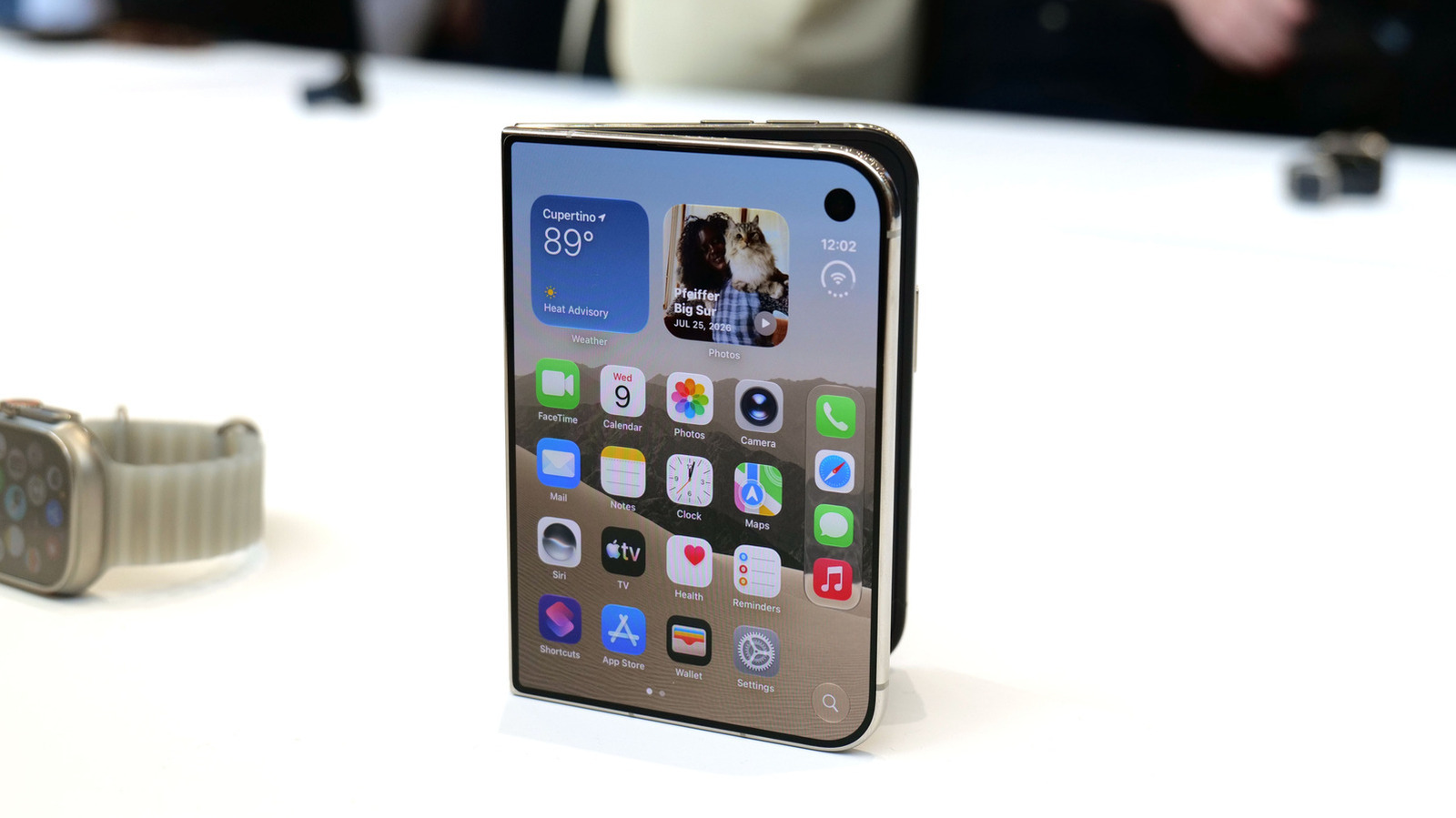
Apple iPhone Duo: A Daring Debut with Notable Compromises
Apple's highly anticipated iPhone Duo, priced at $2,000, has gone on pre-order. While hailed as "Apple's most exciting device in a decade" for its innovative foldable design and immersive display, it comes with significant drawbacks like the absence of FaceID and a premium camera.

Tesla Unveils Thruster-Equipped Roadster, 2028 Production Targeted
Tesla has unveiled its second-generation Roadster, featuring cold-gas thrusters co-developed with SpaceX, enabling it to jump and flip. The electric sports car demonstrated 0-60mph in an astonishing 0.81 seconds, with production targeted for 2028. This highly anticipated reveal also serves as a key recruitment tool for Tesla's ambitious AI and robotics initiatives.