14 results found

Microsoft's October 2026 Windows update delivers a critical security overhaul, patching over 1,400 vulnerabilities including two zero-days, one already exploited. It's essential for all users, especially with several Windows 11 versions reaching end of support.

The Pentagon's decades-long neglect of its computer networks has led to a critical national security risk, now amplified by AI. Adversaries are using advanced AI to exploit these aging systems, leading to a tenfold increase in zero-day vulnerabilities. Military leaders acknowledge the peril, signaling an urgent shift in priorities.
Capital One has launched VulnHunter, an open-source AI tool designed to identify and fix software vulnerabilities proactively. This agentic AI scans source code using an "attacker-first" approach and a "falsification engine" to minimize false positives, providing targeted code fixes. The move reflects Capital One's commitment to collaborative defense against rising AI threats, especially after its significant 2019 data breach.

Tesla's Nevada Gigafactory has become the target of an "epidemic" of battery thefts, with millions of dollars worth of car and home batteries stolen directly from loading docks. Sheriff's records detail at least 11 incidents since December, nine of which occurred in January, involving sophisticated "strategic thefts" by organized groups exploiting security vulnerabilities. Tesla has since tightened protocols, and law enforcement has made arrests, but the broader issue of rising cargo theft continues to challenge the industry.

A ransomware attack by ShinyHunters crippled the Canvas learning platform, disrupting students during finals. This incident, emblematic of growing digital threats, highlights how vulnerabilities extend from critical educational tools to everyday smart devices, signaling a new era of pervasive cyber risks.

This article details how to build a secure AI-powered pull request reviewer using JavaScript, Claude, and GitHub Actions. It focuses on critical security aspects like sanitizing untrusted diff input, validating probabilistic LLM output with Zod, and employing fail-closed mechanisms to ensure robustness and prevent vulnerabilities.

Anthropic has launched its Claude Mythos Preview model, claiming it poses an unprecedented existential threat to cybersecurity by autonomously discovering vulnerabilities and developing exploits. Released initially to a select group via Project Glasswing, the AI’s ability to create complex "exploit chains" is forcing industry and government leaders to reconsider defensive strategies. Experts argue this signals a shift from reactive patching to a proactive "secure by design" approach in software development.

Meta has indefinitely paused its collaboration with data vendor Mercor due to a significant security breach that could expose proprietary AI training data. The incident, confirmed by Mercor on March 31, is linked to the TeamPCP hacking group and impacts crucial information for major AI labs like OpenAI and Anthropic. This supply chain attack highlights the vulnerabilities in the AI ecosystem and the sensitive nature of data used for model development.

Super Micro co-founder Yih-Shyan ‘Wally’ Liaw and two others face federal charges for a $2.5 billion scheme to smuggle advanced Nvidia AI servers to China, circumventing US export controls. The alleged operation involved using dummy servers and swapping serial numbers to deceive auditors. This case exposes significant vulnerabilities in US tech export policies and raises questions about corporate compliance amidst escalating chip trade tensions.

A potent new hacking tool, "DarkSword," has been found targeting iPhones running iOS 18.4-18.6.2, enabling suspected Russian hackers to steal extensive personal data via malicious links. Discovered by Google, Lookout, and iVerify, the exploit could impact 270 million devices. Apple has patched the vulnerabilities, urging users to update immediately.

A journalist faced death threats from Polymarket gamblers over a missile strike report, revealing critical vulnerabilities in prediction markets. The incident highlights the "oracle problem" where human-generated data, acting as an oracle, becomes a target for manipulation due to high financial stakes. This underscores the need for robust, decentralized data sources and ethical system design.
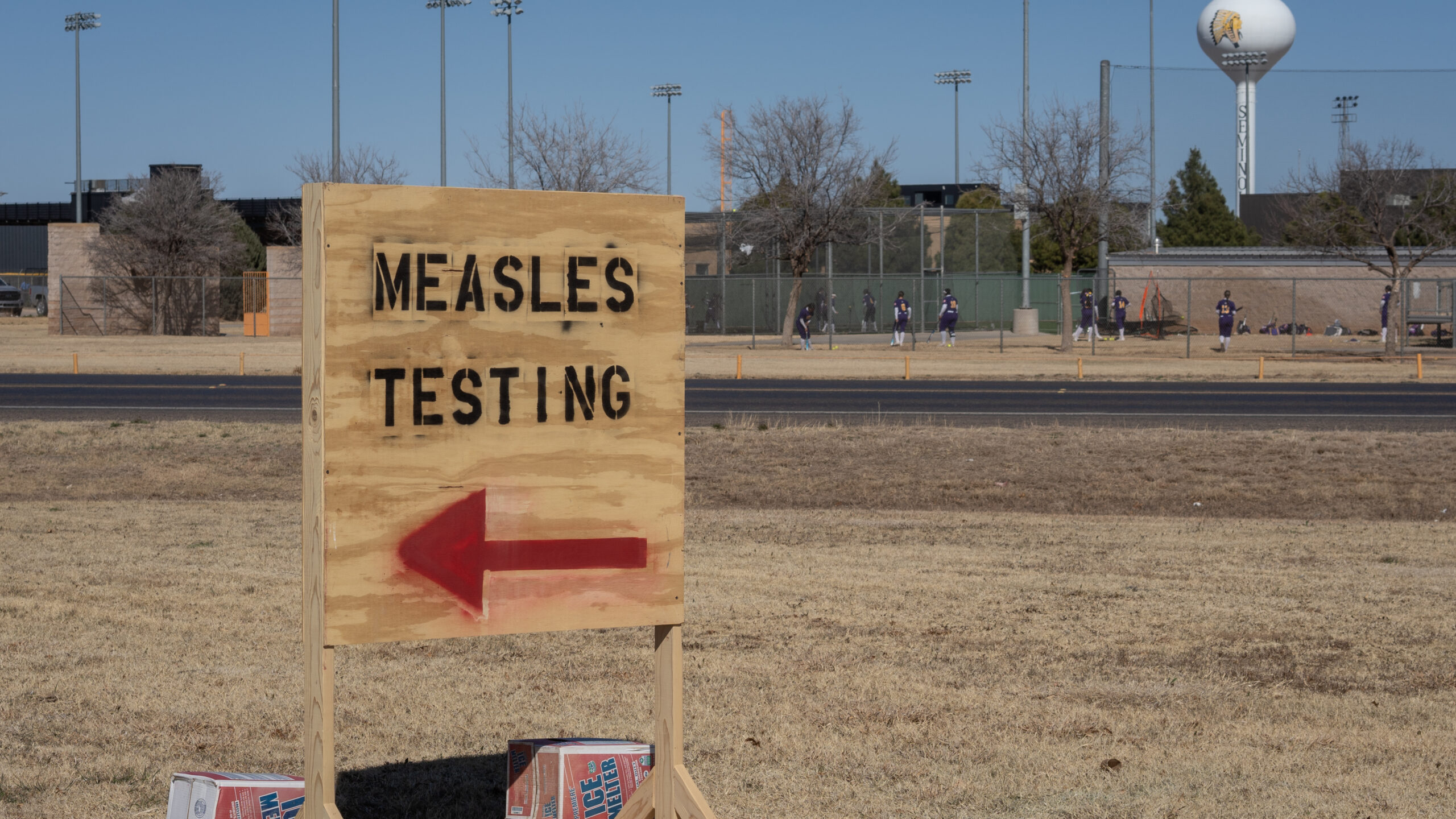
This review analyzes the urgent warning from Brown University's Pandemic Center: the measles resurgence signals systemic public health vulnerabilities, high economic costs, and eroding public trust, prefiguring future disease threats.

DJI will pay security researcher Sammy Azdoufal $30,000 for discovering critical vulnerabilities in its Romo robot vacuums. Azdoufal accidentally accessed a network of 7,000 Romo devices, exposing privacy risks including PIN-less video access. While some issues are patched, a more severe vulnerability is still being addressed, with full system upgrades expected within a month.

IDOR (Insecure Direct Object Reference) vulnerabilities in Next.js API routes occur when authenticated users can access unauthorized resources by manipulating identifiers. This article details how to prevent IDORs by distinguishing authentication from authorization, implementing object-level authorization checks, and designing secure `/api/me` endpoints.
