18 results found

Chicago-area law enforcement, including local police and HSI agents, conducted undercover surveillance on Minnesota anti-ICE activists at an April 2, 2022, talk in Chicago. This operation was part of a federal conspiracy probe into 15 Minnesota activists facing felony charges related to immigration enforcement resistance. Civil liberties advocates have condemned the surveillance as a troubling intrusion into protected political activity.

A federal judge in Oklahoma delivered a landmark ruling on Thursday, declaring that a police investigation utilizing Flock license-plate-reader (LPR) cameras to reconstruct a woman's movements constituted an

A new free app, ZuckOff, is gaining popularity for its ability to detect Meta smart glasses using Bluetooth, offering a tool for personal privacy against unsolicited filming. Developed by Pawel Szydlowski, it alerts users to the presence of devices like Ray-Ban Meta and Snap Spectacles, addressing growing concerns over covert recording. This innovation provides a partial solution amidst calls for stronger legislative and technological safeguards.

President Donald Trump publicly backed Flock license-plate cameras, a growing surveillance technology, citing its benefits for law enforcement despite acknowledging privacy concerns. This marks his first public endorsement of the controversial automated license plate readers (ALPRs). Critics argue the widespread data collection infringes on privacy, fueling a national debate on surveillance and civil liberties.

Meta Glasses: A Close Look at Surveillance Concerns and Official Bans Quick Verdict: Meta's smart glasses, while offering a seemingly convenient way to capture moments, are facing significant scrutiny, particularly

Hours of SFPD drone footage from a Skydio platform have leaked, revealing extensive aerial surveillance over San Francisco. This exposure highlights how broadly police are monitoring the city and the critical risks of sensitive data spilling online, raising significant privacy and security concerns.

The European Parliament has controversially extended legislation allowing Big Tech to scan private messages for child abuse material, despite a majority of lawmakers voting against it. Passed via a procedural loophole, the "Chat Control" bill reinstates these permissions until 2028, sparking outcry from privacy advocates who warn of widespread digital surveillance.

The Commodity Futures Trading Commission is deploying advanced AI tools and surveillance systems to aggressively pursue insider trading on prediction markets like Polymarket, even those operating offshore. This marks a significant escalation in regulatory enforcement, with CFTC Chairman Michael Selig vowing to identify and prosecute US citizens exploiting confidential information. The agency is responding to rising congressional pressure and has already made an arrest.

PowerLight Technologies' laser power beaming system successfully kept a military drone airborne for hours during Pentagon tests. This breakthrough, demonstrated at Shaw Air Force Base, could enable indefinite flight for unmanned systems, revolutionizing surveillance and offering potential counter-drone capabilities.

Verdict: A Disturbing Vision From a Major Tech Player Palantir, known for its powerful, often controversial, defense and surveillance software, has released a 1,000-word manifesto, distilled from its 2025 book The

U.S. judge sides with Anthropic, temporarily blocking the Pentagon from branding the AI company a "supply chain risk" after it refused to lower guardrails for military use, citing ethical concerns over mass surveillance and autonomous weapons. This ruling is a significant win for tech autonomy and ethical AI development.

U.S. Senator Elizabeth Warren has condemned the Pentagon's decision to label AI lab Anthropic a "supply-chain risk" as "retaliation." This follows Anthropic's refusal to allow its AI for mass surveillance or lethal autonomous weapons without human oversight. The dispute, which has garnered support for Anthropic from across the tech industry, will see a pivotal court hearing this Tuesday in San Francisco.
Three individuals tied to Silicon Valley's Super Micro, including a co-founder, are charged with violating U.S. export laws. They allegedly diverted Nvidia A.I. chip servers to China, circumventing restrictions designed to prevent military and surveillance advancements. This federal indictment signals a firm stance against illicit tech transfers.

Mirai Robotics, an Italian startup, has secured $4.2 million in pre-seed funding to develop autonomous surface vessels and a maritime intelligence platform. This investment targets the "blue economy," aiming to introduce software-defined control to oceans to combat rising costs, workforce shortages, and enhance surveillance. The company’s innovative technology promises to unlock new efficiencies and address critical security challenges in marine environments.

Augur, a London startup, has secured $15 million in seed funding led by Plural to transform existing surveillance infrastructure into real-time intelligence. The company aims to enhance critical infrastructure protection against escalating threats like sabotage, addressing a crucial gap in situational awareness. This funding will accelerate product development and deployment across Europe.

AI firm Anthropic plans to challenge the DOD's recent "supply chain risk" designation in court, calling it "legally unsound." This follows a dispute over AI control, with Anthropic refusing use for mass surveillance or autonomous weapons, while the Pentagon seeks unrestricted access for lawful purposes. The designation could bar Anthropic from military contracts.
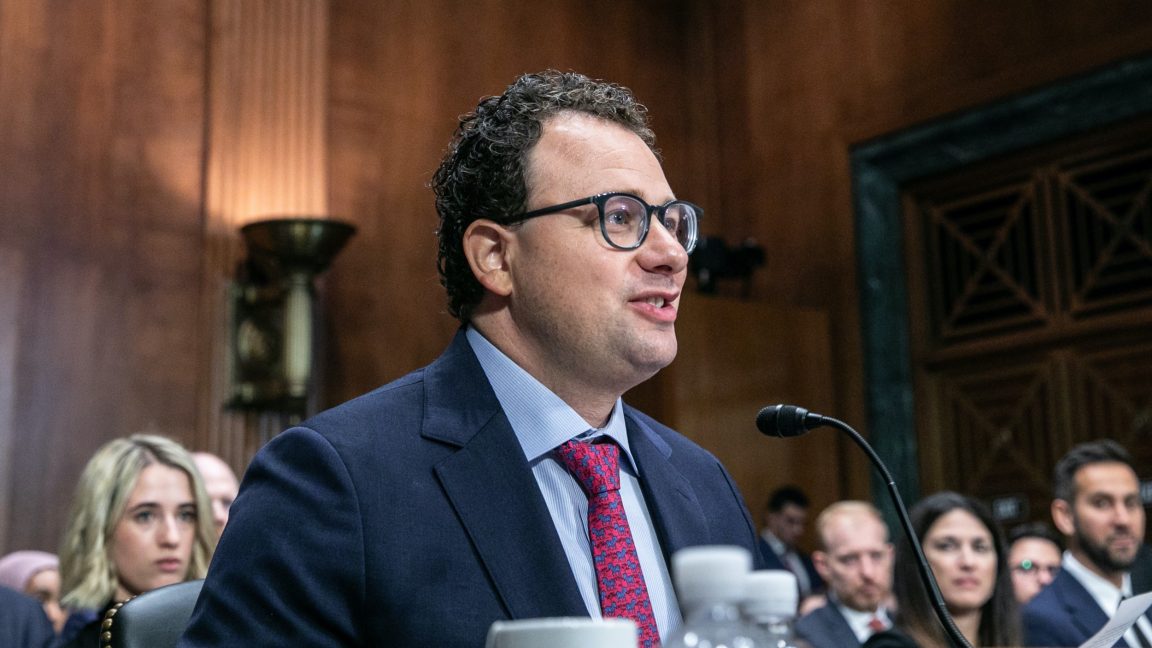
President Trump banned federal agencies from using Anthropic's AI tools, citing the company's refusal to lift restrictions on military use. This clash over "all lawful use" versus Anthropic's ethical red lines (lethal autonomous weapons, mass surveillance) creates disruption for agencies and sets a precedent for AI ethics in government contracts.

The Pentagon has designated AI developer Anthropic as a "Supply-Chain Risk to National Security" after the company refused to allow its AI for mass domestic surveillance or autonomous weapons. This follows President Trump's directive to cease federal use of Anthropic products, which the company vows to challenge legally. OpenAI, initially supporting Anthropic's stance, swiftly secured a deal with the Pentagon to fill the void, claiming to uphold similar ethical principles.
