41 results found

Xbox has launched a new XP division dedicated to expanding its gaming franchises into transmedia, including film, TV, and theme parks. Led by former Mojang President Kayleen Walters, this ambitious unit aims to leverage successful IPs like Fallout and Minecraft beyond games. While the Fallout TV series and Minecraft movie are early hits, the division operates amidst Xbox's broader "reset" and recent layoffs, highlighting both immense potential and significant challenges ahead.
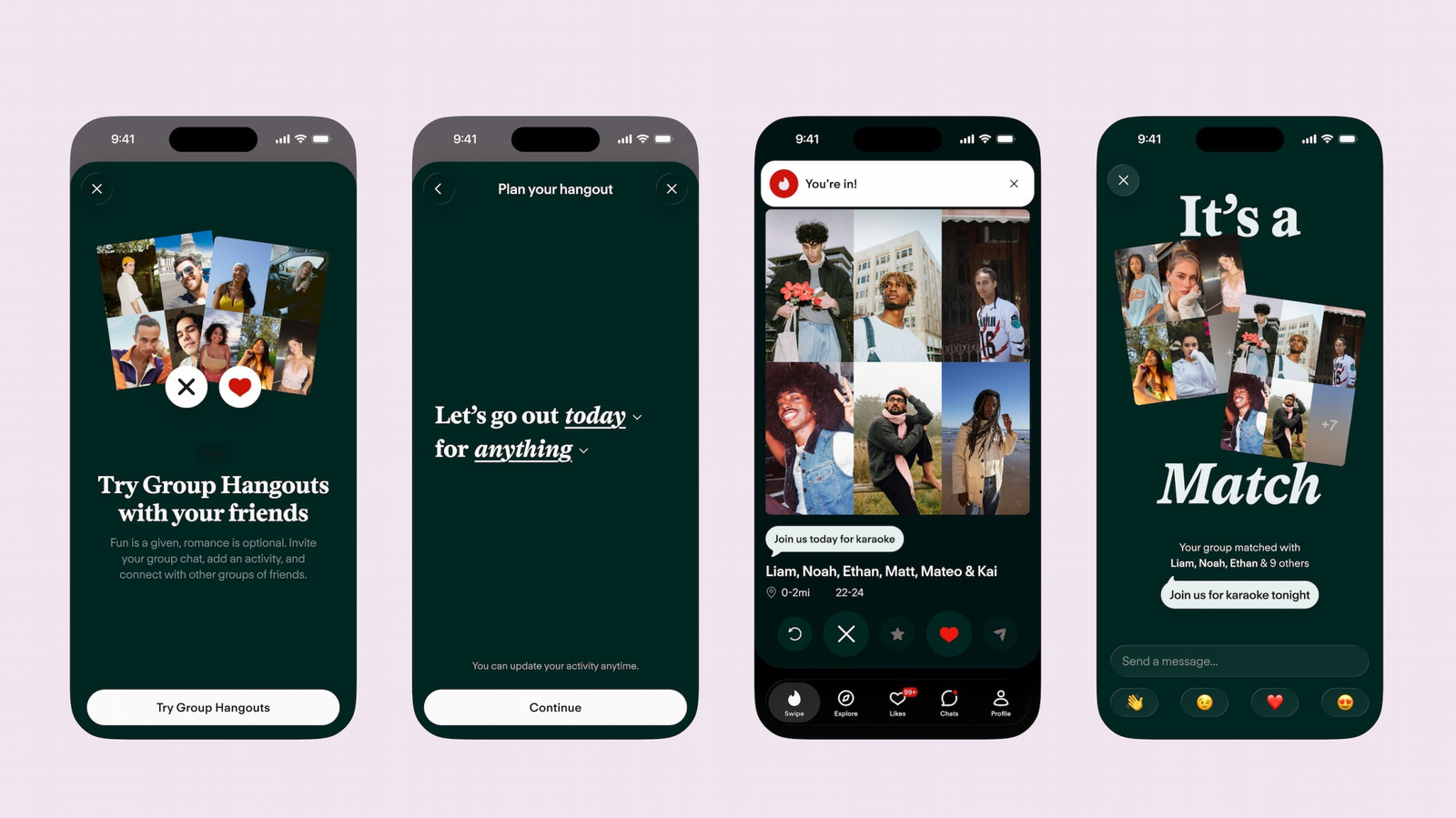
Tinder's new Group Hangouts feature expands on double dates, offering a low-pressure way to meet new people with friends. This review explores its mechanics, benefits, and potential drawbacks for users seeking a more social dating experience.

President Donald Trump held a private dinner with Anthropic CEO Dario Amodei, marking their first one-on-one meeting after months of public and policy-level tensions over AI development. Trump has pushed for accelerated AI growth, while Amodei has advocated for a slowdown and stringent guardrails, leading to past clashes including Anthropic's blacklisting by the Pentagon. The White House has not released details of their discussion.

Anthropic's Leap into the Physical: A New Era for AI in Biology Verdict: Anthropic's establishment of a physical bio research lab marks a pivotal, albeit opaque, moment for AI's expansion into tangible scientific

King Charles III is hosting a crucial AI summit in Scotland this week, gathering top industry leaders, government officials, and ethical advisers. The meeting comes amid escalating warnings from AI insiders, including fears of an "existential threat" to humanity, underscoring the urgent need for responsible development and regulation of artificial intelligence.

Quick Verdict Samsung's latest addition to its Galaxy Book 6 lineup, the new $799 model, is a compelling entry into the budget laptop market. It aims to deliver a balanced experience with solid core performance,

Meet 4Divinity, a publisher you've probably never heard of, making an unprecedented multi-million dollar splash at Gamescom. They're betting big on new, mid-tier single-player games from Chinese developers to fill a perceived void in the Western market.

Learn to effortlessly use Google Meet's "Take Notes for me" AI feature to automatically transcribe and summarize your in-person meetings, freeing you to engage fully in discussions.

Learn to quickly assess the ASUS Chromebook CX15's features, bundled AI benefits, pricing, and availability to determine if it meets your computing requirements in India.
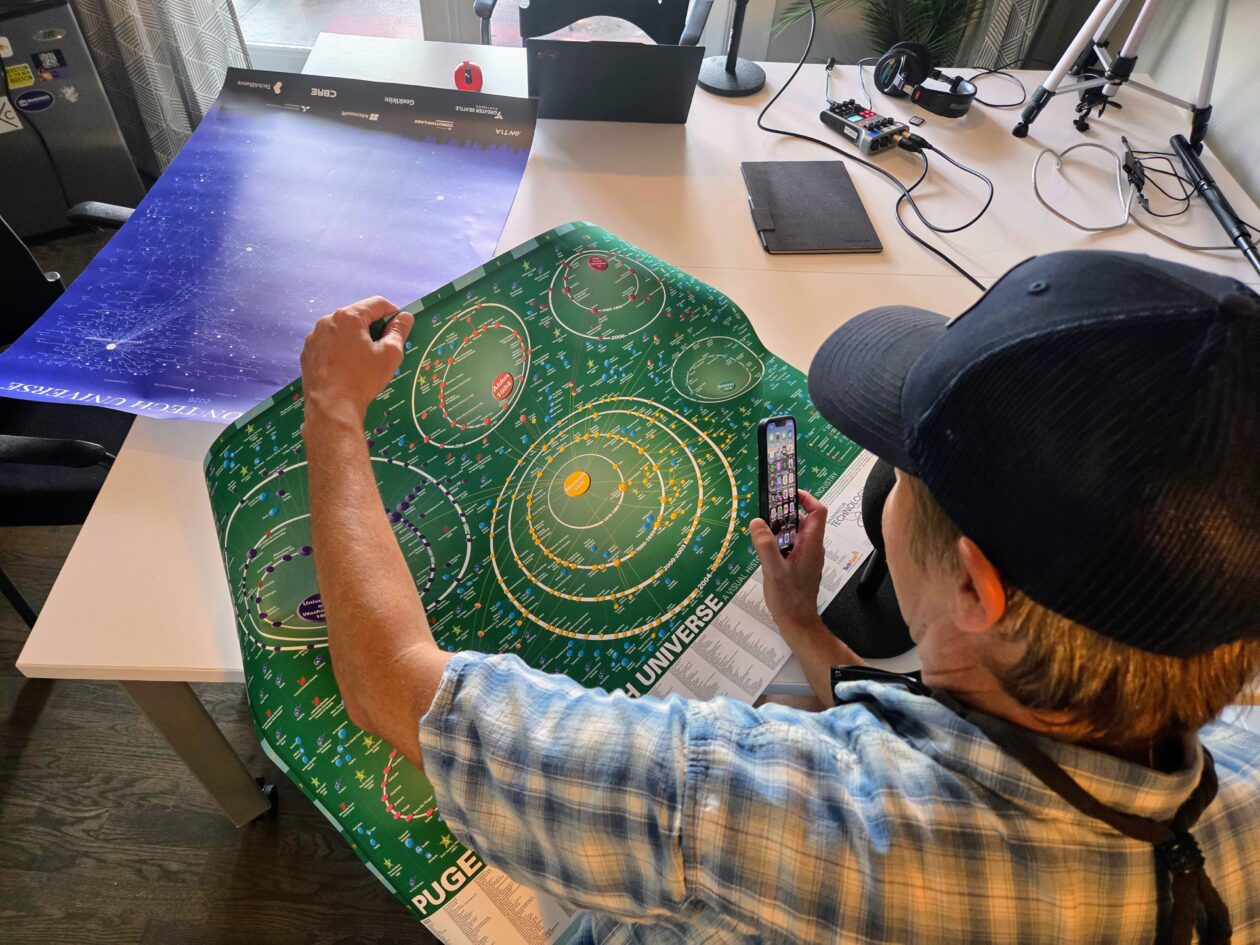
GeekWire's podcast dissects Elon Musk's Starlink ambitions, SpaceX's public debut, and Seattle's tech evolution. It reveals a landscape of bold claims, fierce space race competition, and the dynamic growth and risks within tech hubs.

Memoirium is an upcoming action RPG blending Dark Souls combat with the surreal dreamscapes of Inception and Backrooms aesthetics. Featuring PS1-era graphics and a unique customizable hub, this solo-developed title, backed by Outersloth, promises a truly uncanny and challenging experience on Steam.

Wispr Flow has launched its new AI Notetaker, offering real-time transcription and generative AI summaries for workplace meetings. Entering a growing market, the tool faces scrutiny regarding the crucial balance between productivity benefits and the need for explicit consent and privacy in professional interactions.

OpenAI CEO Sam Altman held extensive meetings in Washington, D.C., to preview a groundbreaking AI system featuring "agents" capable of complex task division and economic transformation. This lobbying blitz comes amid heightened regulatory scrutiny and follows recent government interventions in AI development, as the administration prepares to unveil new AI guidelines.
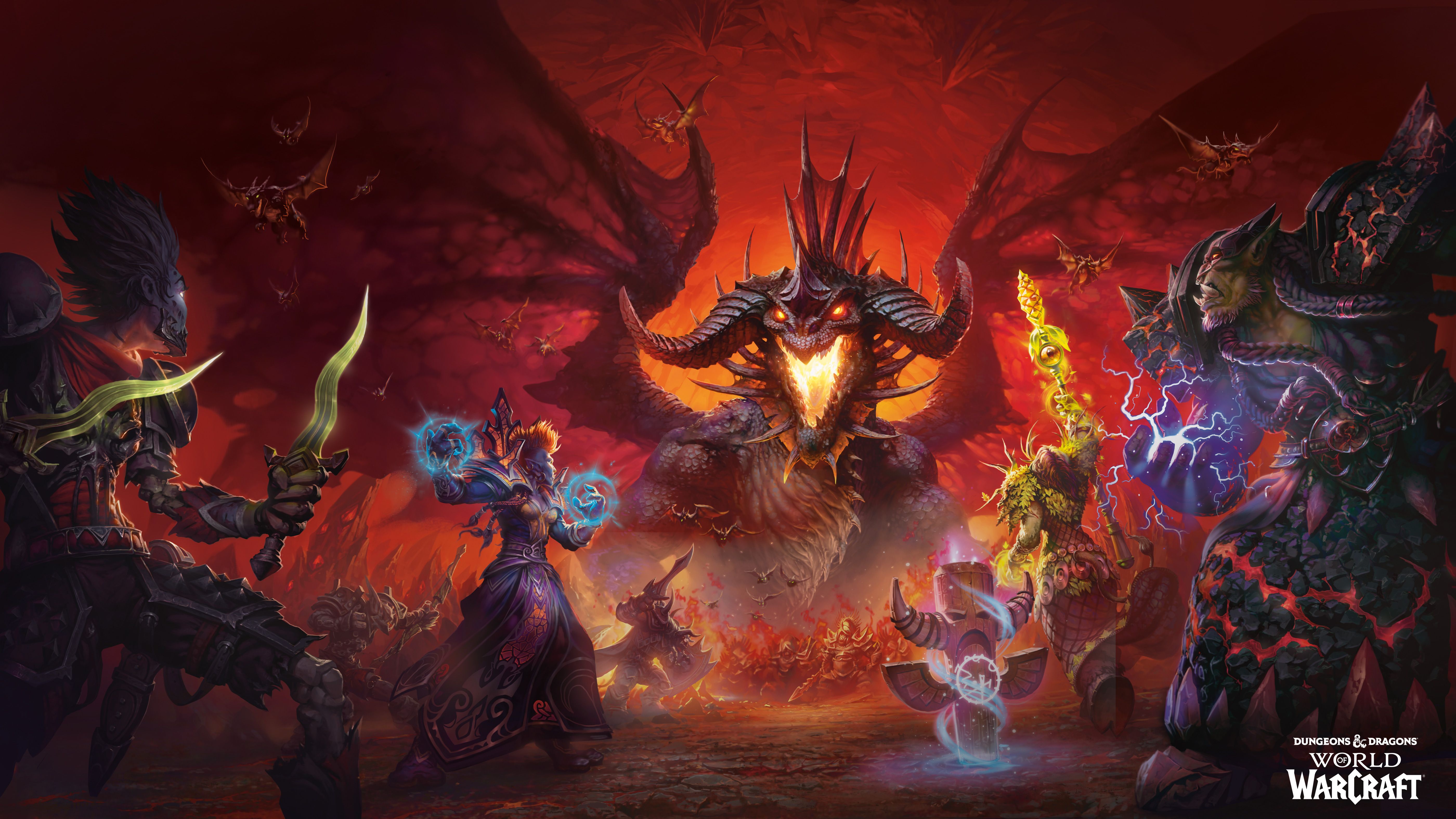
Dungeons & Dragons is adopting Magic: The Gathering's successful but controversial Universes Beyond strategy, kicking off with *Dungeons & Dragons: World of Warcraft*. This 256-page book offers new species, classes, spells, and locations from Azeroth for the D&D 5.5e ruleset, arriving November 17. The move signals a major shift for D&D, balancing new IP crossovers with licensed development for classic settings.

The new Avatar series, *Avatar: Seven Havens*, is generating significant buzz and division among fans. Its premise of a post-apocalyptic world with Korra potentially labeled a 'destroyer' is highly praised, offering a compelling mystery with new Avatar Pavi. However, the animation style has drawn criticism for appearing 'cheap' and 'fanmade' compared to its predecessors.

Quick Verdict The PC market is actively chasing the "creative" user, a demographic whose needs are increasingly distinct from traditional gamers and enterprise workstation users. While initial efforts focused on

Microsoft Outlook is indispensable for many organizations, managing emails, meetings, and vital attachments. However, like any complex software, Outlook can encounter issues, with a common frustration being an
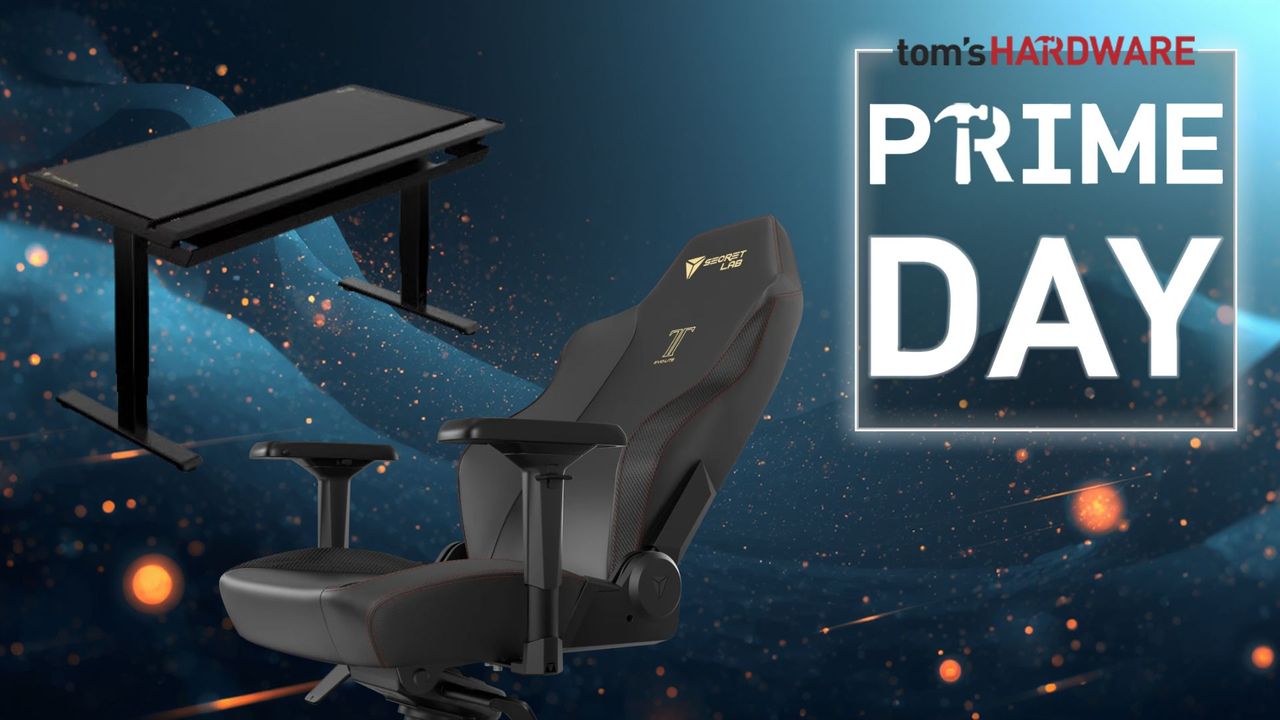
Secretlab has carved out a formidable reputation in the gaming furniture space, known for its premium build quality, ergonomic design, and striking aesthetics. As Amazon Prime Day week kicks off, Secretlab is joining

Verdict: Amazon's Efficiency Drive Meets Local Realities Amazon is making significant strides in improving the water efficiency of its data centers, claiming innovations that reduce consumption and position it as a
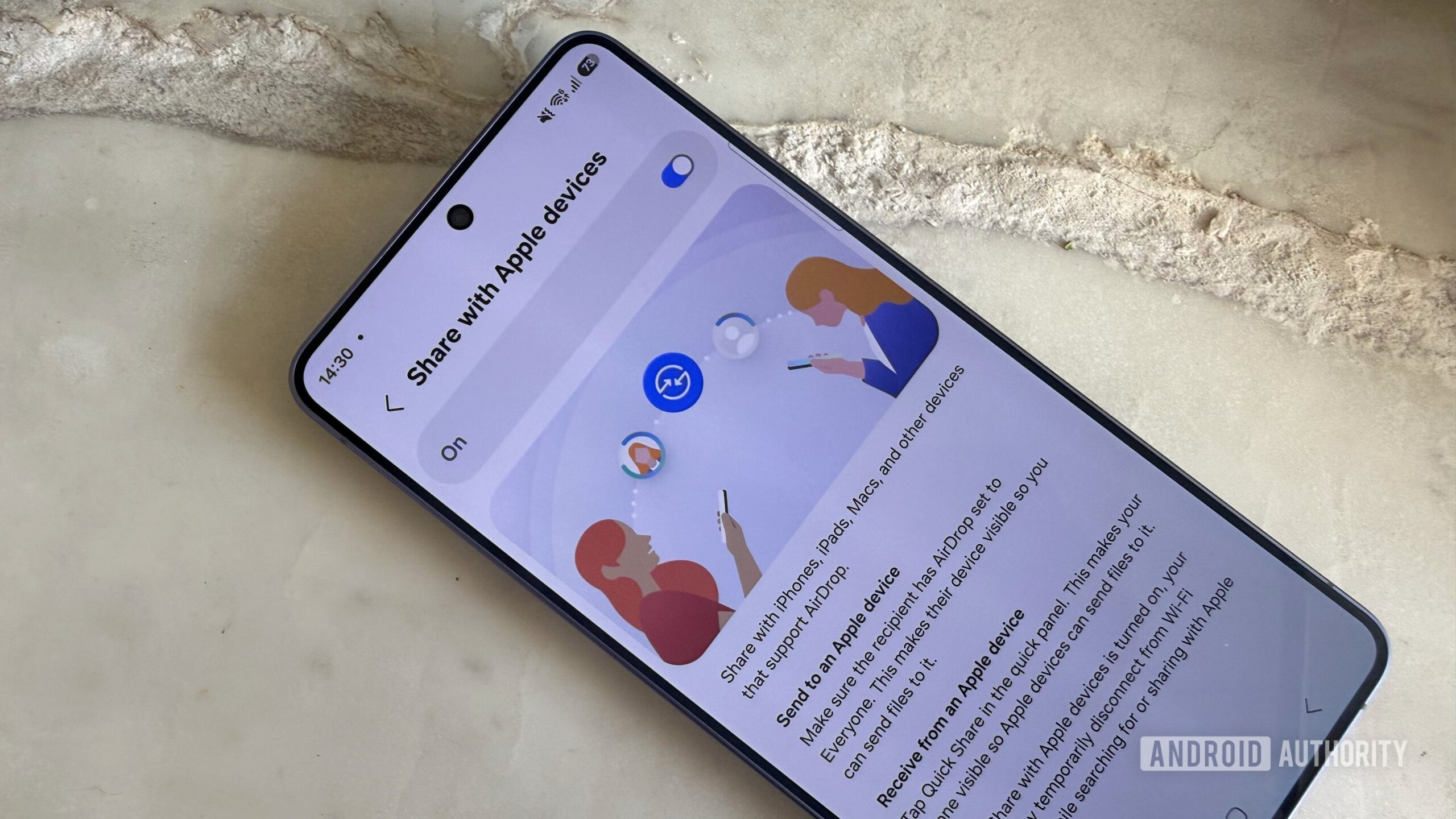
Quick Verdict: A Much-Anticipated Bridge For years, seamless file sharing between Android and iOS devices has been a frustrating chasm, often requiring clunky workarounds or third-party apps. This month, Google is

ZeroDrift, an AI compliance startup, has secured $10 million in seed funding from investors like a16z Speedrun. The company's service acts as a crucial intermediary, detecting compliance violations in AI-generated messages and rewriting them to meet regulatory standards like SOC 2 and GDPR. This rapid, oversubscribed funding round highlights the urgent demand for robust AI governance solutions as businesses scale AI adoption.

Google Meet's AI note-taker gets a significant upgrade with customizable sections, including a standout 'Decisions' tracker, making meeting summaries smarter, less overwhelming, and highly actionable for eligible Google Workspace users.

Seattle’s Sniffies lands $100M investment from Match Group in major bet on sex-positive tech Seattle-based Sniffies, a prominent meetup platform for gay, bisexual, and sexually curious men, has secured a substantial

The web intelligence industry is rapidly evolving to meet the escalating demands of advanced AI, particularly for multimodal data processing and autonomous AI agents. Innovations in data extraction, infrastructure, and user-friendly tools are crucial for powering the next wave of artificial intelligence. These developments are building the essential links between vast web data and sophisticated AI models.

Anthropic's ties with the Trump administration are thawing, marked by a high-level meeting between CEO Dario Amodei and White House officials. This occurs despite an ongoing legal battle with the Pentagon, which labeled Anthropic a "supply-chain risk" over ethical disagreements on AI use.
