10 results found

Amazon and Best Buy are offering significant discounts on the TCL QM7L mini-LED TV, bringing the 55-inch model down to $797.99. This TV features Quantum Dots, a 144Hz refresh rate, VRR, HDR, and Google TV, providing a premium viewing and gaming experience at a more accessible price than OLEDs. Other notable deals include the Star Trek Picard Legacy Collection, an Anker MagGo power bank, and a Belkin Thunderbolt 3 Dock Pro.
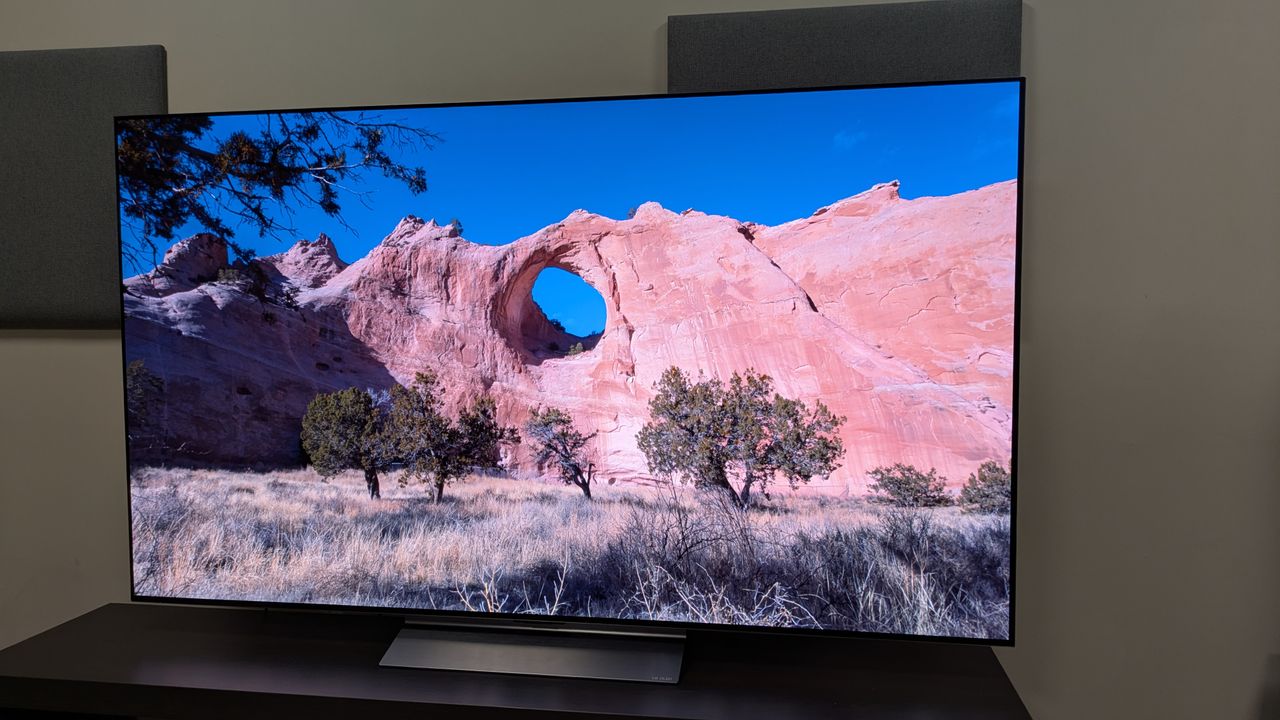
Verdict: A Calculated Move in the HDR Wars LG's new 'Creator Original' mode for its upcoming 2026 OLED TVs is a fascinating development, positioning itself as a middle ground between the purist 'Filmmaker Mode' and the

Samsung's latest OLED laptop panels are a significant leap forward, boasting VESA DisplayHDR True Black 1400 certification, up to 1,600 nits peak brightness, and enhanced longevity thanks to a new tandem design.

Microsoft has dramatically cut water consumption in its data centers by 90% since its earliest facilities, achieving a 0.27 liters per kilowatt-hour rate last year. The company also announced it is globally water positive for the first time, replenishing more water than it withdraws. These efforts come as public concern grows over data center environmental impacts, leading to similar initiatives from Amazon and Google.

KPMG has pulled its report, "Redefining excellence in the age of agentic AI," after organizations cited within it denied the accuracy of its claims regarding their AI usage. Inaccuracies were attributed to AI hallucinations, implying KPMG used AI to write the report about AI. This follows a similar incident last month with EY.
An intense internal power struggle within the Trump administration has stalled US federal AI regulation, leaving a policy vacuum after Anthropic's Mythos model revealed critical cybersecurity risks. Factions within the Commerce Department, intelligence agencies, and pro-industry groups are locked in a "knife fight" over who gets to evaluate and oversee advanced AI systems. This paralysis follows the abrupt cancellation of a landmark executive order and the unexplained withdrawal of AI testing announcements.
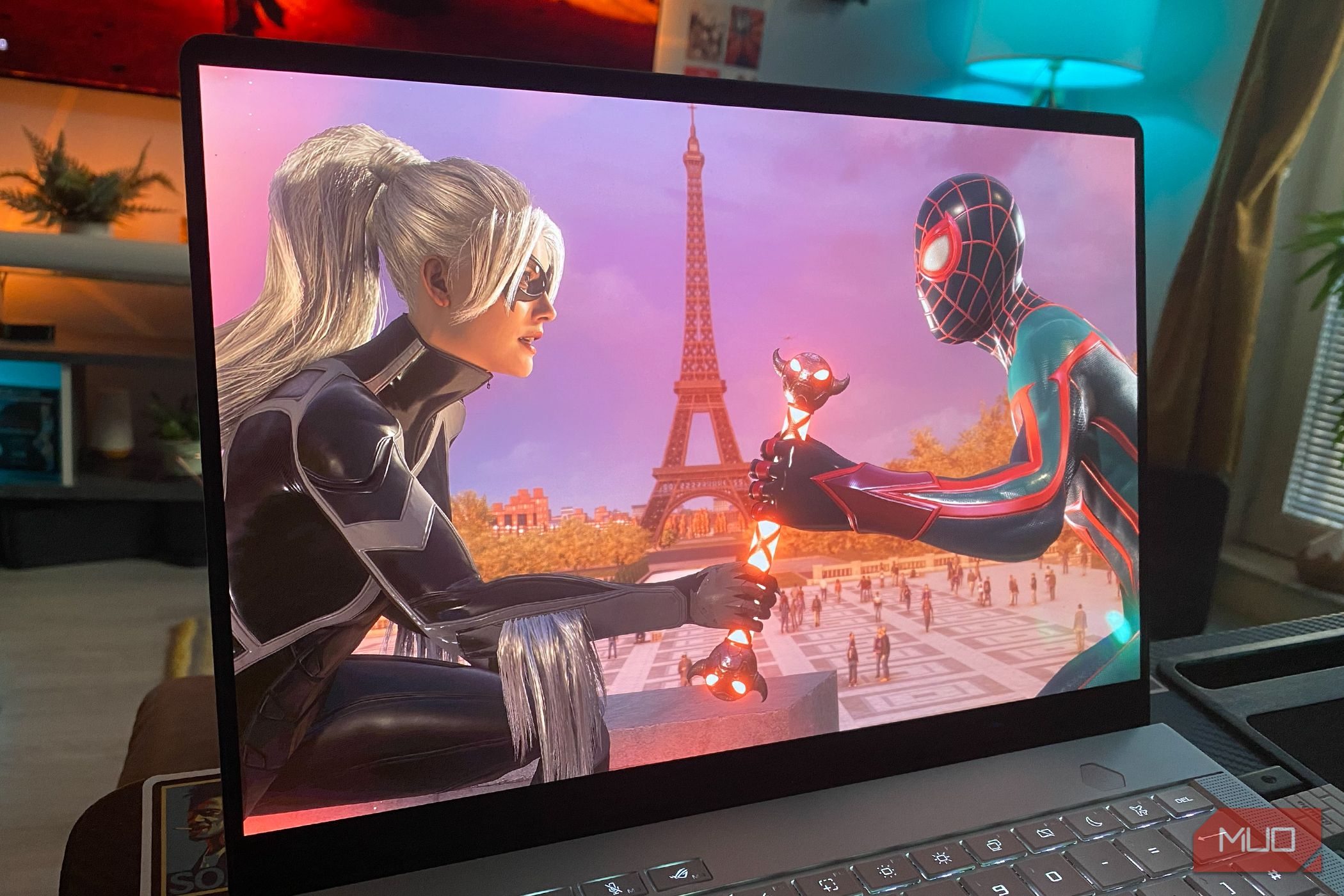
Learn to fix poor Windows 11 HDR on your laptop by ensuring you're using the correct, high-wattage power adapter, not an underpowered USB-C charger, to unlock your display's full potential.
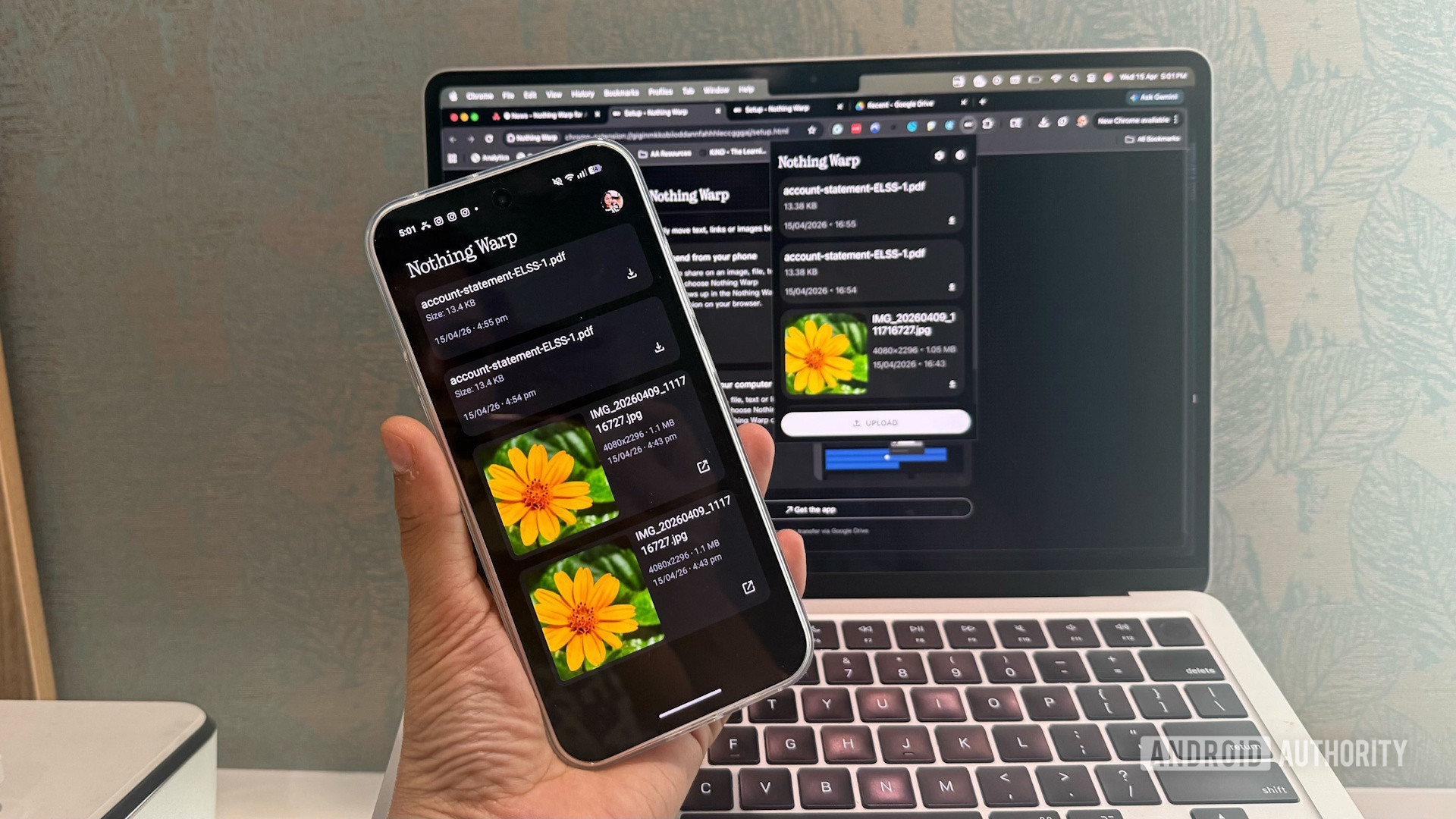
Nothing, a brand known for its distinctive approach to technology, recently unveiled and then swiftly withdrew its new file transfer application, Nothing Warp. Touted as a seamless cross-device solution, its brief

AI chip startup Cerebras Systems has officially filed for an initial public offering (IPO), marking a renewed attempt after a 2024 withdrawal. The company, which touts its "fastest AI hardware" and boasts major deals with AWS and OpenAI, looks to capitalize on recent momentum and substantial private funding to accelerate its growth.
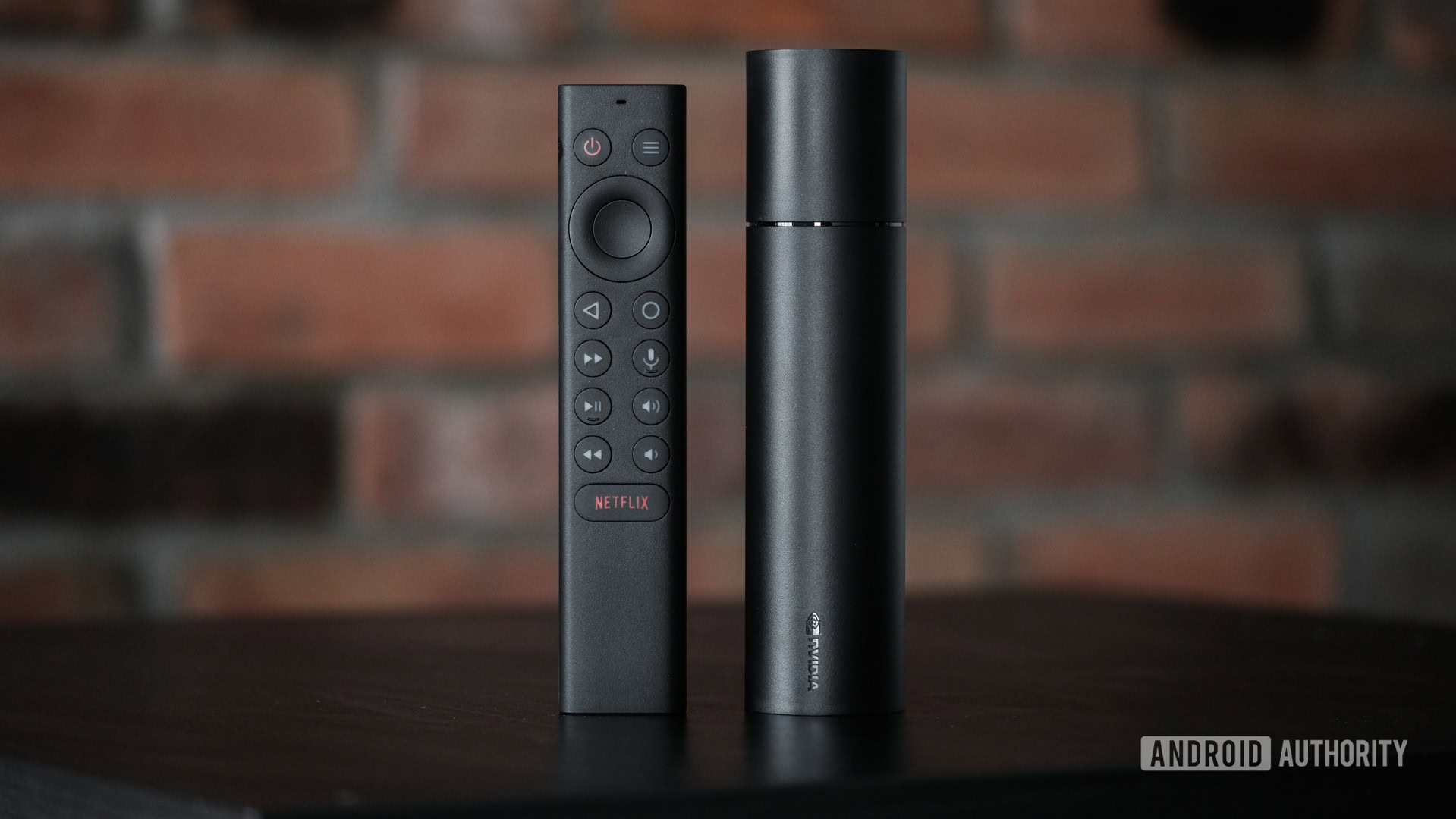
Seven years after its last hardware refresh, the NVIDIA Shield TV surprisingly remains a top Android TV streamer. Its unparalleled software support, offering updates for over a decade for older models, ensures reliability. Paired with an excellent, ergonomic remote, it still delivers a premium streaming experience despite its aging hardware showing minor limitations with certain modern video formats like YouTube HDR. It's a testament to longevity and value.
