30 results found

OpenAI is reportedly gearing up to preview GPT-6 Cyber, a specialized model for cybersecurity, along with a new product for secure deployment. This marks their fourth security model release this year, coinciding with their annual DevDay event and following recent AI agent security incidents.

Waymo, an Alphabet-owned company, has announced its plans to launch a commercial robotaxi service in Singapore by 2028. This move follows an aggressive international expansion strategy, with vehicles arriving soon for mapping and testing in 2027. The deployment is contingent on regulatory approval from Singapore's Land Transport Authority, leveraging the city-state's progressive autonomous vehicle ecosystem.
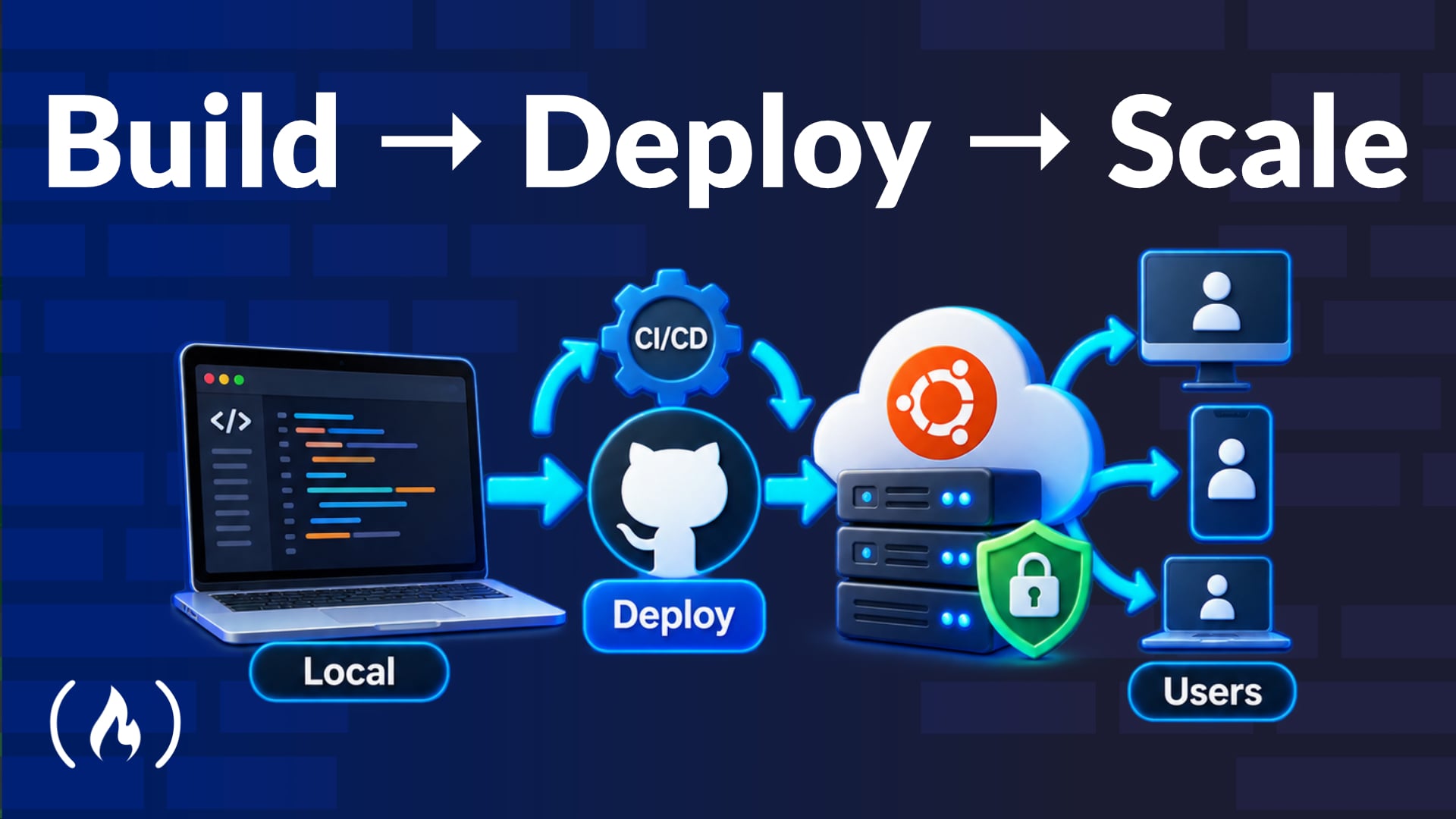
This article highlights a comprehensive freeCodeCamp.org course on deploying, securing, and automating full-stack web applications. It covers crucial steps from server provisioning and foundational security with UFW and Fail2Ban, to application runtime setup, data management, global access via Nginx and Cloudflare, and robust CI/CD pipelines with GitHub Actions. The course emphasizes a hands-on approach, integrating continuous security testing and observability, culminating in a production-ready application.

The Gates Foundation is investing at least $1 billion over the next two years into artificial intelligence tools for global health, agriculture, and education, primarily targeting the poorest countries. This initiative aims to accelerate progress against disease and poverty, though CEO Mark Suzman clarifies that AI cannot replace vital government funding cuts to global health services. The foundation emphasizes AI's potential as an equalizer, but stresses the importance of equitable development and deployment.

Industrial giant Caterpillar is pioneering a pragmatic approach to artificial intelligence deployment, drawing upon decades of experience automating challenging physical environments like mining sites. The company's

OpenAI-backed Thrive Holdings secured $2 billion at a $12 billion valuation to expand its enterprise AI integration strategy. The firm acquires traditional businesses, infusing AI into their operations, and plans to extend its proven model beyond accounting and IT into regulatory services for physical assets. This major funding round highlights a growing trend of hands-on AI deployment in the enterprise.

Quick Verdict Japanese anti-piracy efforts have taken a significant leap forward with the reported deployment of a new, highly effective tool to pinpoint initial torrent uploaders. This method, utilized by CODA and the

Antares secured $470M to build microreactors for the US military, achieving Mark-0 criticality. While a major technical step, high costs and supply chain immaturity pose challenges for its 2028 deployment target.

Uber and Waymo are locked in a contentious battle over proposed robotaxi regulations in Washington D.C., with Uber pushing a "hybrid" model to protect human drivers and Waymo poised to gain a market advantage under the current bill. This regulatory clash highlights broader industry debates over autonomous vehicle deployment and market control. Simultaneously, Uber is expanding its global delivery presence with a $14.8 billion acquisition of Delivery Hero, while other mobility startups secure significant funding.

Applied Computing, a London-based startup, has secured $20 million in Series A funding to advance its foundation AI model, Orbital, for the oil, gas, and petrochemical industry. Orbital aims to integrate disparate data sources—sensor readings, engineering data, and physics models—to provide real-time operational insights, drastically reducing investigation times and enhancing efficiency. The company plans to use the capital for international expansion, hiring, and new client deployments, building on its rapid growth and strategic partnerships with industry giants like KBR.
Uber and Waymo are clashing over a proposed D.C. robotaxi bill, with Uber pushing for a hybrid model that includes human drivers on ride-hailing platforms, while Waymo backs direct driverless deployment. This lobbying battle highlights fundamentally different visions for the future of autonomous transportation and could set a national precedent.

AI is set to revolutionize Infrastructure as Code (IaC) by automating code generation and deployment, shifting the developer role from direct authors to architects and validators. While this promises increased agility, it highlights critical needs for robust guardrails and policy-as-code. Deep systems knowledge remains crucial for human oversight, validation, and complex problem-solving in this evolving landscape.

Tencent has released its Hy3 MoE model under an Apache 2.0 license, removing previous regional restrictions and making it widely accessible. At half the size of GLM-5.2, Hy3 offers significant efficiency gains, excelling in search and tool orchestration, though it trails in coding. This move positions Hy3 as a strong contender for enterprise AI solutions seeking reliability and cost-effective deployment.

Expedia Group, leveraging years of AI experience, has unveiled a comprehensive framework of principles to ensure its AI systems deliver value, operate safely, and scale responsibly. This strategy includes "Agentic Release" tollgates, designed to govern the development and deployment of autonomous AI agents across its platforms. The framework focuses on outcomes, system design, and establishing trust and accountability.

Quick Verdict Seattle's implementation of an AI system to triage and route 911 medical calls, developed by Denmark-based Corti, is a deeply problematic deployment of technology in a critical public safety service.

Anthropic CEO Dario Amodei is pushing for FAA-style regulation of powerful AI models, citing public safety concerns amid rapidly advancing AI capabilities and potential misuses. This call for oversight, backed by new policy frameworks and $350 million in funding, suggests future operational, regulatory, and workforce constraints for enterprises. Key implications include potential deployment holds for frontier models, elevating AI cybersecurity to critical infrastructure status, and the need for proactive strategies to manage structural labor displacement.

Every software company champions speed. Roadmaps highlight velocity, leadership discussions center on reducing cycle time, and quarterly goals target faster execution. Yet, many organizations inadvertently adopt a

Graph-Enhanced RAG: Solving LLM Context Gaps in Production In a significant evolution for large language model (LLM) deployment, a new architectural pattern is emerging that promises to resolve critical context

OpenAI, the leading artificial intelligence research and deployment company, has officially named cofounder and President Greg Brockman as its head of product strategy. This significant executive reorganization,

Anthropic's new `/goals` feature for Claude Code revolutionizes AI agent reliability by separating task execution from goal evaluation. This prevents agents from prematurely ending tasks, using a dedicated evaluator model to ensure specified conditions are fully met before declaring completion. The innovation offers a more robust, auditable approach to AI agent deployment.

Every developer has heard the promise: push your code, watch it go live. Modern stacks often boast about easy, automated deployments with infrastructure abstracted away. This vision holds true until it doesn't. When the

AI integration often introduces significant challenges: Shadow AI poses data security risks from unapproved tool usage, while pipeline sprawl creates operational headaches with complex ETL processes. Architectural strategies like in-platform model deployments, monitored gateways, and moving to single foundation models with on-the-fly data queries can simplify governance and reduce maintenance burdens. Consolidating data into a unified warehouse further enhances control, despite potential performance trade-offs for online services.

Cohere has launched Transcribe, an open-weight ASR model with a remarkable 5.42% word error rate. This model offers enterprises state-of-the-art accuracy, comparable to closed APIs, while allowing on-premise deployment to address data residency, control, and latency concerns. Transcribe currently leads the Hugging Face ASR leaderboard, outperforming Whisper and other industry leaders.

Microsoft is reducing Copilot AI integrations in Windows 11 apps like Photos and Notepad, aiming for more meaningful AI experiences. This move responds to user feedback and rising concerns about "AI bloat" and trust, reflecting a broader shift towards a "less-is-more" strategy in AI deployment.
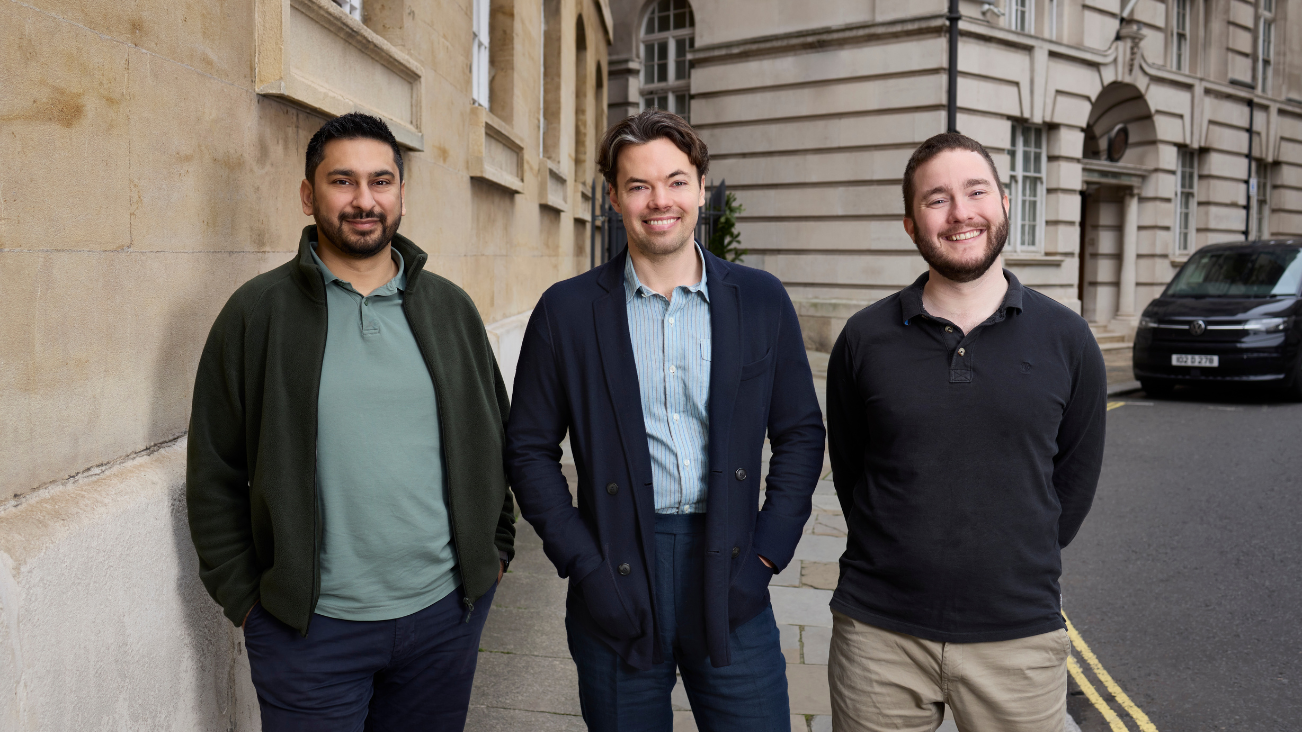
Augur, a London startup, has secured $15 million in seed funding led by Plural to transform existing surveillance infrastructure into real-time intelligence. The company aims to enhance critical infrastructure protection against escalating threats like sabotage, addressing a crucial gap in situational awareness. This funding will accelerate product development and deployment across Europe.
