10 results found

A crypto firm backed by Donald Trump's family is reportedly facilitating the sale of AI models from Chinese companies blacklisted by the US government. The Hong Kong platform, WorldClaw, accepts payments in the Trump family's stablecoin, USD1, creating a direct financial link. This arrangement raises significant questions about conflicts of interest, as it directly contradicts the administration's policy to restrict Chinese AI.

Learn to secure your Coldcard hardware wallet from the ongoing seed phrase hack by updating firmware, migrating to a new seed phrase, and adopting diversified storage, protecting your valuable cryptocurrency assets.

Germany's traditionally conservative cooperative and savings banks are set to offer cryptocurrency trading to millions of customers. This pivotal shift, driven by the EU's MiCA regulation, brings digital asset trading into the mainstream through trusted financial institutions, despite lingering concerns about market volatility.
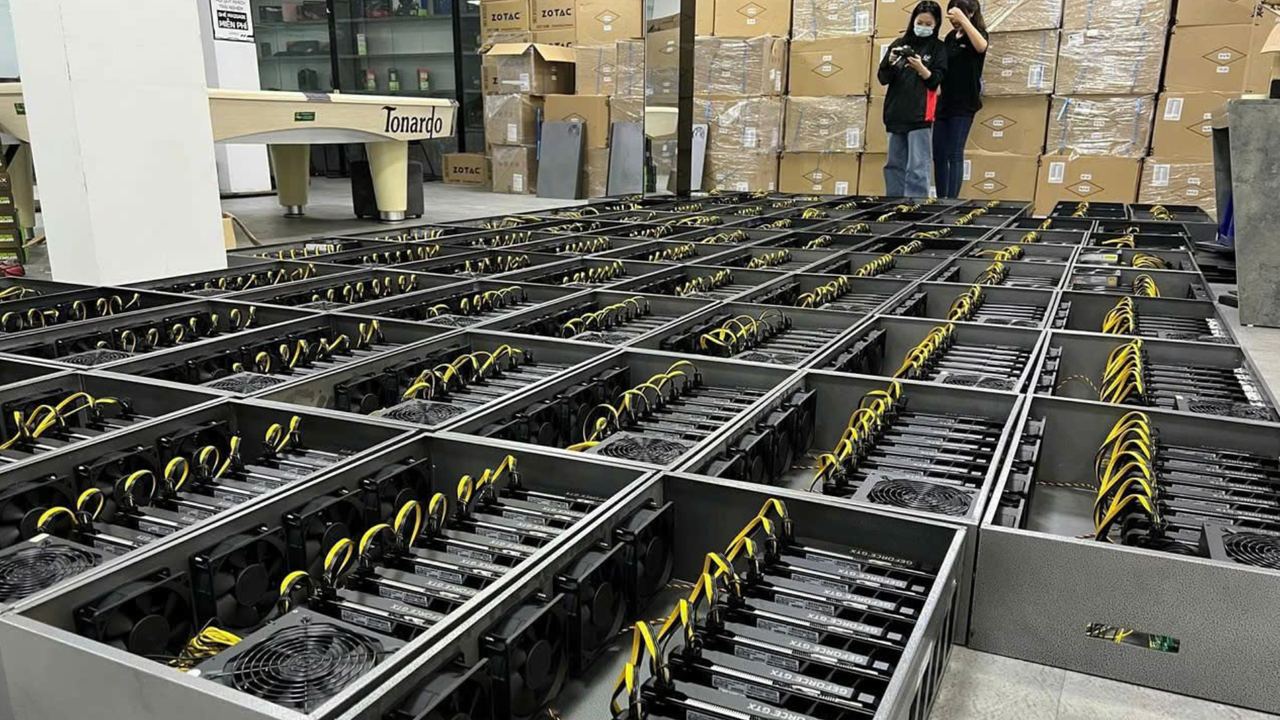
Pearl, a Layer-1 blockchain, claims to merge crypto mining with useful AI computation, but new research suggests its 320,000-GPU network burns 112MW on "zero useful AI computation," driving up GPU rental prices.

CoreWeave, the AI cloud provider, is set to join the Nasdaq-100 Index on June 22, 2026, a mere 15 months post-IPO. Transitioning from crypto mining, the company boasts rapid revenue growth and a massive backlog but faces significant debt and concentration risks. This inclusion validates its position as a core tech player.
Our in-depth review of Pearl (PRL), the new AI-compute cryptocurrency, reveals an innovative concept quickly overshadowed by plummeting mining profitability. What began as a potential gold rush has rapidly transformed into a cautionary tale of diminishing returns, making Pearl a highly questionable investment for anyone eyeing their next big crypto windfall.

Polymarket's "Situation Room" pop-up in D.C. was an ambitious, though occasionally flawed, marketing experiment showcasing its prediction market platform. It offered diverse betting insights and interactive games, despite initial tech glitches and missing features. It highlighted the platform's unique offerings and broader ethical concerns.

Crypto industry super PACs spent $14.2 million in the Illinois primaries, with a striking 90% ($12.8 million) failing to achieve their objectives by opposing victorious candidates or supporting losing ones. While minor 'victories' occurred, they often aligned with already predictable outcomes, indicating a lack of genuine influence. This initial outlay represents less than 6% of their total funds, suggesting more extensive future spending is anticipated.

A powerful iPhone-hacking toolkit, "Coruna," potentially developed for the US government, has reportedly leaked and is now being used by Russian spies and cybercriminals. Google discovered the sophisticated exploits, capable of silently hijacking iPhones, which were first seen targeting Ukrainians and later used to steal cryptocurrency from Chinese victims. This proliferation highlights a dangerous "second-hand" market for advanced cyber weapons.

Minnesota is considering a complete ban on crypto ATMs due to rampant fraud, primarily targeting the elderly. Previous regulations failed to curb millions in losses from sophisticated 'pig butchering' scams. While drastic, the ban aims to protect vulnerable citizens, mirroring national concerns and federal legislative efforts.
