
Polymarket's Situation Room: An Experimental Marketing Stunt Reviewed
Polymarket's "Situation Room" pop-up in D.C. was an ambitious, though occasionally flawed, marketing experiment showcasing its prediction market platform. It offered diverse betting insights and interactive games, despite initial tech glitches and missing features. It highlighted the platform's unique offerings and broader ethical concerns.
Polymarket's "Situation Room" Pop-Up: A Glimpse into the Future of Betting – And Marketing
Verdict: Polymarket's "Situation Room" pop-up bar was an ambitious, albeit occasionally flawed, marketing "activation" that offered a fascinating, if sometimes unsettling, window into the world of prediction markets. While it fell short of some grand promises, it largely succeeded in sparking curiosity and showcasing the platform's diverse (and controversial) offerings.
What Was "The Situation Room"?
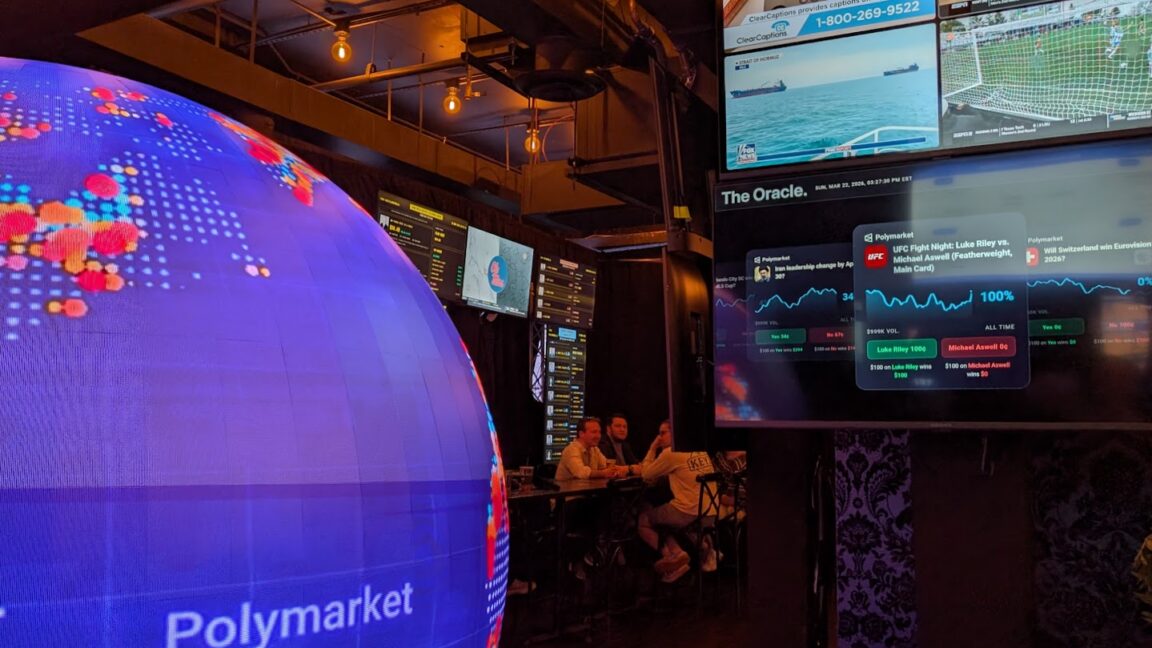
From March 18th for a brief three-day run, a K Street sports bar in Washington D.C., usually known as Proper 21, underwent a temporary transformation into "The Situation Room" by the New York-based prediction market, Polymarket. Billed as "the world's first bar dedicated to monitoring the situation," Polymarket initially boasted an array of high-tech features for its patrons: live X feeds, flight radar, Bloomberg terminals, and Polymarket screens. The concept aimed to immerse visitors in the real-time data streams and predictive odds that form the core of Polymarket's platform, where users bet on future events using USDC stablecoins. The atmosphere, as noted by observers, deviated from a typical Washington D.C. bar, featuring more open laptops, conversations peppered with cryptocurrency jargon, and screens displaying data rather than conventional sports.
The Reality on the Ground: Hits and Misses
The initial rollout of "The Situation Room" encountered some significant hurdles. A press preview on Friday night revealed power and Wi-Fi issues that rendered all the advertised displays inoperable – a considerable letdown for an event touting "monitoring the situation." Fortunately, Polymarket addressed these technical glitches, and by Sunday afternoon, a visit confirmed that dozens of screens were functioning. These displays offered a selection of news channels like CNN, CBS, the local Fox station, and FS1, alongside various pages from Polymarket’s website. Notably, channels like CNBC and C-SPAN were also featured, a departure from typical bar fare but a logical fit for the pop-up's theme.
However, not all promises were fulfilled. To the disappointment of some, including a former business journalist, the promised Bloomberg terminals were conspicuously absent. These complex financial data systems would have added a layer of serious market insight and perhaps evoked a sense of nostalgia for those familiar with them. Despite this omission, an engaging interactive tabletop game titled "Match the Odds" offered visitors a hands-on experience in setting odds for a range of questions, from video game sales records to stock performance and future AI legislation. While the game's AI was quick to "neg" players with humorous put-downs like "that guess was a hate crime against probability" for inaccurate predictions, it effectively demonstrated the platform's core function and the collective intelligence of its "hive mind."
What Polymarket Users Are Betting On
The pop-up successfully showcased the incredibly diverse and often peculiar range of topics available for wagering on Polymarket. Examples displayed included:
- Political Outcomes: Predictions on control of Congress after midterm elections, with Democrats given an 85% chance for the House and Republicans even odds for the Senate; and identifying the most likely 2028 presidential nominees, with J.D. Vance topping the Republican list and Gavin Newsom for Democrats.
- Cultural Events: A market on "Will Switzerland win Eurovision 2026?" humorously showing zero chance for Swiss artists.
- Existential Queries: The highly unconventional "Will Jesus Christ return before 2027?" which ran at a 4% probability.
These examples underscored the platform's wide scope, from serious political analysis to highly speculative or even whimsical bets. A giant rotating globe further highlighted current global hotspots and events that were subjects of active Polymarket betting.
The "Why" Behind the Pop-Up: Marketing and Influence
Polymarket chose Washington D.C. for this pop-up, a common destination for tech companies seeking to engage with policymakers. However, Polymarket's situation appears somewhat unique. The company counts Donald J. Trump, Jr., as an investor and unpaid advisor, and the previous Trump administration had reportedly eased earlier efforts to regulate Polymarket and its competitor, Kalshi. Polymarket has also been actively forging partnerships, including deals with Substack to embed live prediction market data into posts and with Google to feed information into Google Finance queries, demonstrating a clear strategy for broader integration and legitimacy.
Beyond the Bet: Ethical and User Experience Concerns
Despite its efforts to expand its reach, Polymarket and prediction markets in general continue to face significant scrutiny. Concerns around insider trading are persistent, a practice explicitly banned by Polymarket's rules but challenging to enforce effectively on platforms optimized for anonymity. More gravely, the fundamental morality of placing bets on violent conflicts has drawn criticism. Furthermore, incidents of user misconduct have surfaced; an Israeli journalist reported receiving death threats from Polymarket users demanding he alter a description of an Iranian missile attack to align with their failed bets. Polymarket stated it suspended the users after the harassment became public.
Financially, the profitability for the average user appears limited. Third-party research of cryptocurrency wallet addresses associated with Polymarket has indicated that only a small percentage of users—ranging from as low as 7.5% to a high of 30%—actually realize profits from their wagers. This suggests that while the platform is engaging, it may not be a consistent source of income for most participants.
Marketing Strategy: Low-Key Yet Effective
Interestingly, the marketing approach at "The Situation Room" was surprisingly understated. There were no explicit discounts or freebies offered to patrons who signed up for an account or downloaded the app. Even the menu remained unchanged from the bar's regular sports bar incarnation, foregoing the opportunity for Polymarket-themed cocktails or food items. The most direct branding observed was a "Situation Room"-labeled pint glass and branded coasters, one of which a visitor pocketed as a memento.
This isn't Polymarket's first foray into such "activations." In February, they opened a grocery store in Manhattan, offering free groceries that shoppers could fill into a Polymarket-branded tote bag for three days. These events demonstrate a clear strategy of creating unique, in-person experiences to generate buzz and brand awareness rather than aggressive on-site sales tactics. Polymarket has hinted at the possibility of establishing a more permanent version of "The Situation Room," suggesting that these innovative, real-world marketing stunts are likely to continue.
Final Thoughts and Recommendation
Polymarket's "Situation Room" pop-up was an intriguing experiment. It offered a unique social experience that blended financial speculation, current events, and a touch of playful gamification. While its execution was imperfect, particularly on the opening night, it effectively showcased the breadth of Polymarket's offerings and its innovative marketing strategy. For those curious about prediction markets, cryptocurrency, or simply interested in novel marketing activations, a visit would have been enlightening. For others, the ethical quandaries and low profitability rates might give pause.
Given the temporary nature of this specific event, a "buying recommendation" isn't applicable. However, for those intrigued by the concept, keeping an eye on Polymarket's future "IRL marketing stunts" would be a safe bet.
FAQ
Q: What was the primary purpose of Polymarket's "Situation Room"?
A: The primary purpose was a marketing "activation" to raise brand awareness for Polymarket, a prediction market platform, by providing an immersive, in-person experience showcasing its diverse betting options and underlying data streams.
Q: Were all the advertised features available at "The Situation Room"?
A: No, not all features were available. While screens eventually functioned to show news and Polymarket data after initial technical issues, the promised Bloomberg terminals were not present at the pop-up bar.
Q: What are some common criticisms or concerns associated with Polymarket and similar prediction markets?
A: Common concerns include potential issues with insider trading, the ethical implications of allowing bets on violent conflicts, legal challenges regarding operating as an illegal gambling operation (as faced by a rival), and reports of user harassment. Additionally, data suggests that only a small minority of users consistently realize profits on the platform.
Related articles
Android 17 QPR2 Beta 7.1: The Performance Relief You've Been Waiting
Android 17 QPR2 Beta 7.1: Finally Fixing the QPR1 Performance Woes Verdict: Android 17 QPR2 Beta 7.1 is a crucial and highly anticipated software update for Google Pixel users, specifically targeting and resolving the

DJI Solo Video Setups: Smart Choices for Lone Creators
This review delves into DJI's recommended solo video setups, highlighting the Osmo Pocket 3 Creator Combo as a top pick for its integrated camera, gimbal, and mic. It also covers stabilizers like the Osmo Mobile 8 and RS 4, and the DJI Mic Mini series for enhanced audio, providing honest pros, cons, and clear buying advice.

Ars Technica's Rocket Report: Your Essential Space Industry Briefing
Quick Verdict Ars Technica's Rocket Report, presented by veteran space reporter Stephen Clark, offers an invaluable and meticulously organized weekly (or similar frequency, implied by "Edition 9.15") digest of the most

Apple iPhone Duo: A Daring Debut with Notable Compromises
Apple's highly anticipated iPhone Duo, priced at $2,000, has gone on pre-order. While hailed as "Apple's most exciting device in a decade" for its innovative foldable design and immersive display, it comes with significant drawbacks like the absence of FaceID and a premium camera.
KDE Plasma 6.8: A Future-Focused 30th Anniversary Update
Quick Verdict KDE Plasma 6.8, arriving as the "30th Anniversary Edition," is a pivotal release that decisively pushes the desktop environment into the future. With a definitive farewell to native X11 sessions and a
Galaxy Watch One UI 9 Beta: Promising Progress, But Patience Needed
Galaxy Watch 8, Watch Ultra, and Watch 7 are receiving a new One UI 9 Watch beta build with bug fixes and a security patch. Active development signals progress, but a stable release date remains elusive.