7 results found
Googlebook's app strategy prioritizes web apps over native Android apps for key services like Gmail and Docs, despite its Android-based foundation. This creates a restrictive user experience, especially on touchscreens, undermining a core selling point.
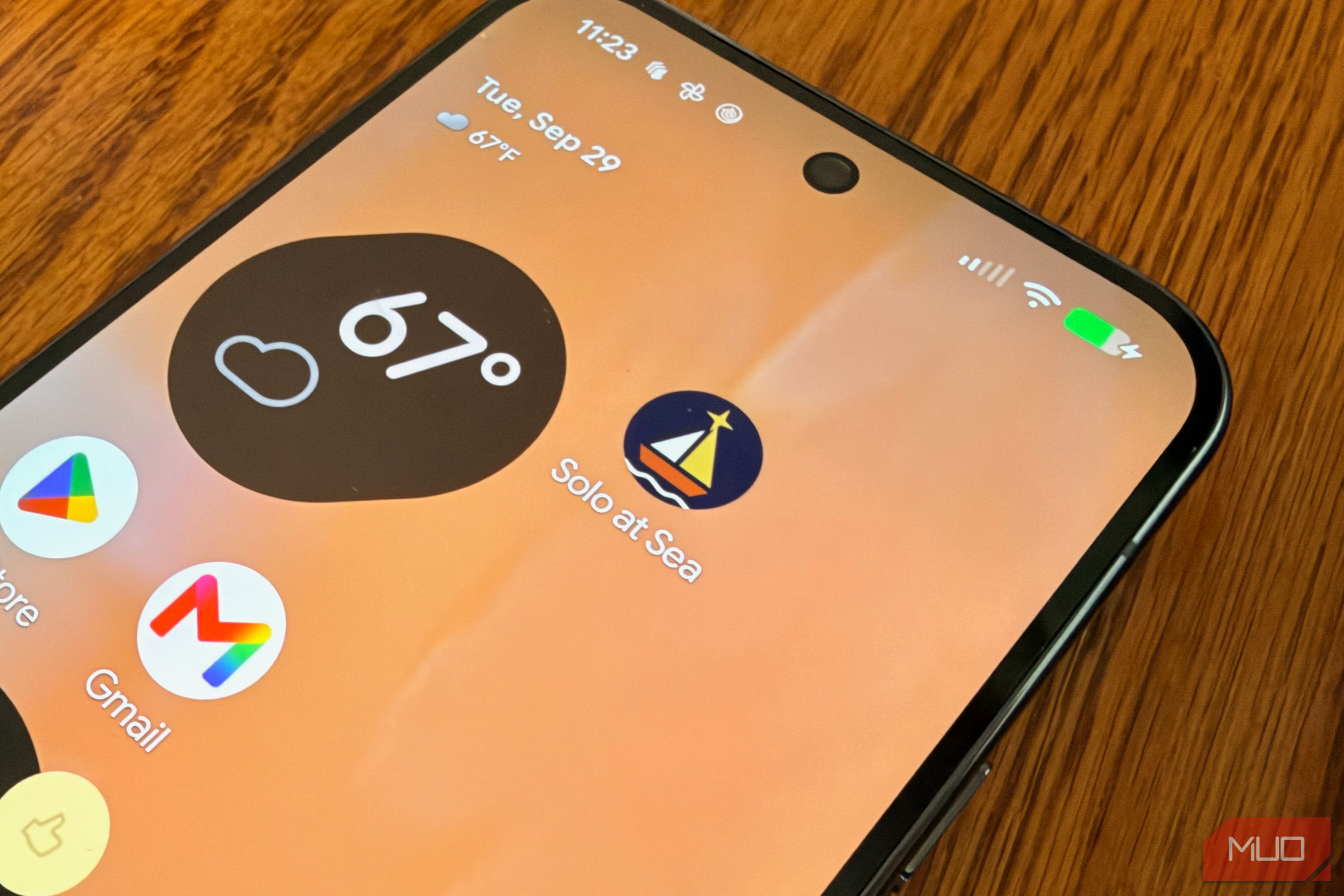
Learn to build a functional Android app in under 30 minutes using AI code assistants like Claude Code, Codex, or Antigravity, without writing any code. This guide provides step-by-step instructions, essential prerequisites, and tips for prompt engineering to bring your app ideas to life quickly.
The OEMpocalypse strategy offers a novel approach to rooting Android devices from an unprivileged app by targeting OEM-specific code. It bypasses generic Linux and chipset driver complexities, aiming for a stable page Use-After-Free (UAF) primitive in OEM kernel drivers, often after an initial sandbox escape through OEM IPC handlers. This method prioritizes reliability and portability across an OEM's lineup, accepting the trade-off of per-OEM exploitation.
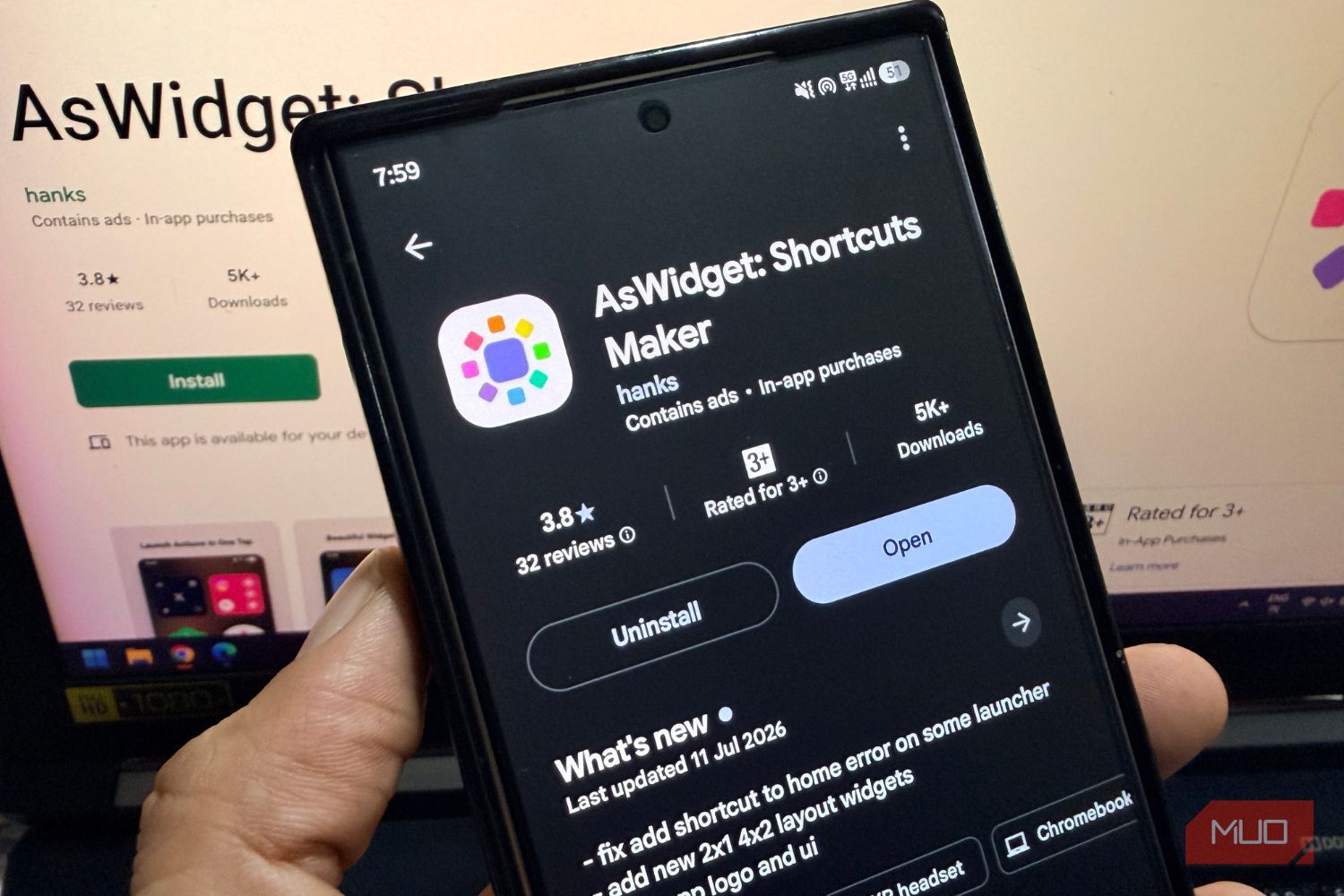
Learn to create custom home screen shortcuts and powerful widgets using the AsWidget Android app, giving you instant access to your favorite in-app features in just a few taps.
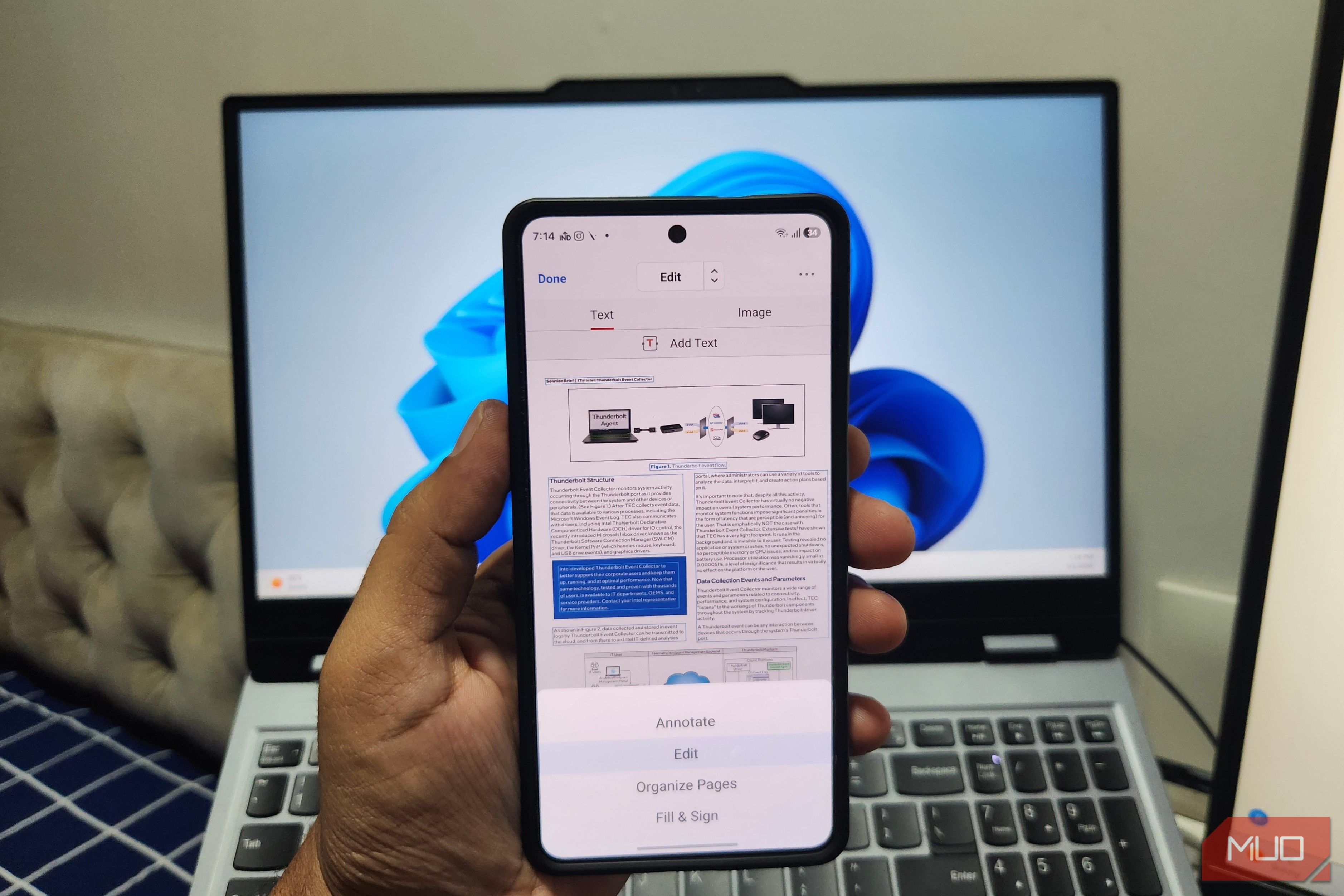
Learn to efficiently edit, annotate, and manage PDFs on your Android phone using PDFgear, a free and powerful app, allowing you to ditch your laptop for quick document tasks.
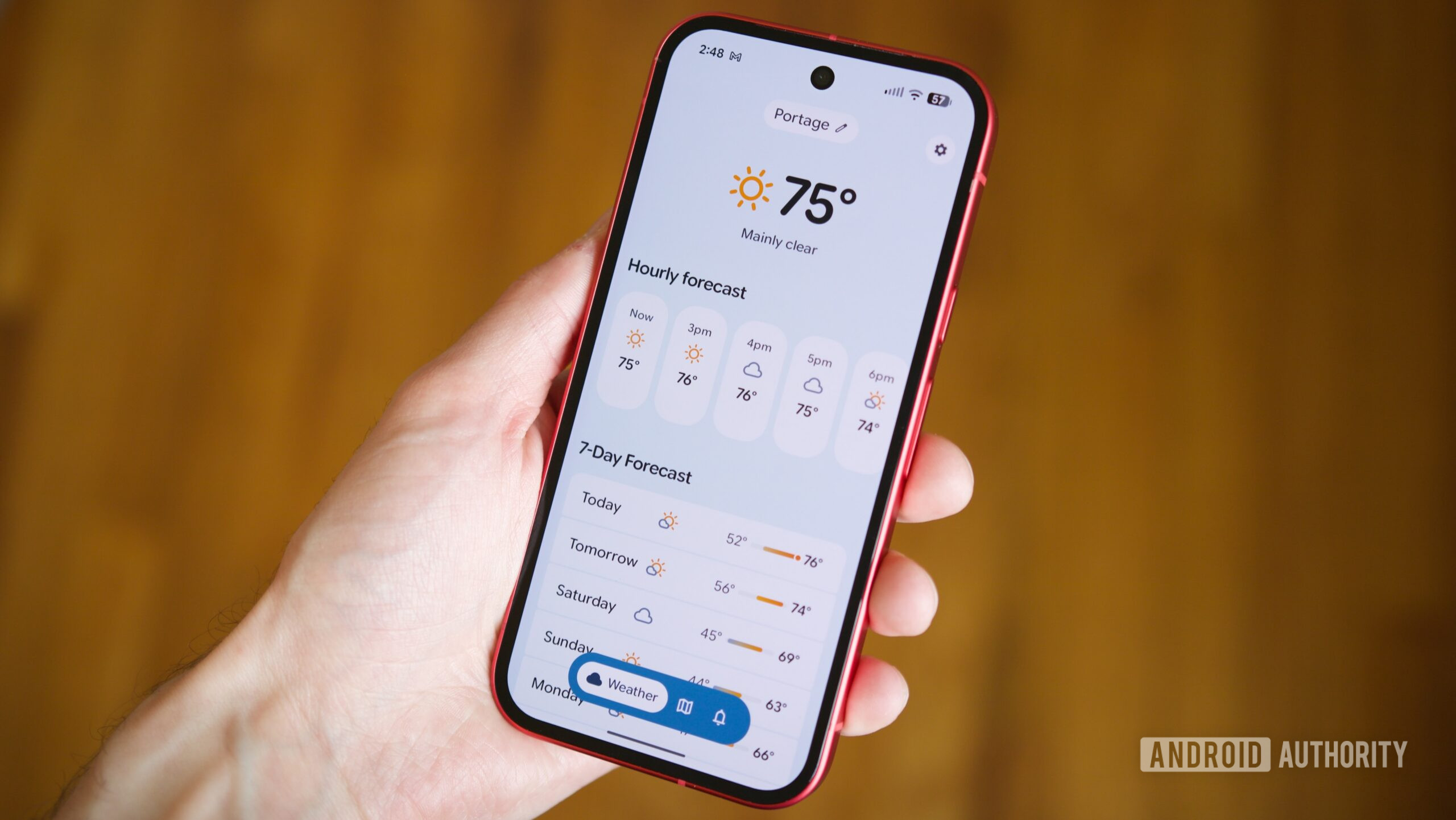
Gradient Weather review: After two years with Pixel Weather, Gradient Weather's superior accuracy engine, advanced customization, dynamic map, and detailed notifications have made it my new go-to Android weather app, despite its premium cost and lack of a comprehensive pollen tracker.

Learn to audit and update your Android app permissions, including special permissions, to enhance your device's privacy and security in a few simple steps.
