
Build a Functional Android App with AI in Under 30 Minutes – No
Learn to build a functional Android app in under 30 minutes using AI code assistants like Claude Code, Codex, or Antigravity, without writing any code. This guide provides step-by-step instructions, essential prerequisites, and tips for prompt engineering to bring your app ideas to life quickly.
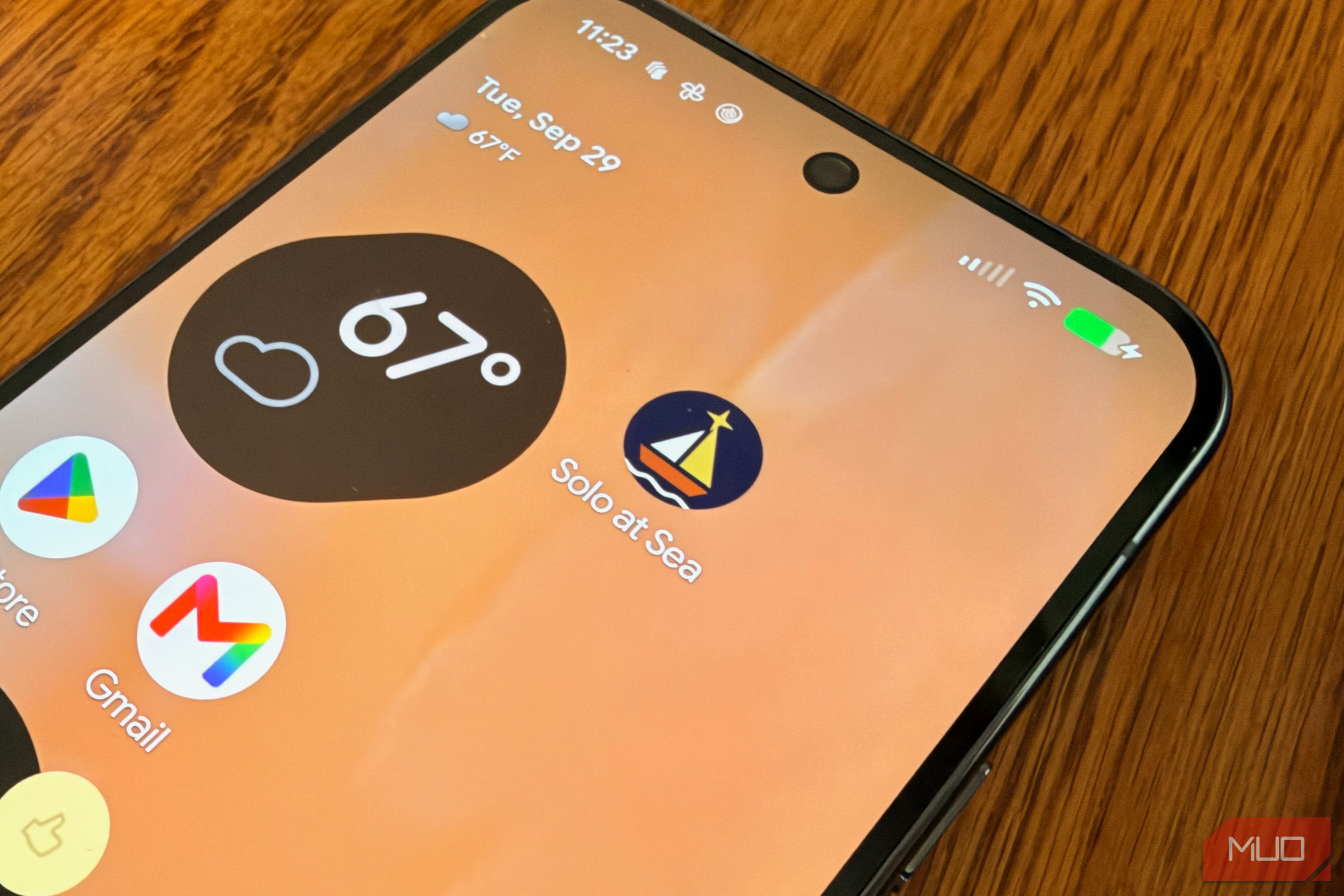
Have you ever dreamed of creating your own Android app but felt intimidated by complex coding languages like Kotlin? What if we told you that you could design, build, and even install a working app on your phone in less than half an hour, all without writing a single line of code? Thanks to powerful AI code assistants, this is now a reality.
This guide will walk you through the process, inspired by a real-world test where three different AI tools—Claude Code, OpenAI's Codex, and Google's Antigravity—successfully built a sophisticated Android app. You'll learn how to leverage these AIs to bring your app ideas to life quickly and efficiently, even if you've never coded before.
What You'll Accomplish
By following this guide, you will:
- Understand how to formulate effective prompts for AI code assistants to build Android apps.
- Learn the step-by-step process of using an AI tool to generate, compile, and install an app on your Android device.
- Discover the differences in speed and user interaction between popular AI coding platforms.
- Gain the confidence to create your own functional Android applications without needing to learn programming languages.
Prerequisites
Before you dive in, ensure you have the following:
- An Android Phone: (e.g., Google Pixel 9 Pro XL or similar) with developer options enabled for USB debugging. This allows the AI to communicate with and install apps on your device.
- USB Cable: To connect your Android phone to your computer.
- An AI Code Assistant Subscription: You'll need access to a paid AI service that includes code generation and execution capabilities. The article specifically used:
- Claude Pro (with Anthropic's Opus 5.5 model): For Claude Code.
- ChatGPT Plus (with GPT-6 -Astgra): For Codex.
- Gemini Pro (with Gemini 3.8 Flash): For Antigravity.
- A Clear App Idea: While you don't need to code, having a detailed vision for your app is crucial for prompt creation.
The App We're Building (and You Can Too!)
To illustrate the process, let's consider the example app built in the source material: "Solo at Sea." This app was designed as a companion for a travel blogging site, focusing on cruise itineraries. It included:
- Three Cruise Lines: Royal Caribbean, Celebrity, and Viking.
- Two Tabs per Cruise Line: A "Sailings" tab with filterable cards and a "Communities" tab listing Facebook groups.
- Interactive Cards: Tapping a sailing card opens the cruise line's website, and tapping a community card opens a Facebook search in the browser.
- Specific Design Elements: Built with Kotlin and Jetpack Compose, bundled with sample data (not live scraping), and styled with a navy, gold, rust, and cream color scheme.
- Deployment Goal: Build the app, install it over USB, and launch it on a Google Pixel 9 Pro XL running Android 17.
This level of detail in the prompt is key to the AI's success.
Choosing Your AI Code Assistant: Speed vs. Interaction
While all three AI tools successfully built the app, their performance varied in terms of completion time and the level of user interaction required. Your choice might depend on your preference for speed versus guided oversight.
- Claude Code (Anthropic Opus 5.5): The fastest, completing the app in just under nine minutes. It required minimal interaction, asking for file and folder permissions only about three times. The only manual step was opening the app from the phone's app drawer after installation.
- Codex (OpenAI GPT-6 -Astgra): Took approximately 14 minutes. Codex operates within a sandbox and frequently requested permissions (around 10 times) for tasks like downloading build tools or communicating via USB. It automatically opened the app on the phone upon completion.
- Antigravity (Google Gemini 3.8 Flash): The slowest at just over 22 minutes. It's a full code editor and, when set to "Request Review" mode (chosen for this test to match the other AIs' interactive nature), asked for approval about 30 times before executing terminal commands. Despite this, it also automatically opened the app on the phone.
Recommendation: If you prioritize speed and minimal interruptions, Claude Code is an excellent choice. If you prefer more granular control and don't mind approving steps, Codex or Antigravity (with its default sandbox settings) could also work well.
Step-by-Step Guide: Building Your Android App with AI
Here's how you can replicate the success and build your own Android app:
Step 1: Craft Your Detailed Prompt
The quality of your app hinges on the clarity and detail of your initial prompt. Think of it as a blueprint for the AI. Include:
- App Name: (e.g., "Solo at Sea").
- Core Functionality: What should the app do? (e.g., "display cruise line information, allow filtering of sailings, link to external websites and Facebook groups").
- User Interface Elements: Describe screens, tabs, cards, and interactive components. (e.g., "three cruise lines on the home screen, each with 'Sailings' and 'Communities' tabs").
- Programming Language/Framework: Specify if you have a preference (e.g., "Kotlin with Jetpack Compose").
- Data Source: (e.g., "bundle sample data within the app" to avoid live scraping issues for a quick build).
- Design/Theming: Provide a color scheme or general aesthetic. (e.g., "use a navy, gold, rust, and cream color scheme").
- Deployment Instructions: Clearly state the final goal (e.g., "build the app, install it over USB, and launch it on my Google Pixel 9 Pro XL").
Example Prompt Snippet (from source): "...build an Android app, which I called Solo at Sea, covers three of those lines: Royal Caribbean, Celebrity, and Viking. Each line gets a Sailings tab with filterable cards and a Communities tab listing Facebook groups. Tapping a card opens the cruise line's website or a Facebook search in the browser. Use Kotlin with Jetpack Compose, bundled sample data instead of live scraping, and the site's navy, gold, rust, and cream color scheme. Build the app, install it over USB, and launch it on my Google Pixel 9 Pro XL and the latest version of Android 17."
Step 2: Choose Your AI Tool and Prepare Your Environment
Select your preferred AI assistant based on the comparison above. Ensure your Android phone is connected to your computer via USB, and USB debugging is enabled in Developer Options.
Step 3: Initiate the Build Process
Paste your meticulously crafted prompt into your chosen AI code assistant's interface. Once the prompt is entered, command the AI to begin the app creation process.
Step 4: Manage Permissions and Interactions
The AI will start working, and this is where user interaction varies. You will likely be prompted to approve various permissions, especially when the AI needs to:
- Access local files or folders.
- Download necessary build tools.
- Communicate with your connected Android device.
Action: Simply approve these requests as they appear. Avoid altering the code or sending new instructions unless specifically troubleshooting.
Step 5: Install and Launch the App
Once the AI completes the build and installation steps, observe your phone. Some AIs (like Codex and Antigravity in the test) might automatically launch the app. If not (like with Claude Code in the test), locate "Solo at Sea" (or your app's name) in your phone's app drawer and launch it manually.
Step 6: Test Your Newly Built App
Open the app and thoroughly test all its features based on your prompt:
- Verify that all main sections (e.g., cruise lines) are present.
- Check if all tabs (e.g., Sailings, Communities) load correctly.
- Test interactive elements, such as filters and tapping on cards to ensure they open the correct websites or searches.
Troubleshooting Tips
Even with AI, sometimes things don't go perfectly the first time. Here are some common issues and their solutions:
- App Not Installing/Launching:
- Ensure your phone is properly connected via USB and USB debugging is active.
- Check for any pending permission requests from the AI tool that you might have missed.
- Try disconnecting and reconnecting your phone.
- App Lacks Expected Features or Has Bugs:
- Review your original prompt. Was it clear enough? Did you miss any details?
- Refine your prompt by adding more specific instructions for the missing features or clarifying ambiguous requirements. A more detailed prompt often leads to better results.
- If using an AI like Antigravity or Codex that has sandbox permissions, ensure you're approving all necessary steps.
Best Practices for AI-Powered App Development
- Start Simple and Iterate: Begin with a core set of features and then add complexity in subsequent prompts if needed.
- Be Explicit in Your Prompts: The more detailed and unambiguous your prompt, the better the AI can understand and execute your vision.
- Understand Your AI Tool's Behavior: Get to know how often your chosen AI asks for interaction and what types of permissions it typically needs. This helps streamline the process.
- Don't Be Afraid to Experiment: Try different AI tools or slightly rephrase your prompts to see if you get better results.
Conclusion
The era of AI-powered app development is here, making it possible for anyone to create functional applications without extensive coding knowledge. As demonstrated, AI tools like Claude Code, Codex, and Antigravity can turn a detailed plain-English prompt into a working Android app in under 30 minutes. While Claude Code offered the fastest and least interactive experience in this particular test, all three delivered impressive results. You no longer need to be a seasoned developer to bring your app ideas to life; simply describe your vision, and let the AI build it for you!
FAQ
Q: Do I need any prior coding experience to follow this guide?
A: No, this guide is specifically designed for individuals with no prior coding experience. The AI tools handle all the code generation based on your plain-English prompts.
Q: What if I don't have a paid subscription to one of these AI tools?
A: The article mentions that in some cases, you might be able to create an app using free AI accounts, though the specific tools tested here (Claude Pro, ChatGPT Plus, Gemini Pro) are paid subscriptions. Free tiers might have limitations on processing power or access to advanced models required for complex tasks like app building.
Q: Can I build iOS apps using this method?
A: The source content primarily focuses on building an Android app using these AI tools, as the author was working on both Android and iOS versions and specifically chose AI for the Android development due to not wanting to learn Kotlin. While these AI tools often support multiple languages, their effectiveness for iOS app development (e.g., Swift/SwiftUI) would require a separate test and specific prompts for that platform. The principles of prompt engineering, however, would remain similar.
Related articles

Mastering Claude for Web Design: Essential Plugins for Polished
Discover the top 3 essential Claude plugins—Frontend Design, Playwright, and Impeccable—to eliminate generic AI outputs and streamline your web design workflow from generation to testing and polish. Learn to install and use them for better results in Claude Code.

Proper Ethernet Cable Routing: Prevent Connector Failure & Boost
Learn to properly route Ethernet cables by understanding bend radius and connector limitations, preventing common failures, and boosting network reliability.
Android Auto Signal Bars: A Long-Awaited Return
Quick Verdict After months of user frustration, Android Auto’s cellular signal strength indicator is finally making its comeback to dashboards. This isn't a groundbreaking new feature, but rather the restoration of a

Apple Bolsters macOS Full Disk Access Amid AI Agent Security Concerns
Apple is enhancing macOS Full Disk Access controls following concerns about AI agents accessing sensitive user data. This move comes after reports involving Meta's Muse app and a ChatGPT security flaw, aiming to ensure users explicitly understand the risks before granting broad system access.
Boost Your Old HDD's Life: What 400k Drives Reveal About Reliability
Discover how HDD reliability varies by brand, backed by a study of over 400,000 drives. Learn which manufacturers offer the most robust drives, understand age-related failure patterns, and get actionable tips to optimize drive temperature and safeguard your data for maximum longevity.
.jpg?width=690&quality=85&format=jpg&auto=webp)
Bungie & Destiny Vets Forge New Transmedia Universe at Stone Kite
Bungie co-founder Jason Jones and Destiny 2 narrative director Margaret Stohl have launched Stone Kite, a new transmedia studio aiming to revolutionize storytelling by having creators from various disciplines shape worlds together from day one. Their first IP, *One Zero One*, a sci-fi saga about humanity vs. AI, will debut as a free online comic series in early 2027.