6 results found
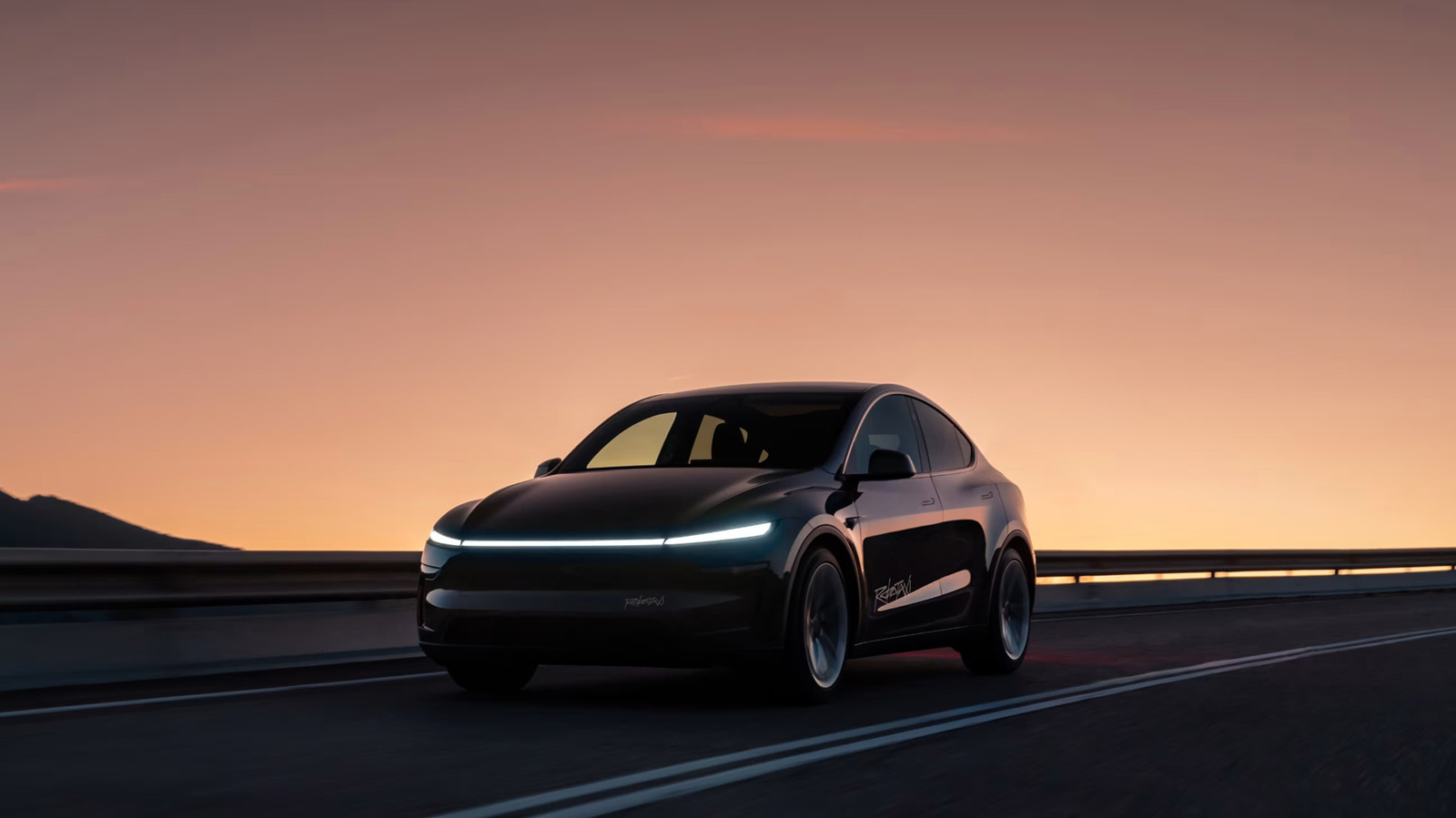
Tesla's robotaxi service expands to a small, unsupervised section of West Miami, intensifying competition in the autonomous ride-hailing market. Read our detailed analysis.

Wayve, the UK-based self-driving AI startup, has initiated an $85 million employee tender offer at an $8.5 billion valuation, allowing staff to sell vested equity. This move reflects a growing trend among AI companies using such offers for talent retention, supported by eager investors betting on continued high growth. Wayve plans robotaxi pilots with Uber this year and Nissan integration by 2027.

Chinese company Yueban has unveiled Xiaoban, an autonomous, self-driving toilet designed to enhance accessibility for individuals with mobility issues. Featuring lidar navigation, a built-in bidet, self-cleaning, and automated waste disposal, it seeks to bring personal hygiene solutions directly to the user.

Uber's CTO revealed a long-term plan to equip its millions of drivers' cars with sensors, transforming them into a vast data collection grid for autonomous vehicle (AV) companies. This expansion of their AV Labs program aims to address the critical data bottleneck in AV development. The strategy positions Uber as a key infrastructure provider in the self-driving sector, potentially granting it significant leverage and financial benefit.
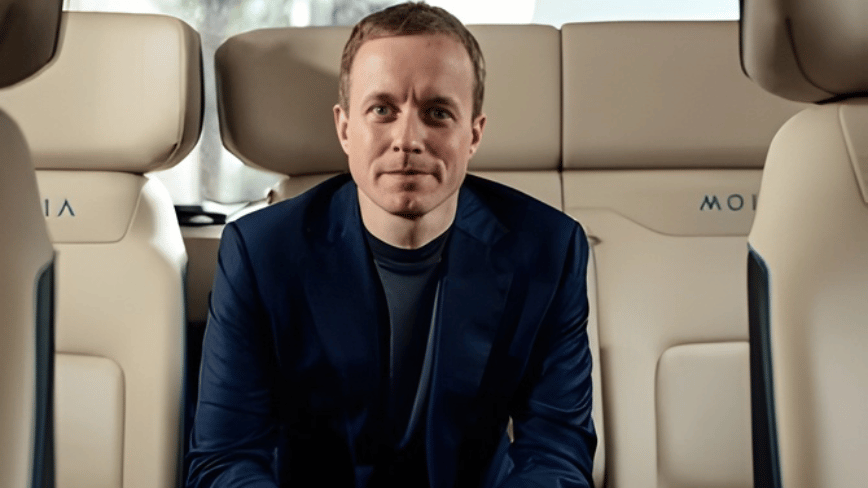
Volkswagen's MOIA America and Uber have officially begun on-road testing of self-driving ID. Buzz minibuses in Los Angeles, marking the first U.S. city in their multi-city rollout strategy. The initial fleet operates with human safety operators, targeting commercial service by late 2026 and fully driverless operations by 2027. This move leverages the specialized ID. Buzz AD equipped with a 27-sensor Mobileye platform and Uber's extensive ride-hailing network.

Uber is significantly boosting its autonomous vehicle strategy with a $300 million investment in Rivian, securing 10,000 R2 robotaxis for a 2028 rollout in San Francisco and Miami. This unique partnership places development risks on Rivian as it builds both the vehicle and the self-driving system. The move reflects Uber's broader shift to a global, partner-centric approach to AVs after divesting its in-house unit.
