
Volkswagen's MOIA and Uber Launch Self-Driving ID. Buzz Tests in LA
Volkswagen's MOIA America and Uber have officially begun on-road testing of self-driving ID. Buzz minibuses in Los Angeles, marking the first U.S. city in their multi-city rollout strategy. The initial fleet operates with human safety operators, targeting commercial service by late 2026 and fully driverless operations by 2027. This move leverages the specialized ID. Buzz AD equipped with a 27-sensor Mobileye platform and Uber's extensive ride-hailing network.
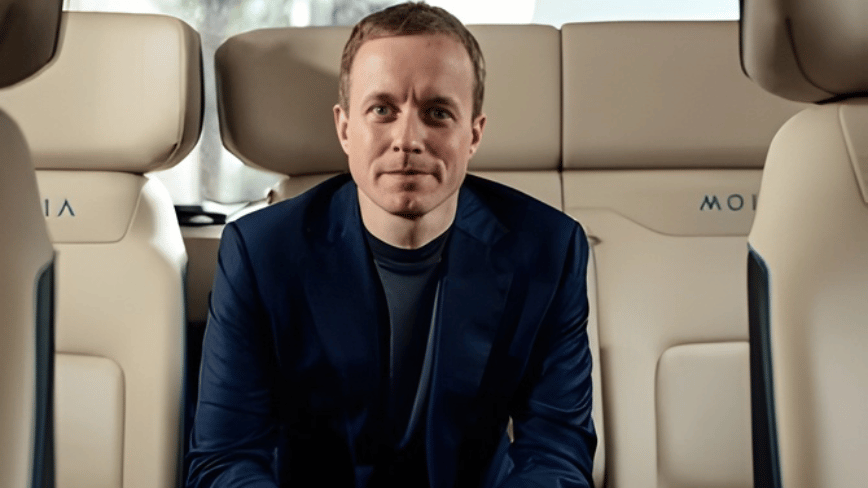
Los Angeles, CA – Volkswagen's autonomous mobility subsidiary, MOIA America, has commenced on-road testing of its self-driving ID. Buzz minibuses in partnership with Uber. This marks a significant milestone in the companies' ambitious plan to deploy autonomous ride-hailing services, with an initial fleet of approximately 10 vehicles now navigating Los Angeles streets. The pilot phase includes human safety operators and aims for commercial operations by late 2026, leading to fully driverless service in 2027.
This deployment in Los Angeles represents the first U.S. city in what Volkswagen and Uber envision as a multi-city expansion over the next decade. The current testing phase will eventually scale to over 100 autonomous ID. Buzz vehicles, allowing for extensive real-world validation before the planned commercial launch. The presence of human safety operators is a crucial step in fulfilling California's stringent regulatory requirements for autonomous vehicle testing and eventual commercial service.
The Autonomous ID. Buzz: A Technical Marvel
The ID. Buzz AD variant, specifically designed for autonomous operation, distinguishes itself from its consumer counterpart with an advanced 27-sensor suite. This comprehensive system integrates 13 cameras, nine LiDAR units, and five radars. All collected sensor data is processed by a Mobileye-sourced computer running the Mobileye Drive platform. This partnership, established after Volkswagen's previous collaboration with Argo AI, places Mobileye in charge of the crucial software, hardware components, and digital mapping that drive the vehicle's decision-making capabilities.
Manufactured by Volkswagen Commercial Vehicles at its Hanover plant, the production-ready autonomous ID. Buzz can accommodate up to six passengers. Its powered sliding doors enhance practicality for group ride-hailing, a key use case MOIA has been developing since its inception.
Charting the Course to Commercial Service
MOIA America faces a rigorous regulatory pathway in California, requiring both a commercial deployment permit from the Department of Motor Vehicles and a ride-hailing permit from the Public Utilities Commission. The current testing phase is vital for technical validation and demonstrating safe operation to regulators.
The timeline for deployment is robust. Following the initial testing with around 10 vehicles, the fleet is expected to expand to over 100 vehicles with safety operators before commercial service begins by the end of 2026. The aspiration for fully driverless operation, without any human onboard, is set for 2027. MOIA America intends to scale its Los Angeles operations to more than 500 autonomous vehicles by the third quarter of 2027, with plans to introduce over 1,000 vehicles across additional U.S. cities thereafter.
Paul DeLong, President of commercialization at MOIA America, underscored the strategic choice of Los Angeles, noting its history in shaping car culture and adopting new mobility technologies. He also highlighted the integral role of the Uber partnership, leveraging a platform that millions of riders already trust. Sascha Meyer, Chief Commercial Officer for Volkswagen Autonomous Mobility, emphasized the strong momentum behind this real-world deployment, while Uber CEO Dara Khosrowshahi hailed it as a significant milestone reflecting both companies' dedication to the future of transportation.
Strategic Market Entry and Uber's Platform Approach
Los Angeles is a competitive landscape for autonomous vehicle services, with Waymo already offering fully driverless rides since 2024 and expanding significantly. This existing presence establishes a clear performance benchmark for MOIA and Uber, offering riders a direct comparison from day one.
MOIA brings valuable operational experience to the U.S. market, having managed a ride-pooling service in Hamburg, Germany, since 2019, transporting over ten million passengers. Its autonomous program in Hamburg, part of the federally supported ALIKE project, means the ID. Buzz AD platform has prior commercial public operation experience.
Uber's involvement in this partnership aligns with its broader strategy as a distribution layer for autonomous vehicles, rather than a developer of the core technology. Following the sale of its Advanced Technologies Group in 2020, Uber has focused on partnering with various AV companies. This includes its relaunched Motional robotaxi service in Las Vegas and a pilot with Wayve and Nissan in Tokyo. The MOIA America collaboration adds another geography and technology partner to Uber's expanding network, which benefits from Uber's demand generation, brand recognition, and logistical infrastructure, supported by its AI infrastructure partnership with AWS for dispatch, routing, and fleet management.
FAQ
Q: When can passengers expect to take commercial rides in the autonomous ID. Buzz minibuses?
A: MOIA America and Uber aim to offer commercial rides with human safety operators by the end of 2026. Fully driverless service, without any human in the vehicle, is targeted for 2027.
Q: How does the autonomous ID. Buzz AD differ from the consumer version?
A: The autonomous ID. Buzz AD is equipped with a specialized 27-sensor suite, integrating 13 cameras, nine LiDAR units, and five radars. It runs on Mobileye Drive platform software and hardware, and features powered sliding doors for practical group ride-hailing, unlike the standard consumer ID. Buzz.
Q: What is Uber's overall strategy for integrating autonomous vehicles into its services?
A: Uber positions itself as the distribution platform for autonomous vehicles, rather than developing the underlying technology itself. It partners with various AV technology providers, integrating their vehicles into its ride-hailing network to provide demand, brand recognition, and logistical support across multiple cities.
Related articles

Apple Unveils iPhone Duo: Pricey Foldable Sees Soaring Demand
Apple has officially entered the foldable smartphone arena with the long-anticipated launch of the iPhone Duo. Priced starting at a hefty $1,999, the device features a 5.4-inch outer display and a larger 7.6-inch inner

in-depth: Chicago-Area Cops Helped HSI Spy on Minnesota Anti-ICE
Chicago-area law enforcement, including local police and HSI agents, conducted undercover surveillance on Minnesota anti-ICE activists at an April 2, 2022, talk in Chicago. This operation was part of a federal conspiracy probe into 15 Minnesota activists facing felony charges related to immigration enforcement resistance. Civil liberties advocates have condemned the surveillance as a troubling intrusion into protected political activity.

Mark Wahlberg on using AI in film ‘the right way’ and being open to
Actor Mark Wahlberg believes AI has a place in filmmaking if used responsibly for enhancement, not script generation or actor replacement. At TechCrunch Disrupt, he expressed openness to an AI likeness carrying on his legacy, managed by his family, and emphasized storytelling.

Tesla Unveils Thruster-Equipped Roadster, 2028 Production Targeted
Tesla has unveiled its second-generation Roadster, featuring cold-gas thrusters co-developed with SpaceX, enabling it to jump and flip. The electric sports car demonstrated 0-60mph in an astonishing 0.81 seconds, with production targeted for 2028. This highly anticipated reveal also serves as a key recruitment tool for Tesla's ambitious AI and robotics initiatives.
Amazon Prime Video Launches AI-Powered Prime 360 for NBA Coverage
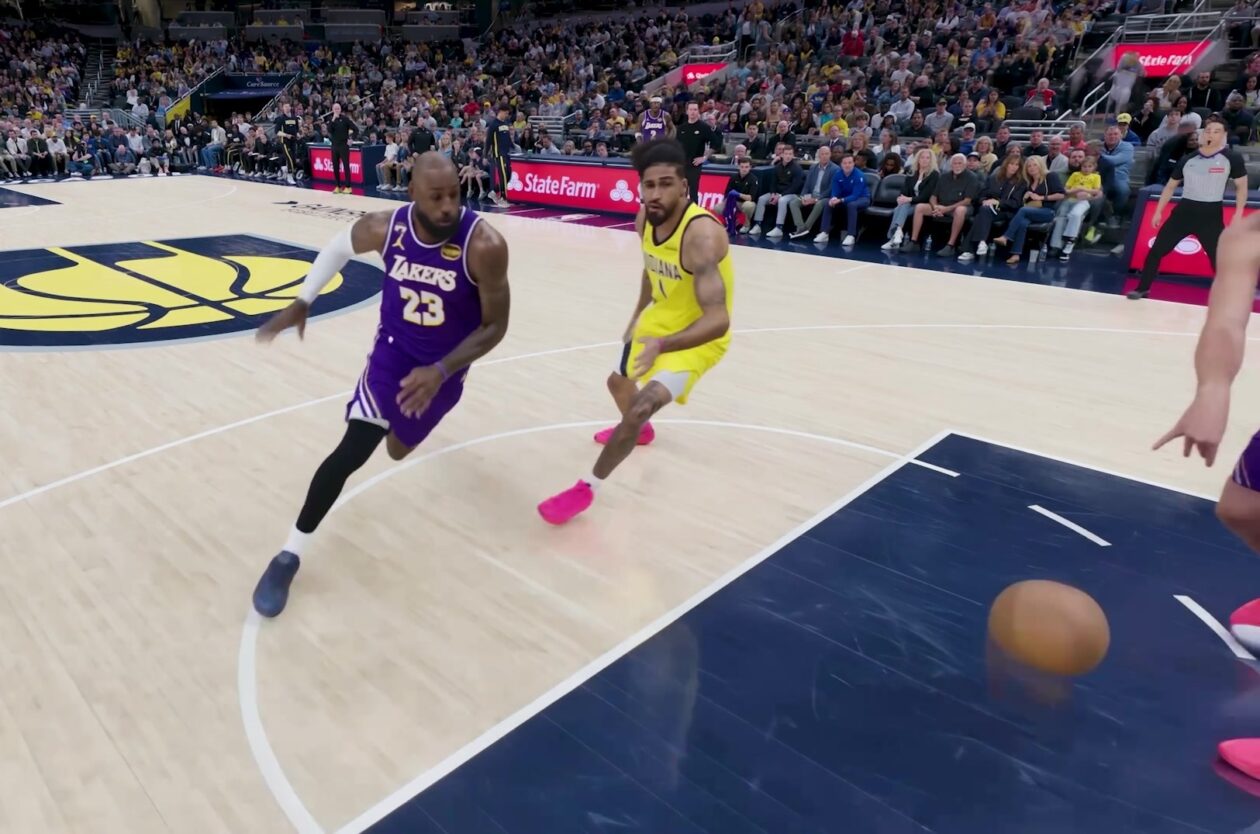
Amazon Prime Video is elevating its NBA coverage with the introduction of Prime 360, an AI-powered replay system offering immersive, 'fly through' views of the action. Kicking off its second season, Prime Video also adds Yahoo fantasy integration and gains exclusive Eastern Conference Finals rights, expanding its tech-driven sports broadcast. The new features aim to deliver a unique and interactive viewing experience for basketball fans.
regional: A two-person Seattle startup lands $1M to reinvent
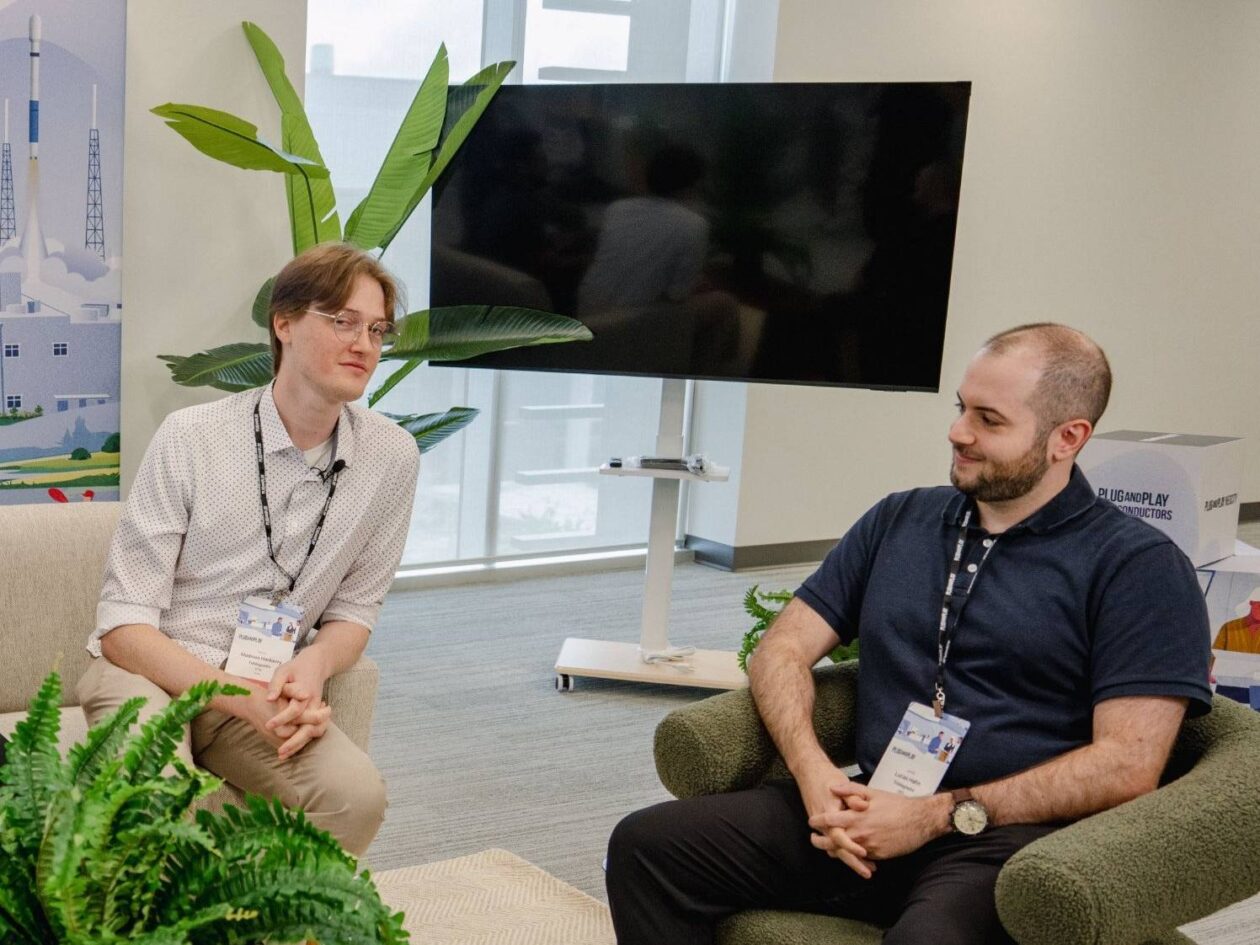
Seattle startup TriMagnetix has secured $1 million to develop semiconductor chips that consume 800 times less energy and are radiation-resistant. The two-person company, leveraging nanomagnetic technology, is targeting space applications and data centers. With new funding and key partnerships, TriMagnetix aims for commercial sales within a year.