5 results found

The Allen Institute for AI (Ai2) has launched a powerful new computing cluster, a major step in its $152 million OMAI project backed by Nvidia and the National Science Foundation. This system will develop open AI models for scientific research, emphasizing transparency and collaboration. The move reinforces Ai2's mission despite recent leadership changes.
A major seven-year DARPA-funded study, SCORE, has concluded that AI cannot reliably predict whether scientific studies will replicate. This finding dampens hopes for a "scientific credit score" and highlights the enduring difficulty of validating research amidst a flood of annual publications.

Billionaire-backed startup R3 Bio is developing genetically-engineered, nonsentient "organ sacks" to replace animal testing. This initiative aligns with the Trump administration's efforts to phase out animal experimentation, offering a potentially humane and effective alternative for scientific research. The company aims to eventually create human versions for personalized medical testing.
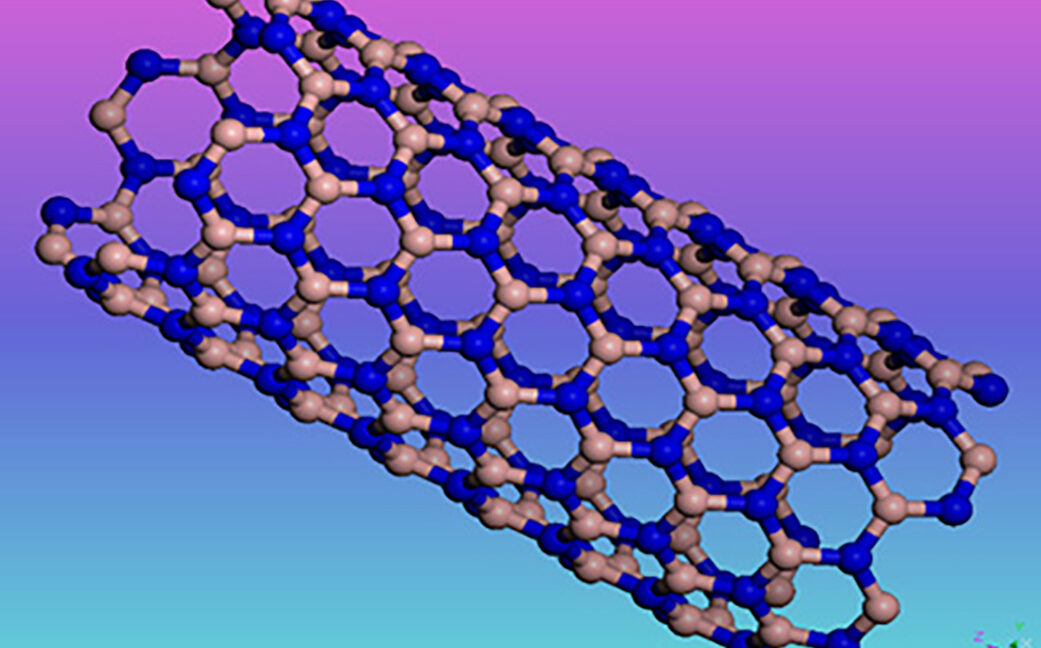
This isn't a review of a physical gadget or a piece of software you can buy off the shelf. Instead, we're diving deep into a groundbreaking piece of scientific research that's pushing the boundaries of quantum mechanics
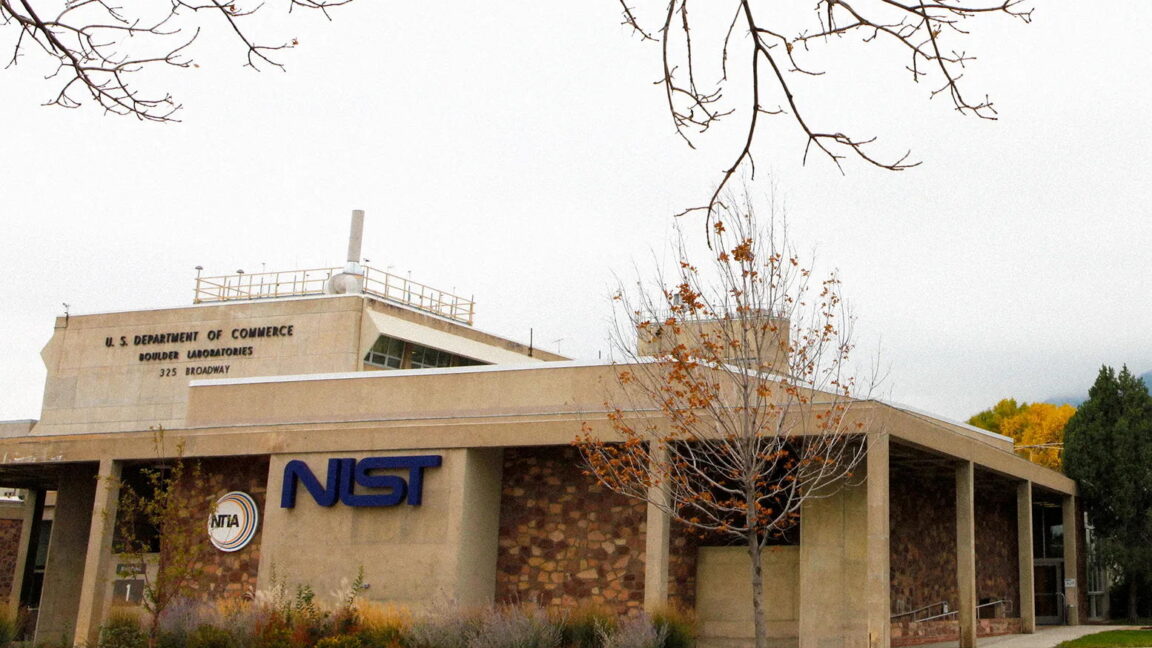
Noncitizen personnel at a National Institute of Standards and Technology (NIST) lab recently had their after-hours access revoked. This change restricts their ability to work at the government research facility outside of standard operational times. The specific reasons for this policy shift and its broader implications for scientific research or national security protocols are not detailed in the available information.
