4 results found
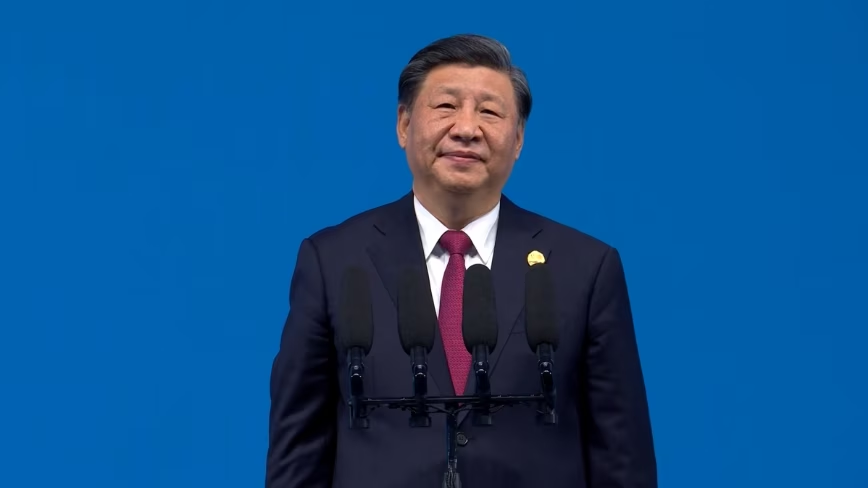
Chinese President Xi Jinping proposed a China-led open-source AI community and invited BRICS nations to join the World AI Cooperation Organization (WAICO) at the recent BRICS summit. This push for global collaboration contrasts sharply with Beijing's ongoing internal debates about restricting its own advanced AI models. Meanwhile, the EU's comprehensive AI Act, with its clear, enforceable rules for open-source AI, highlights a significant divergence in global AI governance approaches.

Hugging Face CEO Clem Delangue explains why companies are abandoning proprietary AI APIs for open-source models. Driven by escalating costs and a desire for greater control, this shift highlights a critical moment in AI development and competition. This move fosters decentralization and broadens access to advanced AI tools.

The Allen Institute for AI (Ai2) has launched a powerful new computing cluster, a major step in its $152 million OMAI project backed by Nvidia and the National Science Foundation. This system will develop open AI models for scientific research, emphasizing transparency and collaboration. The move reinforces Ai2's mission despite recent leadership changes.

Ali Farhadi is stepping down as CEO of the Allen Institute for AI (Ai2) after two and a half years, citing the financial realities of competing in large-scale AI research as a nonprofit. Peter Clark will serve as interim CEO as the board seeks a permanent successor. Farhadi leaves a legacy of expanded open-source AI recognition and numerous impactful projects.
