12 results found

Meta's CTO, Andrew Bosworth, dismisses privacy concerns over smart glasses as a "bad actors" problem, just as the company prepares to launch a camera-free version, "Luna." This strategic product shift, coupled with mounting regulatory scrutiny in Europe and easily defeated privacy safeguards on existing models, casts doubt on Bosworth's defense.
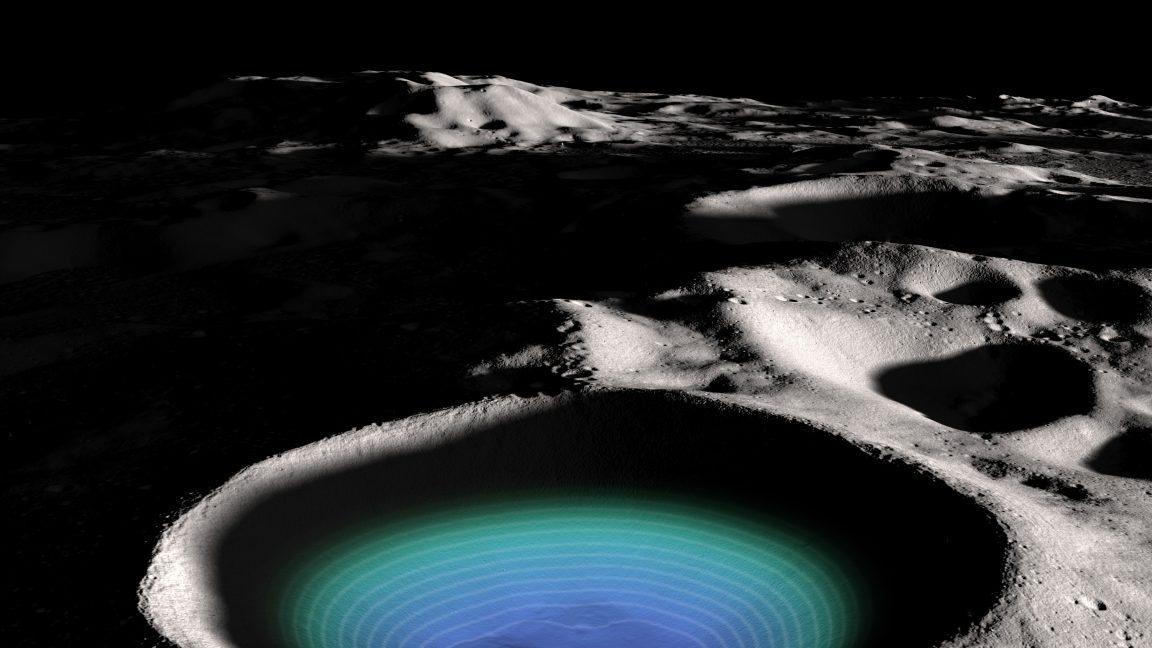
The Verdict: Prioritizing Perfection in the Lunar Race China's decision to delay its critical Chang'e 7 lunar mission to 2027, initially planned for late 2026, is a move that underscores a deep commitment to mission

NASA has released images showing a new crater on the moon from an unintentional SpaceX Falcon 9 rocket impact. The upper stage crashed at 5,400 mph on August 5, 2026, after over a year in space. NASA describes lunar impacts as an "accepted and safe" disposal method, though public concern about space junk is rising.

Seattle's Interlune is expanding its partnership with industrial equipment manufacturer Vermeer to develop crucial construction tools for lunar infrastructure. This pivot supports NASA's $30 billion initiative to build a moon base, focusing on tasks like road building, excavation, and site preparation. While broadening its scope, Interlune continues its helium-3 mining efforts with planned missions.
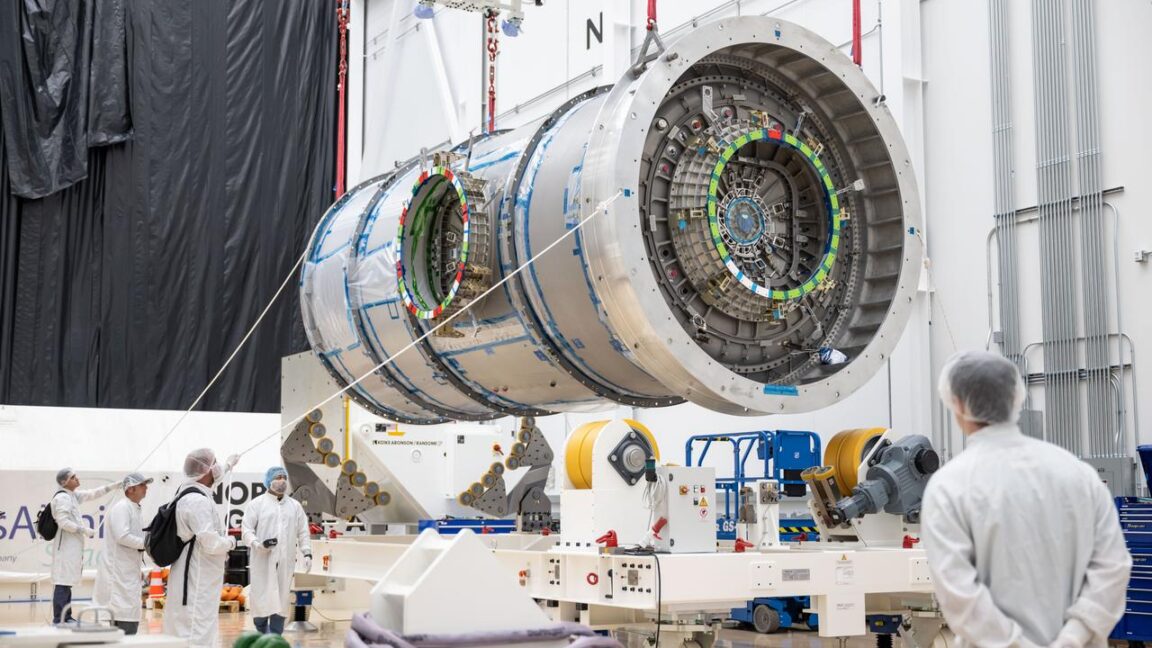
NASA has directed Northrop Grumman to cease work on the Lunar Gateway's HALO module, a critical habitation component. This decision signals a firm shift from an orbital lunar station to a direct Moon base strategy, impacting a $1.1 billion contract and raising questions about future lunar infrastructure.
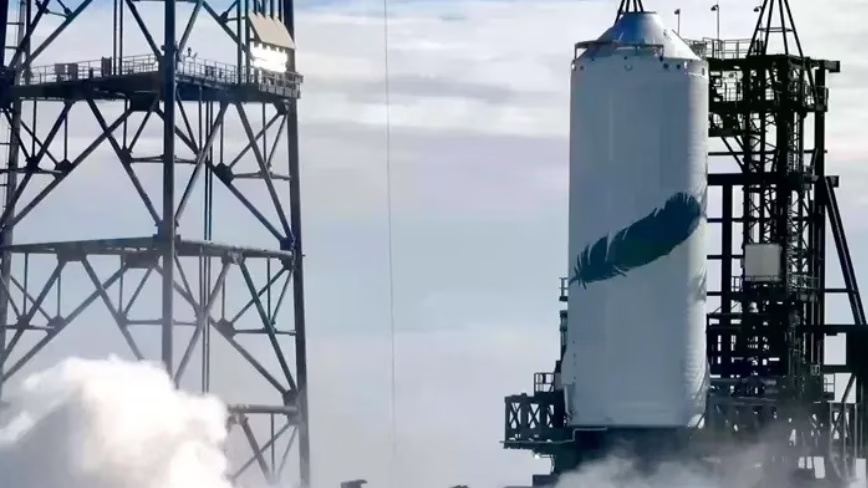
Blue Origin announced that critical fuel tanks and key launch pad components survived last week's New Glenn rocket explosion, paving a faster path back to flight. CEO Dave Limp pledges a return to orbital missions before year-end, which is crucial for NASA's Artemis lunar program to maintain its tight schedule for crewed landings.

NASA's Artemis 2 mission successfully concluded today with a triumphant splashdown in the Pacific Ocean, marking the first crewed trip around the moon since 1972. The four-astronaut crew returned after a 10-day odyssey, setting new human distance records and validating critical hardware for future lunar landings and the establishment of a permanent base.

NASA's Artemis II mission successfully concluded its historic voyage around the Moon, with the Orion module splashing down safely in the Pacific Ocean. This pivotal human-rated test flight delivered four astronauts back to Earth, validating critical systems and marking a significant step towards humanity's sustained return to the lunar surface.
The recent Artemis II mission has us looking up, but games have been taking us to the moon for decades. From haunted alien outposts in Destiny to the terrifying visage of Majora's Mask, and the enigmatic quantum moon of Outer Wilds, virtual worlds offer wildly creative interpretations of our celestial neighbor. This piece celebrates how games mythologize and utilize the moon, transforming it into a setting for awe, terror, and pivotal gameplay mechanics.

NASA's Artemis II mission successfully completed its historic lunar flyby on April 6th, circling the Moon's far side and setting a new human distance record. The four astronauts are now returning to Earth, marking a critical step in the program's ambitious goal of establishing a sustainable presence on the Moon and paving the way for future lunar landings.

NASA has delayed the Artemis 2 moon mission from March to April at the earliest due to an interruption in helium flow within the Space Launch System (SLS) rocket. The rocket and its Orion crew capsule must be rolled back to the Vehicle Assembly Building (VAB) for repairs. This crewed lunar flyby is a critical step towards humanity's return to the moon.

NASA successfully completed a comprehensive wet dress rehearsal for its Artemis 2 moon mission, bringing the countdown to T-minus 29 seconds. This critical test, involving the Space Launch System rocket and Orion capsule, is a major step towards the first crewed lunar mission in over 50 years. Mission managers will now review the data to approve the final go-ahead, with March 6 targeted for liftoff.
