9 results found

Chicago-area law enforcement, including local police and HSI agents, conducted undercover surveillance on Minnesota anti-ICE activists at an April 2, 2022, talk in Chicago. This operation was part of a federal conspiracy probe into 15 Minnesota activists facing felony charges related to immigration enforcement resistance. Civil liberties advocates have condemned the surveillance as a troubling intrusion into protected political activity.
Kash Patel's claims of a '605% increase' in FBI AI use and 'embedded' tech players are ambitious, pointing to significant integration. While potentially beneficial for law enforcement, the lack of verifiable data and transparent details warrants critical examination.

President Donald Trump publicly backed Flock license-plate cameras, a growing surveillance technology, citing its benefits for law enforcement despite acknowledging privacy concerns. This marks his first public endorsement of the controversial automated license plate readers (ALPRs). Critics argue the widespread data collection infringes on privacy, fueling a national debate on surveillance and civil liberties.

The Verge has published a scathing critique of ICE operations under the Trump administration, detailing a recent fatal shooting in Houston and the alleged intimidation of online critics. The article characterizes ICE as an unaccountable, heavily armed force engaging in abuses and operating as the administration's "private domestic army."

Tesla's Nevada Gigafactory has become the target of an "epidemic" of battery thefts, with millions of dollars worth of car and home batteries stolen directly from loading docks. Sheriff's records detail at least 11 incidents since December, nine of which occurred in January, involving sophisticated "strategic thefts" by organized groups exploiting security vulnerabilities. Tesla has since tightened protocols, and law enforcement has made arrests, but the broader issue of rising cargo theft continues to challenge the industry.

U.S. prosecutors revealed the Russian ransomware gang Karakurt accessed government databases and used law enforcement ties to evade taxes and military service, following the sentencing of hacker Deniss Zolotarjovs. This highlights Russia's role as a cybercriminal "safe haven."
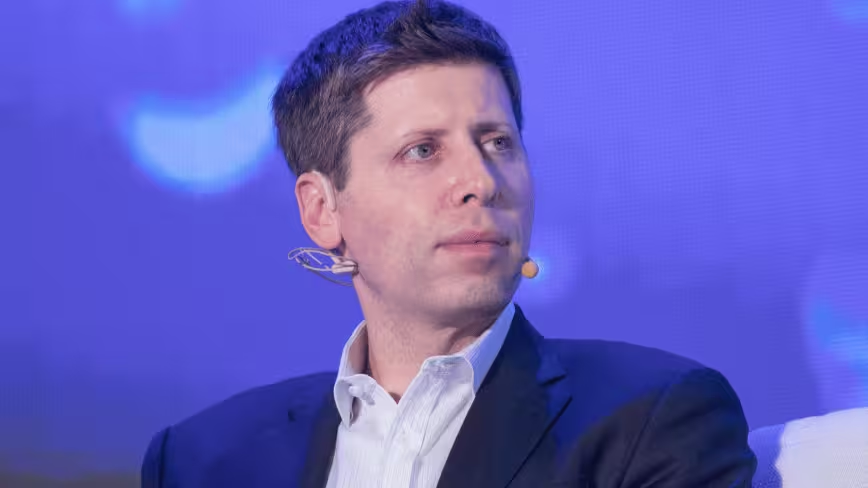
Sam Altman, CEO of OpenAI, has issued a public apology to the community of Tumbler Ridge, British Columbia, following the company's failure to alert law enforcement about a ChatGPT user who later carried out Canada's
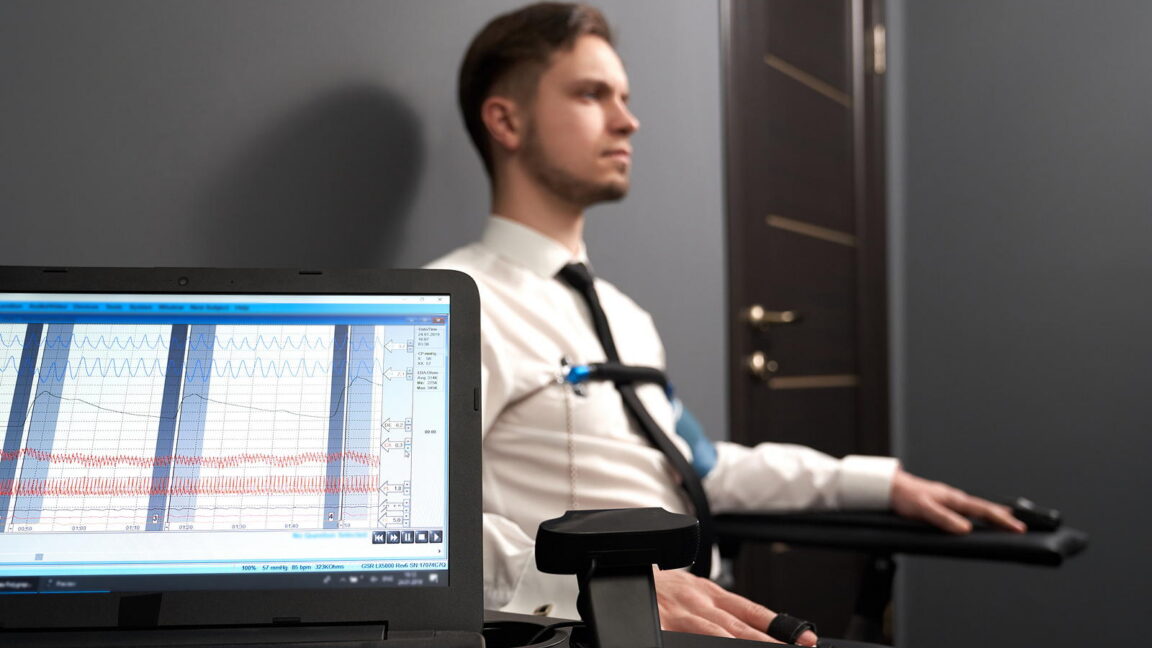
Polygraphs are an outdated and scientifically unreliable technology for lie detection. Despite ongoing use in law enforcement and security, they are prone to false positives, can be coercive, and are vulnerable to countermeasures. While machine learning offers minor improvements to interpretation, fundamental flaws remain, making their continued reliance problematic.

Jesse Van Rootselaar, suspect in the Tumbler Ridge mass shooting, reportedly discussed gun violence with ChatGPT in June, triggering OpenAI's automated review system. Despite concerns raised by OpenAI employees who urged leaders to contact authorities, the company ultimately declined to refer the account to law enforcement prior to the shooting.
