4 results found

Google is transitioning from a traditional search engine to an AI agent that proactively gathers information, fundamentally redefining the act of "googling." This shift, discussed on The Vergecast after Google I/O, raises profound questions about the future of the web itself and Google's identity in the AI era.
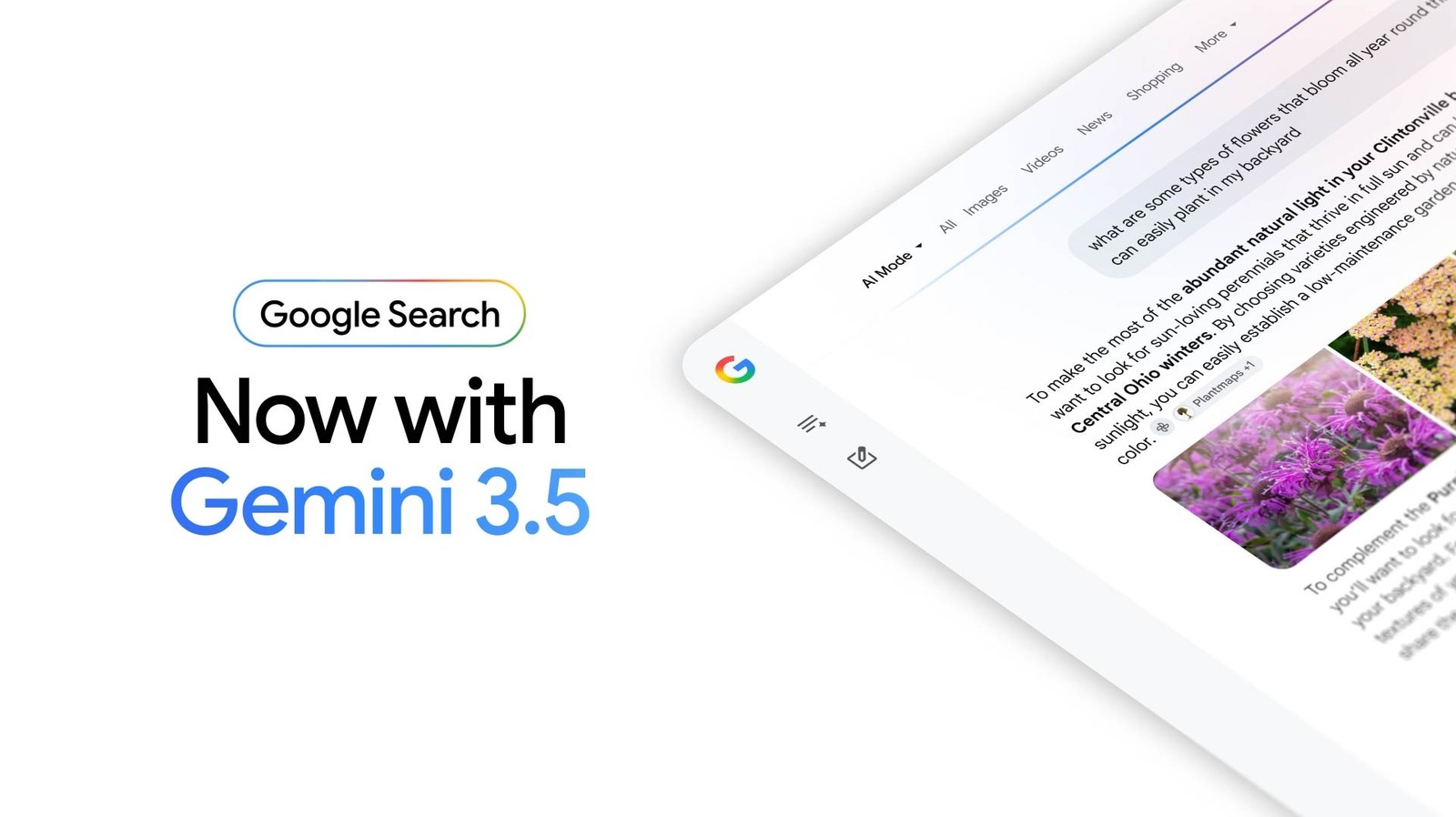
Google I/O 2026 was dominated by AI, showcasing new Gemini capabilities like Spark for autonomous tasks, multi-modal search, and Android XR smart glasses. While promising immense convenience, the high cost of new AI subscription tiers and potential privacy implications warrant careful consideration for consumers.

Google's Gemini AI is rapidly expanding its presence across Workspace apps, drawing comparisons to Microsoft's controversial Copilot rollout. This aggressive integration, marked by ubiquitous "sparkle icons," is leading to user fatigue and criticism. Critics warn that Google risks alienating users and developers by pushing unwanted AI features, potentially repeating Microsoft's past mistakes.
Google I/O 2026 is poised to redefine its ecosystem with a groundbreaking push for AI integration, headlined by the new Gemini Intelligence layer for Android. Key pre-announcements also include the unveiling of Googlebooks, premium Android laptops replacing Chromebooks, and a first look at consumer-ready Android XR smart glasses. These developments signify Google's most aggressive AI-first strategy since 2023.
