9 results found
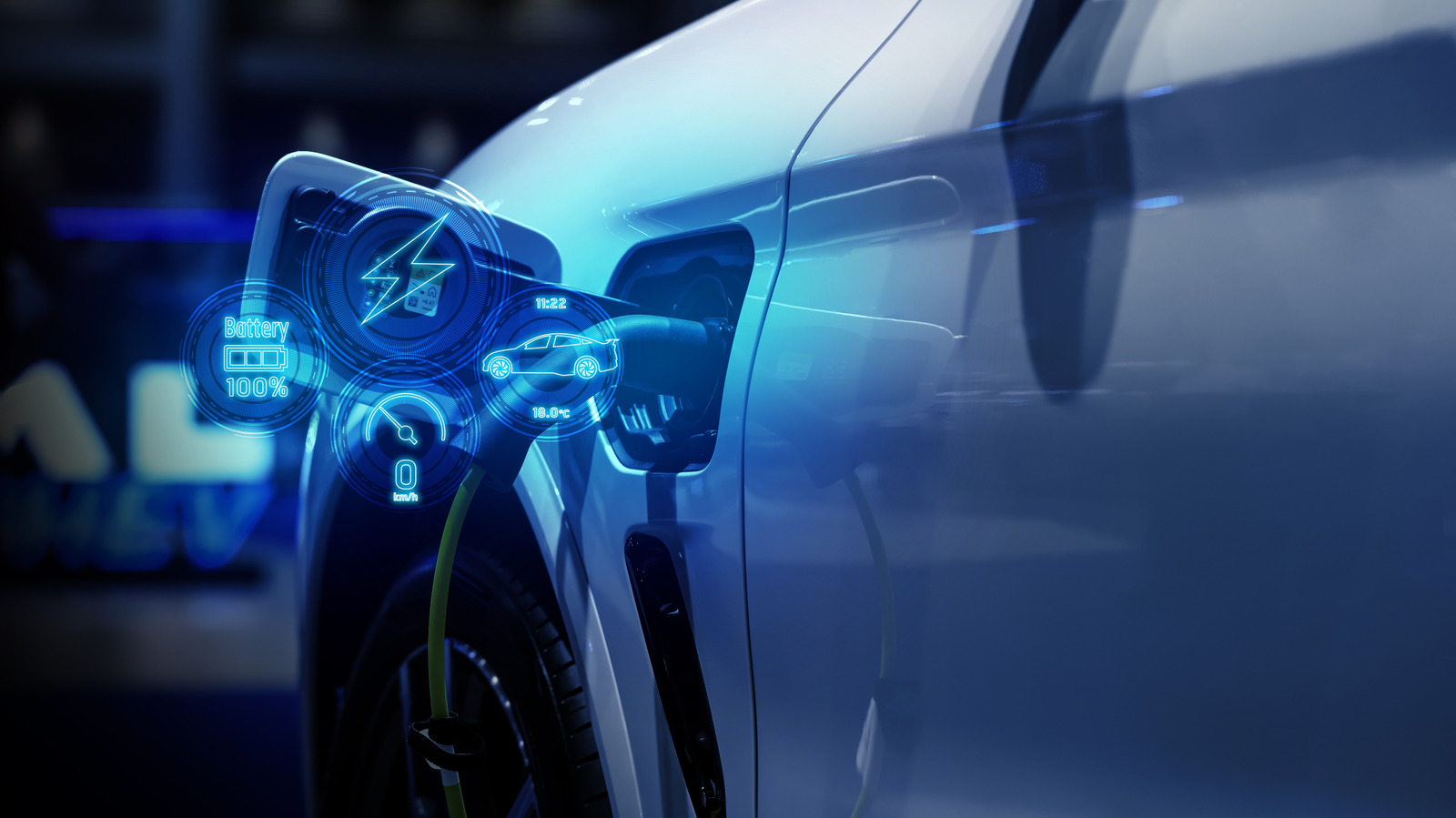
Verdict: Demystifying the EV Battery's Afterlife For anyone pondering the longevity and environmental impact of their electric vehicle, the question of 'what happens to an EV battery after it's removed from your car?'

Elon Musk's SpaceX is building a secret Texas foundry to produce gas turbine blades, aiming to accelerate AI data center power by 18 months. This addresses a critical energy bottleneck, but faces environmental backlash over pollution and health risks from gas turbines.

A Washington Post analysis reveals a dramatic shift as Republican politicians turned sharply negative on data centers in the past six months, moving from advocates to critics. This change aligns with growing public concerns over environmental impact, job creation, and political motivations, potentially reshaping the future of tech infrastructure development.
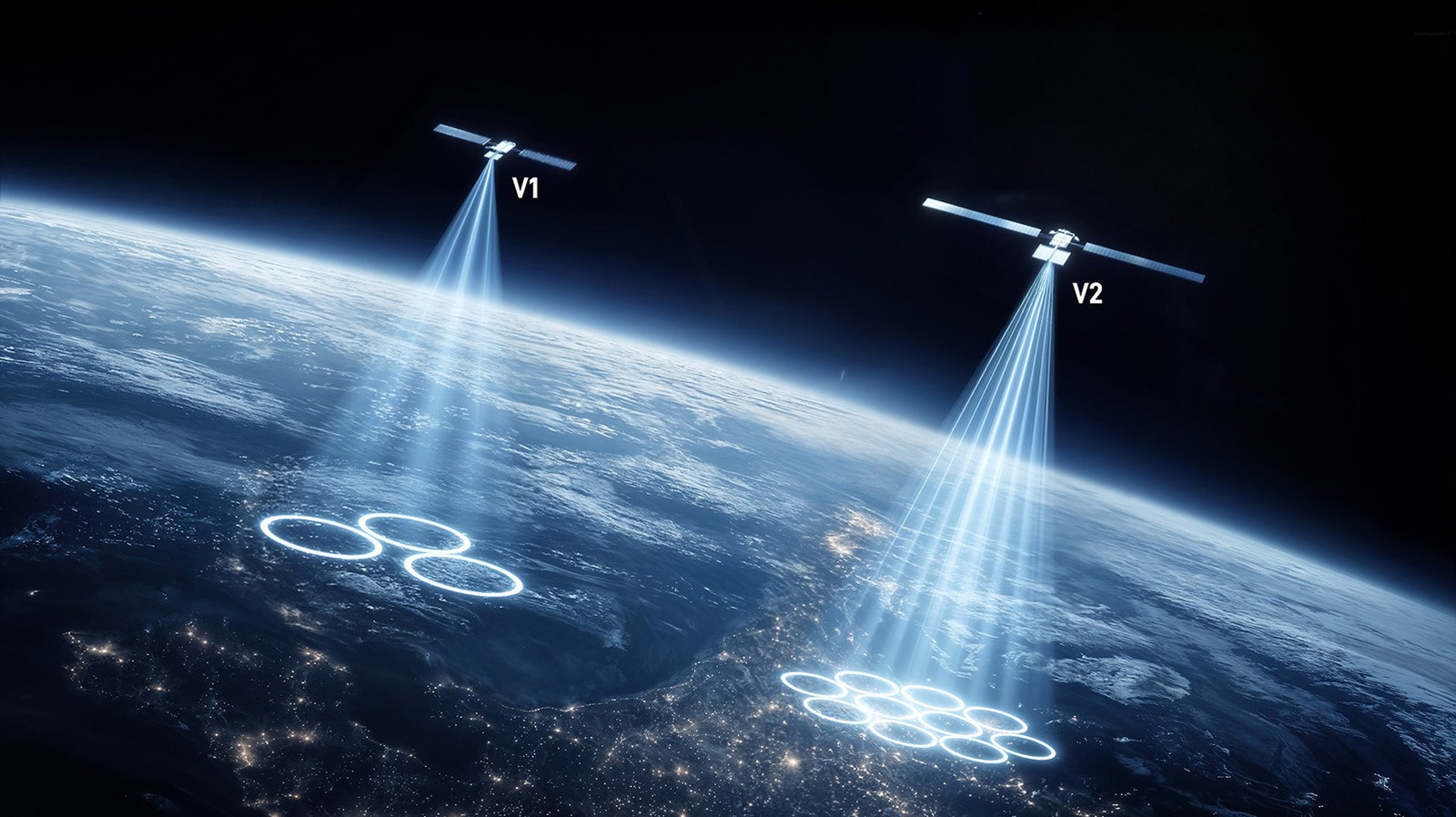
Starlink's recent deorbiting of 260 satellites is a routine, engineered safety measure, not a crisis. SpaceX employs proactive, controlled re-entry methods to manage its constellation and mitigate space debris, though environmental impacts are still being studied.
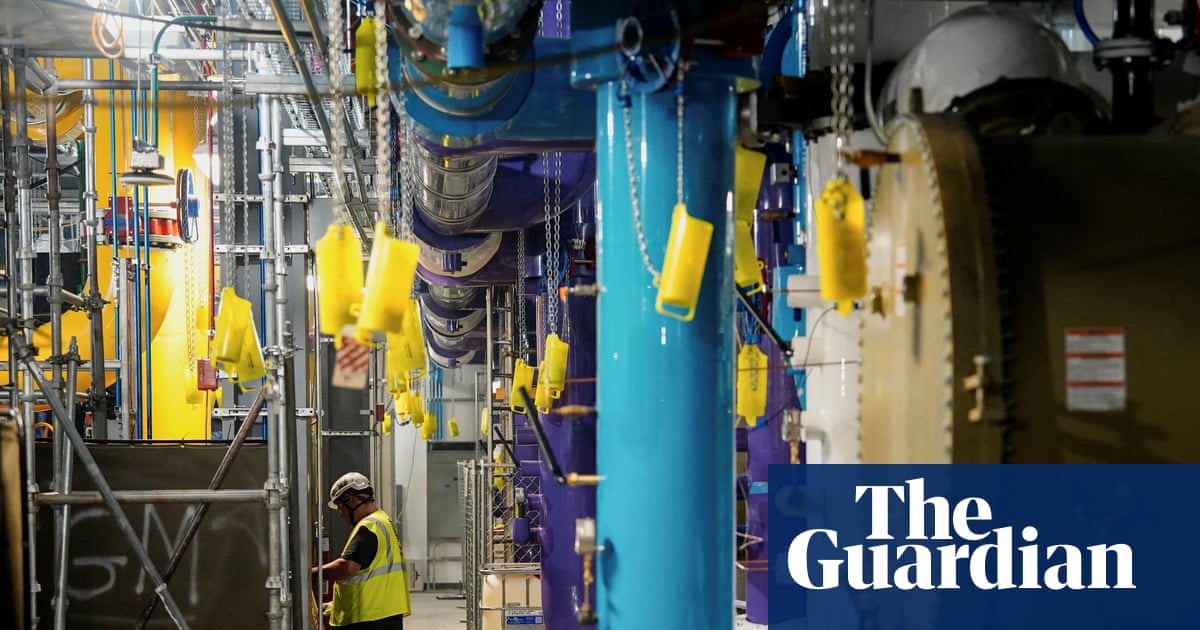
The rapid expansion of cloud services and AI, driven by companies like Microsoft, Amazon, and Google, is causing a significant surge in their carbon emissions. This article explores the scale of this environmental impact, detailing the recent increases and the challenges it poses to their sustainability goals. We examine why this boom is affecting climate ambitions and what developers should consider for a more sustainable future.

Keurig's single-cup brewers revolutionized convenience but created an environmental dilemma with K-Cups and potentially lowered coffee quality standards. A new *Version History* podcast episode unpacks this complex legacy, examining the trade-offs between innovation and its societal and ecological costs.

Microsoft has dramatically cut water consumption in its data centers by 90% since its earliest facilities, achieving a 0.27 liters per kilowatt-hour rate last year. The company also announced it is globally water positive for the first time, replenishing more water than it withdraws. These efforts come as public concern grows over data center environmental impacts, leading to similar initiatives from Amazon and Google.

Washington state's House Bill 2515, aimed at regulating data centers for environmental and ratepayer protection, has failed to pass. The bill's demise followed significant lobbying efforts and public opposition from major tech companies like Microsoft and Amazon, despite support from environmental groups and consumer advocates.

Sam Altman has dismissed viral claims about ChatGPT’s water usage as "completely untrue." However, he acknowledged the larger, unresolved challenge of AI’s growing energy consumption and overall environmental impact, highlighting it as a significant industry concern.
