9 results found
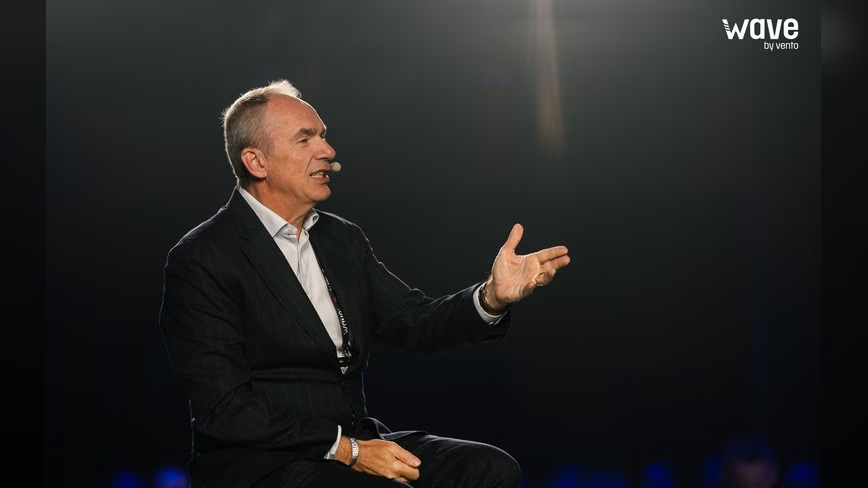
Jean-Christophe Laloux, incoming EIF chief, announced that funds backed by the European Tech Champions Initiative now hold 15 unicorn companies. He detailed plans to expand the initiative to support smaller funds and attract co-investors, emphasizing the importance of scaling European startups within the continent for "sovereignty." The EIF will prioritize investments in deep tech, including AI, biotech, defense, and cleantech.

Nvidia has launched CUDA-Q Logical, an open-source orchestration layer for its quantum platform, dramatically reducing design time for complex quantum applications. Fermilab notably cut a five-month task to just three weeks, while other partners report significant efficiencies in fault-tolerant quantum computing simulations. The move strengthens Nvidia's role as a critical software provider in the burgeoning quantum ecosystem, albeit with initial claims awaiting external validation.
Universities should prepare founders by emphasizing deep technical skills, fostering a culture where startups are a viable path, and, most importantly, encouraging independent student projects. This "quiet" approach, focusing on building and self-directed work rather than formal "entrepreneurship" programs or business plan competitions, best cultivates the talent needed for impactful tech innovation.

San Francisco-based startup Poolside announced the release of Laguna S 2.1 on July 21, 2026, a 118-billion-parameter open-weight model engineered for agentic coding. The company positions this new model as a crucial
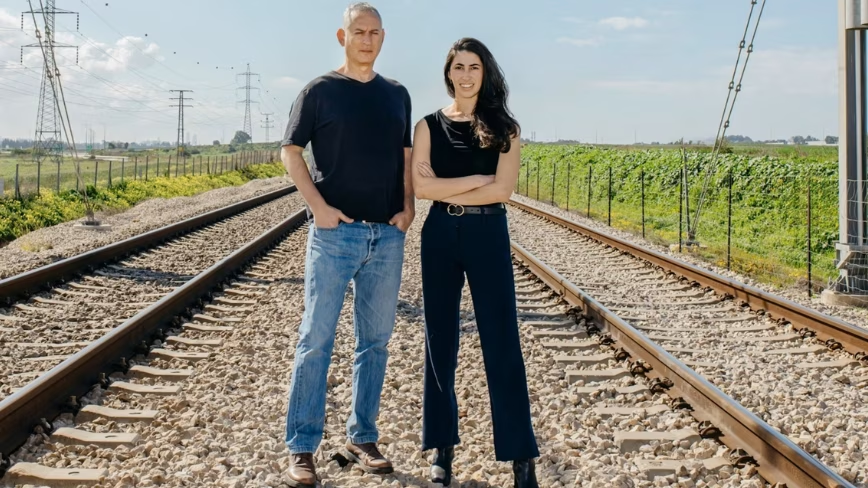
Voltify, led by co-founder Daphna Langer, has launched a revolutionary hybrid model for freight rail electrification. It combines retrofitted battery-electric locomotives with dynamic charging segments and smart microgrids, promising to cut costs by 30% and tackle critical localized pollution.
Europe's tech sector saw substantial funding from March 30-April 5, led by Mistral AI's $830M debt for AI compute. The week highlighted a strategic European focus on building foundational infrastructure across AI, quantum, and deep tech, aiming for increased technological autonomy and global influence.
Europe's tech sector saw over $1.1 billion in funding and fund closes from March 23-29, with significant investments flowing into deep tech, AI infrastructure, and a diverse range of sectors including biotech, space, and defense. This highlights a strategic continental focus on foundational innovations and long-term technological advancements.
Norwegian startup Lace has secured $40 million in Series A funding to advance its groundbreaking chip-making technology. The company plans to replace traditional light-based lithography with helium atom beams, promising chip features up to ten times smaller than current capabilities. This investment, led by Atomico and including Microsoft's M12, highlights a strategic push to diversify the semiconductor supply chain and meet growing AI demand.
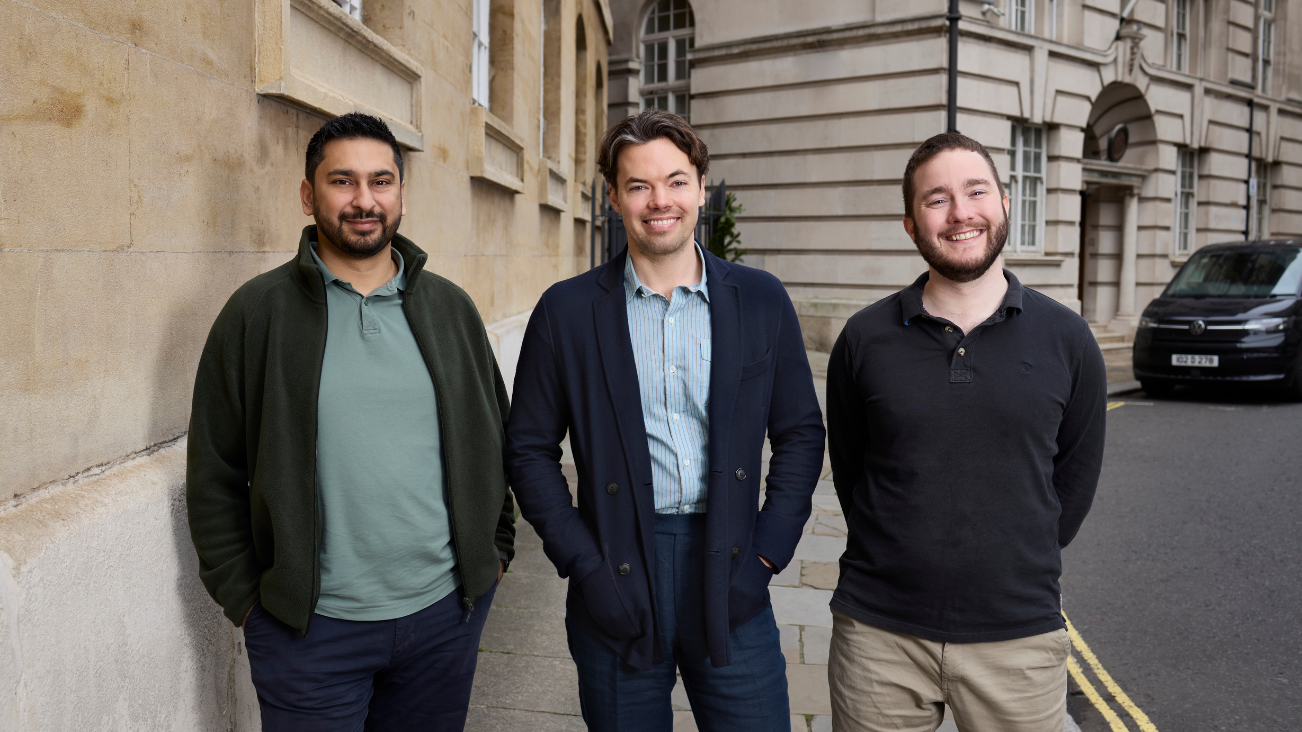
Augur, a London startup, has secured $15 million in seed funding led by Plural to transform existing surveillance infrastructure into real-time intelligence. The company aims to enhance critical infrastructure protection against escalating threats like sabotage, addressing a crucial gap in situational awareness. This funding will accelerate product development and deployment across Europe.