8 results found

Recent tech news highlights Amazon's strategic move into custom AI chips (Inferentia, Trainium) as its fourth business pillar, and Satya Nadella's practical use of Power BI for rapid executive-level data insights. Concurrently, a VC from AI House is rallying the Seattle tech community to embrace its strong foundation in cloud and AI, countering negative narratives about the region.
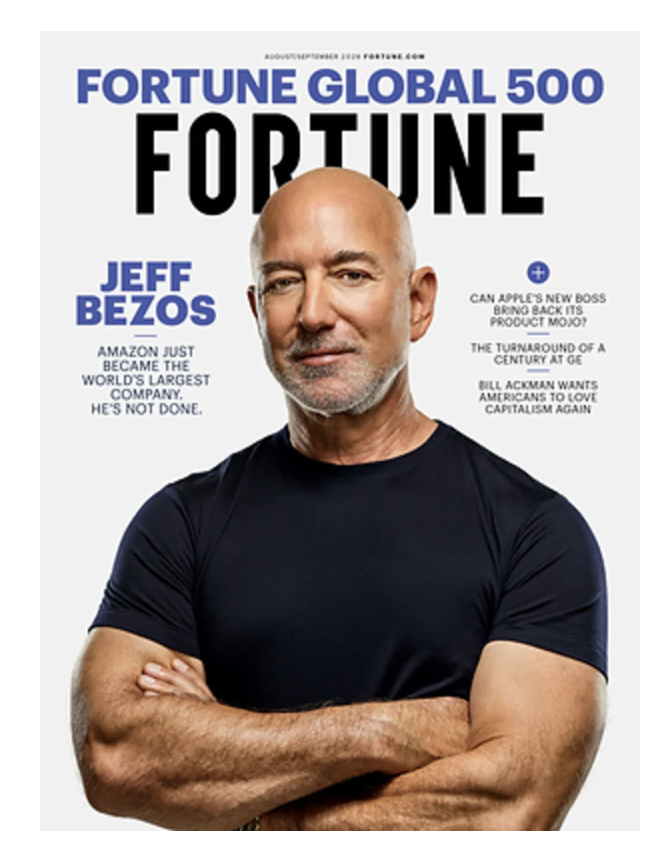
Fellow developers, In the rapidly evolving landscape of artificial intelligence, cloud infrastructure is a battleground, and custom silicon is emerging as a critical differentiator. Recent news from Jeff Bezos himself

AI's explosive demand for high-bandwidth memory (HBM) is causing an unprecedented reallocation of DRAM production from consumer devices to data centers, leading to massive price surges for smartphone memory. This crisis is pushing affordable smartphones out of reach for millions, particularly in developing nations, and impacting premium brands as memory makers prioritize highly profitable AI chips.

Samsung Electronics and its largest labor union are engaging in crucial negotiations Monday to prevent an 18-day strike. The dispute centers on profit sharing from the AI boom, with the Prime Minister warning of severe economic repercussions and hinting at emergency government intervention.

Google is in talks with Marvell Technology to develop two custom AI inference chips, including a memory processing unit and an inference-optimized TPU. This move signals Google's strategic diversification of its chip supply chain, expanding beyond its primary partner Broadcom to address the rapidly growing demand and cost of AI inference workloads. The collaboration aims to enhance Google's competitive advantage in the burgeoning custom silicon market.
AI chip maker Cerebras has refiled for an initial public offering (IPO), revealing a 75% revenue surge to $510 million and a $238 million profit last year. The move positions Cerebras amid a burgeoning wave of tech IPOs, including anticipated listings from SpaceX, OpenAI, and Anthropic.
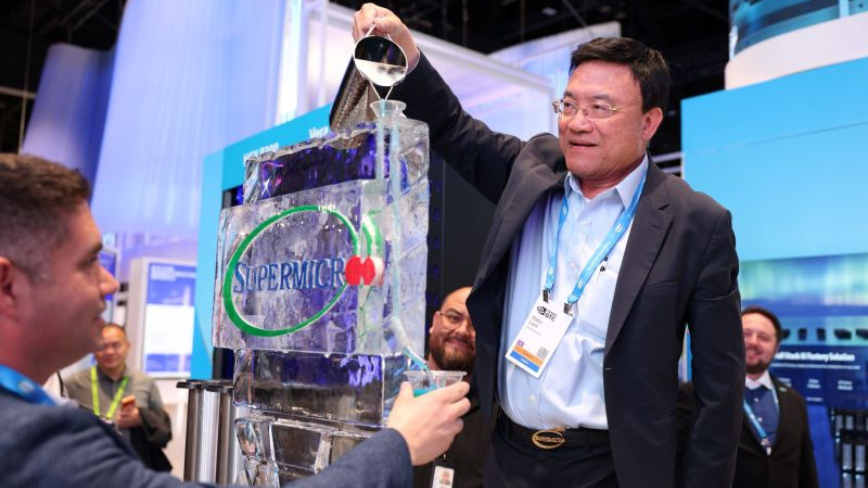
Super Micro co-founder Yih-Shyan ‘Wally’ Liaw and two others face federal charges for a $2.5 billion scheme to smuggle advanced Nvidia AI servers to China, circumventing US export controls. The alleged operation involved using dummy servers and swapping serial numbers to deceive auditors. This case exposes significant vulnerabilities in US tech export policies and raises questions about corporate compliance amidst escalating chip trade tensions.
Three individuals tied to Silicon Valley's Super Micro, including a co-founder, are charged with violating U.S. export laws. They allegedly diverted Nvidia A.I. chip servers to China, circumventing restrictions designed to prevent military and surveillance advancements. This federal indictment signals a firm stance against illicit tech transfers.
