40 results found

In a decisive blow to Elon Musk, a federal jury in Oakland has dismissed all claims in his high-profile lawsuit, Musk v. Altman, against OpenAI CEO Sam Altman and President Greg Brockman. The verdict, reached on May 18,

A prominent artificial intelligence veteran is urging federal intervention regarding OpenAI's controversial conversion from a nonprofit to a for-profit entity, arguing that the ongoing legal battles, particularly the

Sam Altman, OpenAI CEO, faced intense questioning about his honesty in a federal trial initiated by Elon Musk. This testimony, combined with statements from former colleagues, has reignited persistent concerns about his trustworthiness, impacting perceptions of a key figure in the AI boom.
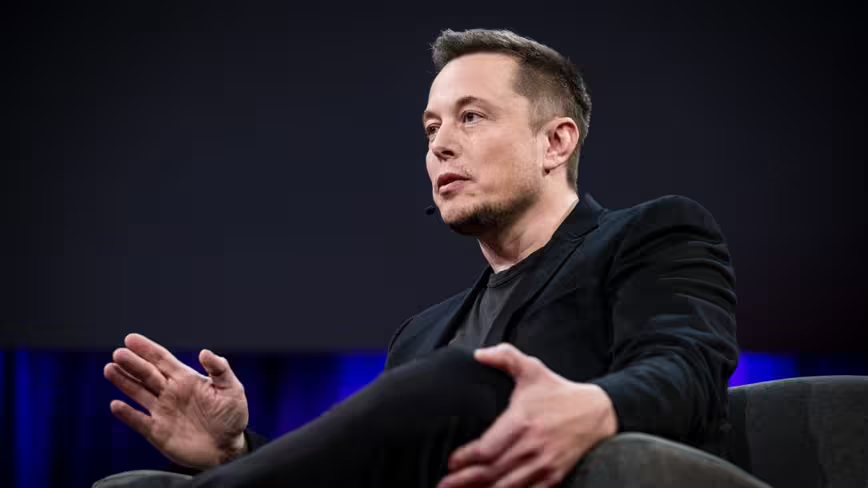
OAKLAND, Calif. – Elon Musk, appearing in federal court on Wednesday, called himself "a fool" for funding OpenAI, accusing its leadership of "looting the nonprofit" as the company’s lead trial attorney, William Savitt,

Senator Ed Markey's investigation found that leading autonomous vehicle companies, including Waymo and Tesla, are refusing to disclose how often their AVs need remote human assistance. This lack of transparency has led Markey to call for a federal probe by the NHTSA and to propose new legislation aimed at imposing stricter guardrails on AV remote operations.

Understanding recent regulatory changes can feel overwhelming, especially when it concerns essential home technology like your internet router. The U.S. government, through the Federal Communications Commission (FCC),
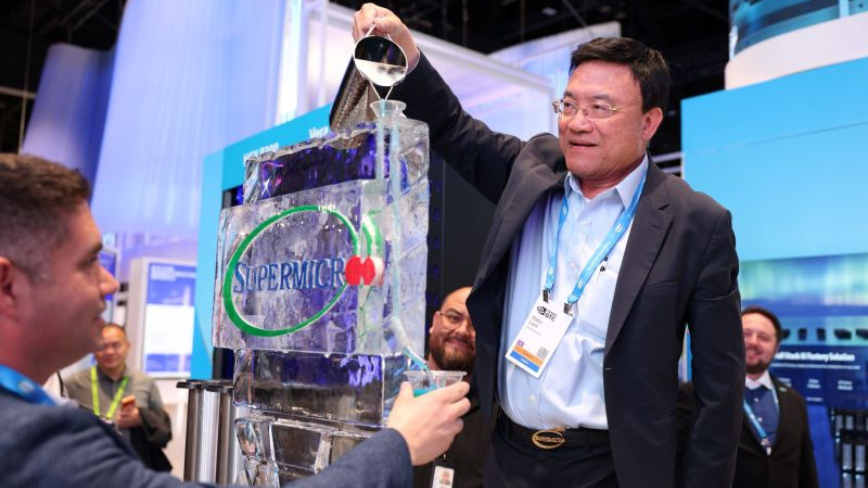
Super Micro co-founder Yih-Shyan ‘Wally’ Liaw and two others face federal charges for a $2.5 billion scheme to smuggle advanced Nvidia AI servers to China, circumventing US export controls. The alleged operation involved using dummy servers and swapping serial numbers to deceive auditors. This case exposes significant vulnerabilities in US tech export policies and raises questions about corporate compliance amidst escalating chip trade tensions.
Three individuals tied to Silicon Valley's Super Micro, including a co-founder, are charged with violating U.S. export laws. They allegedly diverted Nvidia A.I. chip servers to China, circumventing restrictions designed to prevent military and surveillance advancements. This federal indictment signals a firm stance against illicit tech transfers.

Proposed federal EV and hybrid surcharge review: A confusing and potentially counterproductive annual tax ($250 for EVs, $100 for hybrids) that could deter cleaner vehicle adoption amidst high fuel prices and reduced incentives, despite aiming to fund infrastructure.

India's prominent neobank, Fi, is discontinuing all banking services on its platform, over four years after launching them in collaboration with Federal Bank. The Bengaluru-based fintech, founded by former Google Pay

In a significant move that reverberated through the tech industry, artificial intelligence company Anthropic filed a lawsuit against the Trump administration on Monday, March 9, 2026. The lawsuit, lodged in a federal

Minnesota is considering a complete ban on crypto ATMs due to rampant fraud, primarily targeting the elderly. Previous regulations failed to curb millions in losses from sophisticated 'pig butchering' scams. While drastic, the ban aims to protect vulnerable citizens, mirroring national concerns and federal legislative efforts.
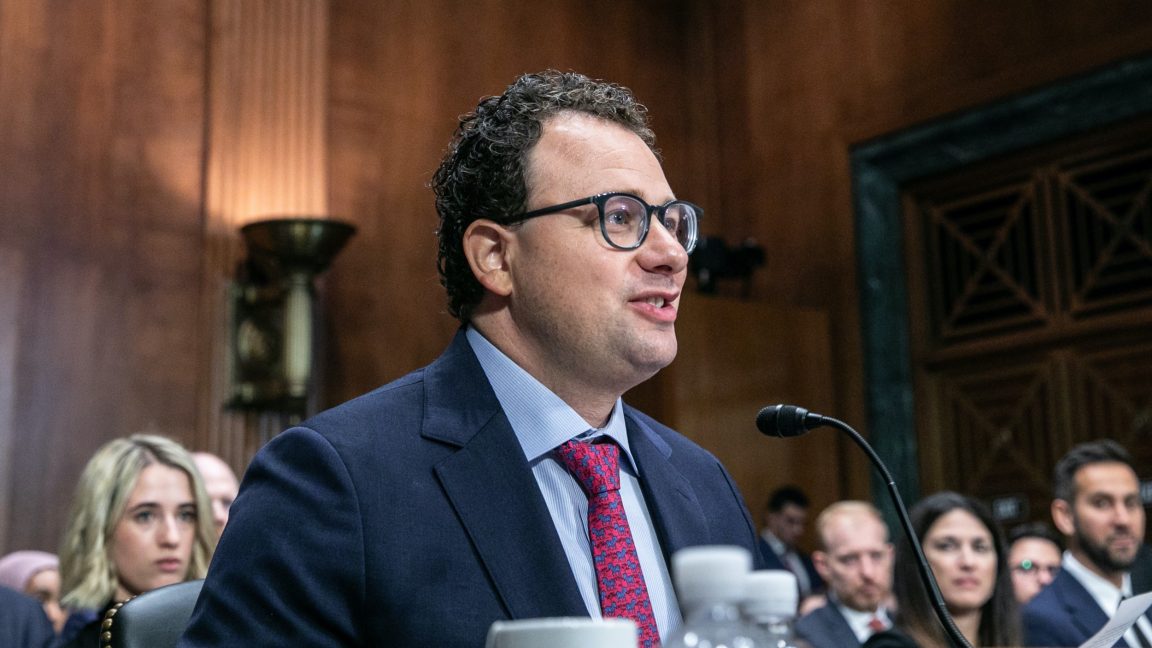
President Trump banned federal agencies from using Anthropic's AI tools, citing the company's refusal to lift restrictions on military use. This clash over "all lawful use" versus Anthropic's ethical red lines (lethal autonomous weapons, mass surveillance) creates disruption for agencies and sets a precedent for AI ethics in government contracts.

The Pentagon has designated AI developer Anthropic as a "Supply-Chain Risk to National Security" after the company refused to allow its AI for mass domestic surveillance or autonomous weapons. This follows President Trump's directive to cease federal use of Anthropic products, which the company vows to challenge legally. OpenAI, initially supporting Anthropic's stance, swiftly secured a deal with the Pentagon to fill the void, claiming to uphold similar ethical principles.
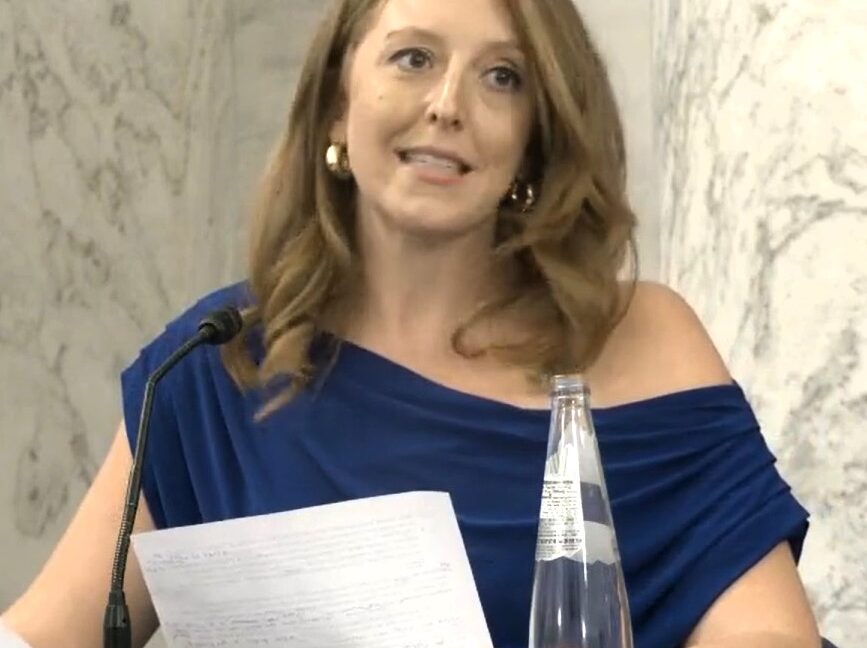
Casey Means, a potential nominee for Surgeon General, is reportedly without an active medical license and promotes alternative medicine, according to Ars Technica. These details emerge as her nomination faces Senate scrutiny, raising questions about her qualifications for a leading federal public health role. The Senate's confirmation process will likely delve into these aspects to ensure alignment with public health standards and expectations.
