32 results found

Chicago-area law enforcement, including local police and HSI agents, conducted undercover surveillance on Minnesota anti-ICE activists at an April 2, 2022, talk in Chicago. This operation was part of a federal conspiracy probe into 15 Minnesota activists facing felony charges related to immigration enforcement resistance. Civil liberties advocates have condemned the surveillance as a troubling intrusion into protected political activity.

Microsoft President Brad Smith is advocating for urgent, legally binding AI regulation, arguing that current oversight lags behind basic consumer products. He highlights the UK's AI Security Institute (AISI) and its unique geopolitical position as ideal for leading global safety rules, despite recent US pushback. Smith proposes measures like breach reporting and "kill switches," rejecting voluntary agreements as insufficient.

Amazon has announced it will no longer use nondisclosure agreements (NDAs) with county officials for its data center projects. This policy reversal, revealed by CEO Matt Garman, addresses widespread community backlash and a surge in legislative efforts targeting the secrecy of data center developments. The company also pledged a $1 billion investment in data center communities over five years, focusing on education, workforce training, and energy efficiency.

The Trump administration launched America.gov, a new federal AI chatbot for citizen services. Uniquely, this "AI concierge" will fact-check former President Donald Trump, contrasting with its apolitical design. This integration sparks debate on government AI's role in political discourse.

Threads has emerged as the 'spiritual successor' to Black Twitter, attracting users seeking a more functional and less toxic online environment than X (formerly Twitter). The platform's strong community features and integration with Meta's ecosystem have made it a vital hub for Black discourse and cultural commentary, demonstrating its influence on critical social and political issues.
Governments worldwide are struggling to keep pace with the accelerating development of artificial intelligence, leading to a significant policy vacuum. The European Union, for instance, is debating whether to implement strict AI regulations to manage growing risks, or if such measures would carry economic and geopolitical costs if other nations don't follow suit. This indecision highlights a global challenge to govern rapidly evolving AI technology.
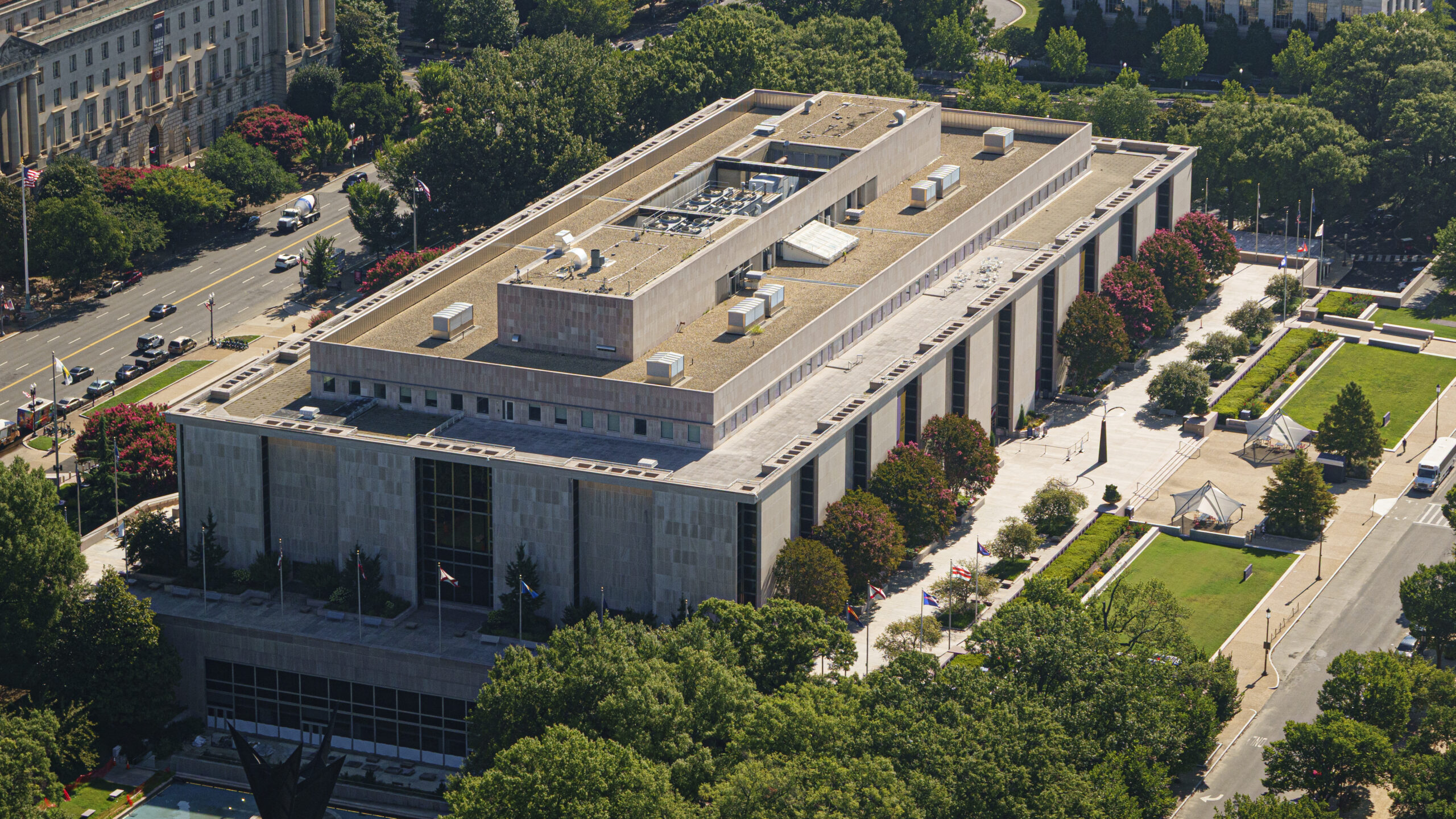
Ars Technica's detailed review of 'How the Smithsonian became the latest front in Trump’s culture war' praises its comprehensive reporting and balanced analysis of the political conflict.

Former President Barack Obama urges Democrats to establish a "clear plan" for AI safeguards, making it a "central agenda" to address economic impact and safety concerns. He advocates for a public framework and engages with industry leaders, as political stances on AI regulation diverge.
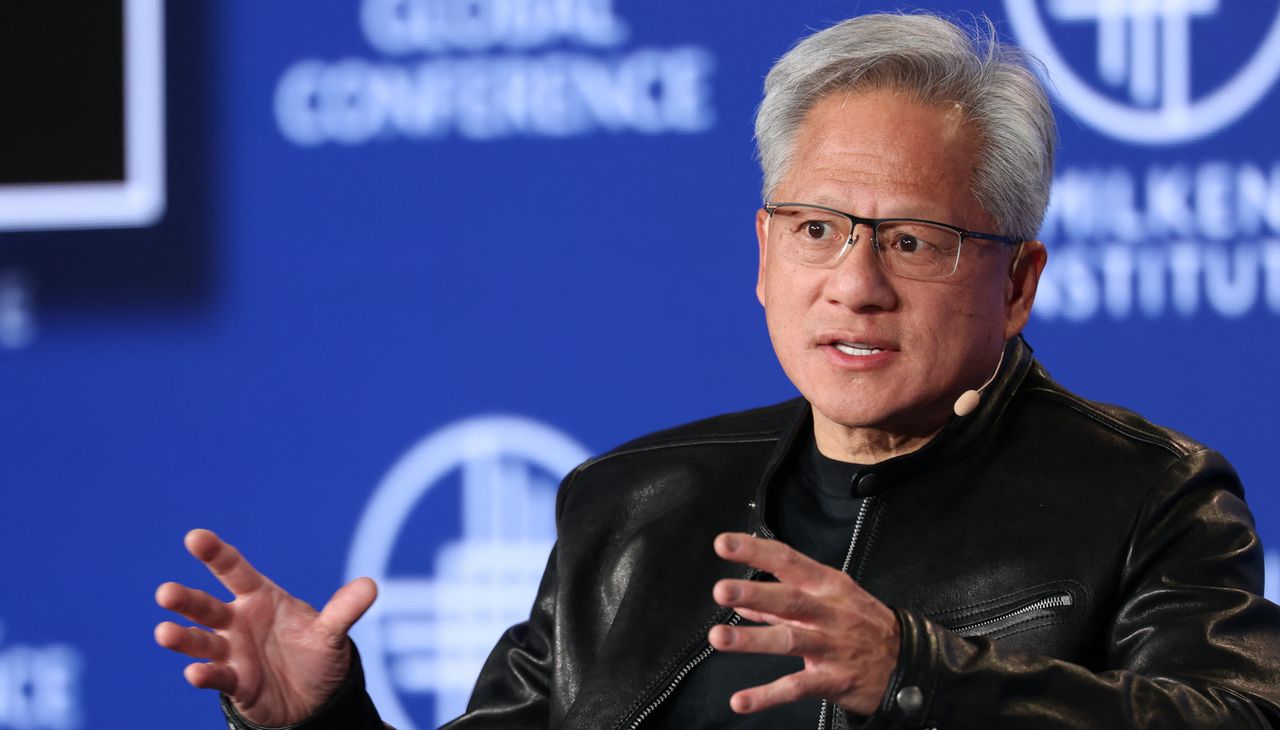
Nvidia's plan to establish an employee-funded Political Action Committee (NVPAC) signals a deepening involvement of tech companies in US policy, aiming to influence legislation particularly concerning the future of AI and data center development amidst public opposition.

A Washington Post analysis reveals a dramatic shift as Republican politicians turned sharply negative on data centers in the past six months, moving from advocates to critics. This change aligns with growing public concerns over environmental impact, job creation, and political motivations, potentially reshaping the future of tech infrastructure development.
Chinese AI and chip firms are implementing broad equity and cash incentives to retain engineers, countering fierce domestic competition and geopolitical pressures. Companies like Cambricon offer shares to over 85% of staff, while ByteDance and Tencent provide significant pay increases for AI talent. This approach contrasts sharply with the US's cash-first strategy and Europe's long-term training initiatives.
Bilibili, China's YouTube alternative, is going global with an easier-to-access international app, no ID verification, and plans to court Western creators. It offers new opportunities but faces intense competition from YouTube and Netflix, alongside significant geopolitical risks.
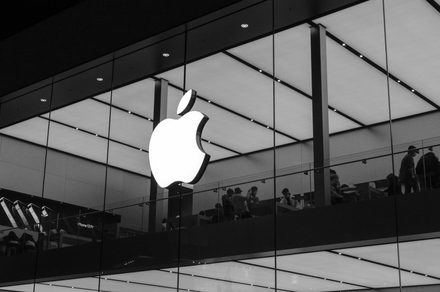
Apple, a tech giant known for its meticulous supply chain, finds itself entangled in a complex geopolitical challenge. Facing a tightening global chip supply and rising memory prices, the company sought to diversify its

Data centers are sparking widespread, bipartisan anger across the US as communities unite against their expansion. Residents, like Kyle Schmidt in Oklahoma, cite a lack of transparency, environmental concerns, and fears over water supply and utility costs as key grievances. This "shared hatred" reflects a feeling of being ignored by powerful tech companies and political entities.
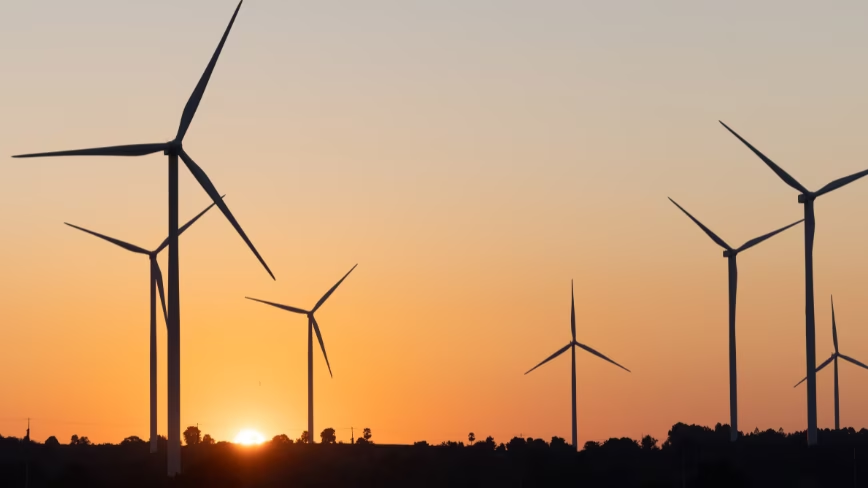
The Pentagon has frozen permitting for 155 wind projects across 24 states for nearly a year, citing concerns that drones can hide within wind farms. This impacts 44 gigawatts of capacity and has cost developers $2 billion. The wind industry claims the freeze is politically motivated and has filed a lawsuit.

Oren Etzioni's latest analysis reveals stark divisions in AI perception across countries, genders, ages, professions, and political affiliations. Trust in AI is highest in growing economies and among developers, while caution or fear dominates in mature economies and among those threatened by job displacement.
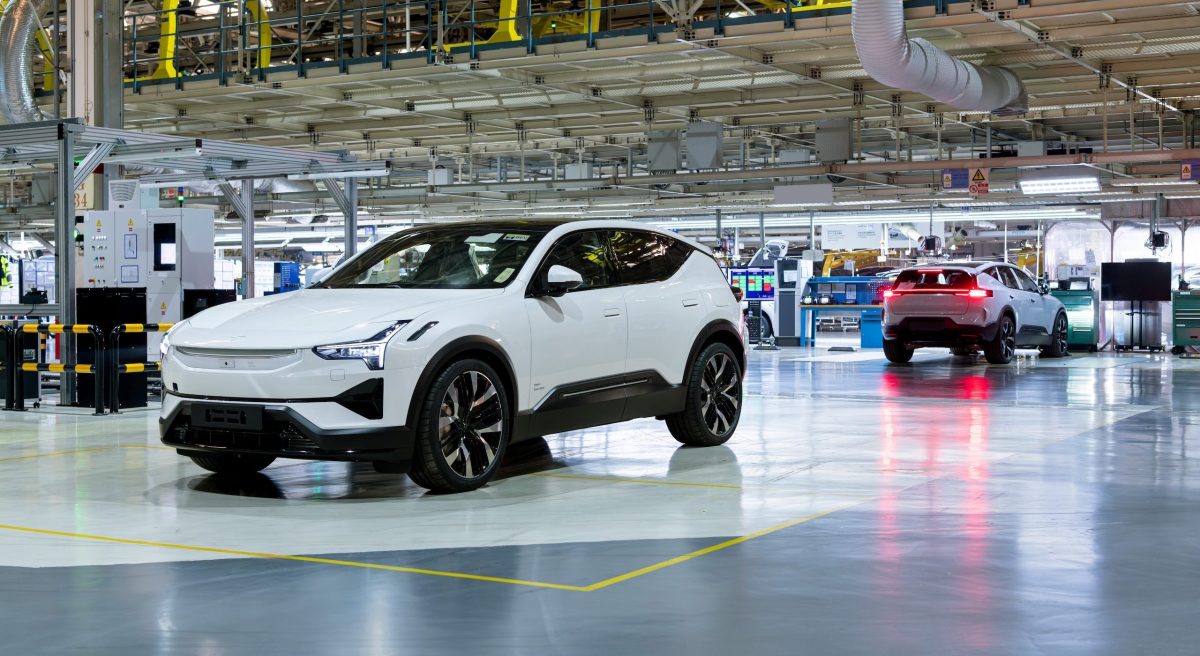
The U.S. government blocked Polestar from selling new vehicles due to its Chinese ownership, while oddly sparing its sister brand, Volvo, also owned by Geely. This opaque and inconsistent regulatory decision, despite Polestar's efforts to localize production, creates significant market unpredictability. It serves as a stark warning for developers and businesses operating in globalized tech sectors about the impact of arbitrary geopolitical interventions.

GeekWire co-founder John Cook and angel investor Charles Fitzgerald offer lessons from Cleveland's comeback for Seattle's tech scene. They also critique Seattle's data center moratorium as 'political theater' and discuss the SpaceX IPO.

Ken Levine, director of System Shock 2 and BioShock, recently said he couldn't make a BioShock work in space, despite his own acclaimed sci-fi immersive sim history. He defines BioShock as rooted in historical periods and is now focusing on character-driven narratives over political lectures for his new game, Judas. This sci-fi shooter from Ghost Story Games, still a ways out from release, promises deep player choice in a dystopian setting.

In Dan Fogelman's 'Paradise', viewers are drawn into an seemingly perfect suburban town with a dark secret, where dystopian narratives twist sideways through surprising science fiction elements and political intrigue.

California gubernatorial candidate Tom Steyer has proposed a groundbreaking plan to guarantee jobs for workers displaced by AI, funding it through a novel "token tax" on big tech. The initiative aims to make California the first major economy to protect its workforce from automation's impact by creating jobs in key sectors and establishing an AI Worker Protection Administration. This long-shot proposal faces political challenges but highlights growing concerns over AI's economic effects.
A network of hundreds of AI-generated pro-Trump influencer accounts has surged across TikTok, Instagram, Facebook, and YouTube ahead of midterm elections. These fake personas rapidly post political content, seemingly aiming to sway conservative voters. President Trump has even reposted content from one such artificial account.

Staunch Trump supporters are now publicly questioning if he is the Antichrist, a dramatic shift from their previous perception of him as "God's chosen president." This re-evaluation was primarily triggered by an AI-generated image of Trump resembling Jesus Christ, alongside his administration's actions regarding the Iran war and recent criticism of the Vatican. High-profile conservative figures have openly expressed concern, calling the behavior blasphemous or indicative of an "Antichrist spirit." This growing schism could have significant political implications for Trump and the Republican Party, particularly among Catholic voters.
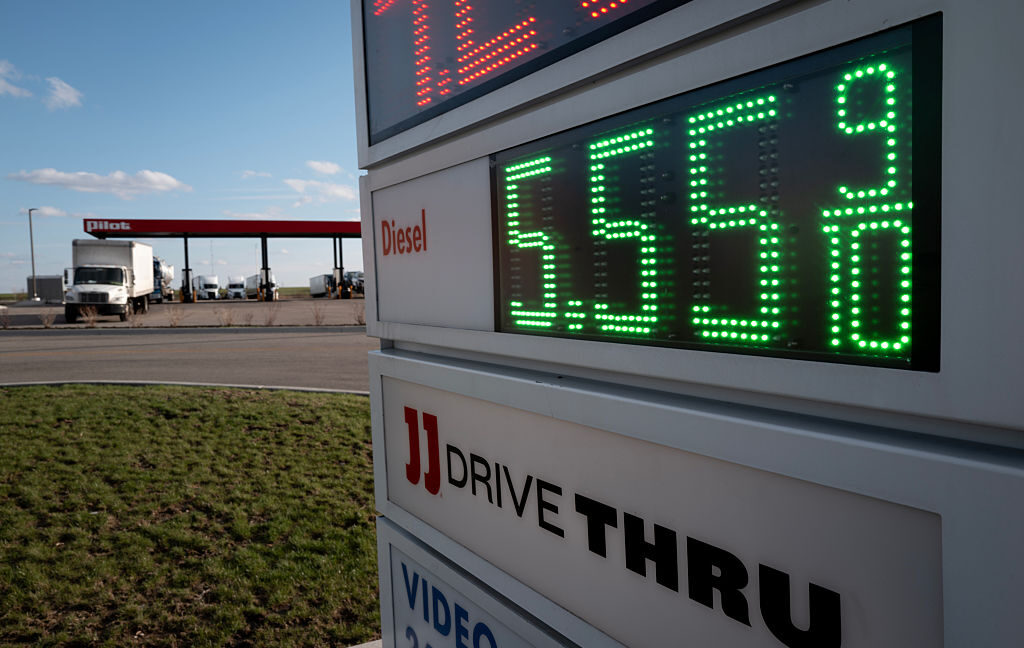
Trump's US energy dominance vision, despite record domestic production, failed to insulate consumers from global oil shocks caused by the Iran war, leading to significant price hikes. While natural gas shows more resilience, the overall approach ignores market realities and demand reduction.

France announced plans to transition government computers from Microsoft Windows to Linux to reduce reliance on U.S. tech and achieve "digital sovereignty." This decision, driven by geopolitical tensions and weaponized sanctions by the Trump administration, is part of a broader European effort to secure digital independence. The open-source nature of Linux offers transparency and control, aligning with France's strategic goals.
