
Unpacking Sony TVs: Discover Who Makes Them and Where They're Built
Learn how Sony TVs are made, exploring their global manufacturing network, key suppliers, and Sony's focus on design and image processing. Uncover the countries involved and the strategic shift towards outsourcing production.

Have you ever wondered about the origins of your sleek Sony Bravia TV? It's a common question for many tech enthusiasts and curious buyers alike. While Sony is renowned for its premium features and high-quality displays, the journey from design concept to your living room involves a complex, global network. This guide will demystify the manufacturing process, revealing the diverse locations and key players responsible for bringing Sony televisions to life.
By the end of this guide, you'll have a clear understanding of:
- Sony's core role in TV development.
- The countries involved in Sony TV manufacturing and assembly.
- How Sony's production strategy has evolved over time.
- Who supplies the critical display panels for Sony TVs.
- The future outlook for Sony Bravia manufacturing.
Let's dive in and explore the fascinating global ecosystem behind Sony's iconic Bravia TVs.
Sony Bravia: A Legacy of Innovation and Design
Sony Bravia has been Sony's flagship television brand since 2008, establishing a strong presence in markets worldwide. These TVs are celebrated for their exceptional display quality, precise color accuracy, and intelligent image-processing capabilities. While the Bravia name is synonymous with Sony, it's important to understand Sony's specific role in their creation. Sony primarily spearheads the design, develops the sophisticated software, and engineers the advanced features that define a Bravia TV. However, the actual manufacturing and assembly of these meticulously designed products are often handled by a network of skilled manufacturing partners. Sony also relies on external suppliers for essential components, such as the advanced display panels that form the heart of every television.
Where in the World Are Sony TVs Manufactured?
Sony Bravia TVs are a testament to global collaboration, manufactured across a diverse range of countries as part of Sony's extensive global production network. This strategic distribution ensures efficiency, cost reduction, and better service to various international markets. You'll find Sony TVs being produced in several key locations, including:
- China: Plays a significant role, particularly in TV assembly and the production of display-related components.
- India: Serves regional buyers, with a substantial portion of TVs produced here through Sony's partnership with Foxconn.
- Japan: Remains a hub for various electronics manufacturing operations for Sony.
- Malaysia: Continues to support several of the company's electronics production activities.
- Mexico: An important location for manufacturing, especially to serve the Americas market.
- Slovakia: Historically a manufacturing site, with some operations now managed by partners.
- Thailand: Another key country supporting various electronics production.
This global spread allows Sony to optimize its supply chain, reduce logistical expenses, and respond more effectively to the demands of local markets around the world.
The Evolution of Sony's Manufacturing Approach
Over the past two decades, Sony has strategically shifted its manufacturing paradigm, moving away from owning and operating numerous factories globally towards a more asset-light model. This significant change was driven by a desire to minimize costs, enhance efficiency, and leverage the specialized expertise of global manufacturing partners.
Historically, Sony operated TV manufacturing facilities in a number of countries, including Brazil, Spain, Vietnam, Mexico, and Slovakia. However, this structure began to change with key divestments and closures:
- 2008: The Vietnam plant was shut down.
- 2010: The Spanish facility was sold off.
- 2021: The Brazilian factory ceased operations.
- Strategic Partnerships: Sony sold its Mexican and Slovakian plants to Foxconn, a major electronics contract manufacturer. This move solidified Foxconn's role as a primary partner in producing Sony TVs for various markets.
By outsourcing production, Sony can focus its resources more intensely on its core strengths: technology, research and development, and product innovation. This approach enables them to scale production more flexibly and access specialized manufacturing capabilities from partners who are leaders in their field, effectively manufacturing from all corners of the globe without the overhead of direct factory ownership.
Who Supplies Sony TV Display Panels?
One of the most common misconceptions about TV manufacturing is that brands produce every component themselves. In reality, very few companies manufacture their own display panels, which are arguably the most critical and technologically complex part of a television. Sony, like many other TV makers, relies on external specialists for its high-quality screens.
Currently, the advanced display panels used in Sony TVs are sourced from industry leaders:
- OLED Panels: Primarily supplied by LG Display, a pioneering force in OLED technology. LG's panels are renowned for their perfect blacks, infinite contrast, and wide viewing angles.
- QD-OLED Panels: Produced by Samsung Display. These cutting-edge panels combine the self-emissive properties of OLED with quantum dot technology to deliver vibrant colors and enhanced brightness.
Because there is a limited number of top-tier producers of TV panels globally, it's common for various TV brands to use similar panels. This allows Sony to focus its developmental efforts where it truly excels: in software optimization and image processing systems.
Sony's Core Craft: Software and Image Processing
Despite relying on external partners for manufacturing and panel supply, Sony's unique magic lies in its proprietary picture-processing systems and meticulous display tuning. This is where Sony differentiates itself and delivers the exceptional visual experience its Bravia TVs are known for. Their sophisticated technologies are designed to:
- Enhance Color Accuracy: Ensuring colors are reproduced faithfully and vibrantly.
- Sharpen Details: Bringing out intricate textures and clarity in every scene.
- Smooth Motion Performance: Reducing blur and judder for fluid, natural movement, especially in fast-paced action.
These advanced image processors and software algorithms work in harmony to elevate the raw capabilities of the sourced display panels, allowing Sony to consistently deliver excellent image quality that often surpasses TVs using the same base panels but different processing.
Looking Ahead: TCL's Role in Sony Bravia TVs
The landscape of Sony Bravia television production is set for further evolution. TCL, a prominent global electronics company, has acquired a majority stake in Bravia Inc. This significant development positions TCL as an important player in shaping the future of Sony Bravia television sets.
Even with this change, Sony will continue to leverage its unique imaging technologies and displays, ensuring that the signature Bravia viewing experience remains intact. Given TCL's extensive manufacturing infrastructure, particularly in China, there is an expectation that a greater portion of Bravia television manufacturing may increasingly shift to China post-2027. This move could further streamline production and capitalize on TCL's manufacturing scale.
In essence, Sony Bravia TVs are the product of a sophisticated global supply chain. While parts and assembly factories are spread across various countries, Sony steadfastly maintains control over the software and image-processing systems that are fundamental to the overall viewing experience. For most discerning customers, Sony's unwavering reputation for superior display quality and picture performance remains the paramount factor, regardless of the specific factory location of their television.
FAQ
Q: Does "Made in China" mean a Sony TV is of lower quality? A: Not necessarily. "Made in China" or any other country often refers to the location of final assembly. Sony maintains strict quality control standards across all its manufacturing partners globally. The core design, engineering, and image processing technology are Sony's own, ensuring consistent quality regardless of the assembly location.
Q: Does Sony manufacture any TV components themselves? A: While Sony designs the overall product and develops the software and image processors, it primarily relies on external suppliers for major components like display panels (e.g., LG for OLED, Samsung for QD-OLED) and outsourcing the physical assembly to manufacturing partners like Foxconn.
Q: Why did Sony reduce its own manufacturing facilities? A: Sony strategically reduced its direct factory ownership to cut costs, enhance efficiency, and leverage the specialized expertise of large-scale contract manufacturers like Foxconn. This allows Sony to focus its resources on research, development, design, and software innovation, while partners handle the high-volume production.
Next Steps
Now that you understand the global effort behind Sony TVs, you might be interested in exploring:
- Sony's latest image processing technologies: Dive deeper into how technologies like Cognitive Processor XR enhance your viewing experience.
- Comparing Sony Bravia models: Understand the differences between OLED, QD-OLED, and LED models and which might be best for your needs.
- The global supply chain of other tech brands: Discover how other electronics companies manage their manufacturing networks.
Related articles

Wolverine's Controversial Scent Trails Just Got a Much-Needed Facelift
Marvel's Wolverine has received a significant post-launch update addressing player feedback on its controversial "scent trails." Insomniac Games reduced the opacity of these in-game navigation cues, making them less intrusive and blending better with the environments. The developer also teased future toggleable options for even greater player control.
Claim Your 2 Free Kindle Books with Amazon Prime This September
Learn how to claim two free Kindle books as an Amazon Prime member this September through the First Reads program in just a few steps.

Street Fighter Popcorn Bucket: A Gloriously Goofy Collectible
Quick Verdict In an era where cinema experience accessories are becoming increasingly elaborate, the Street Fighter movie popcorn bucket stands out. Shaped like Guile's iconic, gravity-defying flattop hairstyle, this
howto: 3 Home Assistant projects to build multipurpose devices this
Build smarter, multipurpose Home Assistant devices this weekend (Sep 18-20)! Learn to combine presence sensing, smart buttons, and status lights into one unit, add displays to Bluetooth proxies, and integrate your standing desk with presence tracking for a cleaner, more efficient smart home.
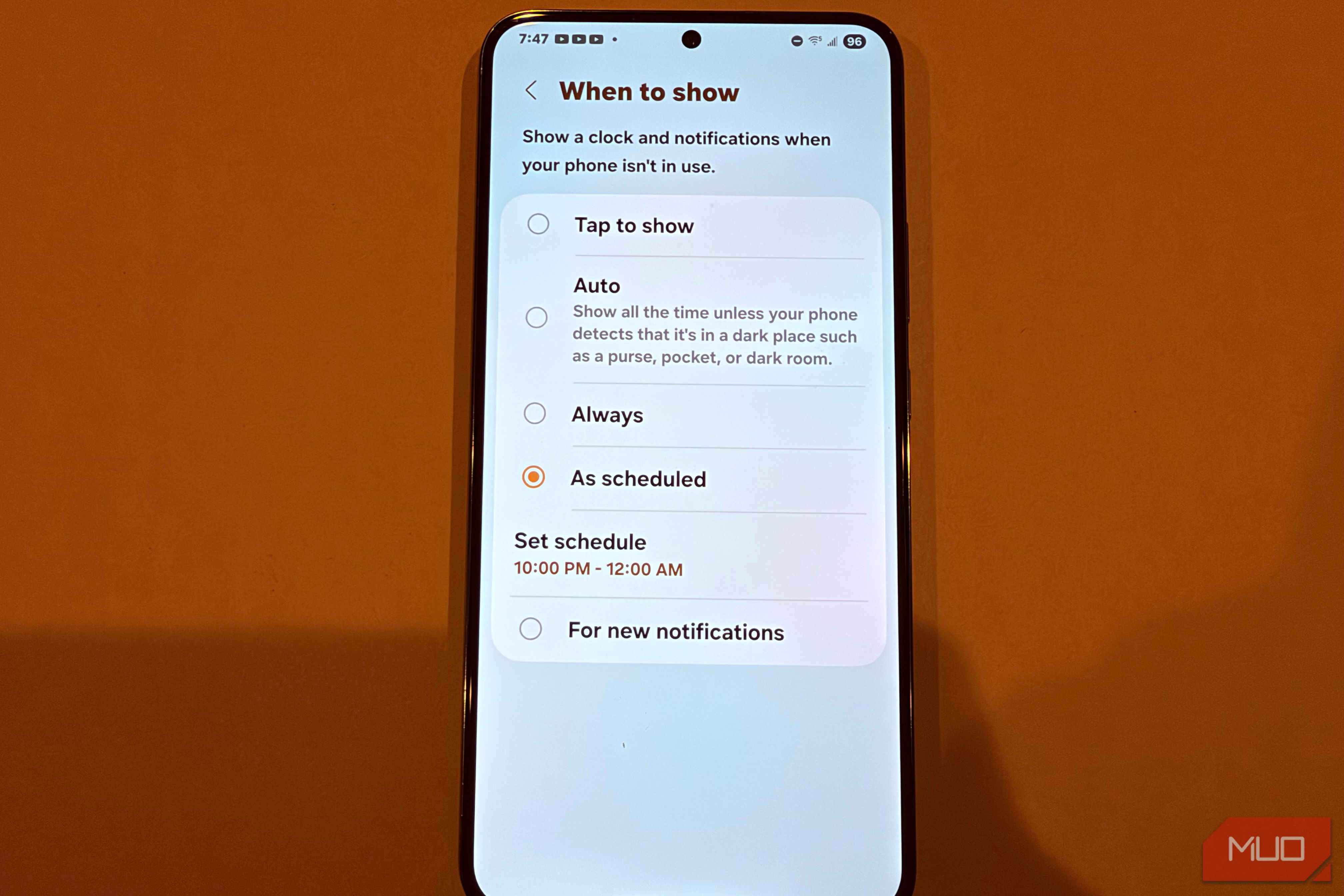
Your Galaxy's Always-On Display Draining Battery? Schedule a Hidden
Reclaim Your Battery: Schedule Your Galaxy's Always-On Display Your Samsung Galaxy's Always-On Display (AOD) is a handy feature, showing you the time and notifications at a glance. However, keeping it active all day can

The Last of Us Director Finds Modern AAA "Boring" – Is He Right
Bruce Straley, director of The Last of Us, finds modern AAA games "boring" due to a lack of risk-taking, despite their technical brilliance, citing God of War Laufey as an example. This comes with irony, as his own games influenced the genre. Straley now makes smaller games after experiencing burnout.