
Uncover Microsoft's Strategic October Launch Pattern
Have you ever noticed how many major Microsoft announcements, from new Windows versions to game-changing acquisitions, seem to happen in October? It might look like a coincidence or even a lucky charm, but there's a
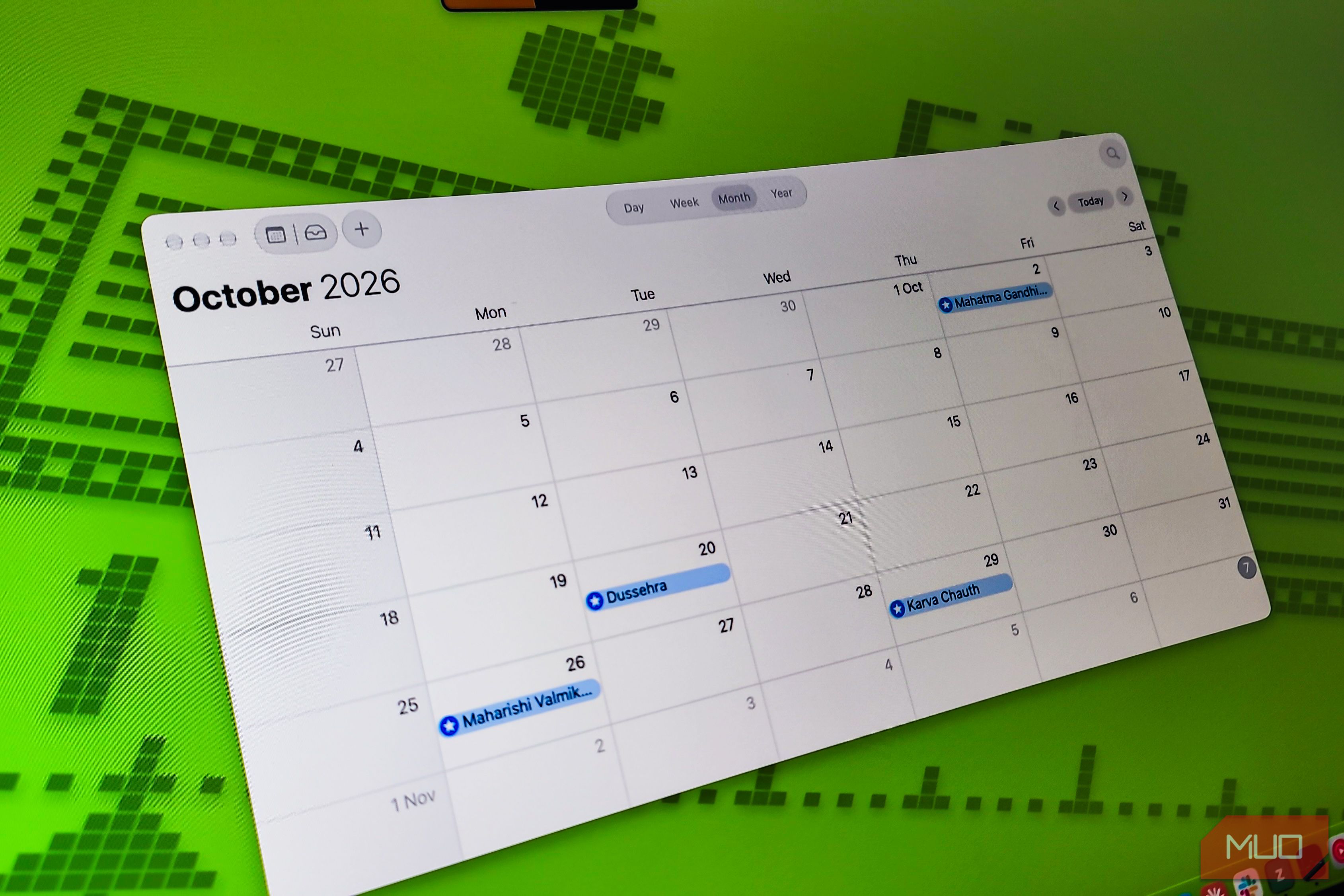
Have you ever noticed how many major Microsoft announcements, from new Windows versions to game-changing acquisitions, seem to happen in October? It might look like a coincidence or even a lucky charm, but there's a highly strategic financial reason behind this consistent timing. This guide will walk you through the historical evidence and reveal the powerful business logic driving Microsoft's October launches.
What You'll Accomplish
By the end of this guide, you will:
- Understand the consistent historical pattern of Microsoft's major product and acquisition launches in October.
- Grasp the core financial reasons, tied to Microsoft's fiscal calendar, that make October the ideal month for these events.
- Recognize the significant impact of aligning product releases with holiday sales and earnings reports.
- Be able to explain why missing this October window can have substantial financial consequences for the company.
Prerequisites
- An interest in technology and business strategy.
- No specific technical knowledge is required, as this guide focuses on understanding strategic timing.
Step-by-Step Guide to Understanding Microsoft's October Strategy
Step 1: Identify the Consistent October Trend
First, let's examine the historical evidence. Microsoft has a long-standing pattern of launching significant products and closing major deals in October. This isn't a new phenomenon; it dates back decades.
Key October Launches:
- Windows Operating Systems: Windows XP (Oct 2001), Windows 7 (Oct 2009), Windows 8 (Oct 2012), Windows 8.1 (Oct 2013), Windows 11 (Oct 2021). Even Windows 10's major second-half updates, like the Fall Creators Update (2017) and the October 2020/2022 Updates, followed this rhythm. The most recent annual feature update, Windows 11 26H2, also began its rollout in October 2026.
- Microsoft Office Suites: The first Office suite for Windows debuted in October 1990. More recently, Office 2021 launched in October 2021 (alongside Windows 11), and Office 2024 arrived in October 2024.
- Surface Hardware: The original Surface RT (Oct 2012), Surface 2 and Surface Pro 2 (Oct 2013), Surface Pro 4 (Oct 2015), Surface Pro 6 and Surface Laptop 2 (Oct 2018), and the latest Surface, Windows, and RTX Spark event (Oct 2026).
- Gaming Consoles/Accessories: The Xbox Series X/S refresh (Oct 2024).
- Major Acquisitions: The $7.5 billion GitHub deal closed in October 2018, and the massive $75.4 billion Activision Blizzard acquisition was finalized in October 2023.
This extensive list clearly demonstrates that October is more than just a lucky month for Microsoft; it's a calculated choice.
Step 2: Connect Launches to Microsoft's Fiscal Calendar
The fundamental reason behind Microsoft's October preference lies in its financial calendar. Understanding this is crucial to seeing the strategy unfold.
- Fiscal Year Start: Microsoft's fiscal year begins on July 1st.
- Q1 End: The first fiscal quarter (Q1) concludes on September 30th.
- Q1 Earnings Report: Microsoft typically releases its Q1 earnings report in late October.
Launching major products or closing significant acquisitions in October aligns perfectly with this financial reporting cycle. It provides fresh, exciting product news to coincide with the Q1 earnings call, drawing attention to the company's new offerings right when Wall Street and investors are scrutinizing its performance.
Step 3: Leverage the Holiday Retail Quarter (Fiscal Q2)
The timing becomes even more impactful when considering the retail calendar. Microsoft's second fiscal quarter (Q2) runs from October through December. This period is critical because it encompasses the bustling holiday shopping season, including Black Friday and Cyber Monday.
- Holiday Sales Maximization: By launching products at the very beginning of October, Microsoft ensures that all the revenue generated from holiday sales—whether from new Windows-powered PCs, Surface tablets, or Xbox consoles—falls directly into a single, highly anticipated Q2 earnings report. This strategic placement allows the company to showcase its strongest sales quarter of the year.
- OEM and Retailer Alignment: An October launch allows Original Equipment Manufacturers (OEMs) ample time to integrate new Windows versions into their holiday laptop offerings. Retailers can stock up on new Surface devices and other Microsoft products well before the critical Black Friday rush.
This synergy between product availability, consumer demand, and the fiscal calendar is a deliberate maneuver to maximize financial performance and investor confidence.
Step 4: Understand the Stock Market Implications
The consistency of October launches isn't lost on the stock market. This mid-October to early-November period has historically been positive for Microsoft's stock, showing gains in 19 out of the past 25 years.
- Investor Confidence: The combination of new product announcements, robust Q1 earnings, and an optimistic outlook for holiday sales creates a powerful positive momentum. Analysts have fresh data points to evaluate, and investors have strong reasons to remain bullish on Microsoft's prospects.
- Narrative Control: This concentrated release schedule helps Microsoft set a positive narrative for its financial year, starting with a strong Q2 fueled by new innovations and holiday spending.
Step 5: Recognize the Cost of Missing October
The importance of the October window is highlighted by instances where Microsoft missed it. The most notable example is Windows Vista, which, due to delays, launched in January 2007 instead of its intended October release.
- Deferred Revenue and Profit Impact: Although Microsoft achieved record revenue in the quarter Vista launched, its profit fell by 28%. A significant factor was $1.6 billion in deferred revenue directly resulting from the launch delay. This revenue would have been recognized in the strong holiday Q2 if the October target had been met.
- Market Reaction: The market reacted negatively, punishing Microsoft's stock. This experience likely served as a stark internal reminder of the critical importance of hitting the October deadline. A missed October launch means missing the holiday sales window and deferring revenue into a quarter that cannot absorb the costs and generate the same financial uplift.
Troubleshooting Misconceptions
- "It's just luck or tradition." This is a common misunderstanding. While traditions can form, Microsoft's October pattern is primarily driven by calculated financial strategy, not mere sentiment or chance.
- "Other months could work too." While other months might see product releases, October uniquely combines the end of a fiscal quarter, the release of earnings, and the beginning of the crucial holiday sales period, making it financially optimal.
Tips and Best Practices
- Observe Tech Company Calendars: Pay attention to the fiscal calendars of other major tech companies. Many use similar strategies to align product launches with financial reporting and peak sales seasons.
- Look Beyond the Hype: When a major tech company announces a new product, consider when it's being launched. Often, the timing reveals as much about their business strategy as the product itself.
- Understand Investor Psychology: Realize that launch timing plays a significant role in shaping investor perception and stock performance. A well-timed launch can amplify positive news.
Next Steps
To further deepen your understanding, consider researching:
- The fiscal calendars and typical launch cycles of other major tech companies like Apple, Google, or Amazon.
- The impact of Black Friday and Cyber Monday on technology sales and company earnings.
- How deferred revenue is reported and impacts financial statements.
FAQ
Q: Has Microsoft ever launched a major product outside of October?
A: Yes, occasionally. Windows Vista slipped to January 2007 after delays, and Windows 10 initially launched in July 2015 as a free upgrade. However, these instances often highlight the challenges of deviating from the October pattern, and even Windows 10's subsequent feature updates quickly reverted to an October rhythm.
Q: Is October still as important for Microsoft in the age of digital downloads and subscriptions?
A: Absolutely. While digital distribution changes some aspects of retail, the core financial benefits of aligning with fiscal quarter reporting, analyst attention, and the overall holiday spending quarter (Q2) remain highly relevant. Major hardware launches and significant acquisitions, which still drive substantial revenue, continue to benefit from this timing.
Q: Do other tech companies use a similar October strategy?
A: Many tech companies strategically time their major product announcements to align with their own fiscal calendars and peak sales periods. While not all will have the exact same October focus as Microsoft (due to differing fiscal year starts or target markets), the principle of leveraging financial reporting and holiday seasons is a common industry practice.
Related articles

Get the Honeywell Smart Color Thermostat for $80 and Start Saving on
Learn to get and install the Honeywell Home Wi-Fi Smart Color Thermostat for just $80, a 55% saving, and start reducing your utility bills by leveraging its Energy Star certified features and smart home integration.
Seamlessly Connect Your Android to Windows with NectarLink
Learn to connect your Android phone to Windows using NectarLink, a free, open-source hub, in a few simple steps. Get notifications, sync files, mirror screens, and control your phone securely without cloud accounts.

Did GTA 6 Just Get *Too* Real? Viral Clip Tricks Fans
Rockstar Games' latest marketing stunt for Grand Theft Auto 6 has fooled the internet. A viral clip showcasing Vice City's stunning realism was mistaken for real-life Miami footage, highlighting the game's incredible graphical fidelity. This meta-marketing move has pushed anticipation for the November 19 launch to new heights.

CNET's Wordle #1972 Guide: A Solid Daily Puzzle Companion
Quick Verdict CNET's daily offering of Wordle hints, answers, and strategic help for puzzle #1972 is a robust and reliable resource for both casual players and those seeking to refine their game. While the concept of a

Seattle VC Firm Ascend Closes $17M Fund for Physical AI, Hardware
Seattle-based VC firm Ascend has successfully closed its $17 million third fund, overcoming a tough fundraising environment. The fund will strategically invest in early-stage "physical AI" and hardware startups across robotics, defense, and energy, tapping into what it calls Seattle’s "Third Act" of innovation. This significant raise includes its first institutional investor, FirstLook Partners.
Make 8GB of RAM Work on Windows 11 - Boost Performance
Optimize your Windows 11 PC with 8GB RAM for better performance by updating Windows, managing background apps, optimizing your browser, configuring virtual memory, and using lightweight software alternatives.