CNET's Wordle #1972 Guide: A Solid Daily Puzzle Companion
Quick Verdict CNET's daily offering of Wordle hints, answers, and strategic help for puzzle #1972 is a robust and reliable resource for both casual players and those seeking to refine their game. While the concept of a

Quick Verdict
CNET's daily offering of Wordle hints, answers, and strategic help for puzzle #1972 is a robust and reliable resource for both casual players and those seeking to refine their game. While the concept of a "product review" for a daily content piece might seem unconventional, CNET delivers a consistently structured and helpful package. With clear, progressive hints culminating in the full answer, alongside broader strategy advice and the reassurance of an experienced editorial hand, this service stands out as a beneficial aid for anyone tackling the popular New York Times puzzle. It’s a well-executed guide that balances timely spoilers with genuine assistance, though its single-page, ad-supported format might not appeal to all users looking for a minimalist experience.
Key Details and Offerings
The service, specifically addressing Wordle No. 1,972 for Thursday, November 12, 2026, from The New York Times, provides a multi-tiered approach to puzzle assistance. It initiates with a general assessment of the day's challenge, noting that "Today’s Wordle answer is kind of tricky." This upfront honesty is valuable, setting expectations for the user. A key element of its "help" component is the suggestion to "rethink your starter word" if struggling, even offering a link to a resource ranking letters by frequency of use (though the resource itself isn't provided within this specific article snippet, its mention points to a broader helpful ecosystem).
The core of the offering lies in its five distinct hints:
- Hint No. 1: Repeats: Clearly states "Today’s Wordle answer has one repeated letter." This is a crucial piece of information that significantly narrows down possibilities.
- Hint No. 2: Vowels: Specifies "Today’s Wordle answer has one vowel, but it’s the repeated letter, so you’ll see it twice." This hint builds on the first, making the vowel's identity and its double presence explicit.
- Hint No. 3: First letter: Reveals, "Today’s Wordle answer begins with K." A direct, powerful hint for players stuck early on.
- Hint No. 4: Last letter: Discloses, "Today’s Wordle answer ends with T." Another highly impactful clue, especially when combined with the first letter.
- Hint No. 5: Meaning: Provides a definitional clue: "Today’s Wordle answer can refer to a unit that measures the purity of gold." This semantic hint is often the final push players need, allowing them to deduce the word even if letters are still missing.
Following these progressive hints, the full answer is then provided: KARAT. The article also conveniently lists recent Wordle answers, offering a quick retrospective for players interested in patterns or checking past performance. This historical context includes BLESS (Nov. 11), PRATE (Nov. 7), FIRST (Nov. 8), LOAMY (Nov. 9), and TRUCE (Nov. 10).
User Experience and Structure
The user experience of CNET's Wordle guide is generally positive, built around a logical flow that prioritizes choice and progressive disclosure. The article wisely opens with a clear warning: "If you don’t want a spoiler, look away now." This thoughtful placement allows users to engage with the hints at their own pace without inadvertently encountering the final answer.
The structure of the hints, moving from general characteristics (repeated letters, vowel count) to specific letter positions (first and last letter) and finally to a semantic clue, is expertly crafted. This gradual revelation mirrors how many players naturally approach solving the puzzle, making the assistance feel intuitive rather than simply a handout. Each hint is concise, unambiguous, and genuinely useful, designed to nudge players forward without outright giving away too much too soon. The inclusion of the author's personal note about the word being "tricky" and featuring a double vowel adds a human touch, making the guide feel more like advice from a fellow player rather than an automated solution.
However, for a dedicated puzzle solver, the user experience might be slightly hampered by the typical web article format, which includes embedded video links (like the googletagmanager.com reference) and other site navigation elements. While standard for web content, it can introduce minor distractions for those solely focused on the puzzle. The promise of a "list of all the letters in the alphabet, ranked by frequency of use" is a good idea, but its absence in the direct content might lead to users clicking away, potentially disrupting the flow of assistance. The author's bio, while impressive and reassuring, is placed at the end, which is standard but means the reader engages with the content before understanding the expert behind it.
Pros and Cons
Pros:
- Progressive Hint System: The hints are structured effectively, allowing users to take as much or as little help as they need without immediately spoiling the answer.
- Clear Spoiler Warning: Explicitly tells users to look away, preserving the challenge for those who only want hints.
- Comprehensive Details: Provides specific hints, the answer, and a brief history of recent Wordle words.
- Author Credibility: Written by Gael Cooper, an experienced journalist and author, lending authority and a human touch to the advice.
- Broader Help Integration: Mentions additional resources (like letter frequency analysis), indicating a commitment to improving overall player strategy.
- Consistent Daily Output: Part of CNET's reliable daily puzzle coverage, ensuring players know where to find help consistently.
Cons:
- Ad-Supported Format: As a web article, it likely features advertisements and other web elements which can be distracting for some users.
- External Resource Link: While helpful, the mention of a letter frequency list without directly integrating it means users must navigate elsewhere for full strategic support.
- No Direct Comparison of Competing Services: The article only mentions other CNET puzzles, not alternative Wordle hint providers, limiting external comparative analysis based solely on the source content.
Comparison to Alternatives (CNET's Other Puzzle Guides)
The provided source content positions CNET as a central hub for daily puzzle assistance, mentioning its coverage for The New York Times Mini Crossword, Connections, Connections: Sports Edition, and Strands puzzles, all published daily. While these are not direct alternatives to Wordle help from a competing publisher, they represent alternative daily puzzle guidance services offered by the same provider. This allows us to assess CNET's consistency in delivering such content.
| Feature/Service | NYT Wordle Hints & Answer | NYT Mini Crossword Hints & Answer | NYT Connections Hints & Answer | NYT Strands Hints & Answer |
|---|---|---|---|---|
| Content Type | Hints, full answer, strategy | Hints, full answer | Hints, full answer | Hints, Spangram, full answer |
| Daily Frequency | Yes | Yes | Yes | Yes |
| Spoiler Management | Clear warning, progressive hints | (Implied similar approach) | (Implied similar approach) | (Implied similar approach) |
| Author Consistency | Gael Cooper (for Wordle) | Gael Cooper (for Strands, Connections mentioned) | Gael Cooper (for Strands, Connections mentioned) | Gael Cooper (for Strands mentioned) |
| Strategic Help Beyond Answer | Yes (starter word, letter frequency) | (Not explicitly detailed here) | (Not explicitly detailed here) | (Not explicitly detailed here) |
Based on the shared authorship and the consistent mention of daily publication for all these puzzles, it's fair to conclude that CNET aims for a consistent standard of quality and user-centric design across its entire puzzle-solving portfolio. The Wordle guide, with its detailed hint structure and strategic advice, appears to be a prime example of this commitment. The fact that Gael Fashingbauer Cooper, a seasoned journalist, is associated with both the Wordle and Strands/Connections guides suggests a unified editorial voice and a strong understanding of what puzzle enthusiasts need.
Recommendation
For anyone who engages with The New York Times Wordle and occasionally finds themselves in need of a nudge, a strong hint, or even the outright answer, CNET’s daily Wordle guide is a highly recommended resource. Its intelligently designed progressive hint system ensures that players can control their level of assistance, preserving the joy of discovery while preventing frustration. The detailed breakdown, coupled with the author's expertise, makes this a reliable and trustworthy source of help. While the web interface comes with inherent distractions, the core content is invaluable. Whether you're a beginner seeking to learn optimal strategies or a seasoned player facing a particularly "tricky" word, this service effectively bridges the gap between challenge and solution. It’s a valuable tool to bookmark for your daily Wordle routine.
FAQ
Q: Is this service suitable for someone who only wants hints and not the full answer?
A: Absolutely. The CNET Wordle guide is designed with a clear spoiler warning and a progressive hint system. You can read just the first few hints and stop before the full answer is revealed, allowing you to get the level of help you need without spoiling the entire puzzle.
Q: Does CNET offer help for other daily puzzles besides Wordle?
A: Yes, CNET publishes daily answers and hints for several other popular puzzles from The New York Times, including the Mini Crossword, Connections, Connections: Sports Edition, and Strands puzzles, indicating a comprehensive suite of daily puzzle assistance.
Q: Who authors these daily Wordle guides?
A: The Wordle guides, along with other puzzle content, are authored by Gael Fashingbauer Cooper, an experienced CNET editor and journalist with a long history in media and pop culture, ensuring credible and well-articulated assistance.
Related articles

Gemini Memory Summary: Essential User Control
Google Gemini, like many advanced AI systems, aims to personalize your interactions by remembering details about you. While this can enhance your experience, it also brings up natural privacy concerns regarding what

Android XR Smartglasses: Display-less Specs Redefine AI Wearables
For years, I've approached smartglasses without integrated displays with a healthy dose of skepticism. My thinking was simple: if I can't see augmented reality overlays or discrete notifications right in my line of

Pixel's Android Auto Gemini AI: A Proactive Leap Rivaling Siri
Pixel's Android Auto Gemini Intelligence: A Proactive Leap Rivaling Siri Quick Verdict: The latest Android Auto update brings Google's advanced Gemini Intelligence to eligible Pixel users, delivering a profoundly

CNET's NYT Connections Guide: A Daily Puzzle Solver's Companion
Quick Verdict CNET's daily guide for NYT Connections delivers exactly what it promises: timely, well-structured hints and answers for the popular word puzzle. With clear, progressively helpful clues and immediate
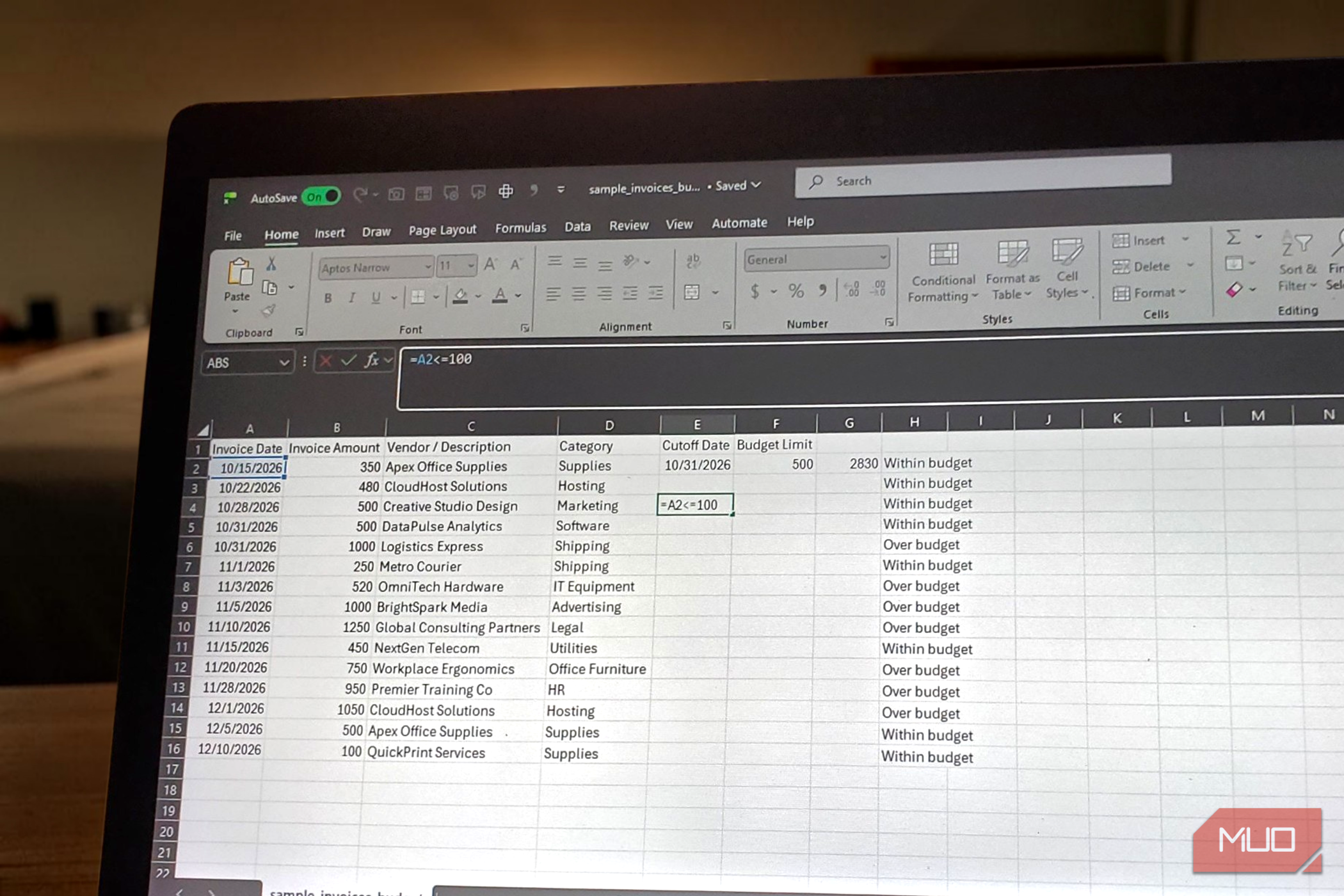
Master the <= Excel Operator for More Accurate Formulas
Learn to accurately handle boundary conditions in your Excel formulas by mastering the "less than or equal to" (`<=`) operator. This guide covers its use in IF statements and criteria functions like COUNTIF and SUMIFS, along with best practices and troubleshooting.

Wyndham Data Breach: A Costly Lesson in App Security
Wyndham App Security Flaw: A Wake-Up Call Quick Verdict: Wyndham Hotels & Resorts’ Android app recently exposed millions of customer records, including personally identifiable information and active login tokens, due to