
The End of 26-Episode Seasons: Why Streaming Improved TV
Discover why the shift from long, episodic broadcast TV seasons to shorter, high-quality streaming seasons is a positive evolution for storytelling and production values in modern television.
Embracing the Evolution of Television
The way we consume television has changed dramatically, and with it, the very structure of our favorite shows. Gone are the days of annual 26-episode seasons, a model shaped by the demands of broadcast television. Today, streaming services often deliver shorter seasons, sometimes with multi-year gaps between them. While this might initially feel like a "content drought," it's actually a beneficial shift that allows for higher quality, more intentional storytelling. This guide will help you understand why this evolution occurred, the advantages it brings, and how to embrace this new era of television.
What You'll Understand
By the end of this guide, you'll gain a clear understanding of:
- The historical context of long TV seasons and why they are no longer necessary.
- The improved production values and storytelling quality that shorter seasons enable.
- Why the perceived "content drought" is largely a myth in the age of streaming.
- How to best appreciate and navigate the modern television landscape.
Step 1: Understanding the Shift from Quantity to Quality
Traditional broadcast television operated under a fundamentally different model, one built primarily for quantity. Shows were designed to fill weekly slots for roughly half the year, meaning a standard 26-episode season was the norm. While episodes were often shorter than today's ad-free streaming hours, producing such a high volume annually necessitated a particular writing style. Many of these shows relied on a "plot of the week" format, ensuring that viewers who tuned in mid-season could still follow along and enjoy the episode without needing extensive backstory. This approach was essential before on-demand viewing, but it often led to significant "fluff and filler" to stretch plots across a full season. If you stripped away these extraneous elements and focused purely on the main narrative, many classic shows would condense into a much smaller, tighter package. With streaming, we no longer require this quantity-driven model.
Step 2: The New Production Reality: Time for Excellence
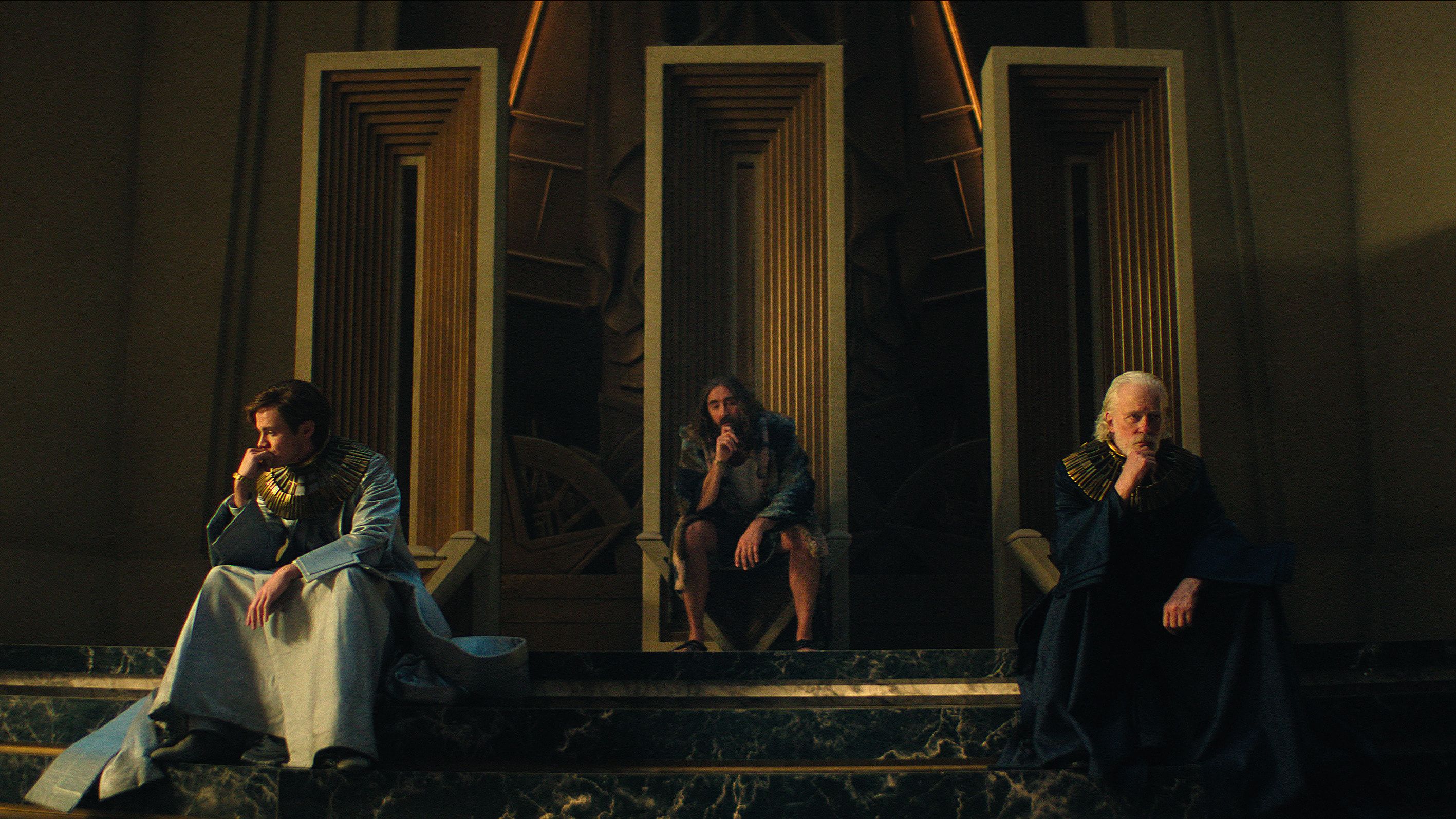
The gap between big-budget movies and top-tier television shows has narrowed considerably. Modern prestige TV productions, like Game of Thrones, command budgets comparable to major Hollywood films. This shift has even seen many A-list movie actors transition to starring roles in streaming series. When you consider that a 10-episode streaming season can be as complex and costly to produce as a blockbuster movie, the multi-year gaps between seasons start to make perfect sense. It’s a remarkable feat that creators can deliver what amounts to a 10-hour cinematic experience in just two years. This extended production time isn't a drawback; it's a feature that allows for the meticulous craftsmanship and high production values viewers have come to expect.
Step 3: The Storytelling Advantage: Tighter, More Intentional Narratives
While many classic TV shows from previous decades hold a special place in our hearts, it's undeniable that much of their writing tended to meander. Overarching plots, if they existed, were often relegated to a B-plot or advanced only minimally over several episodes, due to the need for each installment to be largely self-contained. Writing for broadcast shows was often a last-minute scramble, which rarely fostered tight, coherent storytelling. In contrast, a 10-episode season with a two-year production cycle allows writers to craft and polish the narrative to an exceptionally high degree. This extended pre-production period enables a clearer vision for not just the current season but also future arcs, culminating in a final product that is cohesive, impactful, and precisely plotted from beginning to end.
Step 4: Debunking the "Content Drought": A Myth in the Streaming Era
A common complaint among viewers is the frustration of waiting for a new season of a beloved show. However, consider the broader context: the current era offers unprecedented access to a vast universe of television. If you feel there's a "content drought," you might be overlooking the sheer volume of available options. You could watch TV nonstop every night for the entire two years you're waiting for a specific show, and still not exhaust a fraction of the incredible content available across genres. Streaming services provide access to countless older broadcast shows – many of which you might have missed during their original run – allowing you to watch them properly and in their entirety. The notion that there's "nothing to watch" is largely unfounded; we are truly drowning in choice.
Tips for Appreciating Modern TV
- Embrace the Backlog: Use the waiting periods between seasons of your favorite shows as an opportunity to discover new series, revisit classics, or explore different genres. There's always something new (or old) to watch.
- Appreciate the Craft: Recognize that the extended waits and shorter seasons are a trade-off for higher quality. These shows are often crafted with the care and budget typically reserved for major films, offering a more cinematic and polished experience.
- Revisit the Classics: The streaming era is ideal for enjoying the episodic nature of older broadcast shows. You can binge them at your leisure without missing a single plot point, experiencing them in a way that wasn't possible during their original airing.
Conclusion: The Future of Quality Television
The shift away from the 26-episode season, driven by the streaming era, has profoundly changed television for the better. While it requires a bit more patience from viewers, it enables a level of production quality and narrative precision that was largely unachievable under the old broadcast model. Shows like Apple TV's Foundation are perfect examples of what's now possible – ambitious, high-caliber productions that couldn't have been adapted under previous constraints. By understanding these changes and embracing the wealth of content available, you can appreciate that, despite Sturgeon's Law, we are truly in a golden age of television, receiving better shows than ever before. So, lean back, explore, and learn to love the wait for excellence.
FAQ
Q: Why do new seasons of streaming shows take so long to release?
A: Modern prestige streaming shows have production values and budgets comparable to big-budget movies. This requires significant time for writing, extensive filming, visual effects, and post-production, all aimed at achieving the highest possible cinematic quality and narrative polish.
Q: Does fewer episodes per season mean less value for my time or subscription?
A: While there are fewer episodes, they often deliver tighter, more intentional storytelling, with less filler and more focused plots. The emphasis is on quality over quantity, providing a more impactful and cinematic viewing experience that many viewers find more valuable.
Q: What if I prefer the older, self-contained "episode of the week" format?
A: The streaming era offers unprecedented access to vast libraries of older broadcast shows, many of which utilized this self-contained episodic format. You can easily revisit these classics or discover new ones, enjoying them in their entirety at your own pace. The choice is yours!.
Related articles
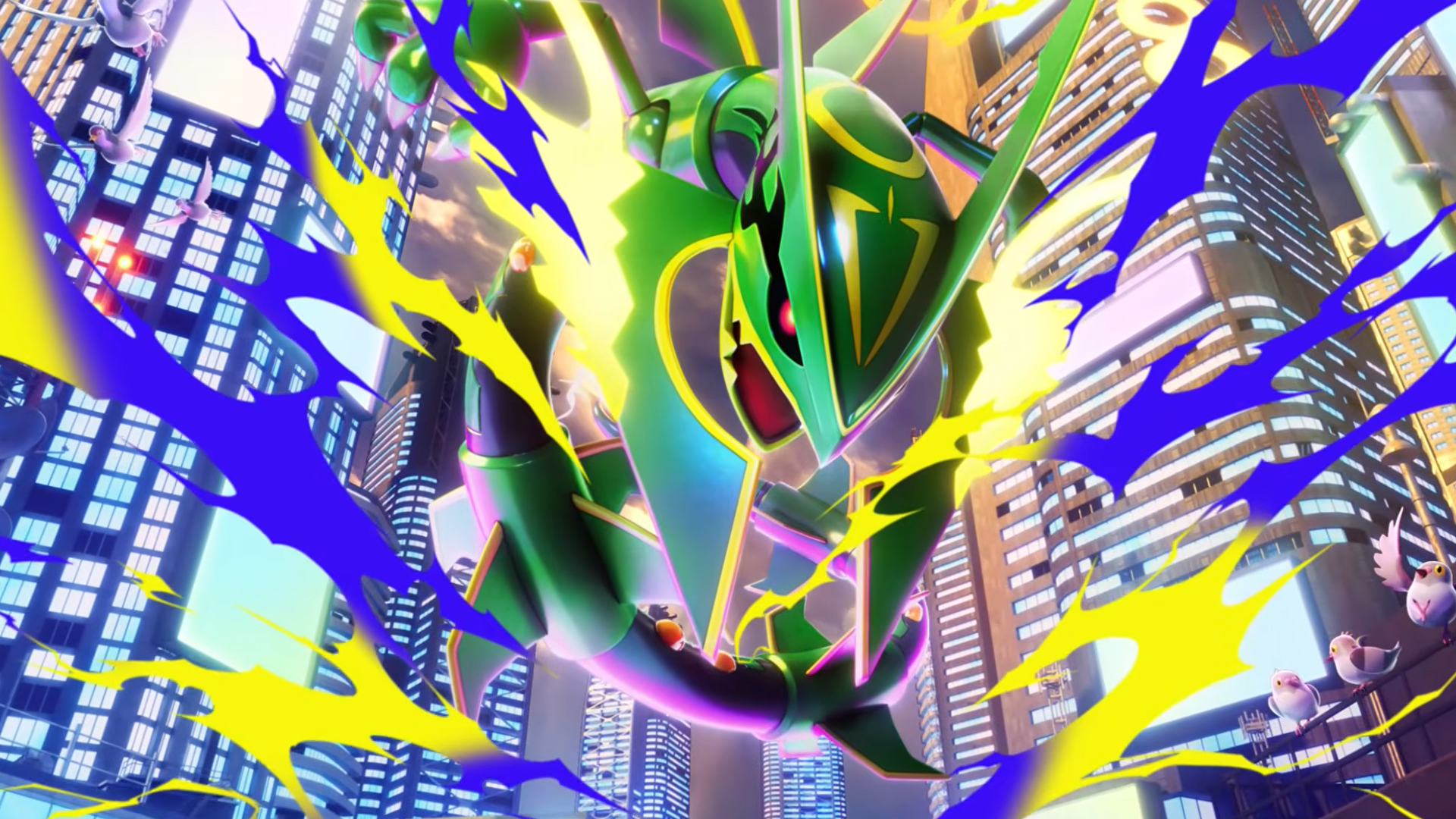
TCG Pocket Responds: A Much-Needed Pace Shift for Pokémon Fans
Pokémon TCG Pocket is rolling out a major update for its second anniversary, primarily addressing player concerns about overwhelming content releases by shifting to a six-week set schedule. This aims to curb player decline and improve overall engagement by giving trainers more time to collect and strategize. The update also adds new collection methods, improved deck-building features, and enhanced trading functionality.
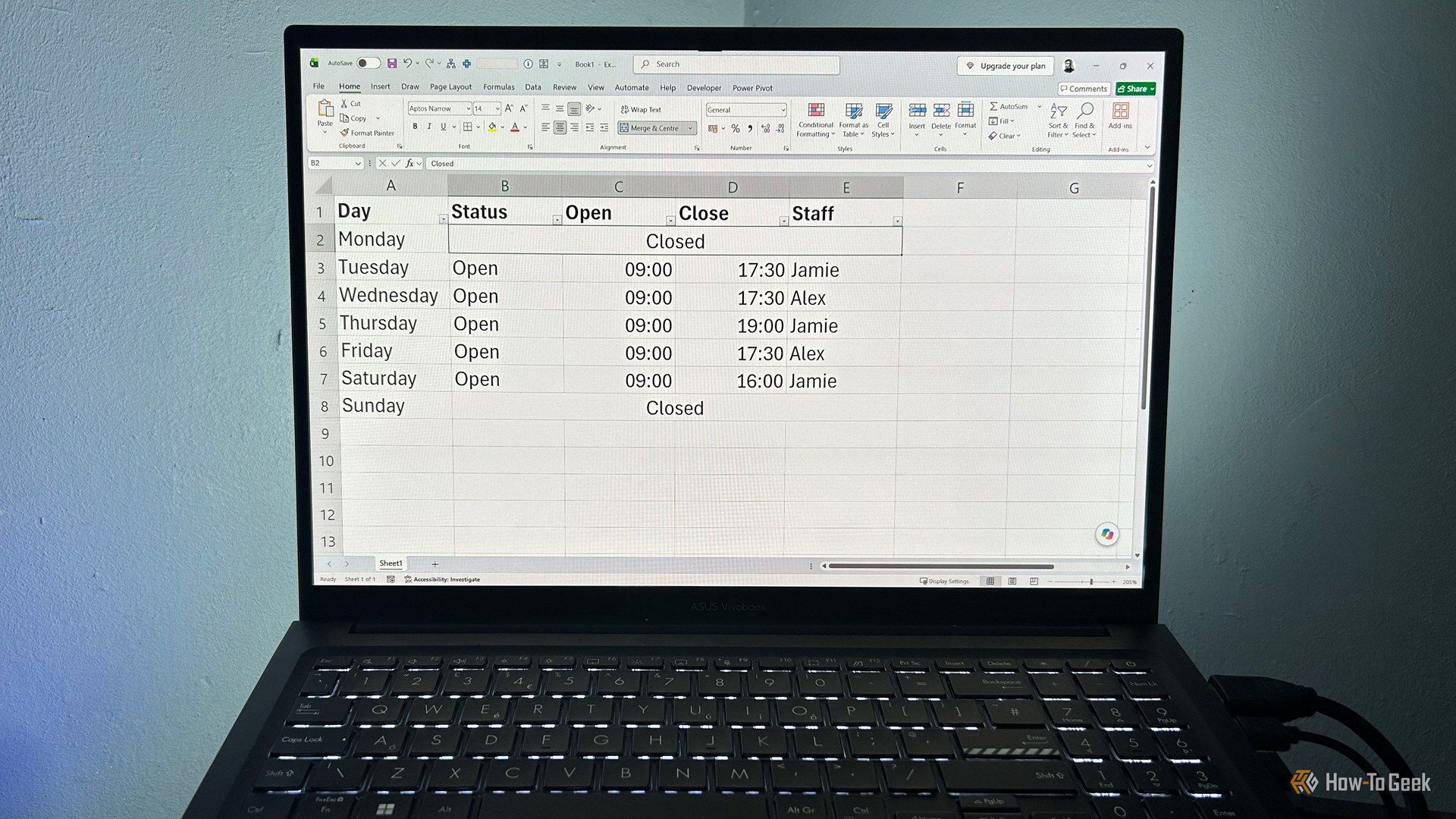
Ditch Merge & Center: The Better Way to Align Text in Excel
Learn to use Excel's "Center Across Selection" to align text across cells without merging, avoiding common data manipulation issues. This guide provides steps to utilize this newly accessible feature and add it to your Quick Access Toolbar.
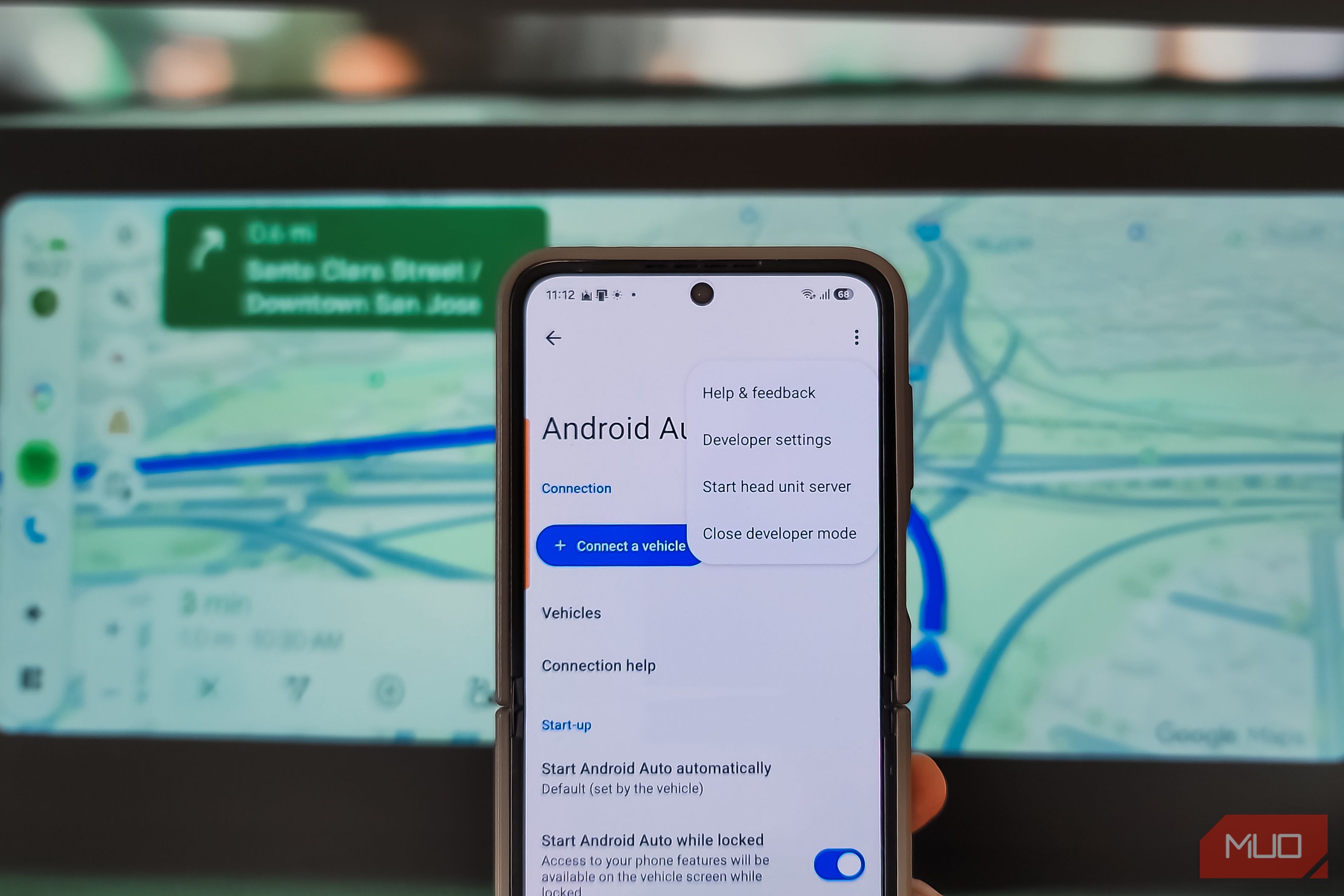
Stop Android Auto Battery Drain: Essential Features to Disable and
Android Auto offers unparalleled convenience, bringing your phone's most useful features directly to your car's display. From navigation and calls to messages and music, it keeps you connected without distracting you
Turn Your Android Phone into a Powerful Desktop Replacement
Learn how to transform your Android phone into a full-fledged desktop computer using external displays and accessories, providing a cost-effective and integrated alternative to new Googlebooks.

howto: Four Ways the Fitbit Edge Is Better Than the Charge 6, and Two
Learn the key differences between the Fitbit Edge and Charge 6, including four advantages of the Edge and two areas where it falls short, to help you choose the best fitness tracker for your needs.
How to Connect Your Googlebook to a Printer - Print Documents with
Learn to quickly connect your Googlebook to a printer via Wi-Fi, USB, or Bluetooth and print documents in minutes. This guide covers direct printing, app-specific connections, troubleshooting, and even printing screenshots as a workaround.