
Poop Slinger Swamps Market: Mystery Drop Crashes PS4 Collector Prices
What do you get when a legendary, ultra-rare PlayStation 4 game suddenly appears in boxes, unbidden, at video game retailers across the country? A whole lot of confusion, a market in chaos, and a truly wild story

What do you get when a legendary, ultra-rare PlayStation 4 game suddenly appears in boxes, unbidden, at video game retailers across the country? A whole lot of confusion, a market in chaos, and a truly wild story straight out of the gaming world’s most peculiar corners. This past week, game shops found themselves staring down a literal mountain of what was once considered digital gold: sealed copies of the infamous 2018 title, Poop Slinger.
For years, Poop Slinger held a mythical status among PS4 collectors. With fewer than 100 physical copies ever thought to be in circulation, a sealed copy could easily fetch over a thousand dollars on the secondary market. Imagine the shock, then, when stores began receiving unsolicited shipments of this highly coveted, undeniably peculiar game. This isn't just a quirky anecdote; it's a full-blown market disruption, leaving everyone from store owners to veteran collectors scratching their heads and asking, "What the heck is going on?"
The Unsolicited Delivery: A Literal Box of Poop
“Guess what we just got in the mail? A literal box of poop.” That’s how SicCooper, owner of Double Jump Video Games, described receiving a package filled with sealed copies of Poop Slinger. He wasn't alone; numerous independent game stores, including Cake Hoarder Games, reported similar baffling deliveries. While the packages originated from VS Games LLC in Virginia, even they were reportedly swamped with calls, indicating they were merely a transit point. This wasn't a small mistake either. Rumors suggest a liquidation company was approached to offload over 2,000 copies at a "way undermarket value." Another report claims a postmaster handled 39 packages, each with six copies. These numbers imply hundreds of copies suddenly hitting the market, a huge jump from the fewer than 100 previously thought to exist.
From Platinum Poop to Pennies: The Value Plunge
When a commodity's supply skyrockets, its market value crashes. This is the grim reality for Poop Slinger collectors. Games once fetching four-figure prices are now being given away; Double Jump Video Games, for instance, plans to distribute their unsolicited copies rather than sell them in a saturated market. Cake Hoarder Games, conversely, will hold onto their stock, waiting for "the stink to clear." Initial fears of fraud or elaborate scams were dispelled as checks confirmed the games' legitimacy. This only deepens the enigma: if these copies are real, who produced so many, and why this sudden, widespread distribution? It increasingly feels like a deliberate prank, targeting the often-absurd world of game collecting and the scalpers who thrive on artificial scarcity.
Limited Rare Games: A History of High Jinks
To grasp the Poop Slinger pandemonium, we must examine its original physical publisher, Limited Rare Games. This company, behind the 2019 PS4 physical release, has always held a cheeky, almost antagonistic stance toward the collector's market. Their name itself appears to be a direct jab at outfits like Limited Run Games, famous for their ultra-limited physical releases and the ensuing market frenzy. Limited Rare Games’ strategy often involves satire and mischief. Beyond Poop Slinger – where you, quite literally, sling poop – their releases and online presence frequently poke fun at the theatrics of limited-edition games. Their past includes erratic behavior, such as deactivating and reactivating their site and social media. Yet, they’ve also published legitimate indie titles like Tamashii, complicating their brand. Their recent, cryptic response to the Poop Slinger saga? A Cameo from the "Costco Guy" discussing "sunk investments," strongly implying this entire bizarre event is a deliberate, if utterly bewildering, orchestration by them.
What Now for Poop Slinger Collectors?
For those who diligently hunted down one of the original, genuinely scarce copies of Poop Slinger, this unexpected influx is nothing short of a catastrophe for their investment. The perceived value of their prized possession has evaporated overnight. For others, particularly those who couldn't afford the sky-high prices, this could be an unexpected opportunity to finally own a piece of gaming oddity history, albeit one whose financial luster has now faded to nil. Retailers are currently navigating unprecedented territory. Some, like Double Jump, are embracing the chaos by giving away copies, perhaps signaling disdain for market manipulation or simply building goodwill. Others are biding their time, hoping for market stabilization. One thing is clear: the gaming community will talk about the Great Poop Slinger Drop of 2026 for years. It’s a stark, smelly reminder that in collectibles, scarcity can be manufactured, and sometimes, the biggest joke is on those chasing the highest price.
FAQ
Q: What is Poop Slinger and why was it considered rare?
A: Poop Slinger is a 2018 PlayStation 4 game where players, as the name suggests, sling poop. Its physical release in 2019 by Limited Rare Games was initially believed to be extremely limited, with fewer than 100 copies circulating, which drove its secondary market value over $1,000.
Q: Are the recently distributed copies legitimate, or are they fakes?
A: Reports from retailers who have received these unsolicited shipments confirm that the games are legitimate, sealed copies. This means they are authentic physical releases, not counterfeit versions.
Q: Who is behind this sudden, mass distribution of Poop Slinger?
A: While no party has officially claimed full responsibility, evidence strongly points to Limited Rare Games, the original physical publisher. Known for their satirical and often erratic marketing tactics aimed at the collector's market, their cryptic response (a Cameo about "sunk investments") suggests this entire event is a deliberate, orchestrated move to disrupt the artificial scarcity and high prices associated with the game.
Related articles
TCG Pocket Responds: A Much-Needed Pace Shift for Pokémon Fans
Pokémon TCG Pocket is rolling out a major update for its second anniversary, primarily addressing player concerns about overwhelming content releases by shifting to a six-week set schedule. This aims to curb player decline and improve overall engagement by giving trainers more time to collect and strategize. The update also adds new collection methods, improved deck-building features, and enhanced trading functionality.
Kojima Compares Divisive New Film 'Digger' to MGS2's Prescient Vision
Gaming icon Hideo Kojima has praised the divisive 2026 film *Digger*, drawing intriguing parallels to his own prophetic game, *Metal Gear Solid 2*. Both works, he explains, uniquely explore the dangers of misinformation and a fragmented digital reality, anxieties he shares with *Digger*'s director, Alejandro González Iñárritu.
Ubisoft Proposes German Studio Workforce Reduction Amidst
Ubisoft is planning a voluntary departure program for about 100 employees across its Düsseldorf, Berlin, and Mainz studios in Germany. This move is part of a larger, ongoing cost-reduction and restructuring effort by the publisher, aiming to better position its studios for future projects.

TGS 2026: These Forward-Looking Cosplays Are Already Living in the
Tokyo Game Show 2026 showcased incredible cosplay, with many fans embodying characters from unreleased games like *Blast Blade* and *Mononoke No Kuni*. This gallery highlights the community's foresight, alongside debut *Palworld* cosplay and refreshed takes on classics. It’s a testament to the passion that brings gaming's future to life.
Beyond the Bugs: Conquering Studio Headaches in Indie Dev
This guide, part three in a series on running an indie studio, tackles the crucial but often overlooked aspect of dealing with non-development related issues. It introduces creating a shared 'studio backlog' for collective problems and using the IDS (Identify, Discuss, Solve) framework to address them constructively. The core message is to build powerful habits that keep studios from getting quietly derailed by lingering challenges.
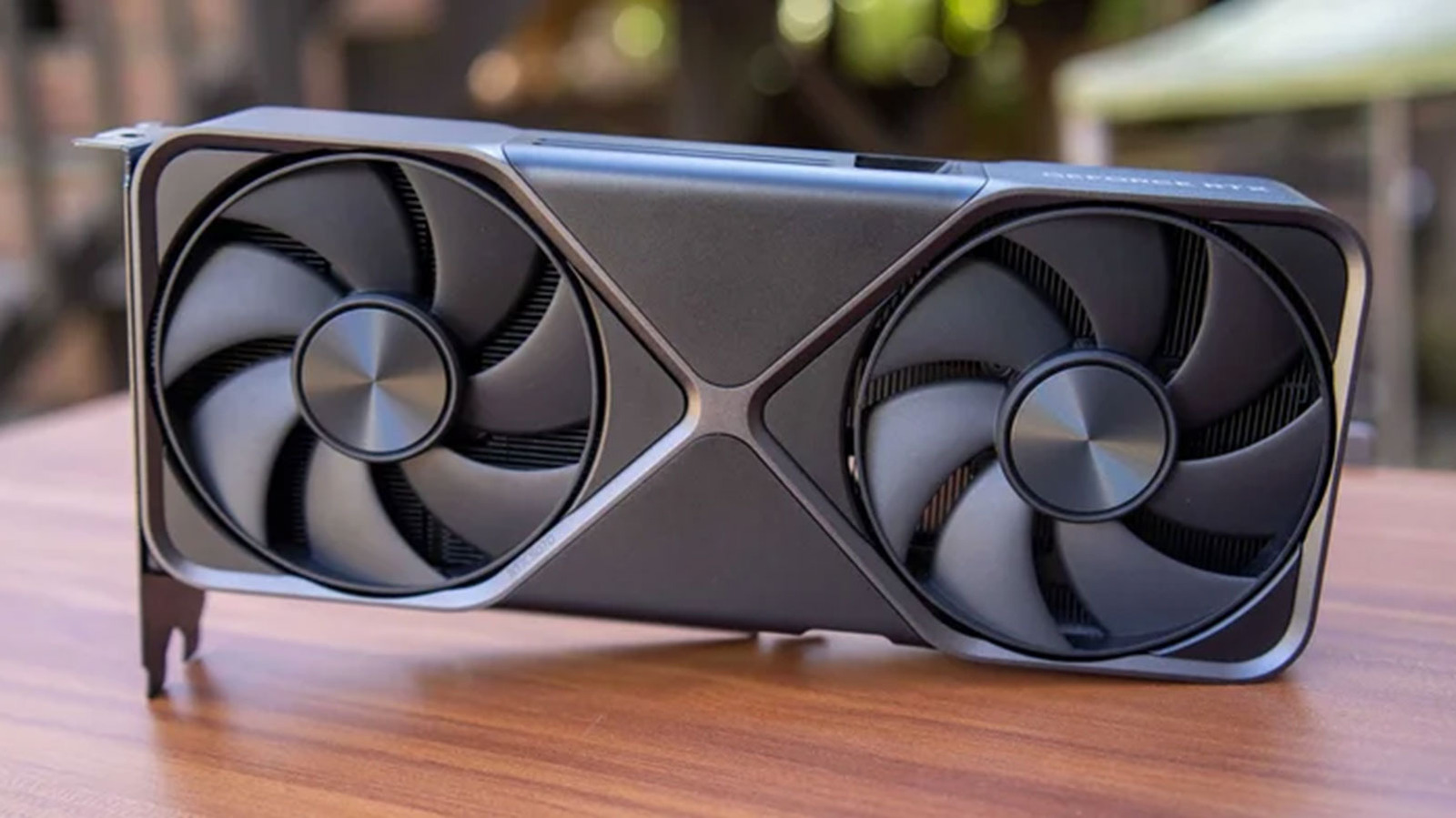
NVIDIA DLSS: A Powerful AI Upscaling Game-Changer
NVIDIA DLSS, or Deep Learning Super Sampling, has become a cornerstone technology for PC gamers with RTX graphics cards. It's a proprietary upscaling solution designed to boost game performance and, in some cases,