
Outlanders Arrives: Can TiMi Deliver a 'Full-Fat' Monster Hunter on
Tencent's TiMi Studio Group launches Monster Hunter Outlanders, aiming for a "full-fat" experience on mobile. Development director Bryan Li discusses adapting the franchise for touchscreens, new features, and a collaborative partnership with Capcom. The free-to-play model focuses on cosmetics and convenience, not pay-to-win elements.
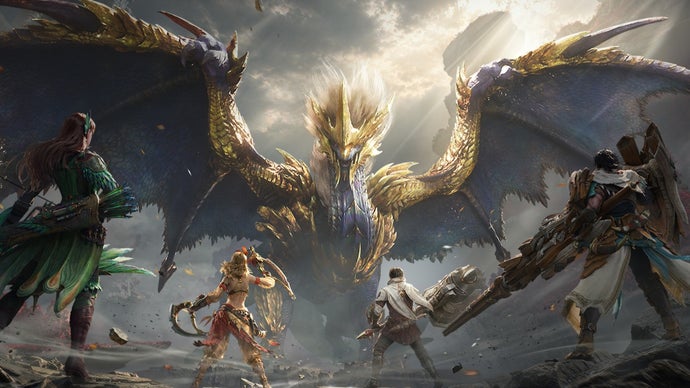
A New Hunt for Your Pocket: Outlanders Arrives!
Alright fellow hunters, gather 'round! Today marks a pretty significant day for the Monster Hunter franchise, as Tencent's TiMi Studio Group unleashes "Monster Hunter Outlanders" onto mobile devices. This isn't just another casual spin-off; TiMi is making a bold claim: they're aiming to deliver the "full-fat" Monster Hunter experience right into the palm of your hand.
Now, before you dust off your old Switch or PC for a console hunt, let's set the stage. This isn't the first time we've seen our beloved monsters on mobile. Niantic gave us the AR-focused "Monster Hunter Now," and even Capcom itself recently surprise-dropped a mobile port of "Monster Hunter Rise" via Netflix. So, Outlanders enters a somewhat crowded, yet potentially lucrative, arena. The big question is, can TiMi's ambition truly capture the essence of what makes Monster Hunter so special, while still feeling native to mobile?
Bryan Li, the development director for Monster Hunter Outlanders, sat down with GamesIndustry.biz to pull back the curtain on this ambitious project. And from the sounds of it, TiMi isn't just taking this responsibility lightly.
The "Full-Fat" Challenge: Adapting a Giant for Mobile
Translating a complex action-RPG like Monster Hunter to a mobile touchscreen is no small feat. Li revealed that the team spent a considerable amount of time grappling with this very problem, seeking that sweet spot between maintaining authenticity and making it feel truly mobile. Thankfully, it sounds like the project was in passionate hands; the majority of the TiMi team are self-professed "long-term, loyal fans" of the franchise. This deep understanding meant preserving those iconic elements we all love – the familiar monsters, the distinct weapon feel, and that satisfying impact when you land a heavy hit.
However, simply porting wasn't enough. TiMi understood that mobile play demands different considerations. A major focus was fine-tuning the controls. They've implemented two distinct options: a "Classic Mode" for those who are seasoned mobile action game veterans, and a "simplified Adventure Mode" for players new to the franchise or less comfortable with complex touch controls. This dual approach shows a genuine effort to make the game accessible to a broad audience, from hardcore hunters to mobile-first newcomers. Furthermore, recognizing that mobile play sessions are typically shorter, the team iterated extensively on gameplay duration, finding that crucial balance through numerous playtests and live sessions, actively involving players in the evaluation process.
An Expansive World, Tailored for Touch
Beyond just controls and session length, TiMi aimed to inject fresh innovation into the Outlanders experience. Forget just rehashing old content; the game boasts a "full new main storyline." But a story isn't much without a world to explore, and TiMi's level designers have apparently put in the hours to craft rewarding exploration. While navigating major quest objectives, players can expect plenty of "interesting and wonderful opportunities" along the way, ensuring that every journey feels worthwhile.
And for those wondering about mobility in this new world, fear not. While a riding system isn't present, the team has introduced various gadgets like zip lines and ballistas to "enrich the navigation experience." Combine this with an overhauled crafting system, and it sounds like Outlanders is trying to offer a comprehensive, engaging world that feels alive, even on a smaller screen. It’s a thoughtful approach to keeping the spirit of exploration and resource gathering alive.
A Partnership Forged in Trust: TiMi and Capcom's Vision
Entrusting a mobile iteration of Monster Hunter to an external studio is a huge vote of confidence from Capcom. As Bryan Li puts it, Capcom has "entrusted you with its crown jewels." So, how did TiMi earn that trust? It started with a pitch from a small team of diehard fans, eager to learn from the "real veterans." Li emphasizes that the relationship wasn't built overnight, but through "accumulate[d] success stories" and professional collaboration over time.
The dynamic is clearly one of mutual respect and shared goals. Both companies prioritize player feedback, but their expertise complements each other perfectly. Capcom brings unparalleled knowledge of the franchise, core combat mechanics, and monster design. TiMi, on the other hand, offers a wealth of experience in long-term free-to-play live services and post-launch roadmaps. It’s TiMi that proposes innovative ideas, which Capcom, as the IP owner, then validates and encourages. This collaborative, idea-driven approach suggests a healthy balance between respecting the IP's legacy and embracing new possibilities.
Hunting for Value: Understanding the Free-to-Play Model
Now, for the "billion-dollar question" as Li describes it: monetization. As a free-to-play mobile game, there's always a lingering concern about predatory practices or a "pay-to-win" structure. TiMi is very clear on this front: players will be able to enjoy "all the storylines, all the core game modules, and all the key function systems without any kind of problems" without spending a single penny.
The monetization strategy is broken down into three categories, with a firm commitment to not selling power:
- New "Adventures": These offer additional hunting styles, not inherently more powerful ones, allowing players to customize their gameplay approach.
- Customization & Vanity: A "vast amount" of aesthetic options for self-expression, with "zero intention to sell power through those customizations."
- Time Saving & Convenience: Essentially, players can choose to invest their time or spend to speed up certain processes, offering flexibility in how they enjoy the game.
This sounds like a well-thought-out approach that respects player choice and the integrity of the gameplay experience. Time will tell how it plays out in practice, but the stated intent is certainly reassuring for veteran hunters.
Ready for the Call? Our Outlanders Outlook
Monster Hunter Outlanders steps into a challenging landscape, but TiMi Studio Group seems to have approached it with the right blend of reverence for the source material and a willingness to innovate for mobile. The passion of the development team, the careful consideration given to controls and session length, and the transparent, collaborative relationship with Capcom all paint a promising picture. The commitment to a non-pay-to-win monetization model is particularly encouraging, aiming to keep the core hunting experience accessible and fair for everyone.
While only time will truly tell if Outlanders can carve out its own niche and deliver on its "full-fat" promise, it certainly sounds like TiMi has done their homework. For hunters looking to take their beast-slaying on the go, without compromising on the depth we expect, Monster Hunter Outlanders looks like a prime candidate. The hunt begins today; we're eager to see how it fares!
FAQ
Q: Is Monster Hunter Outlanders a completely new game or a mobile port of an existing title?
A: Monster Hunter Outlanders features a "full new main storyline" and unique innovations designed for mobile, making it a new entry in the series rather than a direct port of an existing console game.
Q: How does the free-to-play model work in Monster Hunter Outlanders without being "pay-to-win"?
A: The game focuses monetization on three categories: acquiring new hunting styles (not more powerful ones), cosmetic customization/vanity items, and time-saving/convenience options. Core gameplay, storylines, and functions are fully accessible without spending money.
Q: What distinguishes Outlanders from other Monster Hunter mobile titles like Monster Hunter Now or the Rise mobile port?
A: Unlike Niantic's AR-focused Monster Hunter Now, Outlanders aims for a "full-fat" traditional Monster Hunter experience on mobile. It also differentiates itself from the direct console port of Monster Hunter Rise by offering a brand-new storyline and bespoke mobile-native gameplay adaptations.
Related articles
Level Up Your Studio Meetings: Say Goodbye to Endless Status Updates
Indie studio meetings can be productive! Martijn van Zwieten's FIRM framework shows how structured yearly, quarterly, and weekly syncs boost alignment, solve issues, and drive dev efficiency.

Sakurai Shrugs Off AI Games: Why Human Creativity Still Reigns Supreme
Masahiro Sakurai, creator of *Super Smash Bros.*, believes most AI-created games will be "unprofitable titles" and "low-quality goods." He argues AI can only reproduce existing systems, not generate truly original artistic works like those from Fumito Ueda. In an era of mass production and industry shifts to AI-first models, Sakurai stresses the growing importance of unique human creativity and vision.
Wizards of the Coast Crowns New President, Signaling a Digital Future
Dan Ayoub, former Senior VP of D&D and an ex-Halo studio head, is the new President of Wizards of the Coast and Hasbro Digital Games. His appointment signals a strong push into digital and video games for the company, creators of Magic: The Gathering and Dungeons & Dragons. Upcoming titles include the sci-fi RPG Exodus and the D&D action-adventure Warlock.
Warhorse Studios Under Siege: Cyberattack Hits Kingdom Come Dev
Warhorse Studios, known for Kingdom Come: Deliverance 2, has been hit by a cyberattack, resulting in unauthorized access to their company systems and data. CEO Martin Frývaldský called it a "serious incident," and the studio is working with cybersecurity experts to investigate. This incident follows similar breaches at Capcom and Rockstar, highlighting a growing industry concern.

UK Gaming's Future on the Line: UKIE Pushes for Modern Tax Credits
UKIE is urging the government to modernize the Video Games Expenditure Credit (VGEC) and introduce a new 'Games Scale-Up Fund' ahead of the Autumn Budget. This move is critical to keep the UK competitive in global game development, address outdated rules, and prevent studios and talent from relocating, ensuring a vibrant future for British-made games.

Nvidia Backs Indian Startup to Boost AI Efficiency with Fewer GPUs
Nvidia has backed Indian startup Simplismart in a $14 million Series B round. Simplismart's software helps companies run AI models efficiently, often requiring fewer GPUs, addressing the strain on computing capacity. This investment highlights a strategic focus on AI inference optimization.