
Sakurai Shrugs Off AI Games: Why Human Creativity Still Reigns Supreme
Masahiro Sakurai, creator of *Super Smash Bros.*, believes most AI-created games will be "unprofitable titles" and "low-quality goods." He argues AI can only reproduce existing systems, not generate truly original artistic works like those from Fumito Ueda. In an era of mass production and industry shifts to AI-first models, Sakurai stresses the growing importance of unique human creativity and vision.

Sakurai Shrugs Off AI Games: Why Human Creativity Still Reigns Supreme
When Masahiro Sakurai speaks, the gaming world listens. The legendary mind behind Super Smash Bros. has a knack for cutting through the noise, and his recent take on the burgeoning world of AI-created games is no exception. In a landscape increasingly dominated by algorithms and automated content generation, Sakurai offered a refreshingly grounded, albeit stark, perspective: most AI games, he argues, are destined to become mere "unprofitable titles," unable to hold a candle to the profound artistry of human-made masterpieces like Shadow of the Colossus.
His remarks, shared in an interview with Denfaminico Gamer, come at a pivotal moment for the industry. Asked for his thoughts on the astonishing boom in games released on Steam since 2010 – a staggering jump from 275 titles to 19,000 – Sakurai didn't mince words. He believes this number will only continue to skyrocket, precisely because of AI. However, he quickly tempered that prediction with a dose of reality: "I think most of them will become ‘unprofitable titles.’ There are too many to keep track of, and it's impossible to understand them all."
The Coming Tsunami of 'Unprofitable Titles'
The sheer volume of games hitting digital storefronts has become an overwhelming tide, a fact many of us have felt when browsing endless Steam new releases. Sakurai acknowledges this, foreseeing an even greater deluge powered by artificial intelligence. His core argument isn't against the existence of AI in game creation, but rather its inherent limitations when it comes to producing truly valuable, lasting experiences. He equates these future AI-generated projects to "low-quality goods," suggesting they'll be lost in the noise, failing to carve out a meaningful niche or generate sustainable demand.
This isn't just about quantity, though; it’s about the fundamental nature of AI's output. Sakurai suggests that creations born from AI, or those mass-produced with poor quality, will predominantly be mere "reproductions of systems seen in various other games." He rightly points out that this trend is already prevalent, even before AI's full impact is felt. It's a sobering thought for an industry that often celebrates innovation and unique gameplay loops.
AI's Imitation Game: Endless Iterations, Zero Soul
To illustrate his point about AI's limitations, Sakurai delves into the realm of conceptually simple puzzle games. He specifically called out the viral Needle in a Haystack Simulator, alongside hypothetical titles like "The supermarket has been turned upside down, let's rearrange the products," or "Let's put the screws back in place." These types of games, he explains, are incredibly easy for AI to recreate because they rely on iterating on pre-existing concepts and mechanics. Artificial intelligence, by its very definition, learns from what has been created, meaning it struggles to conceive of something entirely new or original.
His reasoning is clear: AI is excellent at pattern recognition and replication, making it a powerful tool for certain tasks. However, that power comes with a significant drawback when artistic creativity is concerned. It can mimic, but it cannot originate. It can study, but it cannot envision a future unwritten by data.
The Artistic Spark: Why AI Can't Be a Fumito Ueda
This is where Sakurai brings in the master of atmospheric, emotionally resonant titles: Fumito Ueda, the visionary behind ICO and Shadow of the Colossus. Sakurai concedes that an AI might be able to study Ueda's past works and, perhaps, even generate something similar in atmosphere. Imagine an AI attempting to replicate the melancholic beauty of ICO or the epic scale of Shadow of the Colossus based on learned patterns and aesthetics.
However, Sakurai draws a crucial line. What AI cannot do, he argues, is predict or create "what Mr. Ueda plans to create in the future." The unique artistic style, the forward-thinking design, the sheer human ingenuity that defines a creator's evolving vision – that remains exclusively within the domain of human creativity. AI is tethered to the past, to "things that have been created so far," whereas human genius can reach for "things that haven't been created before." This fundamental difference, he stresses, is true for all creative works, not just games.
Forging Your Own Path in a Crowded Landscape
Sakurai's conclusion offers a glimmer of hope and a directive for human creators. In an era where mass production and low-quality goods threaten to inundate the market, the importance of individuals like Ueda will only grow. Those who can "forge their own path," who possess the ability to create their "own unique flavor," will become increasingly vital. It's a rallying cry for originality, for depth, and for the unmistakable imprint of human artistry in a world prone to generic replication.
This emphasis on unique vision is particularly poignant coming from Sakurai, a game designer who himself has undoubtedly forged his own path multiple times over his illustrious career. His dedication to innovative, impactful game design speaks volumes, reinforcing his belief in the power of individual creativity.
A Humanistic Vision Amidst Industry Turmoil
Sakurai’s remarks couldn’t have arrived at a more critical juncture for the gaming industry. Over the past few weeks, we've seen a surge in AI mods becoming a wildly popular trend. Players are leveraging AI to port classic games to web browsers, seamlessly blend disparate titles into new experiences, and even generate entirely 'new' games using existing intellectual properties. It’s a testament to the technology’s accessibility and versatility, but it also raises questions about ownership, originality, and the future of game development.
Adding to this complexity is the grim reality of widespread industry layoffs, coupled with major players like Epic Games openly shifting towards "AI-first" production models. These developments paint a concerning picture for many human developers and artists. Yet, Sakurai's humanistic vision offers a brighter, more optimistic outlook, one that firmly prioritizes human-made games imbued with originality, depth, and that irreplaceable "unique flavor." It’s a reminder that while technology can enhance and expedite, the soul of a game still lies with its human creators.
This latest insight from Sakurai follows his recent decision to step down from his 16-year run with the Game Designer Award for the Japan Game Awards, having been unable to find a suitable successor. It perhaps underscores his deep personal investment in the future of game design and the values he champions.
FAQ
Q: What was the main point Masahiro Sakurai made about AI-created games?
A: He argued that while AI will massively increase the number of games, most will be "unprofitable titles" and "low-quality goods" because AI primarily reproduces existing systems rather than creating original, lasting artistic experiences.
Q: Which game creator did Sakurai use as an example of unique human creativity that AI cannot replicate?
A: Sakurai highlighted Fumito Ueda, known for critically acclaimed titles like ICO and Shadow of the Colossus, explaining that while AI might mimic the atmosphere of Ueda's past works, it cannot foresee or create his unique future artistic styles.
Q: How did Sakurai's comments relate to the current state of the gaming industry?
A: He connected his vision to the rise of AI mods, ongoing industry layoffs, and shifts towards "AI-first" production models by major companies. He emphasized that in this context, human creators who forge their own path and offer unique vision will become increasingly vital.
Related articles
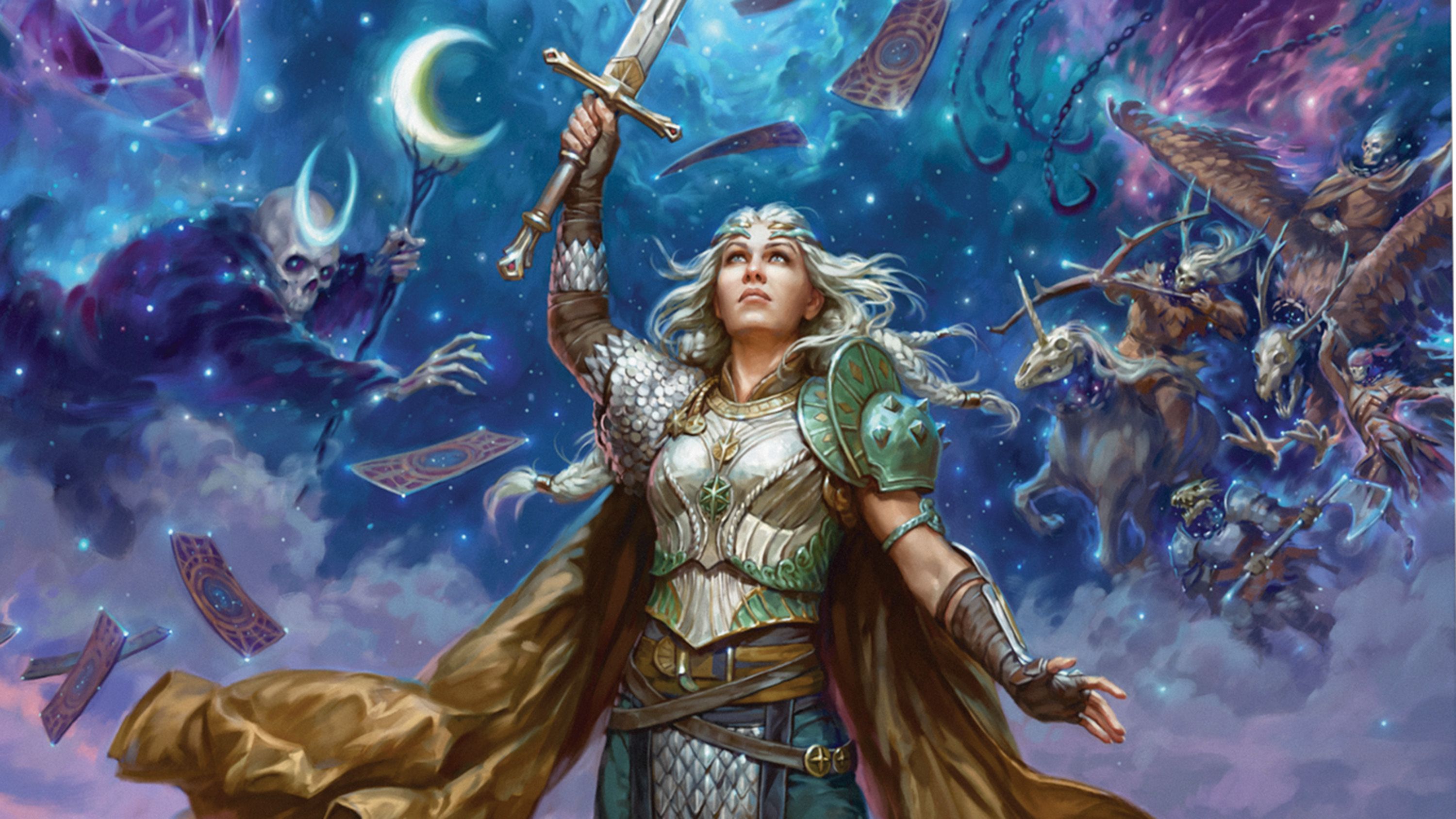
Wizards of the Coast Crowns New President, Signaling a Digital Future
Dan Ayoub, former Senior VP of D&D and an ex-Halo studio head, is the new President of Wizards of the Coast and Hasbro Digital Games. His appointment signals a strong push into digital and video games for the company, creators of Magic: The Gathering and Dungeons & Dragons. Upcoming titles include the sci-fi RPG Exodus and the D&D action-adventure Warlock.
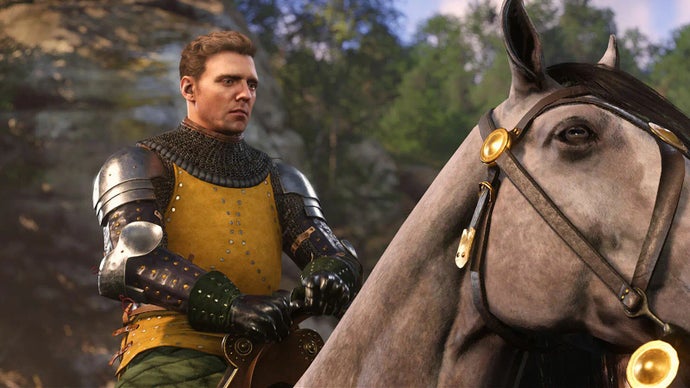
Warhorse Studios Under Siege: Cyberattack Hits Kingdom Come Dev
Warhorse Studios, known for Kingdom Come: Deliverance 2, has been hit by a cyberattack, resulting in unauthorized access to their company systems and data. CEO Martin Frývaldský called it a "serious incident," and the studio is working with cybersecurity experts to investigate. This incident follows similar breaches at Capcom and Rockstar, highlighting a growing industry concern.

UK Gaming's Future on the Line: UKIE Pushes for Modern Tax Credits
UKIE is urging the government to modernize the Video Games Expenditure Credit (VGEC) and introduce a new 'Games Scale-Up Fund' ahead of the Autumn Budget. This move is critical to keep the UK competitive in global game development, address outdated rules, and prevent studios and talent from relocating, ensuring a vibrant future for British-made games.
in-depth: AI Agents Are Media’s New Favorite Audience: in-depth — Key
In a significant pivot for the media industry, some leading publishers are now looking beyond human readers, actively seeking to cultivate and monetize artificial intelligence (AI) agents as a primary audience. This
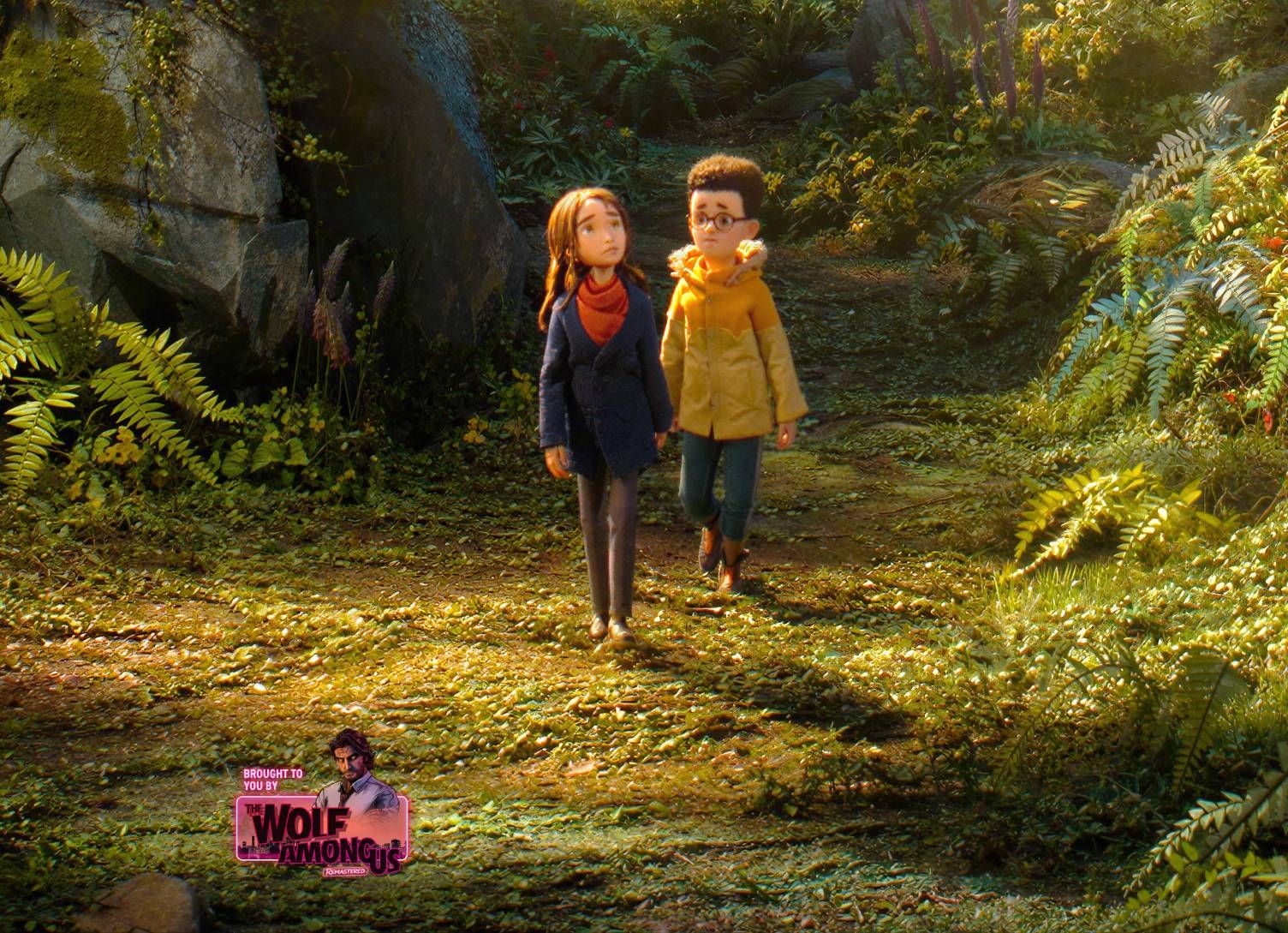
Wildwood: Laika Unleashes a Dark Fairy Tale From The Decemberists
Laika's *Wildwood*, from The Decemberists' Colin Meloy and artist Carson Ellis, brings a dark stop-motion fairy tale to life. Embracing unsettling folklore and a rare PG-13 rating, the film delves into the grimmer side of storytelling, inspired by classics like *The Dark Crystal*.
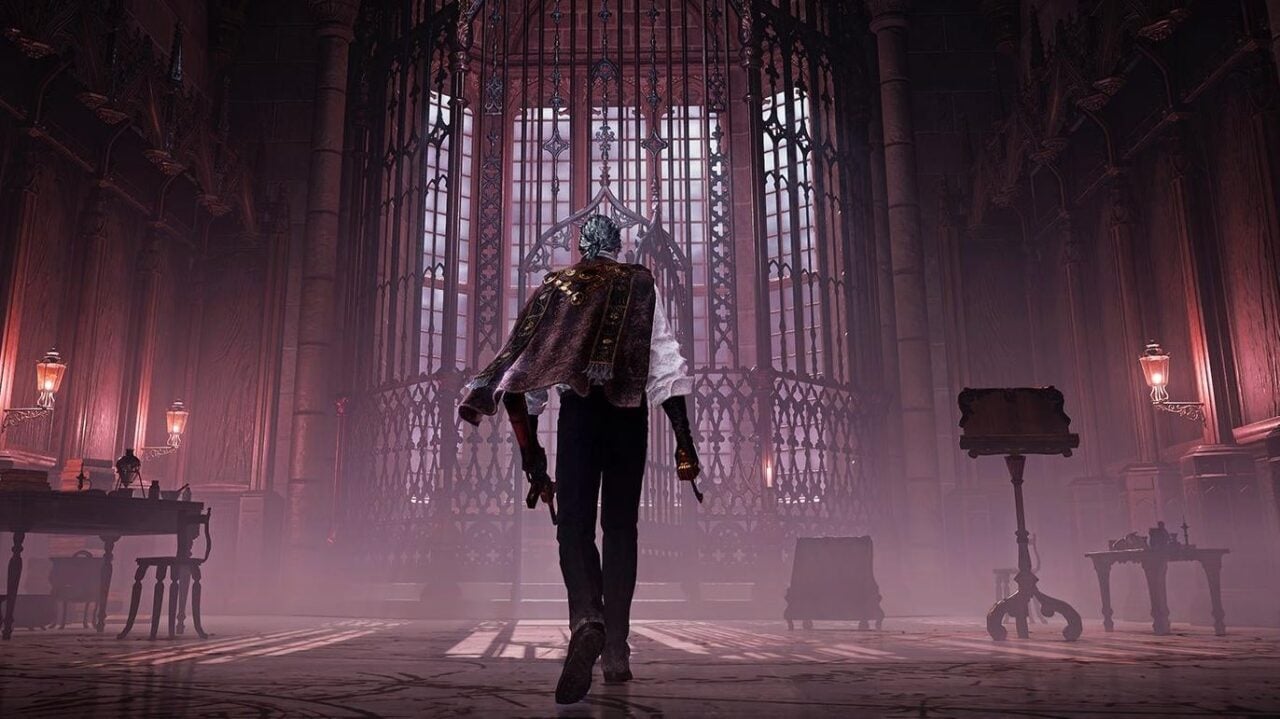
Is FromSoftware's Spooky Specter, The Duskbloods, Haunting 2027
As Halloween approaches, fans are increasingly convinced FromSoftware's *The Duskbloods* has been delayed to 2027. A lack of a firm 2026 release date, a crowded holiday schedule, and mixed feedback from its August network test fuel the speculation. While no official word exists, many expect an update at The Game Awards.