
in-depth: Prediction Markets Let You Bet on Whether a Wildfire Will
A disturbing new trend is emerging as the wildfire season intensifies: individuals are using prediction market platforms to bet on the destruction caused by blazes. This practice, exemplified by incidents like the

A disturbing new trend is emerging as the wildfire season intensifies: individuals are using prediction market platforms to bet on the destruction caused by blazes. This practice, exemplified by incidents like the devastating California fires in early 2025, is drawing fierce criticism from wildfire survivors and ethics experts who deem it "morally reprehensible" and warn of potentially dangerous consequences.
Platforms like Polymarket, the world's largest prediction market, hosted nearly 20 queries related to the Eaton and Palisades fires in January 2025. Bets were placed on various outcomes, including how many acres would burn, whether the fires would reach specific cities, and containment timelines. A staggering $1.2 million was reportedly wagered on these events, which ultimately destroyed over 16,000 structures and claimed 31 lives.
Wildfire survivors like Sylvie Andrews, who lost her newly built home and a decade of effort in the Eaton Fire, expressed profound dismay upon learning of the betting. "My first take is that it’s morally reprehensible," Andrews stated, finding the concept "flabbergasting." Susan Sherman, who lost her childhood home in the Palisades Fire, echoed this sentiment, describing the betting as "very crass and heartless."
The Mechanics of Disaster Betting
Prediction markets operate as gambling websites where users bet on the likelihood of future events. Contracts are typically framed as "yes" or "no" questions, with prices fluctuating between $0 and $1, reflecting the collective belief in an outcome's probability. The platforms generate revenue by charging fees on successful wagers.
This year saw the launch of Wyldfyre, a new prediction market specifically targeting California wildfires. Bearing the tagline "You can’t predict wildfire. But you can trade on it," the opaque platform, whose ownership remains unknown, aims to price county and city wildfire risk in real time. It claims to leverage data from NASA and the National Interagency Fire Center for forecasting, though currently only simulation trading is available, with real-money betting promised soon.
Grave Ethical and Safety Concerns
The rise of wildfire prediction markets has ignited serious ethical debates, particularly regarding the potential for incentivizing harmful actions. Ethics experts, such as Ann Skeet from Santa Clara University's Markkula Center for Applied Ethics, warn that linking financial gain to wildfire outcomes could create a "perverse incentive" for individuals to intentionally start fires or assist in their spread. Unlike natural disasters like hurricanes, wildfires can be deliberately manipulated, raising concerns about arson.
"Imagine what a bad actor might do," Skeet remarked, emphasizing the danger of markets that could support such activities. The US Forest Service strongly condemned these markets, stating that "systems that tie financial gain to wildfire outcomes risk encouraging misuse, including arson, and are not compatible with our mission."
Another significant concern is the possibility of insider trading. Individuals with privileged information, such as firefighters or land managers privy to a fire's trajectory or agency response plans, could be tempted to place bets, exploiting their knowledge for financial gain.
Official Agencies Reject Prediction Market Data
Despite claims by platforms like Wyldfyre that they generate useful information through crowdsourcing, federal and state firefighting agencies firmly reject the notion. The US Forest Service explicitly stated it "does not use information from prediction markets for wildfire forecasting" and does not rely on any system that treats wildfires as speculative events.
California's state firefighting agency, Cal Fire, maintains a similar stance. Phillip SeLegue, staff chief of Cal Fire’s intelligence program, confirmed that the agency uses a "scientifically based fire-behavior modeling" program for predictions, relying on weather data, fuel conditions, topography, and resources, rather than "markets, wagering systems, crowd predictions or any other form of prediction‑market mechanism."
Legislative Efforts and the Road Ahead
As prediction market betting grows, lawmakers are beginning to address the regulatory void. In March, representatives from Utah and California introduced federal legislation to prohibit betting on activities like terrorism, assassination, war, or illegal acts. A companion bill in California aimed to ban contracts related to "an individual's death."
Minnesota recently became the first state to outlaw the hosting or advertising of prediction markets, though this move was promptly challenged by the federal government, which filed a lawsuit alleging overreach. Critically, none of the proposed federal or state restrictions explicitly include wildfires in their prohibitions, leaving a significant loophole.
For survivors like Sylvie Andrews, the path forward is clear: if someone profits from their community's misfortune, that money should go directly to those affected. "If someone won money in gambling with our fate, I would hope that they might be ashamed of themselves," she said, "and take that money and donate it directly to fire survivors."
FAQ
Q: What are prediction markets and how do they work with wildfires? A: Prediction markets are online platforms where people bet on the outcomes of future events, including natural disasters like wildfires. Users buy contracts (typically priced between $0 and $1) reflecting their belief in a "yes" or "no" outcome for specific questions, such as the acreage a fire will burn or its containment time. If their prediction is correct, they profit.
Q: Why are prediction markets for wildfires considered controversial? A: They are highly controversial due to significant ethical concerns. Wildfire survivors and ethicists describe the practice as morally reprehensible and heartless. There are also serious safety concerns, including the potential for individuals to be incentivized to commit arson or engage in insider trading if they have privileged information about a fire's progression.
Q: Do official firefighting agencies use data from prediction markets for forecasting? A: No, both the US Forest Service and Cal Fire have explicitly stated they do not use prediction market data for wildfire forecasting or operational decision-making. These agencies rely instead on validated scientific methods, physics-based modeling, and data from established federal partners like the National Weather Service and NOAA.
Related articles

Apple Unveils iPhone Duo: Pricey Foldable Sees Soaring Demand
Apple has officially entered the foldable smartphone arena with the long-anticipated launch of the iPhone Duo. Priced starting at a hefty $1,999, the device features a 5.4-inch outer display and a larger 7.6-inch inner

in-depth: Chicago-Area Cops Helped HSI Spy on Minnesota Anti-ICE
Chicago-area law enforcement, including local police and HSI agents, conducted undercover surveillance on Minnesota anti-ICE activists at an April 2, 2022, talk in Chicago. This operation was part of a federal conspiracy probe into 15 Minnesota activists facing felony charges related to immigration enforcement resistance. Civil liberties advocates have condemned the surveillance as a troubling intrusion into protected political activity.

Mark Wahlberg on using AI in film ‘the right way’ and being open to
Actor Mark Wahlberg believes AI has a place in filmmaking if used responsibly for enhancement, not script generation or actor replacement. At TechCrunch Disrupt, he expressed openness to an AI likeness carrying on his legacy, managed by his family, and emphasized storytelling.

Ars Technica's Rocket Report: Your Essential Space Industry Briefing
Quick Verdict Ars Technica's Rocket Report, presented by veteran space reporter Stephen Clark, offers an invaluable and meticulously organized weekly (or similar frequency, implied by "Edition 9.15") digest of the most
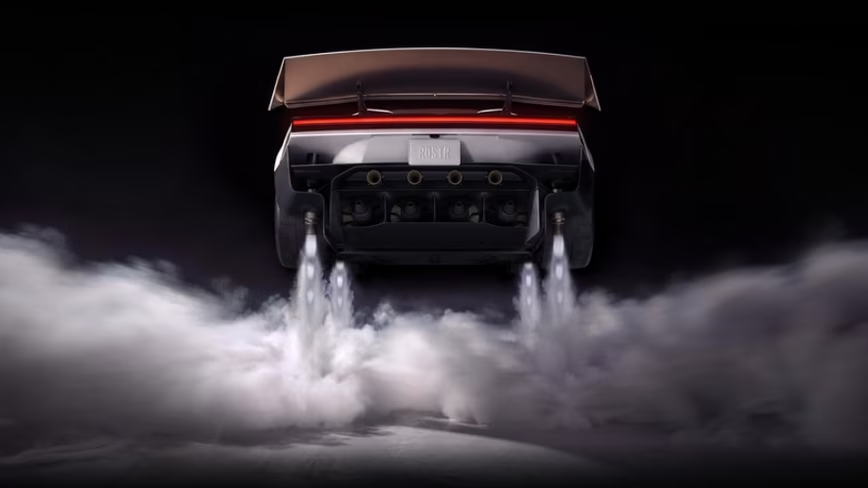
Tesla Unveils Thruster-Equipped Roadster, 2028 Production Targeted
Tesla has unveiled its second-generation Roadster, featuring cold-gas thrusters co-developed with SpaceX, enabling it to jump and flip. The electric sports car demonstrated 0-60mph in an astonishing 0.81 seconds, with production targeted for 2028. This highly anticipated reveal also serves as a key recruitment tool for Tesla's ambitious AI and robotics initiatives.
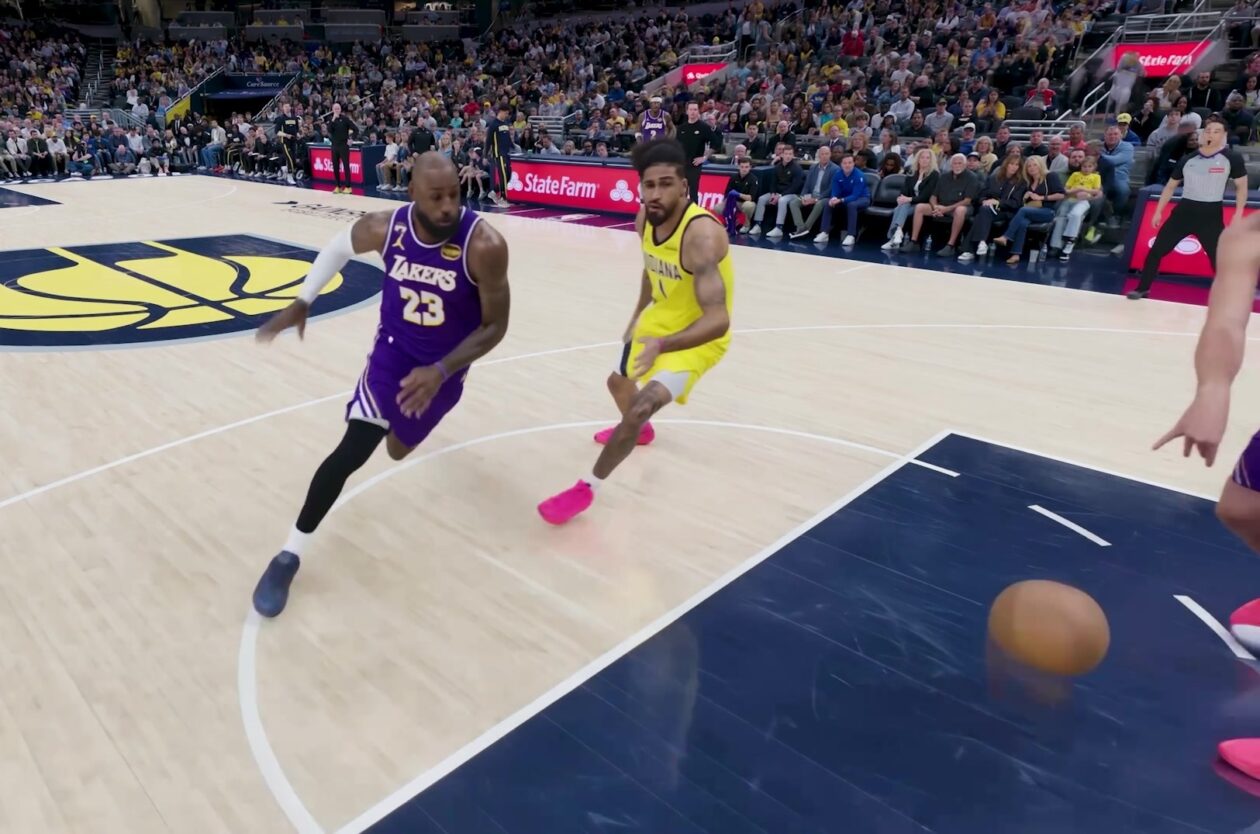
Amazon Prime Video Launches AI-Powered Prime 360 for NBA Coverage
Amazon Prime Video is elevating its NBA coverage with the introduction of Prime 360, an AI-powered replay system offering immersive, 'fly through' views of the action. Kicking off its second season, Prime Video also adds Yahoo fantasy integration and gains exclusive Eastern Conference Finals rights, expanding its tech-driven sports broadcast. The new features aim to deliver a unique and interactive viewing experience for basketball fans.