
20th Anniversary iPhone: A Radical Curved Vision, But Is It Practical
Quick Verdict The rumored 20th Anniversary iPhone, slated for 2027, promises the most radical design departure in iPhone history. With its "micro-curved" four-edge OLED display and ambitious under-display camera/Face ID

Quick Verdict
The rumored 20th Anniversary iPhone, slated for 2027, promises the most radical design departure in iPhone history. With its "micro-curved" four-edge OLED display and ambitious under-display camera/Face ID integration, it's poised to be a technological and aesthetic marvel. While the innovation is exciting, especially the advanced display tech, practical concerns around durability and the maturity of under-display components loom large. This will be a phone for early adopters seeking ultimate design innovation, rather than those prioritizing ruggedness or proven tech.
A Bold New Era for iPhone Design
Apple has a history of marking significant milestones with groundbreaking devices, and the iPhone X in 2017 stands as a testament to that. As 2027 approaches, celebrating two decades since the original iPhone's debut, whispers from the supply chain suggest an even more ambitious undertaking. This isn't just about incremental upgrades; it's about a complete re-imagining of what an iPhone looks and feels like.
At the heart of this transformation is a display that could fundamentally alter the device's aesthetic. According to Chinese tipster Digital Chat Station, Apple is collaborating with Samsung on a custom "micro-curved" OLED panel. This isn't just a slight edge curve; it's a design where the display wraps subtly around all four edges of the device. The aim is not the dramatic "waterfall" edges seen on some past Samsung S Edge series phones, but a deliberate, understated curve. This subtler approach is intended to provide a more natural, comfortable feel in the hand, crucially without distorting on-screen content at the periphery, a common issue with more aggressive curves.
Advanced Display Technology Under the Hood
Beyond the physical curvature, the display technology itself is set for a significant leap. Apple is reportedly looking to ditch the traditional polarizer layer. Instead, it could leverage Samsung's Color Filter on Encapsulation (COE) technology. As the name implies, COE applies the color filter directly onto the encapsulation layer, offering several key advantages:
- Reduced Thickness: The display assembly becomes thinner, contributing to a sleeker overall device profile.
- Improved Brightness: More light can pass through, leading to a brighter visual experience.
- Lower Power Draw: The increased light transmission efficiency can also result in reduced battery consumption.
To ensure visual consistency, the design also incorporates a crated-shaped light diffusion layer, aiming for uniform brightness across the entire panel, an essential detail for any premium display.
The Quest for a Truly Seamless Front
Perhaps the most audacious aspect of this rumored iPhone is the potential for a completely uninterrupted display. The article suggests Apple is actively testing an under-display front camera module. While display analyst Ross Young has previously expressed skepticism about under-display Face ID being ready for 2027, other leakers remain optimistic that this engineering feat is on the table for next year. The ultimate vision is clear: an all-glass iPhone with no visible cutouts, notches, or punch-holes on the screen. This would represent a pinnacle of smartphone design, offering an unparalleled immersive viewing experience.
Design & Build Quality: Innovation vs. Imperfection
The idea of an all-glass iPhone with micro-curved edges and invisible sensors is undeniably alluring. It suggests a device that feels sculpted and futuristic, a seamless fusion of glass and technology. The subtle curvature, rather than a pronounced one, points to Apple's focus on refined ergonomics and user experience, avoiding the visual distortions that plagued earlier curved designs.
However, this radical approach raises significant questions about durability. An all-glass construction, especially with curved edges (however subtle), is inherently more susceptible to damage from drops and impacts. The article itself voices this concern, highlighting worries about "durability and how it would handle every wear-and-tear." Apple and Samsung's combined engineering prowess is immense, but the laws of physics regarding glass remain. A device this revolutionary would likely necessitate groundbreaking advancements in glass strength or new protective measures to alleviate these practical concerns. Consumers would need to weigh the aesthetic benefits against the potential fragility and likely high repair costs.
Pros and Cons
Pros:
- Revolutionary Design: A truly fresh and distinctive aesthetic with micro-curved edges on all four sides.
- Enhanced Ergonomics: The subtle curves are designed for a more comfortable and natural in-hand feel.
- Superior Display Technology: Samsung's COE tech promises a thinner, brighter, and more power-efficient OLED panel.
- Immersive Viewing: Potential for a completely uninterrupted, bezel and cutout-free display with under-display camera and Face ID.
- Uniform Brightness: Crated-shaped light diffusion layer ensures consistent illumination across the screen.
Cons:
- Durability Concerns: An all-glass design with multiple curved edges may be highly susceptible to damage from drops.
- Unproven Under-Display Tech: Under-display Face ID and cameras are still challenging to implement perfectly, especially by 2027.
- Cost: Such advanced and custom technology will almost certainly come with a premium price tag.
- Repairability: Complex design and new display technology could lead to difficult and expensive repairs.
- Availability/Realism: The radical nature of these rumors means some elements might not materialize by 2027, or could be limited.
Comparison to Alternatives (The Lack Thereof)
When considering a product as conceptually revolutionary as the 20th Anniversary iPhone is rumored to be, direct comparisons to existing or immediately upcoming devices like the iPhone 16 or iPhone 17 (mentioned in related articles) are largely irrelevant. Those devices represent the current evolutionary path of the iPhone, focusing on incremental improvements in processing power, camera capabilities, and minor design tweaks. The 20th Anniversary iPhone, if these rumors hold true, aims to be a paradigm shift, much like the original iPhone or the iPhone X was in its time.
Similarly, while the source mentions Samsung's "waterfall" displays from past S Edge series phones, the rumored Apple design deliberately avoids that extreme curvature, indicating a distinct design philosophy. This 20th Anniversary iPhone isn't just an alternative; it's a statement. It's designed to set a new benchmark, not compete directly on feature parity with existing form factors. Therefore, a comparison table isn't appropriate here, as there are no truly comparable alternatives for a device that seeks to redefine the smartphone's physical form.
Buying Recommendation
Given that this device is still years away and based purely on rumors, a definitive buying recommendation is premature. However, if the 20th Anniversary iPhone materializes as described, it will be aimed squarely at a specific type of buyer:
- Early Adopters: Those who crave the absolute bleeding edge of design and technology.
- Design Aficionados: Users who prioritize a stunning, seamless aesthetic and are willing to accept potential trade-offs in durability or cost.
- Apple Enthusiasts: Loyalists eager for Apple's next big innovation, reminiscent of the original iPhone's impact.
For the vast majority of consumers, a device this radical, expensive, and potentially delicate might not be the most practical choice. It's wise to wait for concrete details, official announcements, and real-world durability tests before committing. This is likely to be a halo product, showcasing Apple's vision for the future, but perhaps not the most sensible everyday companion for everyone.
FAQ
Q: What is the main design innovation rumored for the 20th Anniversary iPhone?
A: The primary innovation is a "micro-curved" OLED display that wraps subtly around all four edges of the device, aiming for a seamless, all-glass aesthetic without visible cutouts, enhanced by advanced display tech like Color Filter on Encapsulation (COE).
Q: Will the 20th Anniversary iPhone finally eliminate the notch or hole-punch?
A: The rumors suggest Apple is actively testing under-display front camera modules and Face ID, with the goal of achieving a truly bezel and cutout-free screen, offering a completely uninterrupted display experience.
Q: What are the biggest concerns about this rumored design?
A: The main concerns revolve around durability, given the all-glass, multi-curved design, and the maturity and reliability of under-display camera and Face ID technologies by 2027. Such a cutting-edge device is also likely to come with a very high price tag.
Related articles

CNET's NYT Connections: Sports Edition Hints & Answers - Daily Puzzle
CNET's daily guide for NYT Connections: Sports Edition offers clear, spoiler-protected hints and answers, making it an efficient and reliable resource for sports puzzle enthusiasts.
Unofficial Sony Headphone PC Apps: Ditch Your Phone, Take Control
Tired of Sony's mobile app? These unofficial, open-source PC tools like Sony Device Center and SonyBridge offer desktop control over your Sony headphones' ANC, EQ, and more. A convenient, albeit unofficial, solution for Windows, Linux, and Mac users looking to ditch their phone for audio adjustments.
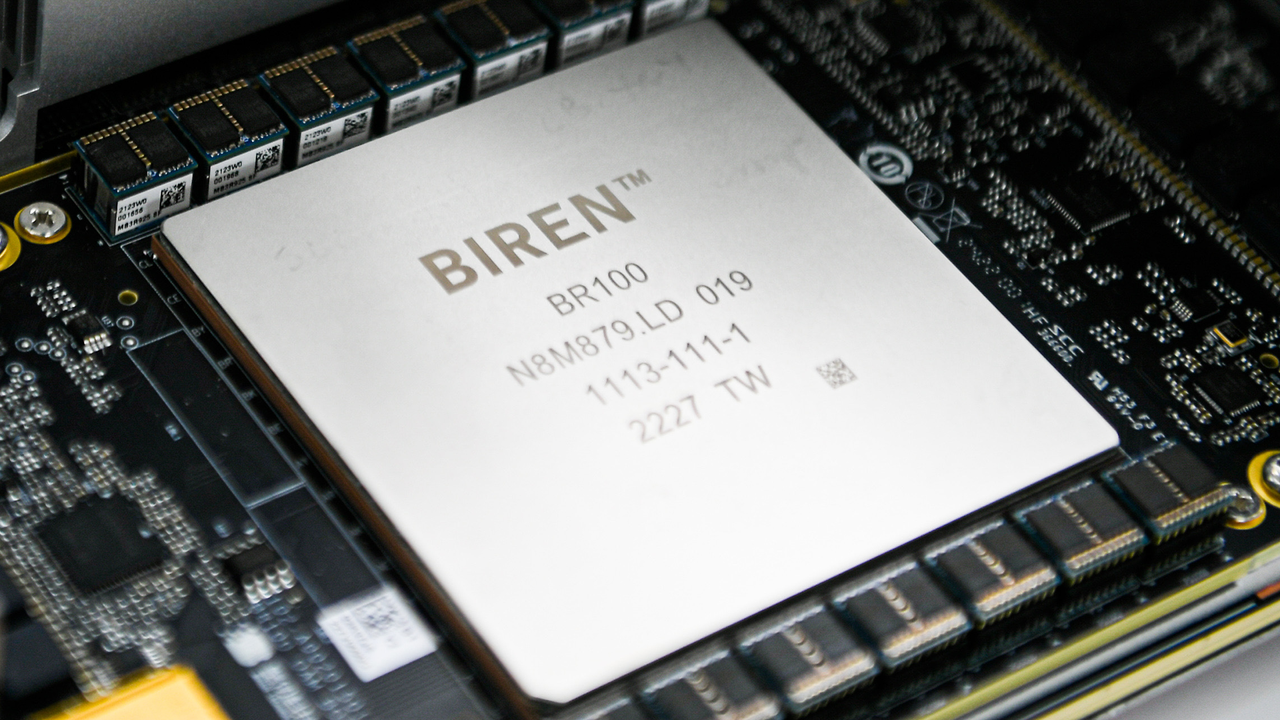
Biren AI Accelerators: Explosive Growth in a Restricted Market
Biren Technology shows explosive 2,000% revenue growth in China's AI accelerator market, benefiting from US export controls. Despite impressive gains from a small base, challenges in manufacturing and software remain.

RAM Crisis Deepens: AI Ramps Up, Severe Shortage by 2027
Analyst firm KB Securities warns of a severe RAM crisis by 2027, blaming surging AI demand. With Samsung and SK Hynix inventories critically low, consumers face higher prices and limited availability for computing components.

Apple Unleashes iPhone Duo: Three-Screen Foldable Debuts at $2,000
Apple has introduced its first foldable smartphone, the iPhone Duo, on September 9, 2026. Featuring three screens and a book-like hinge, this $1,999 device is the most significant iPhone design change since 2007, establishing a new ultra-premium tier for Apple.
iPhone 18 Pro Camera Controls: A Long-Awaited Leap
Apple's iPhone 18 Pro finally introduces advanced manual camera controls like shutter speed, white balance, aperture, and a physical variable aperture. These long-awaited features, common on Android for years, empower enthusiast photographers, though casual users may stick to point-and-shoot.